
A back-to-basics Cantonese address in the historic Shangjiu pedestrian precinct of Liwan District, Wen Ji Yixinji has held the Michelin Bib Gourmand in both 2024 and 2025, confirming its position among Guangzhou's most consistent value-tier operators. The pricing sits firmly at ¥¥, making it a rare point of entry into recognised Cantonese cooking in a city where serious restaurants increasingly occupy the ¥¥¥ tier and above.
Pearl is the En Primeur Club membership app — saves, bookings, and concierge access live there. Same editors, same standards.
- Address
- 12 Xuanyuan Brg, 上下九地区 Liwan District, Guangzhou, Guangdong Province, China, 510140
- Phone
- +86 20 8172 8887
- Website
- bluehero.pixnet.net
- Directions
- Get directions
 Saves & bookings on Pearl
Where Liwan's Street-Level Cantonese Scene Concentrates
Approach Shangjiu on a weekday morning and the pedestrian corridor is already doing several things at once: shopfronts pulling back their shutters, elderly residents moving with the practised efficiency of people who have lived inside this neighbourhood rather than visited it, and the particular ambient noise of a district that built its commercial identity around Cantonese food culture long before any inspector arrived to take notes. Wen Ji Yixinji sits at 12 Xuanyuan Bridge in Liwan District, inside one of the oldest trading and eating zones in the city. The address is not incidental to what the restaurant does. This part of Guangzhou is where direct Cantonese cooking has long defined the local dining culture.
For visitors whose Guangzhou dining map begins and ends at the hotel dining room, Liwan offers an important corrective. The neighbourhood operates at a different register from the polished Cantonese rooms that occupy the upper tiers of the city's market. That is not a criticism of either end. It is a structural observation about how Guangzhou's food culture distributes itself: high-ceremony Cantonese at one pole, represented by addresses like Imperial Treasure Fine Chinese Cuisine, Lai Heen, and Jiang by Chef Fei; and something more direct and less ceremonially scaffolded at the other, which is where Wen Ji Yixinji operates.
The Communal Table as Cantonese Default
Cantonese shared dining has a choreography that differs from how communal meals work in other regional Chinese traditions. The lazy Susan is not optional equipment. It is infrastructure. Dishes arrive in a sequence that reflects how the kitchen reads the table, with lighter preparations making space for deeper-flavoured ones, and the table's rotation functioning as both a practical tool and a social mechanism. At a mid-tier Cantonese restaurant in a neighbourhood like Liwan, this choreography is not performed for visitors. It simply happens, because everyone at the table already knows the grammar.
The format rewards ordering in volume rather than in isolation. A single diner can eat here, but the menu's logic reveals itself across multiple dishes shared between a group. The lazy Susan arrangement means that pacing is collective, not individual, and the kitchen sends things out in a rhythm that assumes the table is acting together. This is a meaningfully different dining experience from the individual-plated tasting format that defines how international restaurants have trained many Western visitors to read a meal. The banquet table tradition that underpins Cantonese cuisine is visible at every price tier in Guangzhou, but at the Bib Gourmand level it tends to feel less staged than at rooms designed partly for corporate entertainment.
For regional context, the same logic of shared Cantonese dining operates across Greater China at various price points: Forum in Hong Kong and Le Palais in Taipei anchor the high-ceremony end of the regional tradition, while Chef Tam's Seasons in Macau demonstrates how the idiom travels across borders. Wen Ji Yixinji occupies a different tier from all of those, but it answers the same fundamental question: how does a kitchen express Cantonese technique when the brief is not spectacle but consistency?
What the Bib Gourmand Signal Actually Means Here
Two consecutive Michelin Bib Gourmand awards, in 2024 and 2025, say something precise about Wen Ji Yixinji's position. The Bib Gourmand designation identifies restaurants where inspectors find cooking quality above what the price point would predict. It is not a consolation tier below the star rankings. In cities like Guangzhou, Lyon, and Tokyo, Bib Gourmand addresses are often where inspectors find one honest expression of a local cooking tradition, because the kitchen has no commercial incentive to perform for an audience expecting luxury signals.
At ¥¥ pricing in Guangzhou, the restaurant competes within a segment that most serious Chinese food cities maintain as their connective tissue: the mid-tier that feeds locals daily rather than entertaining them annually. Holding Michelin recognition at this price point for two successive years indicates that the kitchen's output is not incidental. It is repeatable. In a city with a food culture as self-confident as Guangzhou's, that consistency is the primary credential.
For comparison, restaurants in the same city at ¥¥¥ such as BingSheng Mansion and Jade River bring a different set of expectations around setting and service formality. The gap between ¥¥ and ¥¥¥ in Guangzhou is not purely about food quality. It is about the whole surrounding apparatus. The restaurant strips much of that apparatus away, which, for a certain kind of visitor, is the point.
Across China, the same dynamic plays out in other major cities. The Bib Gourmand tier in Shanghai, represented by addresses like 102 House, or in Hangzhou at Ru Yuan, and in Chengdu at Xin Rong Ji, consistently produces particularly instructive eating in each city, precisely because the kitchens are cooking for a local audience first.
Reading the Room: Who Eats Here and Why
Mid-tier Cantonese restaurants in Guangzhou that serve primarily local clientele frequently score in this range on international platforms, partly because the audience writing reviews is skewed toward visitors with different baseline expectations, and partly because the restaurant has no particular interest in curating its online presence. The Michelin inspector's judgment and the Google aggregate are measuring different things. The former is concerned with what is in the bowl. The latter aggregates experience across a heterogeneous user base with varying reference points.
Liwan's food culture has always assumed a diner who knows the cuisine well enough to order it correctly, which means knowing how many dishes to order for the group size, which preparations show the kitchen's technical range, and how to read the rhythm of service. Those expecting the room and service infrastructure of a ¥¥¥ Cantonese house may find the experience less legible.
Planning Your Visit
Know Before You Go
- Address: 12 Xuanyuan Bridge, Shangjiu area, Liwan District, Guangzhou, Guangdong Province, 510140
- Cuisine: Cantonese
- Price tier: ¥¥
- Awards: Michelin Bib Gourmand 2024 and 2025 9 from 66 reviews
- Booking: Walk-in friendly
- Well suited for: Groups of two or more; the shared-dishes format rewards the table
What Should I Eat at Wen Ji Yixinji?
The restaurant holds Michelin Bib Gourmand recognition for Cantonese cooking at ¥¥ pricing, which places it within Guangzhou's shared-table Cantonese tradition. The kitchen's output will reflect seasonal availability and daily market supply. The practical guidance is to order across multiple categories, include at least one steamed preparation and one braise, and let the table's size determine volume rather than ordering conservatively. For cross-city context, the same principle applies at recognised Cantonese addresses in Beijing like Xin Rong Ji and in Nanjing at Dai Yuet Heen: ordering depth reveals the kitchen's range in ways that a single dish cannot.
The Quick Read
Comparable venues nearby, for context on price, style, and recognition.
| Venue | Cuisine | Price | Notes |
|---|---|---|---|
| Wen Ji YixinjiThis venue — the venue you are viewing | Cantonese | $$ | Not listed |
| Da Ge Fan (Tangxiayong West Road) | Guangzhoushi, Modern Teochew Chinese | $$ | Not listed |
| Chuang Fa | Guangzhoushi, Traditional Cantonese | $$ | Not listed |
| Temple Street | Guangzhoushi, Cantonese Claypot Rice | $$ | Not listed |
| Dai Yong Town | Not listed | $$ | Guangzhoushi, Chao Zhou (Chaoshan) |
| Taste Soar × Da Tou Hui | Guangzhoushi, Modern Cantonese | $$ | Not listed |
Recognition history
Dated appearances from independent guides and award organizations, with the underlying list record or original source where available.
Michelin Bib Gourmand
Michelin
Michelin Bib Gourmand
Michelin
Michelin Bib Gourmand
Michelin
Continue exploring
More in Guangzhou
Restaurants in Guangzhou
Browse all →
Bars in Guangzhou
Browse all →

At a Glance
- Classic
- Cozy
- Casual Hangout
- Family
- Standalone
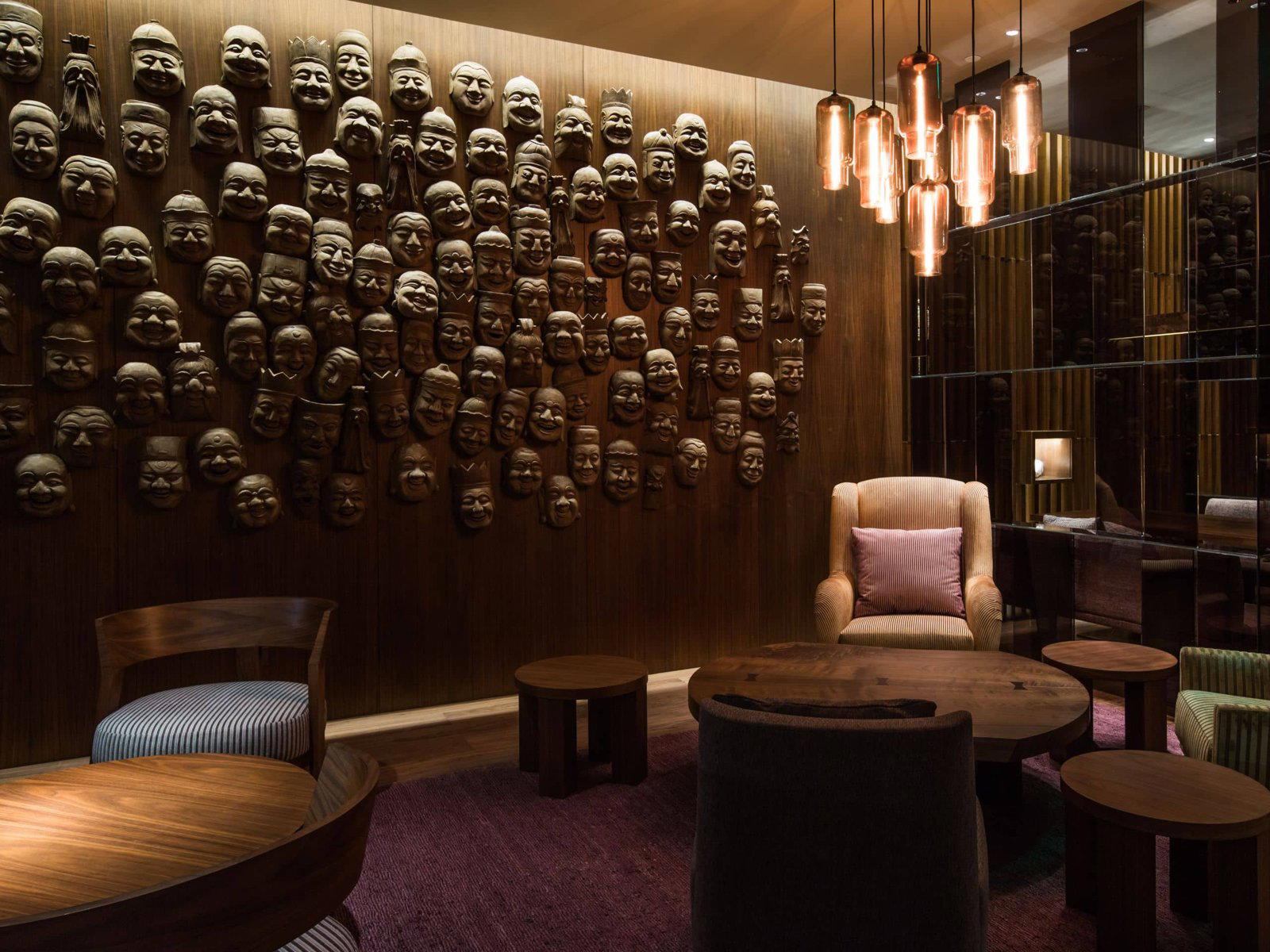
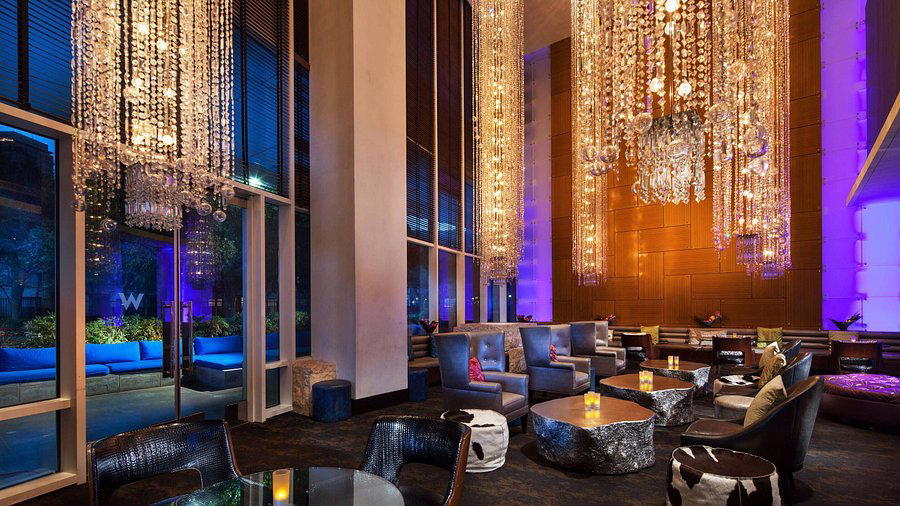
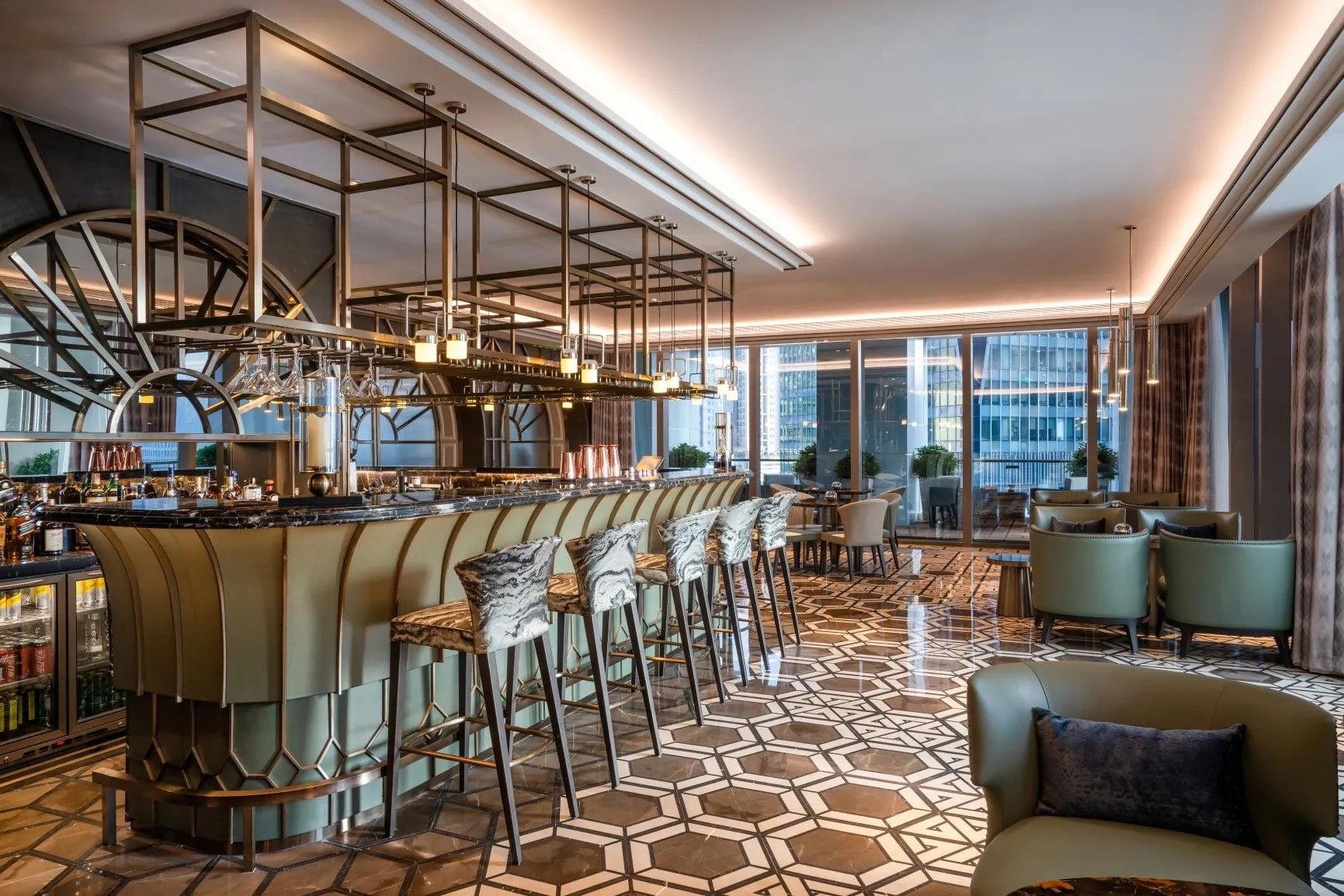
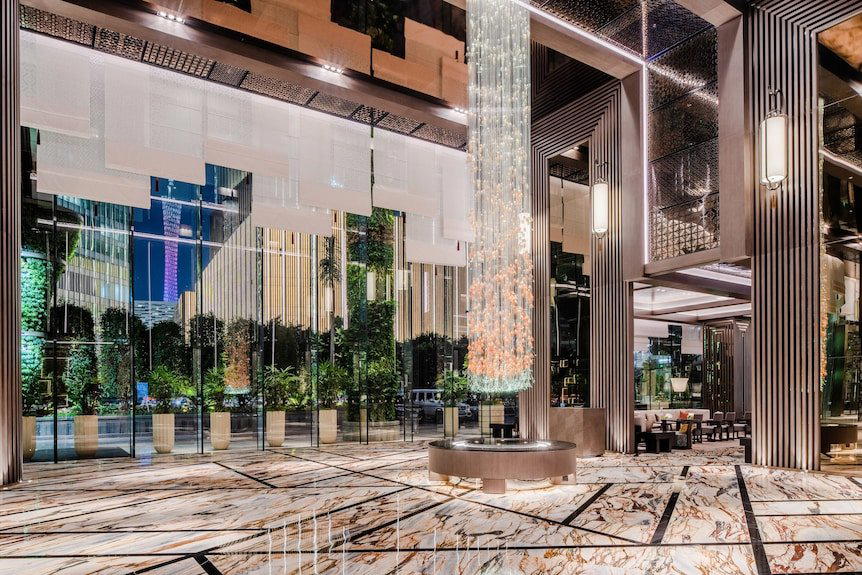
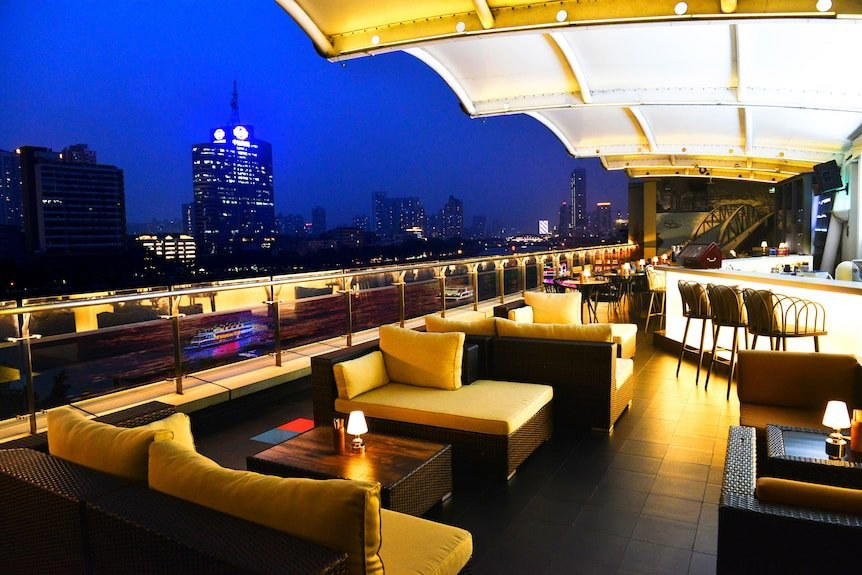
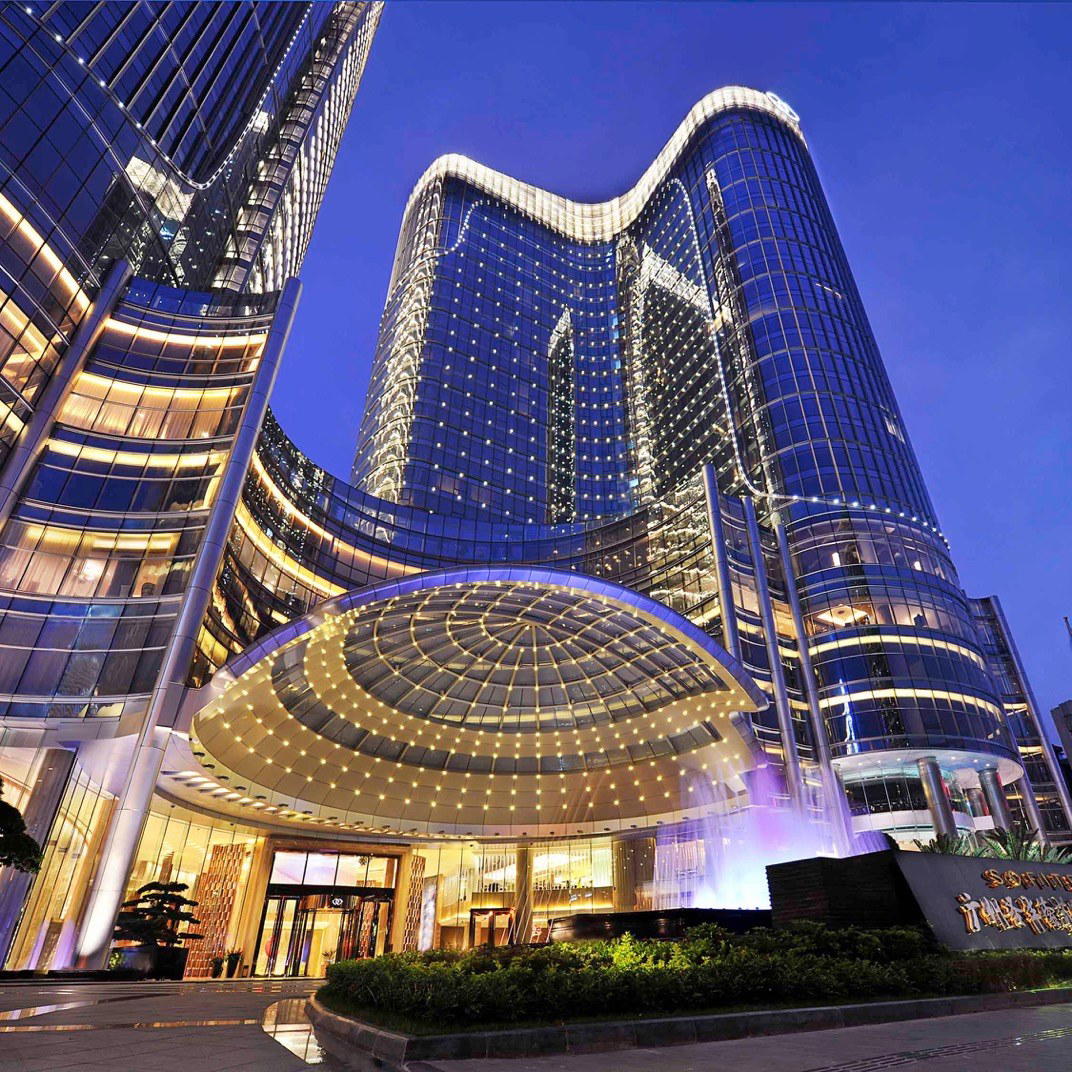
Simple clean alley shop with two-storey dining room, average environment but serene in descriptions with polished woods and soft lighting.