On Erlangen's Altstädter Kirchenplatz, Basilikum Restaurant occupies a setting that reflects the city's compact, walkable old town character. The cooking draws on the herb-forward German tradition suggested by its name, placing it within Erlangen's mid-range dining scene. For visitors working through the city's restaurant options, it represents a grounded neighbourhood choice with a clear culinary identity.
Pearl is the En Primeur Club membership app — saves, bookings, and concierge access live there. Same editors, same standards.
- Address
- Altstädter Kirchenpl. 2, 91054 Erlangen, Germany
- Phone
- +499131490980
- Website
- basilikum-erlangen.de
- Directions
- Get directions
 Saves & bookings on Pearl
A Square, a Name, and What Both Signal
Altstädter Kirchenplatz sits at the quieter end of Erlangen's historic centre, a few minutes' walk from the Hugenottenplatz and the pedestrian corridors that carry most of the city's foot traffic. Restaurants on or near this square tend to serve the neighbourhood rather than passing tourists, which shapes both the atmosphere and the offer: the pace is unhurried, the room is likely modest in scale, and the expectation is that regulars return because the cooking earns it rather than because the location demands a visit. Basilikum Restaurant, addressed directly on the Kirchenplatz, fits that pattern.
The name itself is a signal worth reading before you arrive. Basilikum is German for basil, and naming a restaurant after a single herb is a declaration of intent: the kitchen cares about plants, aromatics, and the kind of ingredient-driven cooking where a well-grown herb can carry a dish rather than merely decorate it. In the broader German dining context, that orientation places Basilikum alongside a strand of cooking that looks to seasonal produce and sourced aromatics rather than sauce-heavy classical tradition. It is a different emphasis from the game-and-reduction style that defines destination restaurants like Waldhotel Sonnora in Dreis or the technical precision at Aqua in Wolfsburg, and it is the right framing for a neighbourhood restaurant in a mid-sized Franconian university city.
Erlangen's Dining Position and Where Basilikum Sits Within It
Erlangen is not a restaurant city in the way Munich or Hamburg are. Its dining scene is shaped by a large student and academic population from Friedrich-Alexander-Universität, by proximity to Nuremberg's stronger food culture, and by a relatively compressed geography that keeps most options within easy reach of the centre. The result is a scene that rewards the neighbourhood specialist over the destination venue: places that earn local loyalty through consistency, sourcing, and value hold better than those chasing occasion dining.
Within that context, the herb-and-produce orientation suggested by Basilikum's name aligns it with a tier of cooking that has grown more prominent across Germany's secondary cities over the past decade. The turn toward ingredient transparency, shorter supply chains, and flavour built from sourced quality rather than technique-as-spectacle has reached well beyond Berlin and Munich. In Erlangen specifically, that trend is visible in places like Holzgarten, which operates on a seasonal cuisine model at a comparable price tier. Basilikum and Holzgarten occupy adjacent territory in Erlangen's mid-range, both representing a shift away from the generic international offer that fills many German city centres.
Other options in the city cover different ground. Das Muskat, La Martinez, and Cantine Erlangen each occupy distinct niches, and the city also has a strong Turkish and Middle Eastern offer, represented by spots like Cigkoftem Erlangen. Basilikum's positioning is neither the most affordable nor the most ambitious option in the city; it sits in the range where sourcing and execution define the proposition rather than price alone.
The Ingredient Case: Why Herb-Led Cooking Matters in This Context
German restaurant cooking has historically under-indexed on fresh herbs relative to French or Italian traditions. The classical Franconian kitchen leans toward roasted meats, root vegetables, dumplings, and braised preparations where bay, juniper, and caraway do more work than basil, tarragon, or chervil. A restaurant that names itself after basil and orients its kitchen around fresh aromatics is making a choice that runs against the local grain, and that choice carries implications for sourcing.
Basil at the quality level that would justify centering a restaurant's identity on it requires either a reliable regional supplier or a kitchen that grows its own. The same is true for the broader herb palette that the name implies. In Franconia, that typically means working with small-scale growers in the surrounding region, sourcing from Nuremberg's market infrastructure, or maintaining direct relationships with producers in the Altmühltal or the areas south toward Bavaria. That kind of sourcing discipline, even at a neighbourhood restaurant scale, is what separates kitchens that use the ingredient-driven framing honestly from those that use it decoratively.
For comparison, the approach taken by high-end German kitchens at restaurants like JAN in Munich or Schanz in Piesport makes sourcing provenance explicit, naming producers and regions on the menu. At a neighbourhood level, that degree of transparency is rarer, but the underlying discipline is the same: the ingredient has to be good enough to carry the dish. A kitchen named Basilikum has committed, in name at least, to meeting that standard.
Practical Information for Planning a Visit
Basilikum Restaurant is located at Altstädter Kirchenpl. 2, 91054 Erlangen, a short walk from the city's main pedestrian zone and accessible on foot from most central accommodations. For Erlangen dining more broadly, our full Erlangen restaurants guide maps the city's options across price tiers and cuisine types.
Erlangen is well-served by regional rail from Nuremberg (approximately 15 minutes on S-Bahn or regional trains), making it a viable dinner destination for visitors based in Nuremberg who want to explore the secondary city's offer. The Kirchenplatz location is within the historic centre and walkable from the Erlangen Bahnhof in under ten minutes.
Quick Comparison
| Venue | Cuisine | Price | Awards |
|---|---|---|---|
| Basilikum RestaurantThis venue — the venue you are viewing | This venue | Not listed | Not listed |
| Holzgarten | Seasonal Cuisine | €€ | Seasonal Cuisine, €€ |
Continue exploring
More in Erlangen
Restaurants in Erlangen
Browse all →
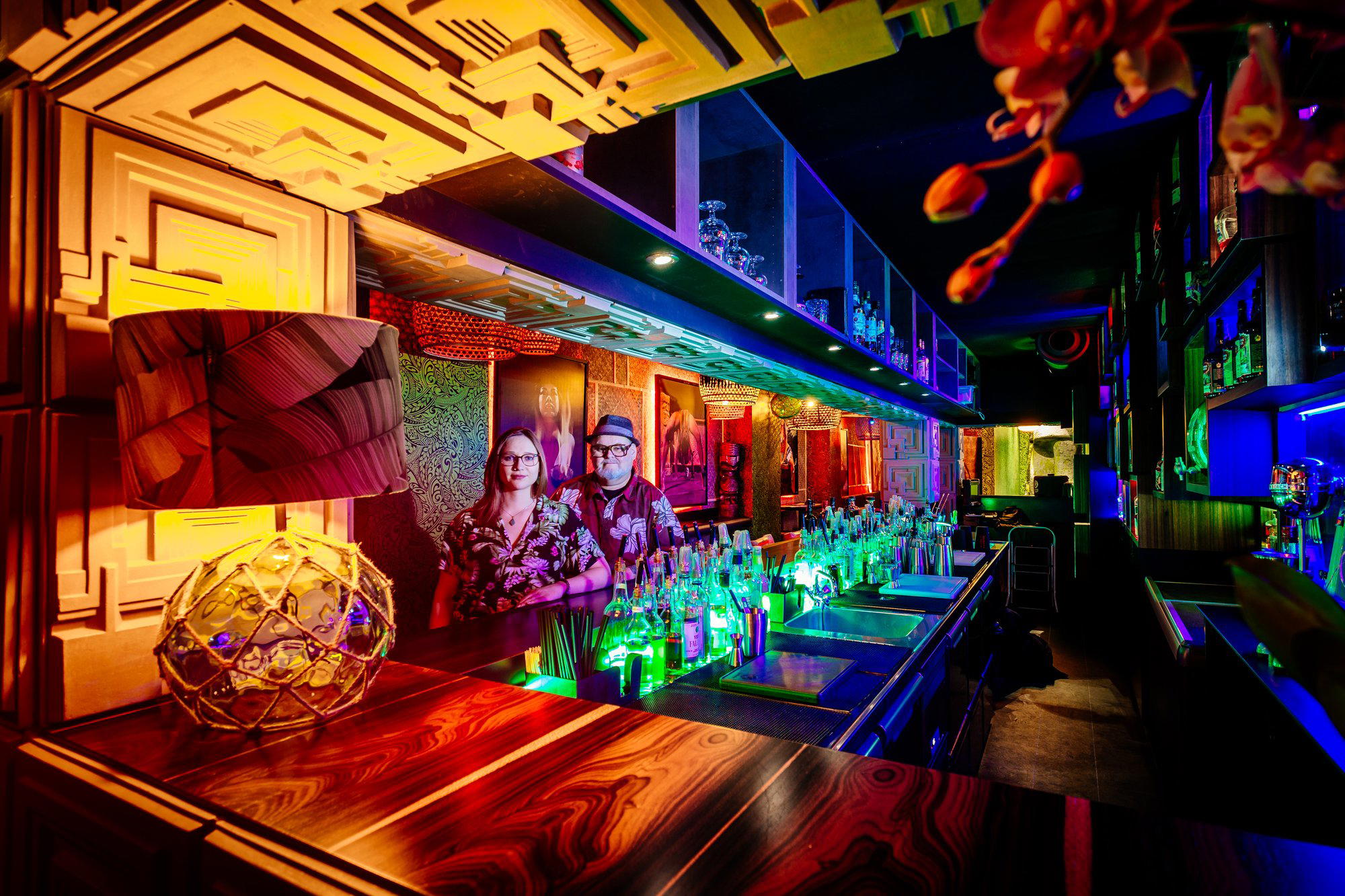
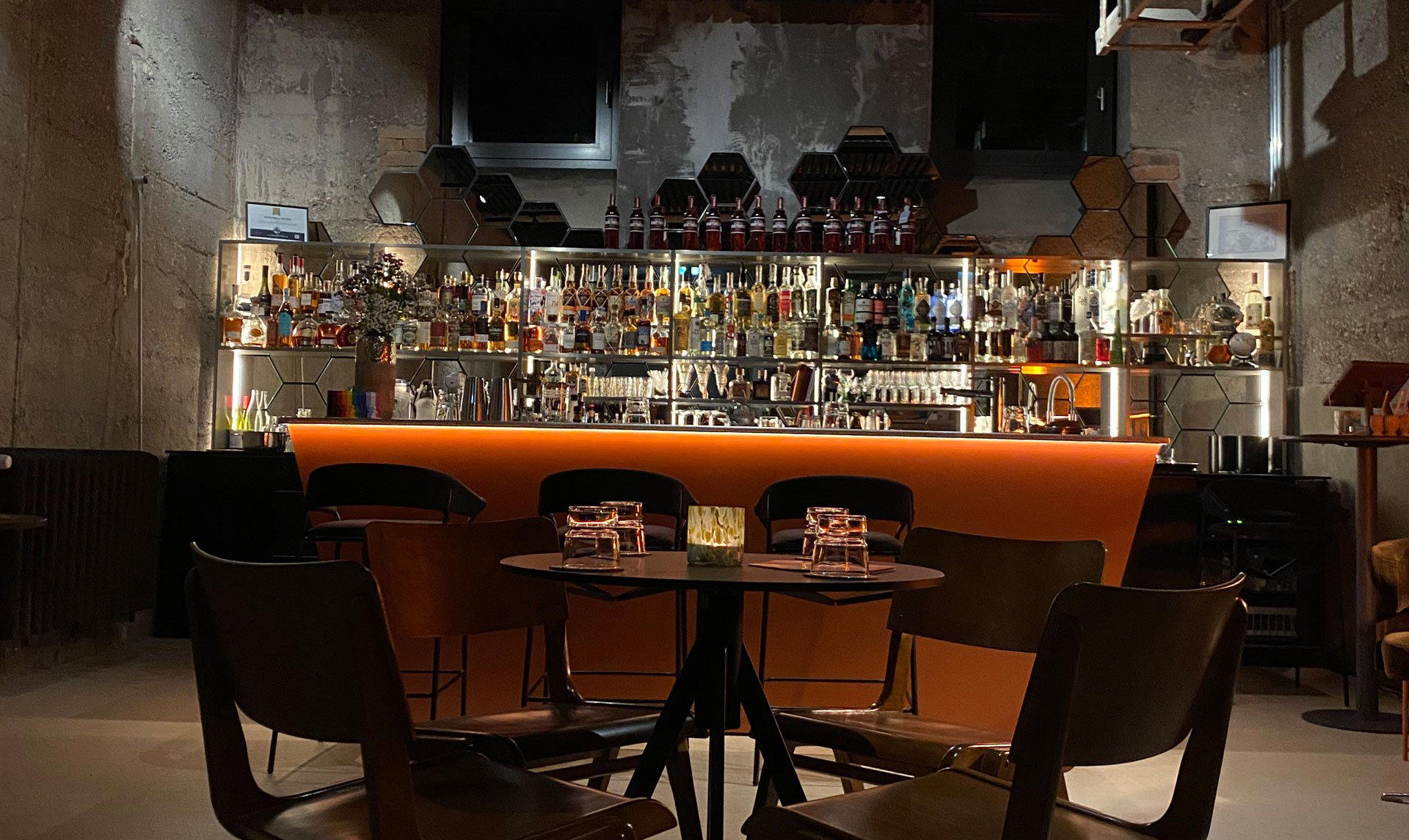
Bars in Erlangen
Browse all →
Hotels in Erlangen
Browse all →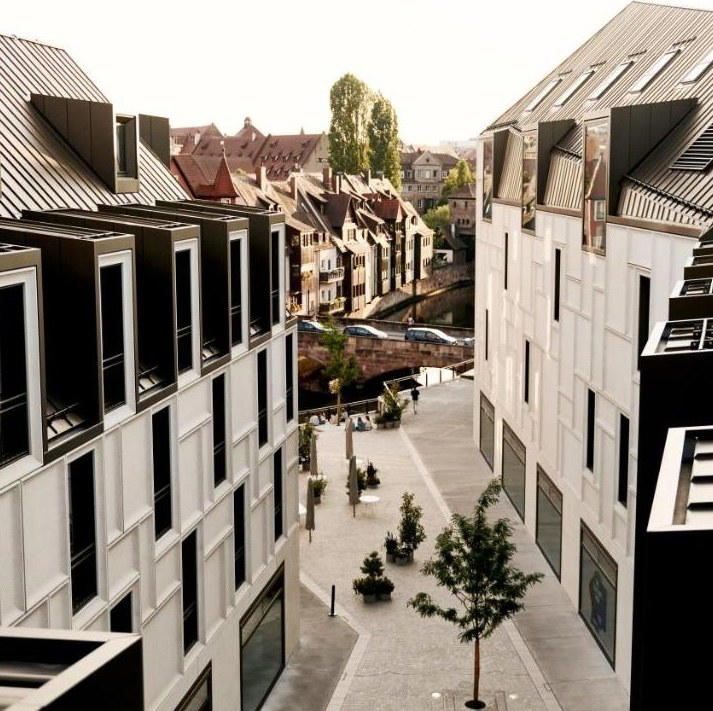

At a Glance
- Cozy
- Elegant
- Intimate
- Date Night
- Special Occasion
- Brunch
- Terrace
- Street Scene
Current opening hours
- Monday
- 5–10 PM
- Tuesday
- 5–11 PM
- Wednesday
- 5–11 PM
- Thursday
- 5–11 PM
- Friday
- 5–11 PM
- Saturday
- 5–11 PM
- Sunday
- Closed
Hours can change for holidays and private events. Last verified .
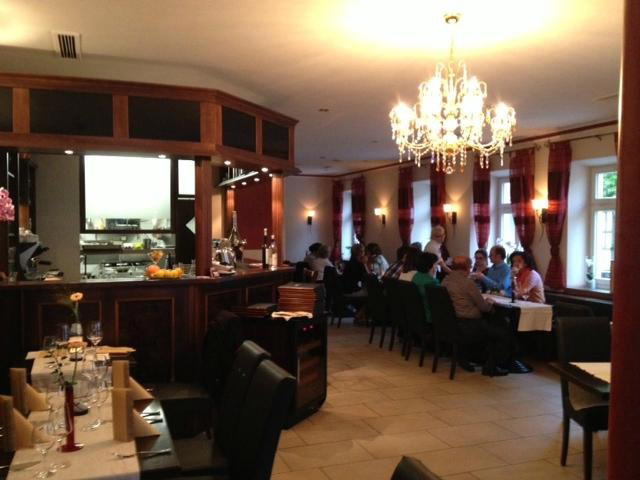
Extraordinary ambiance in a protected historic building with Mediterranean atmosphere