
Wang Lu, located in Shanghai's Minhang District, has earned consecutive Michelin Bib Gourmand recognition in 2024 and 2025, placing it among the city's most consistent value-driven Chinese kitchens. Under chef Jean-Luc Voegele, the restaurant draws an intriguing line between Western culinary training and Chinese culinary tradition, producing food that earns serious attention at a ¥¥ price point. returning audience.
Pearl is the En Primeur Club membership app — saves, bookings, and concierge access live there. Same editors, same standards.
- Address
- 1939 Longming Rd, Minhang District, Shanghai, China, 201103
- Phone
- +862158883331
- Website
- guide.michelin.com
- Directions
- Get directions
 Saves & bookings on Pearl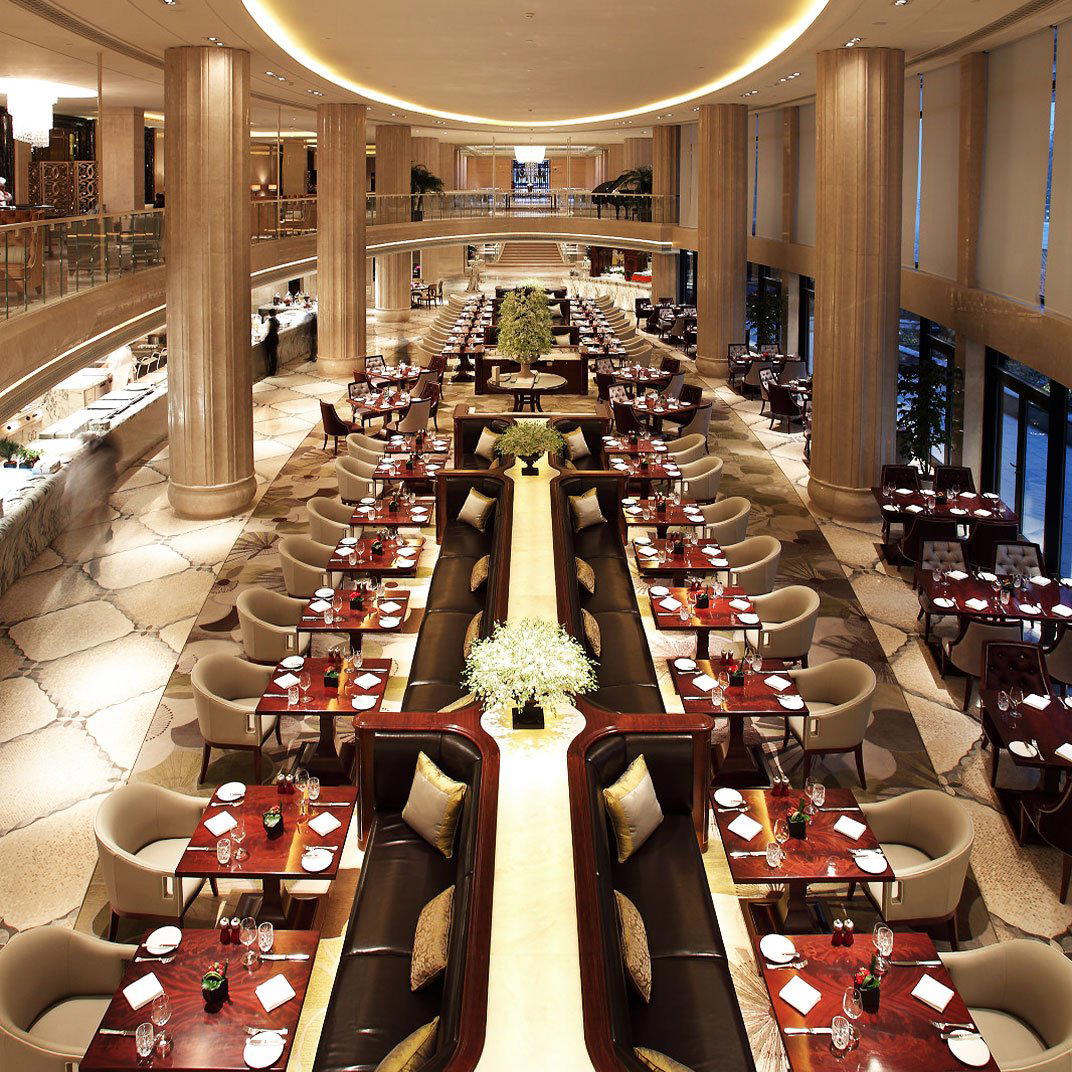
Where the Bib Gourmand Means Something
Minhang District sits well south of the Bund, far from the theatrics of Shanghai's central dining corridor. The journey out along Longming Road sets expectations for a more low-key arrival. What you find at number 1939 is a restaurant that earns its reputation through the plate rather than the setting, which is precisely the premise behind the Michelin Bib Gourmand designation. The award highlights places where cooking quality and value converge, and Wang Lu has landed it in consecutive years, 2024 and 2025.
That kind of sustained Bib Gourmand recognition places Wang Lu in a specific competitive tier. Shanghai's Michelin-recognized Chinese restaurants range from full-star operations with multi-course tasting formats at ¥¥¥¥ price points, such as Fu He Hui (Vegetarian), down through mid-range Cantonese and regional houses, and into the Bib category, which rewards the sharpest cooking at the accessible price. Wang Lu operates at ¥¥, which in Shanghai's context means serious food without the cover charge of prestige addresses.
A French-Trained Hand in a Chinese Kitchen
One of the more interesting structural questions in contemporary Chinese dining is what happens when a chef trained in Western culinary frameworks works within a Chinese ingredient and technique tradition. Jean-Luc Voegele, the name attached to the restaurant's kitchen, carries a French-inflected background into a cuisine that has its own deep grammar of flavour, heat, and texture. This is not an unusual tension in Shanghai, a city where culinary cross-pollination has been a feature of the restaurant scene for over a century, but it does shape how a kitchen prioritises and executes.
The broader pattern is visible in cities across Asia and in Chinese restaurants abroad. At Restaurant Tim Raue in Berlin, a German chef applies European discipline to Chinese and Asian flavour logic with significant critical results. At Mister Jiu's in San Francisco, Chinese-American heritage meets Californian sourcing philosophy. These are not fusion exercises in the pejorative sense; they are kitchens where a particular chef's formation produces a different set of decisions about balance, restraint, and structure. The restaurant sits within that tradition, where the chef's background serves as a lens rather than a gimmick.
French culinary training in particular tends to instil a specific rigour around stock, sauce reduction, and mise en place that can interact productively with the layered umami architecture of Chinese cooking. Whether that plays out at the restaurant in braised preparations, in seasoning choices, or in the structural logic of the menu sequence is not something to speculate about here, but the credential itself frames the kitchen's probable sensibility. Among Shanghai's ¥¥ Chinese restaurants, a Bib Gourmand holder with a Western-trained chef is a relatively rare configuration, which contributes to the restaurant's distinct position in the tier.
Shanghai's Bib Gourmand Chinese Table in Context
The Bib Gourmand category in Shanghai covers a wide range of Chinese regional styles. You can find Shanghainese comfort cooking, Sichuan-inflected tables, Cantonese dim sum operations, and cross-regional Chinese kitchens all competing within it. The restaurant's ¥¥ positioning and its consecutive-year recognition put it on a par with, or ahead of, many single-year entrants in the same tier. For context, Amazing Chinese Cuisine and Jade Mansion represent different registers within the city's broader Chinese dining spread, while 102 House (Cantonese) anchors the Cantonese end of that spectrum.
The Minhang address is worth noting in a different way. Bib Gourmand recognition in peripheral districts signals that Michelin's Shanghai coverage has deepened beyond the inner ring, identifying value cooking where local populations, rather than hotel guests or visiting diners, set the standards. A restaurant in Minhang that earns consecutive recognition is, almost by definition, cooking for an audience that eats Chinese food regularly and has strong reference points for quality. That is a harder crowd to satisfy than a tourist-facing room closer to the Jing'an or Xuhui cores.
For those building a broader picture of Chinese fine dining across the region, the context extends to other cities. Xin Rong Ji in Beijing, Ru Yuan in Hangzhou, and Xin Rong Ji in Chengdu each anchor regional Chinese cooking traditions at different price points. Further afield, Chef Tam's Seasons in Macau, Imperial Treasure Fine Chinese Cuisine in Guangzhou, and Dai Yuet Heen in Nanjing map the Cantonese and regional Chinese fine dining conversation across Greater China.
Closer to the restaurant's more experimental comparable set, Taian Table (Modern European, Innovative) represents the opposite end of the Shanghai price and format spectrum, a useful reference point for understanding just how wide the city's credentialed dining range actually runs.
Planning Your Visit
The restaurant's Minhang location requires a deliberate trip. This is not a restaurant you stumble into after a walk along the waterfront; it sits in a residential-commercial district that rewards prior planning. The ¥¥ price point makes it accessible relative to Shanghai's starred tier, and the Bib Gourmand status is a reliable indicator that the value-to-quality ratio has been independently assessed across multiple years.
Know Before You Go
- Address: 1939 Longming Road, Minhang District, Shanghai, 201103
- Price Range: ¥¥ (mid-range; accessible relative to Shanghai's starred tier)
- Awards: Michelin Bib Gourmand 2024; Michelin Bib Gourmand 2025 6 / 5 (221 reviews)
- Chef: Jean-Luc Voegele
- Cuisine: Chinese
- Getting There: Minhang District is south of central Shanghai; plan for metro or ride-hail rather than walking distance from central hotels
- Booking: Reservations are recommended
- Hours: Mon to Sun, 10 AM to 10 PM
A Credentials Check
Comparable venues nearby, for context on price, style, and recognition.
| Venue | Cuisine | Price | Awards | Notes |
|---|---|---|---|---|
| Wang LuThis venue — the venue you are viewing | Jiangxi (Gan) Cuisine | $$$ | Bib Gourmand | Not listed |
| Chun | Authentic Shanghainese Home-Style Cooking | $$ | Bib Gourmand | Da Pu Qiao |
| Yunhe Noodle (Huangpu) | Modern Shanghainese Noodle House | $$ | Bib Gourmand | Lao Ximen |
| Da Hu Chun (Middle Sichuan Road) | Traditional Shanghainese Shengjianbao | $$ | Bib Gourmand | Lan Ni Du |
| Yu Du Lao Wei Mian (Huangpu) | Zhoushan Seafood Noodles | $$ | Bib Gourmand | Yanqiao Xiang |
| Lu Bo Lang | Traditional Shanghainese Dim Sum | $$ | Bib Gourmand | Lan Ni Du |
Recognition history
Dated appearances from independent guides and award organizations, with the underlying list record or original source where available.
Michelin Bib Gourmand
Michelin
Michelin Bib Gourmand
Michelin
At a Glance
- Modern
- Elegant
- Sophisticated
- Business Dinner
- Group Dining
- Special Occasion
- Private Dining
- Terrace
Current opening hours
- Monday
- 10 AM–10 PM
- Tuesday
- 10 AM–10 PM
- Wednesday
- 10 AM–10 PM
- Thursday
- 10 AM–10 PM
- Friday
- 10 AM–10 PM
- Saturday
- 10 AM–10 PM
- Sunday
- 10 AM–10 PM
Hours can change for holidays and private events. Last verified .
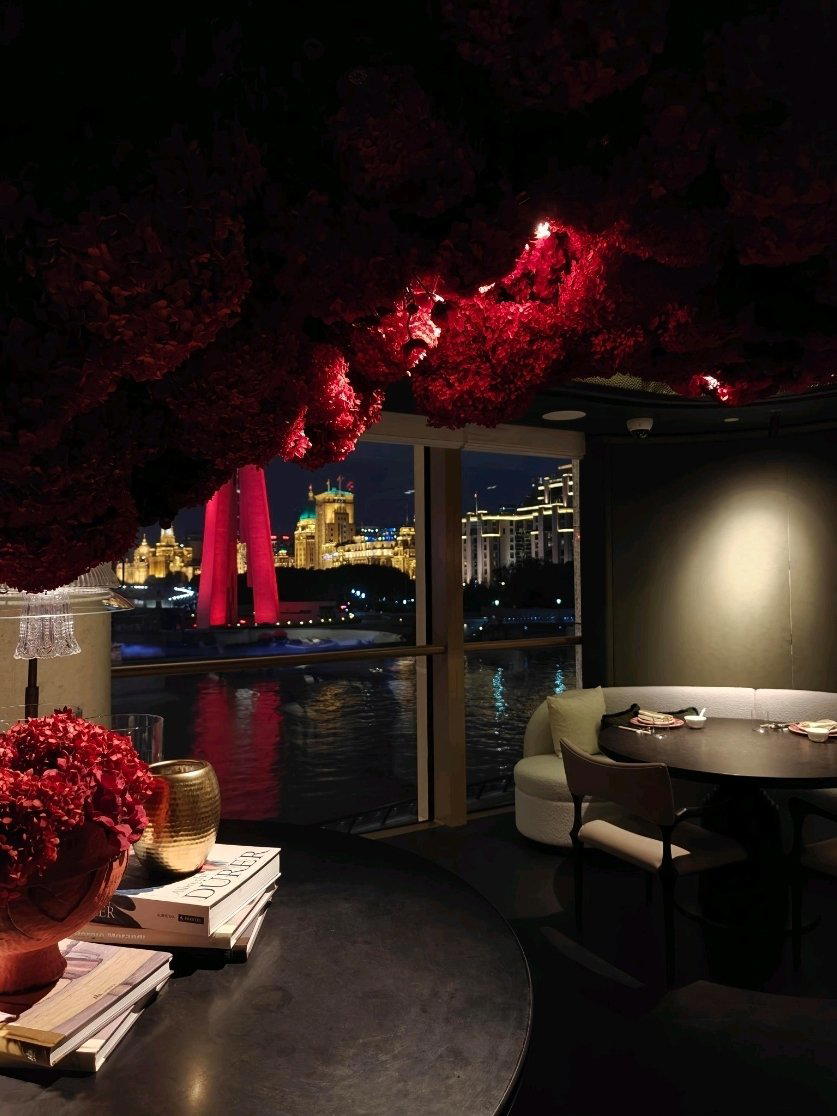
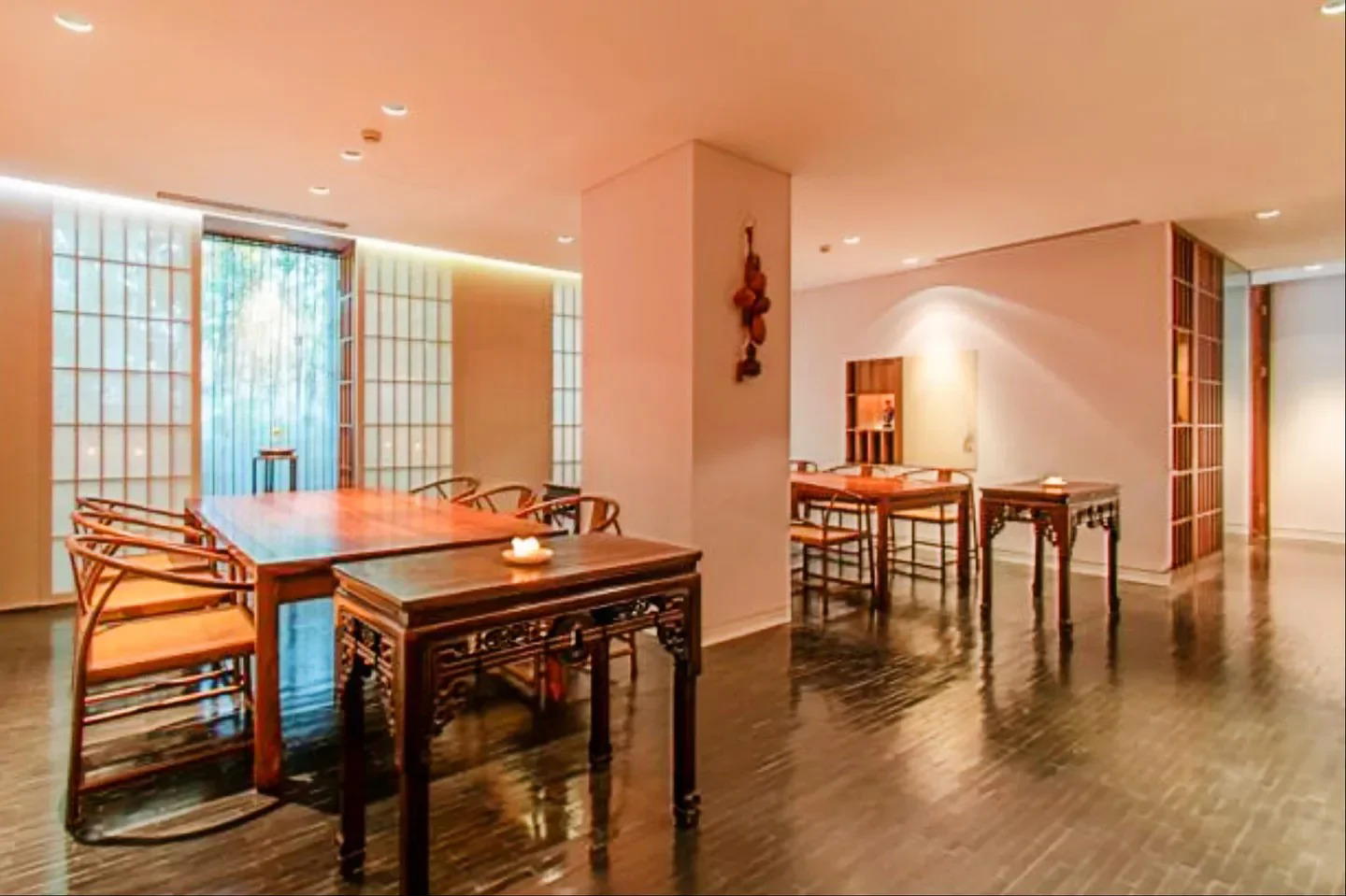
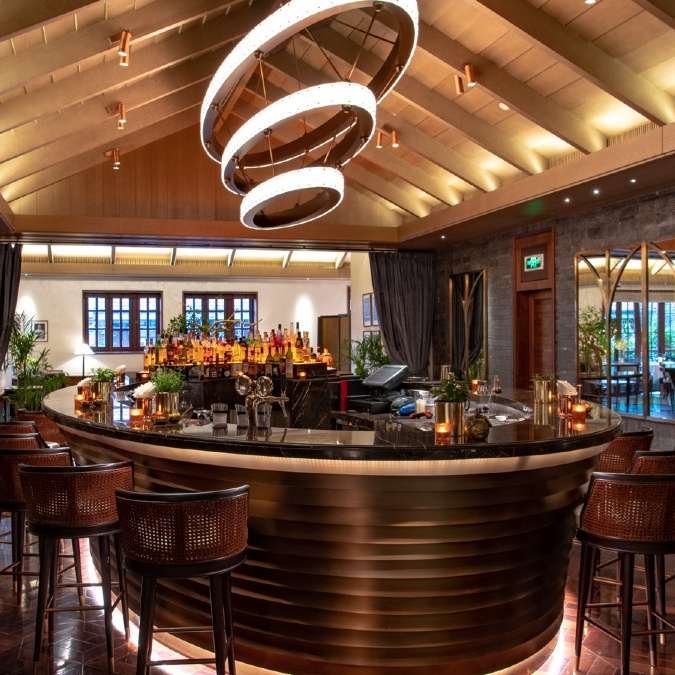
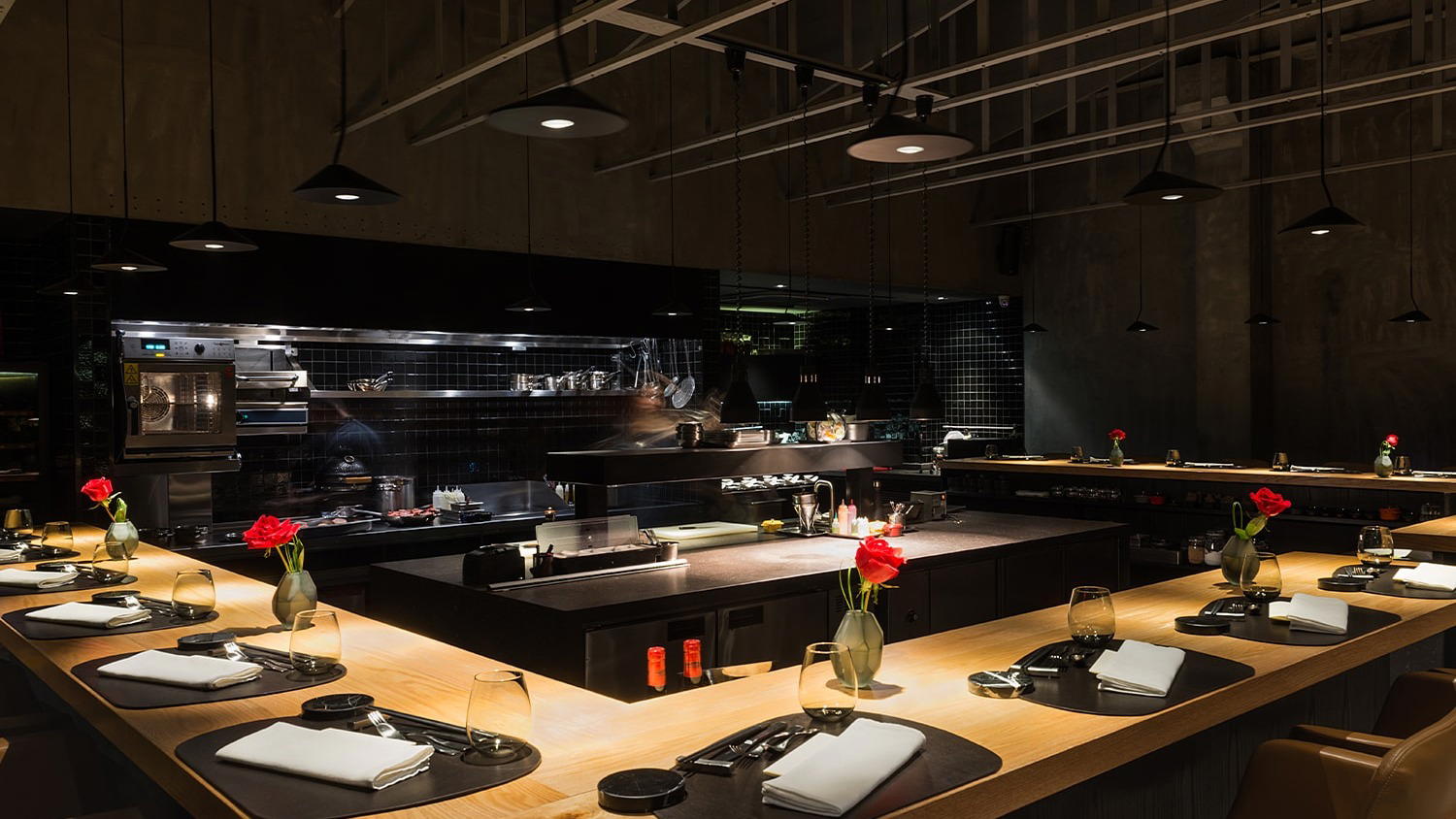
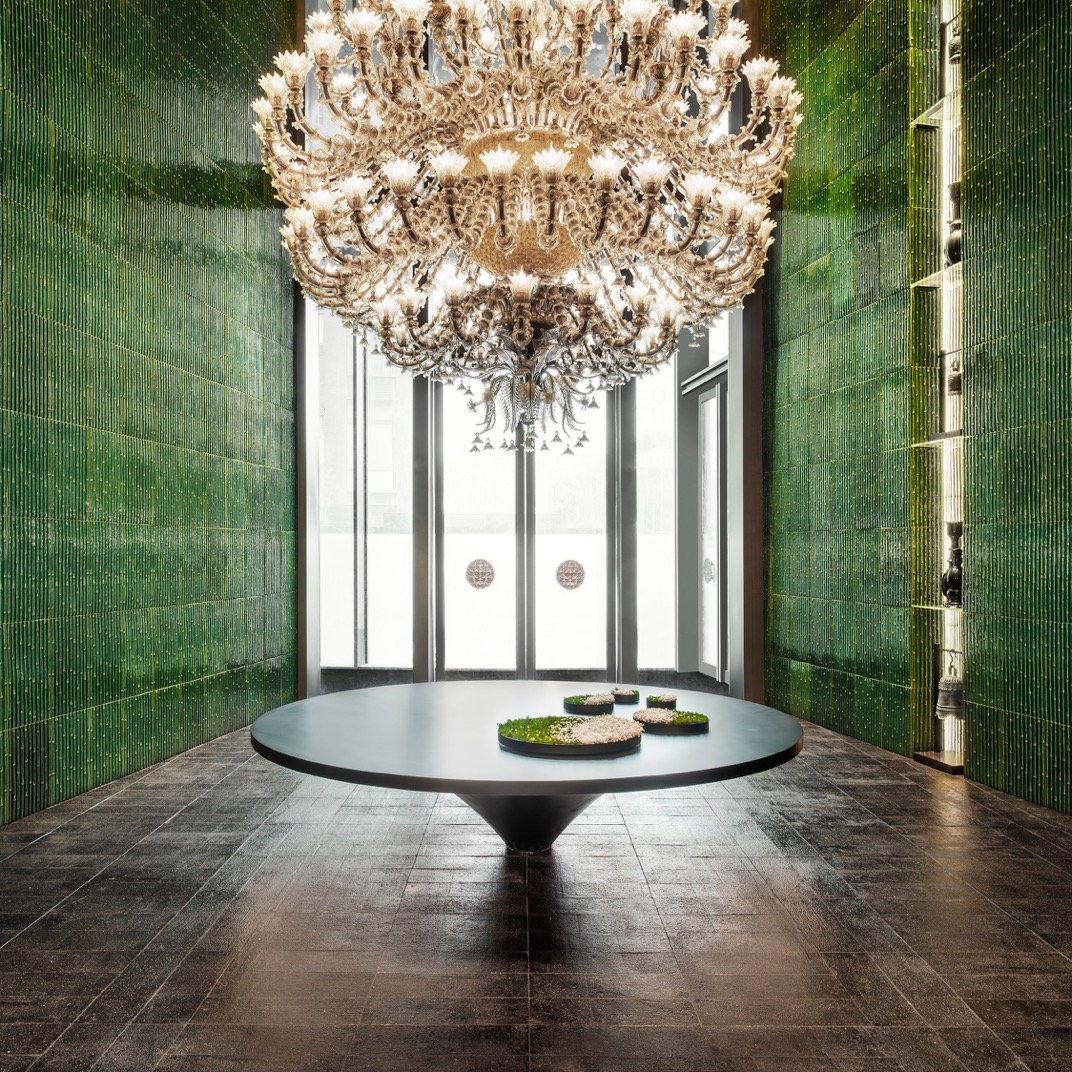
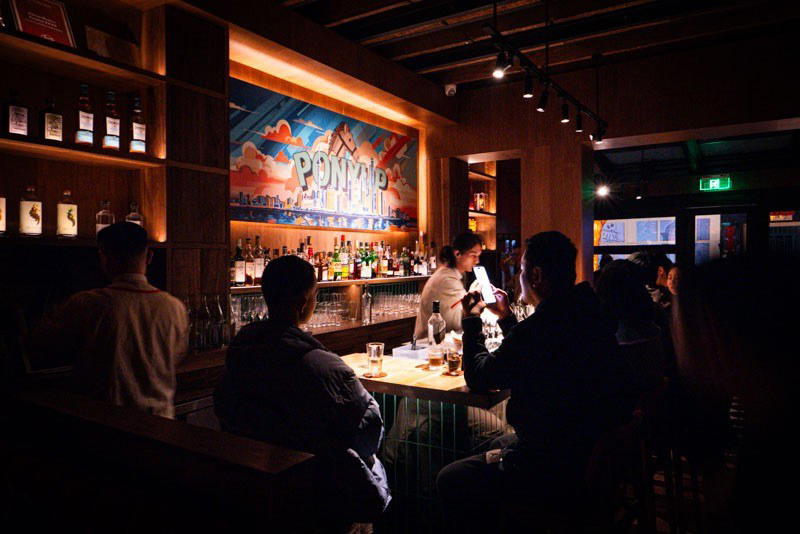
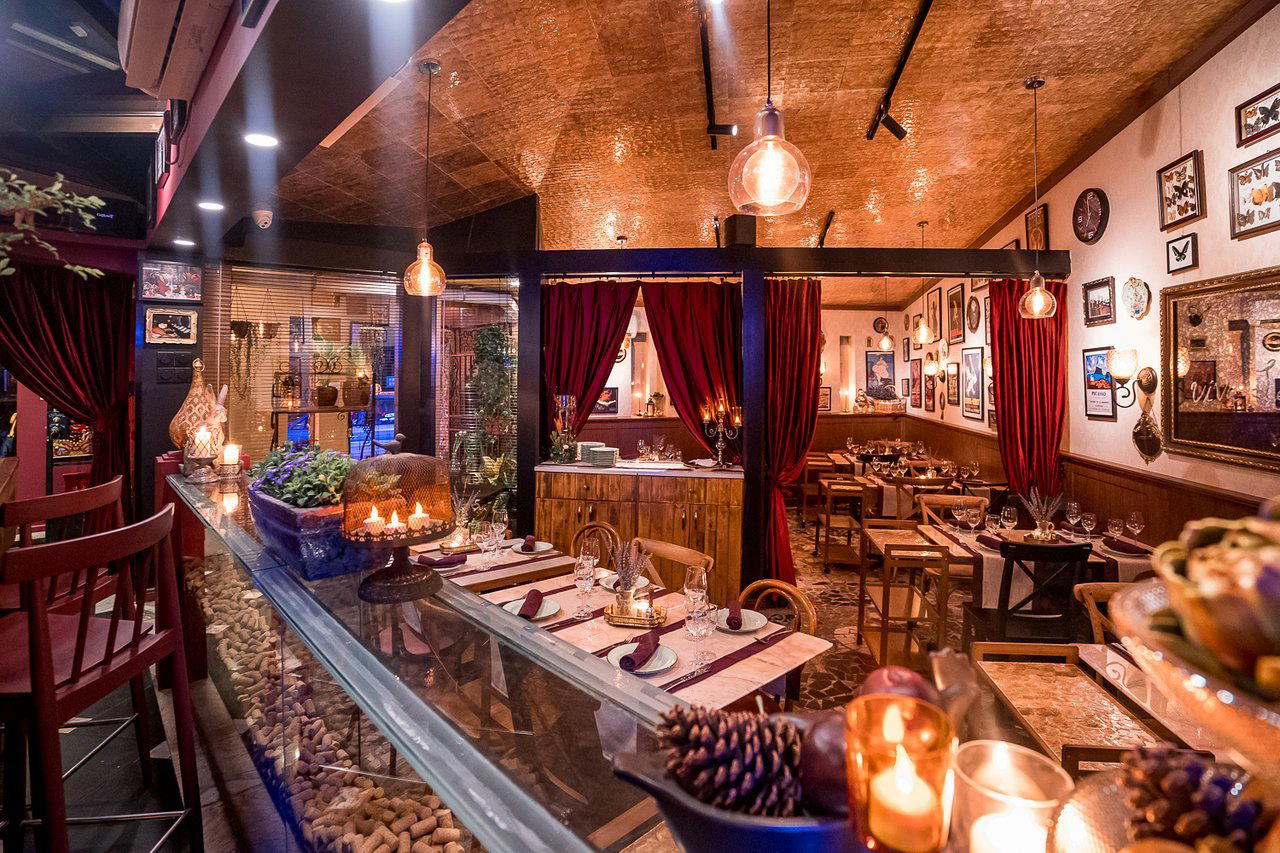
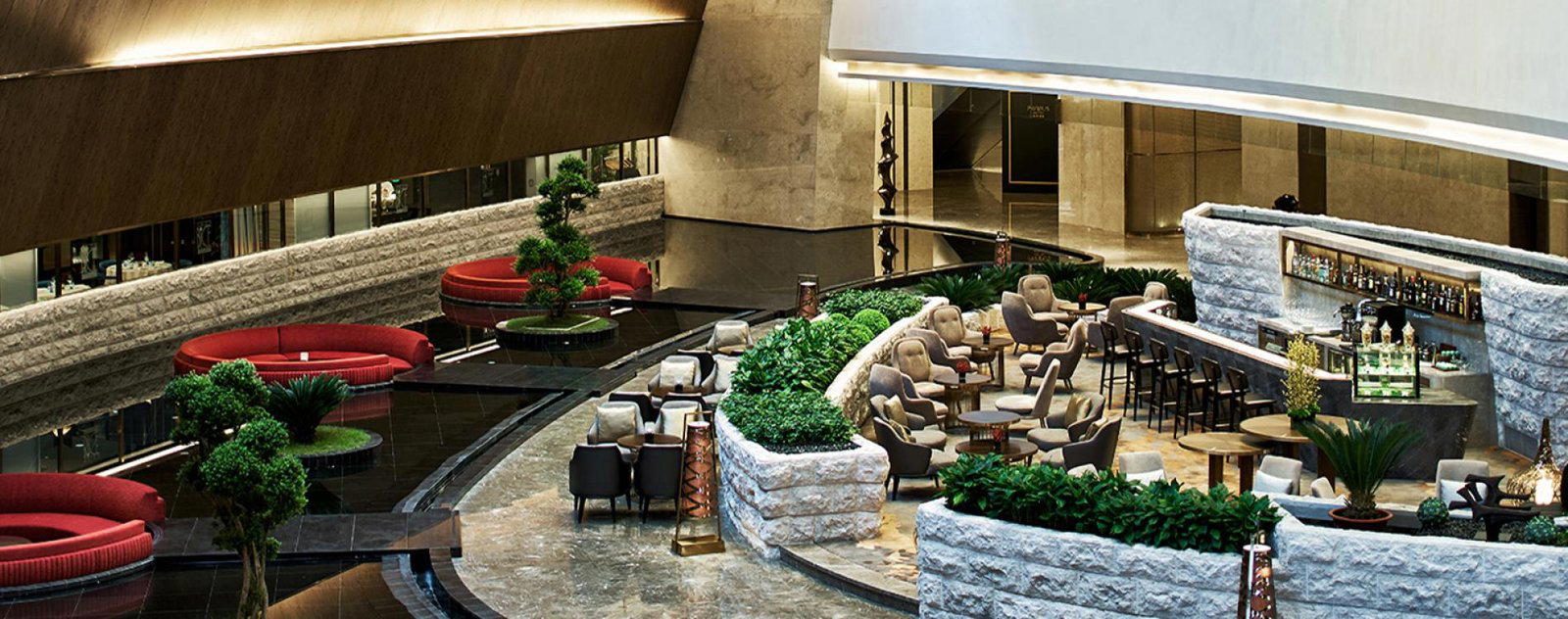
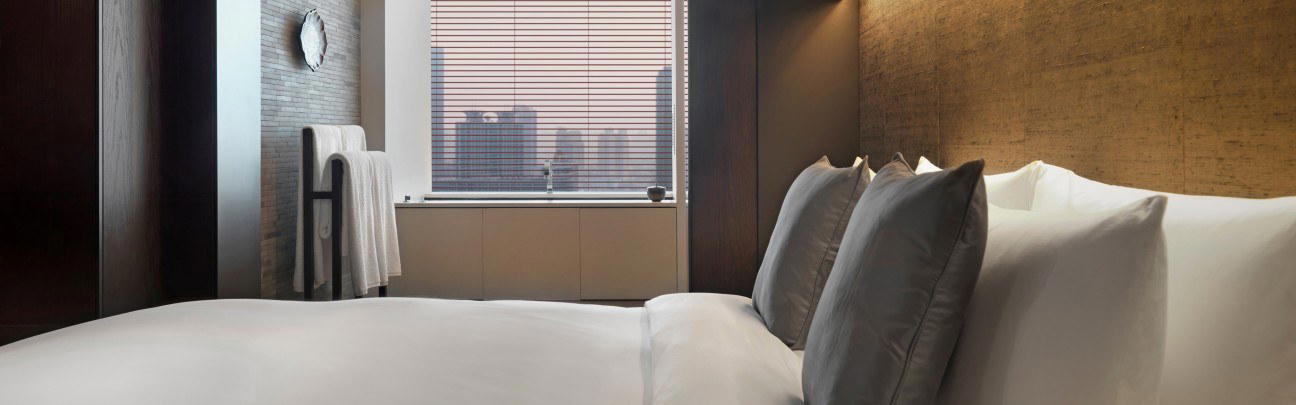
Modern and airy space with sleek design, featuring semi-private and private rooms, and an upscale yet approachable atmosphere.