Waldwirtschaft Uschenriet
A traditional Waldwirtschaft in the Glarus valley, Waldwirtschaft Uschenriet represents a format deeply rooted in Swiss forestry and rural hospitality culture. Set along Uschenrietstrasse in Ennenda, it sits within a canton defined by its alpine pastures and smallholder food traditions. For visitors exploring the region's eating culture beyond urban fine dining, it offers a grounded, local alternative.
Pearl is the En Primeur Club membership app — saves, bookings, and concierge access live there. Same editors, same standards.
- Address
- Uschenrietstrasse 16, 8755 Ennenda, Switzerland
- Phone
- +41556441555
- Website
- uschenriet.ch
- Directions
- Get directions
 Saves & bookings on Pearl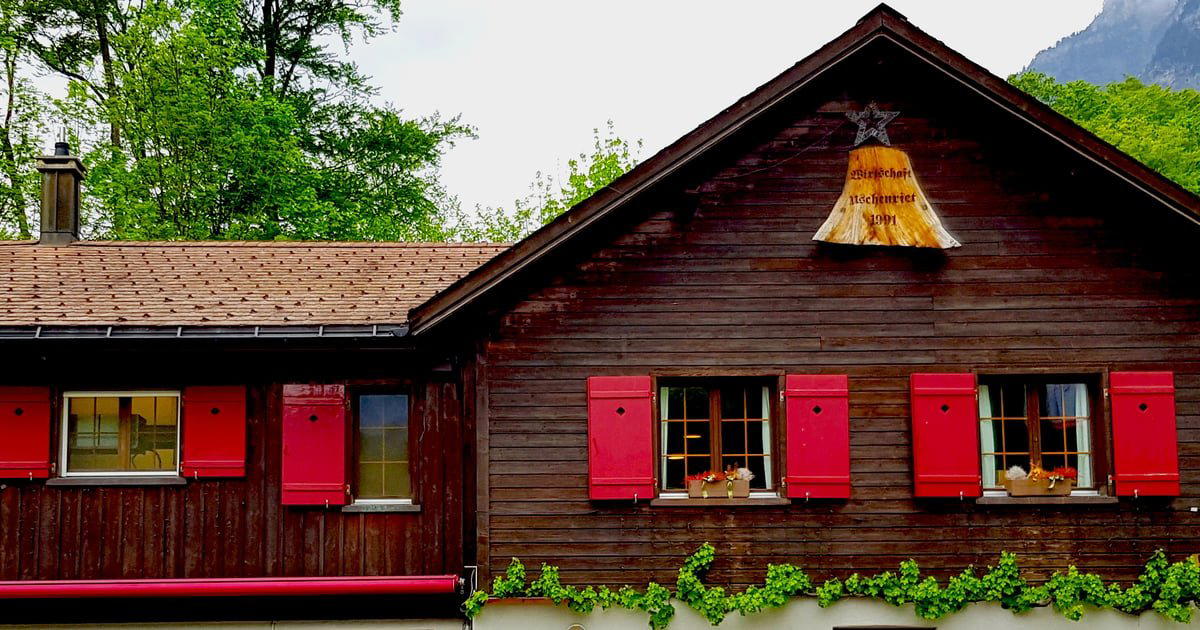
Where the Glarus Valley Eats Outside
The Waldwirtschaft, or forest inn, is one of Switzerland's most quietly persistent dining institutions. Unlike the polished hotel restaurants that define the country's fine-dining circuit, places such as Schloss Schauenstein in Fürstenau or Memories in Bad Ragaz, the Waldwirtschaft model is grounded in access, informality, and the direct relationship between a forested landscape and what arrives at the table. These are not restaurants that market their ingredient sourcing; they simply cook from what the land around them produces, because that is how they have always operated.
Waldwirtschaft Uschenriet, on Uschenrietstrasse 16 in Ennenda, belongs to this category. Ennenda is a village in the canton of Glarus, tucked into the Linth valley where the mountains press in on both sides and agriculture remains small-scale and altitude-sensitive. The food culture of Glarus is shaped by that geography: dairy farming on the upper pastures, river fish from the Linth and its tributaries, wild herbs and game from the surrounding forests, and a tradition of drying and preserving that long predates any contemporary interest in fermentation or larder cooking.
The Waldwirtschaft Format in Context
To understand what Waldwirtschaft Uschenriet represents, it helps to understand what the format is. A Waldwirtschaft, literally a forest economy or forest inn, is typically a licensed establishment operating on the edge of, or within, forested land. Historically, these venues served forestry workers and walkers; today, they serve families, hikers, and locals seeking a meal that connects to the surrounding environment without ceremony. The format has survived in German-speaking Switzerland more durably than in comparable European regions, partly because Swiss cantonal culture protects rural land use and partly because the Swiss relationship to outdoor eating remains genuinely embedded in daily life rather than a seasonal trend.
This distinguishes Waldwirtschaft operations from, say, the alpine-themed restaurants that populate ski resort villages or the farm-to-table branding that urban restaurants use to signal premium pricing. The sourcing at a Waldwirtschaft is structural, not narrative: proximity to the forest and the farm shapes the menu because there is no supply chain of the kind that urban restaurants depend on. For anyone exploring our full Ennenda restaurants guide, this context is essential to reading the offer correctly.
Ingredient Sourcing and the Glarus Tradition
The canton of Glarus has its own food identity, and it runs deeper than most visitors from outside German-speaking Switzerland expect. Glarner Schabziger, the hard green herb cheese produced in the canton since the fifteenth century, is among the oldest protected origin cheeses in Switzerland. Glarus was historically a center of textile trade, and that commercial prosperity meant the canton developed a serious food culture alongside its rural base, a combination that produced both artisan dairy traditions and a broader appetite for quality in everyday eating.
In this context, a forest inn in Ennenda operates within a region that already understands provenance without needing to explain it. The Linth valley's dairy output, the game from the surrounding hunting grounds, and seasonal produce from the cantonal smallholdings all feed into a local food economy that the Waldwirtschaft format taps directly. This is a different kind of ingredient story from what you find at the technically ambitious Swiss restaurants further west, at focus ATELIER in Vitznau or IGNIV Zürich by Andreas Caminada, sourcing is part of a composed tasting narrative. Here, it is simply the operational logic.
Where It Sits Among Switzerland's Eating Options
Switzerland's restaurant scene has a visible split between high-investment fine dining and the cantonal everyday. The fine-dining tier is well documented: Hotel de Ville Crissier in Crissier, Cheval Blanc by Peter Knogl in Basel, and La Table du Lausanne Palace in Lausanne represent a formal, internationally recognized tier of cooking. Further east, Einstein Gourmet in Sankt Gallen and Magdalena in Schwyz anchor the German-speaking east's more restrained but technically serious end. And in the resort tier, 7132 Silver in Vals and Da Vittorio in St. Moritz serve a different international appetite entirely.
The Waldwirtschaft operates below all of these tiers in price and ambition, but not in relevance. For a reader who has worked through the Michelin-starred circuit, also having compared notes with international reference points like Le Bernardin or Atomix in New York, a forest inn in the Glarus valley offers a different kind of intelligence about how a country actually eats. The same logic applies to exploring Colonnade in Lucerne or L'Atelier Robuchon in Geneva versus their respective city's neighbourhood dining. The contrast is instructive.
Venues like La Brezza in Ascona and Maison Wenger in Le Noirmont serve as useful comparators from a geographic standpoint: both sit in regions where landscape shapes the dining offer, but both operate at a price and formality level removed from the Waldwirtschaft tradition.
Planning a Visit
Ennenda is accessible from Glarus town, which connects to Zürich by train in roughly an hour. The village itself is compact, and Uschenrietstrasse sits within easy reach of the valley floor. For visitors combining the Glarus region with broader eastern Switzerland itineraries, Ennenda makes sense as a lunch stop or an afternoon detour rather than a standalone destination. Waldwirtschaft Uschenriet is recommended for reservations. Hours are Wednesday and Thursday 11 AM to 6 PM, Friday 11 AM to 4 PM, Saturday 11 AM to 6 PM, and Sunday 10 AM to 6 PM; it is closed Monday and Tuesday.
The Waldwirtschaft format generally operates more freely than reservation-only fine dining, though forest inns can close for private events or weather-related reasons. Visiting during the warmer months, when outdoor seating is typically available, gives the format its fullest expression.
At-a-Glance Comparison
Comparable venues nearby, for context on price, style, and recognition.
| Venue | Cuisine | Price | Notes |
|---|---|---|---|
| Waldwirtschaft UschenrietThis venue — the venue you are viewing | Traditional Swiss Regional | $$ | Not listed |
| Rebe | Swiss Cordon Bleu Specialty | $$ | Neftenbach |
| Mühle Wildbach | Modern Regional Swiss | $$ | Rorbas |
| Huebis Foodtruck | Sweet Street Food - Crêpes, Bubble Waffles & Frozen Yogurt | $$ | Dottikon |
| Primitivo | Casual Riverside Cafe | $$ | Unterstrass |
| Sarajevska Ćevabdžinica | Authentic Bosnian | $$ | Albisrieden |
Continue exploring
More in Ennenda
Restaurants in Ennenda
Browse all →
At a Glance
- Cozy
- Rustic
- Scenic
- Family
- Celebration
- Casual Hangout
- Garden
- Local Sourcing
- Mountain
Current opening hours
- Monday
- Closed
- Tuesday
- Closed
- Wednesday
- 11 AM–6 PM
- Thursday
- 11 AM–6 PM
- Friday
- 11 AM–4 PM
- Saturday
- 11 AM–6 PM
- Sunday
- 10 AM–6 PM
Hours can change for holidays and private events. Last verified .
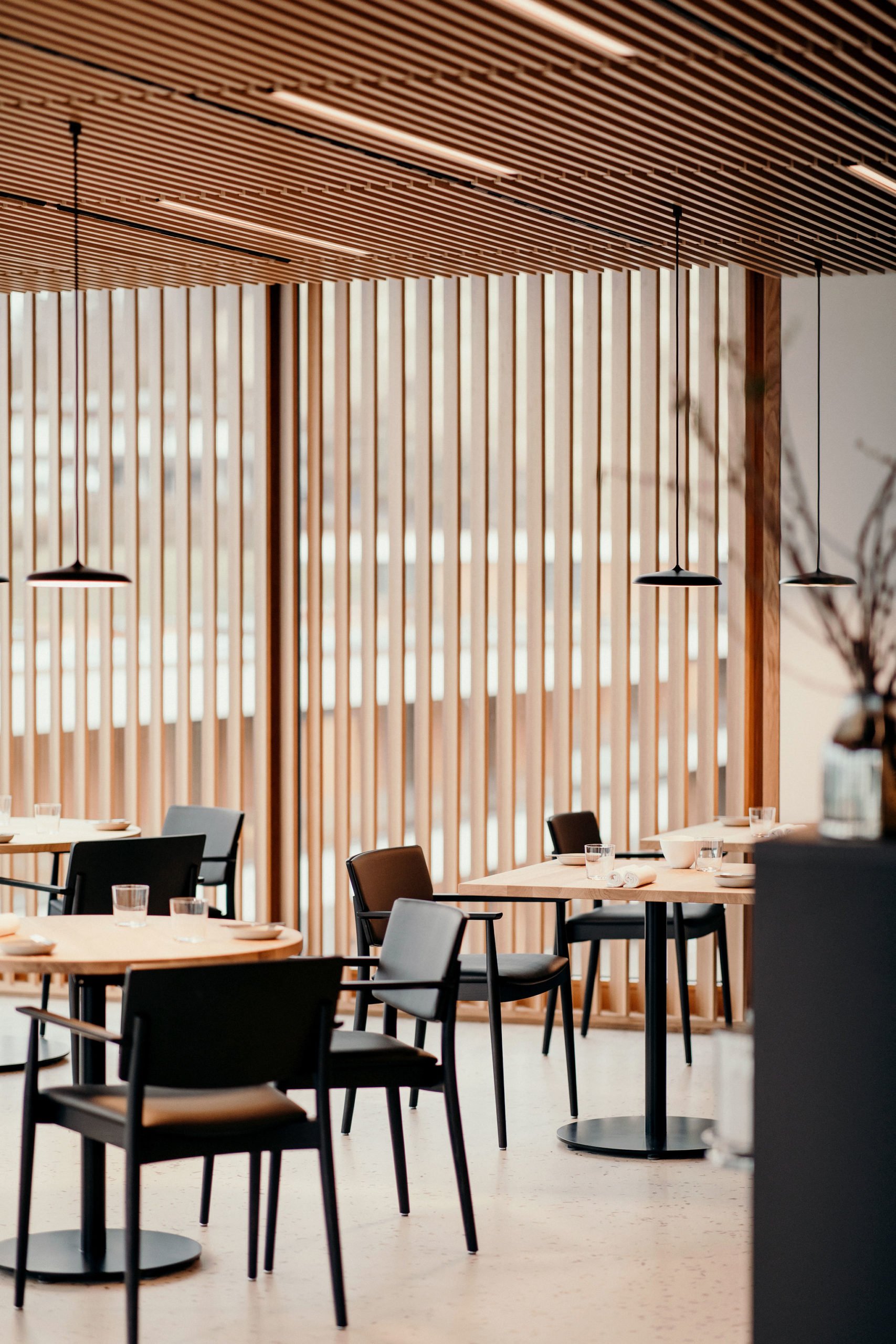
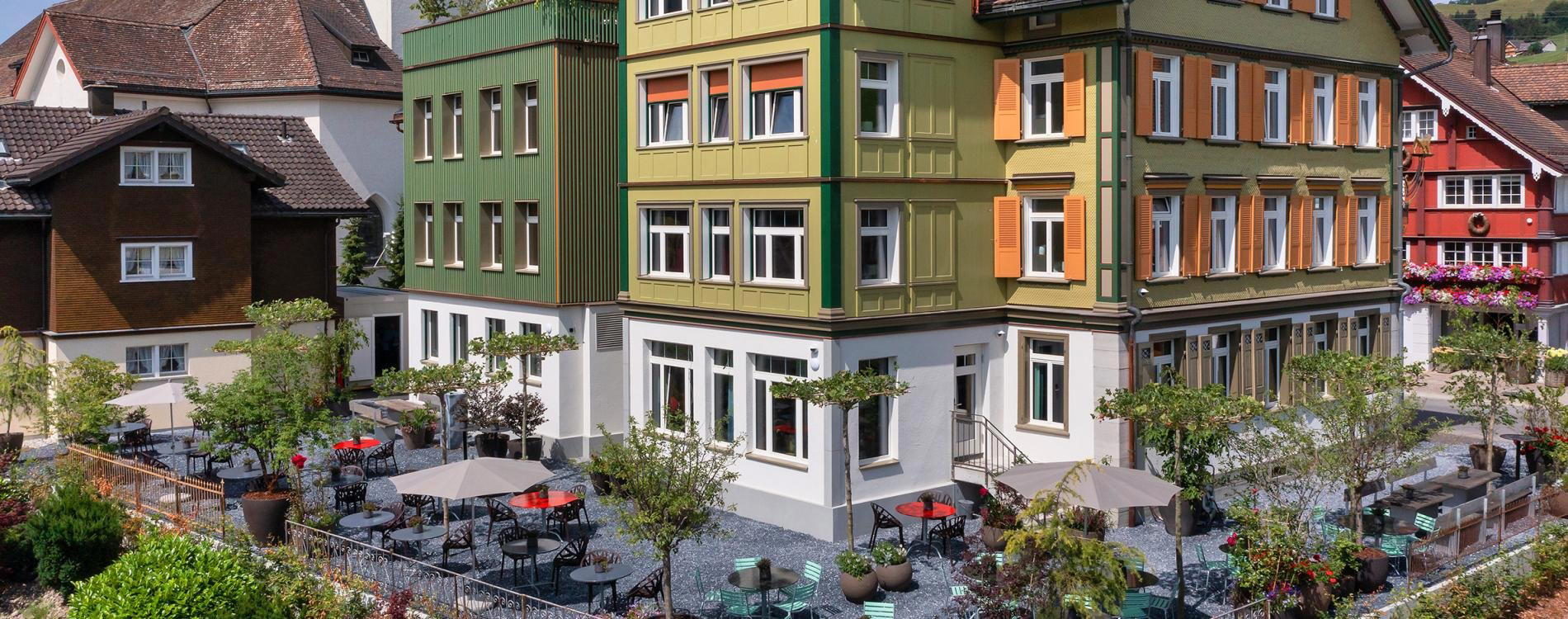
Cozy and familiar atmosphere in a dramatic woodland setting with idyllic garden seating.