Gasthaus Traube

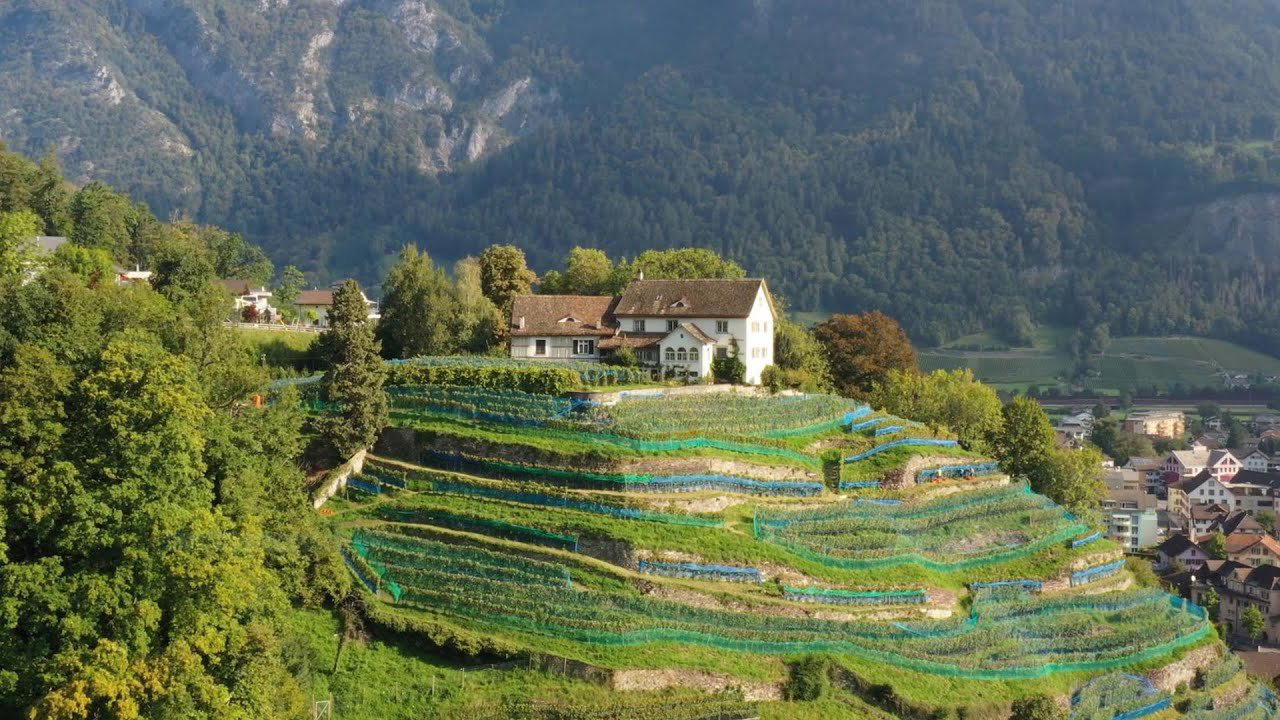
A 200-year-old gasthaus in the St. Gallen Rhine Valley, Gasthaus Traube pairs a heritage restaurant with 14 boutique rooms and a garden connecting the two. It occupies a quieter tier of Swiss hospitality than the flagship lake and alpine resorts, functioning as a working countryside inn where the building's age is the primary design statement.
Pearl is the En Primeur Club membership app — saves, bookings, and concierge access live there. Same editors, same standards.
- Address
- St. Gallerstrasse 7, Buchs 9470, Switzerland
- Website
- marriott.com
- Directions
- Get directions
 Saves & bookings on Pearl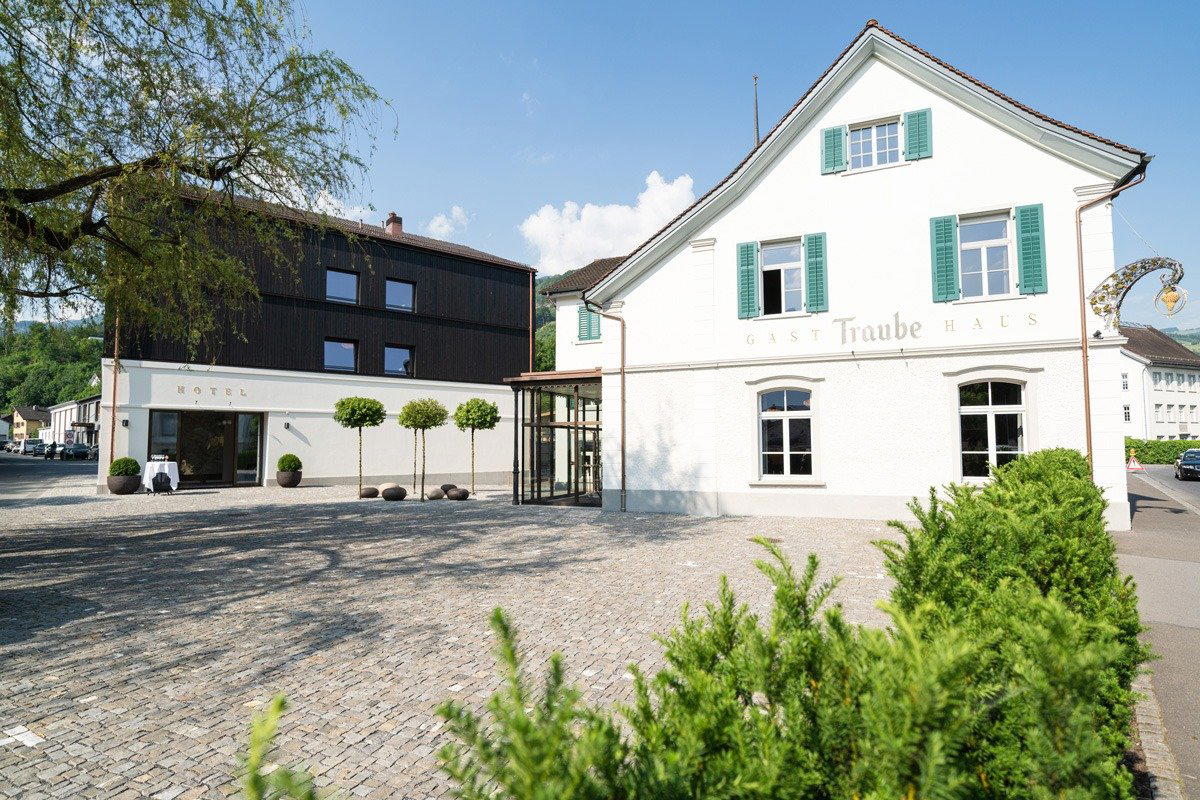
Stone, Timber, and Two Centuries of Use
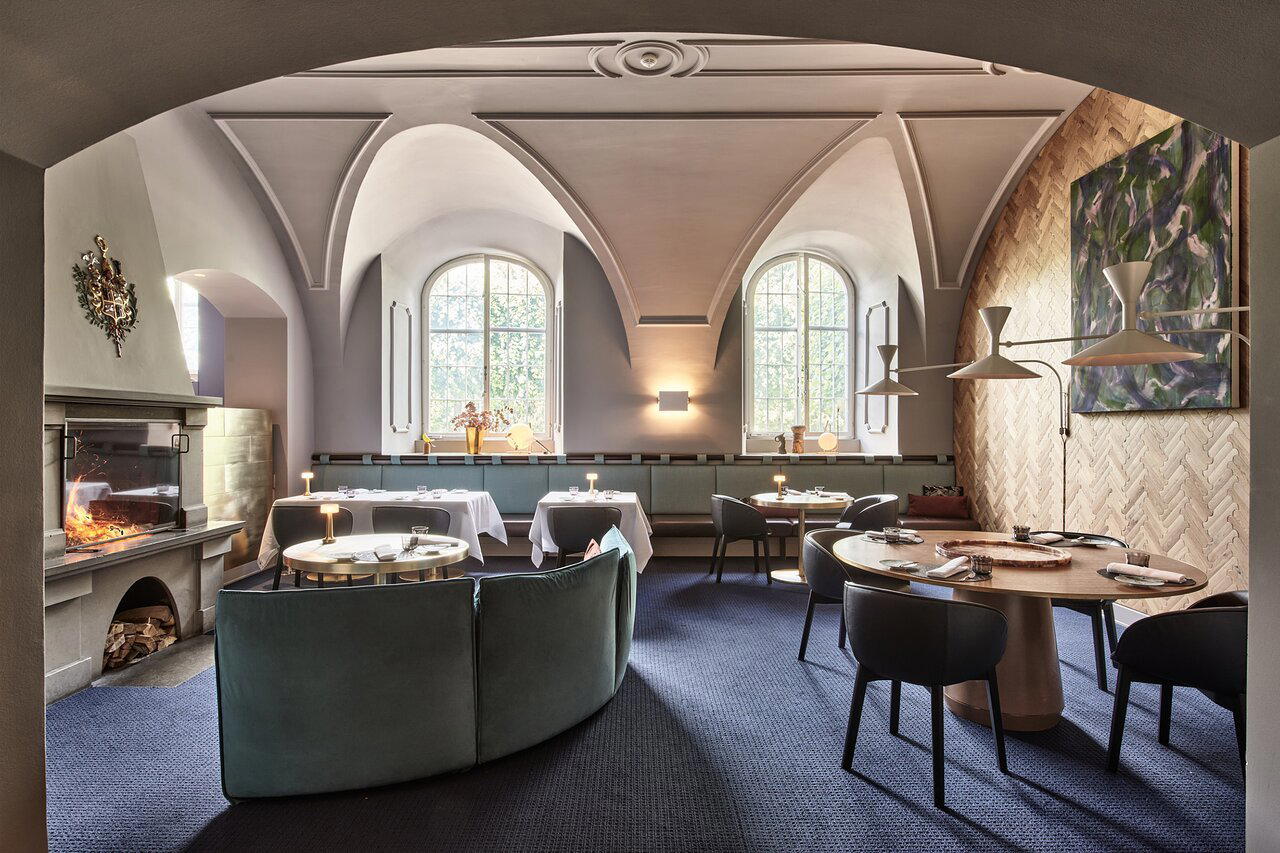
The Rhine Valley corridor between Buchs and the Liechtenstein border has never competed for the same attention as the Swiss alpine resorts or the lakeside palace hotels of Geneva and Lausanne. That absence of competition has preserved something worth noting: a category of Swiss inn where the building itself carries the design argument, not an interior architect or a branding consultancy. Gasthaus Traube at St. Gallerstrasse 7 in Buchs belongs to that category. The structure is approximately 200 years old, and two centuries of continuous hospitality use have left their marks in ways that a renovation-led property cannot replicate.
Across Switzerland's boutique accommodation tier, the question of what constitutes a credible design identity has split broadly into two camps. Properties like 7132 Hotel in Vals commission architects of international standing to define the guest experience through fabricated space. Others, including Boutique Hotel Restaurant Krone Regensberg, operate from inherited structures where the premise is authenticity of place rather than authored design. Gasthaus Traube sits firmly in the second camp, where the argument rests on what the walls have absorbed over time rather than what has been applied to them.
The Architecture of an Inn That Has Stayed Open
Inns of this age in the German-speaking Swiss cantons tend to share a spatial logic: a ground-floor restaurant with low-beamed ceilings, thick masonry walls that hold temperature through winter, and an upper floor of sleeping rooms arranged with functional compactness. The garden, in this case framed as a connector between the restaurant and the accommodation wing, adds a seasonal dimension that enclosed Alpine properties cannot match. In summer, a well-maintained inn garden in the Rhine Valley functions as a middle space between the formality of a dining room and the privacy of a room, a transition zone that changes how guests move through the property and how long they stay in it.
The 14-room count places Gasthaus Traube in a scale bracket where anonymity is impractical. At that room count, the staff-to-guest ratio tends toward the personal, and the sense of the inn as a single inhabited space rather than a collection of separate transactions becomes possible. This is a structural feature of small inns, not a curated hospitality concept, and it rewards guests who understand the difference. Properties like CERVO Mountain Resort in Zermatt or The Capra in Saas-Fee have built premium positioning around limited keys and a sense of personal scale, but they have done so with the backing of resort-level infrastructure. Gasthaus Traube achieves a related intimacy through age and continued use rather than deliberate positioning.
Restaurant as the Anchor
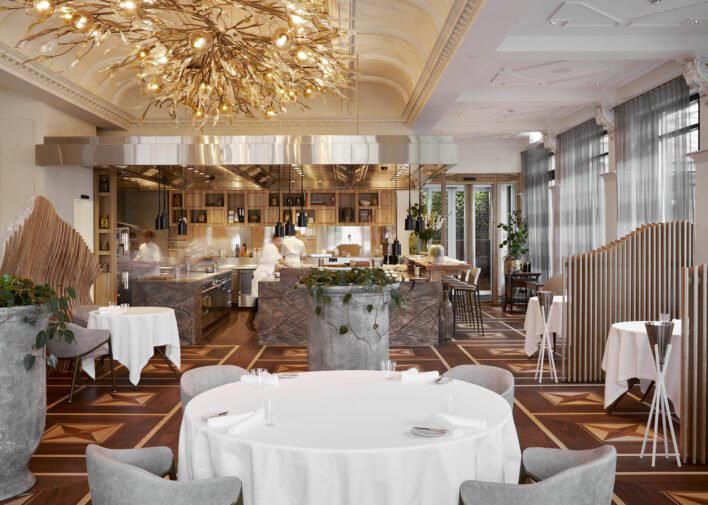
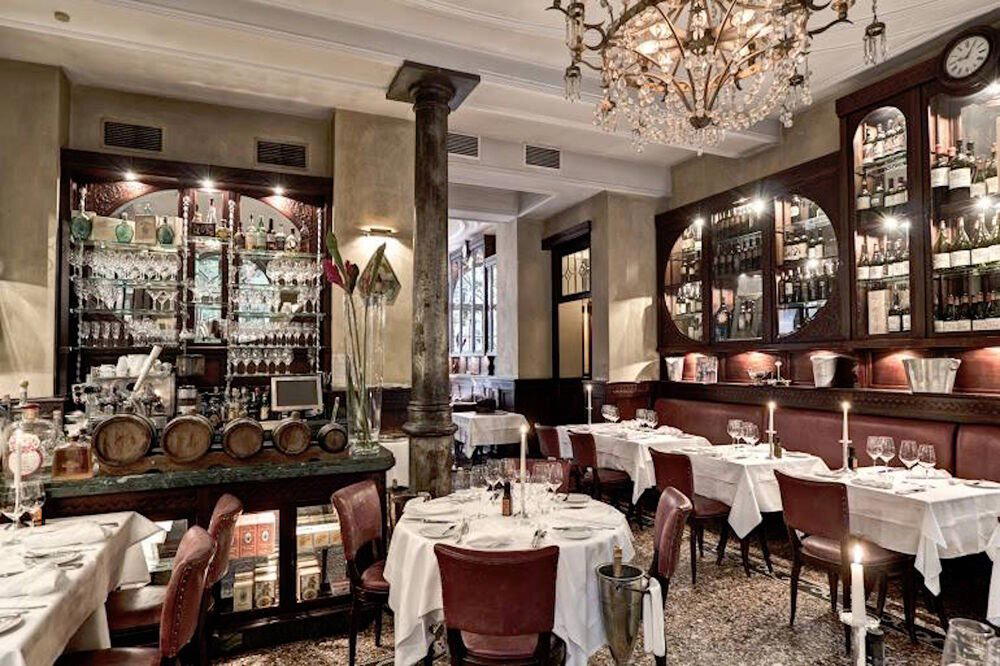
In Swiss gasthaus tradition, the restaurant is not ancillary to the accommodation; it is the reason the building exists. The inn grew around the kitchen, and guests stayed because they were already eating. That sequencing shapes how these properties feel in use, in contrast to the modern boutique hotel model where the restaurant is often an amenity added to justify a room rate. At the hotel, the 200-year operating record of the restaurant suggests a continuity of local function: the dining room has served the town as much as it has served travellers passing through the Rhine Valley.
That dual function, serving both a regular local clientele and overnight guests, is characteristic of viable rural gasthouses across the St. Gallen canton and differentiates them from destination restaurants that exist solely for visitors. It also tends to keep cooking more grounded in regional supply and seasonal rhythm than a kitchen cooking exclusively for tourists. For context on what premium Swiss restaurant-hotel pairings look like at the higher end of the price range, the Grand Resort Bad Ragaz, roughly 15 kilometres south along the Rhine Valley, offers a useful reference point on how the same geographic corridor can accommodate radically different scales of hospitality ambition.
Planning a Stay: What the Property Requires of the Guest
Buchs sits on the main rail line connecting Zurich to the east, with direct services reaching the town from Zurich Hauptbahnhof in under an hour and a half, which makes the inn accessible without a car for guests approaching from the city. The property's address on St. Gallerstrasse places it within the town centre, close enough to the station to arrive on foot with luggage. There is no indication of a concierge infrastructure of the kind available at larger Swiss properties such as Baur au Lac in Zurich or Beau-Rivage Geneva, which means the guest manages their own programme beyond the property. That is less a limitation than a description of the format: a working inn in a market town rewards guests who are content to let the building and its immediate surroundings define the pace of the stay.
For those combining the visit with broader Swiss itineraries, the proximity to the Liechtenstein border and the alpine approaches toward Graubünden makes Buchs a functional staging point rather than a destination requiring justification on its own terms. Guests coming from or heading toward the Graubünden resorts, where properties like Grand Hotel Kronenhof in Pontresina or Badrutt's Palace Hotel in St. Moritz anchor the premium accommodation tier, will find the hotel a more grounded alternative to the resort circuit. For our full assessment of where the hotel sits within the Buchs eating and staying scene, see our full Buchs restaurants guide.
How Gasthaus Traube Buchs compares with similar nearby venues.
| Venue | Awards |
|---|---|
| Gasthaus Traube | 2026 Design Hotels Member - Gasthaus Traube |
Recognition history
Dated appearances from independent guides and award organizations, with the underlying list record or original source where available.
Design Hotels Member
Design Hotels
Continue exploring
More in Buchs
Hotels in Buchs
Browse all →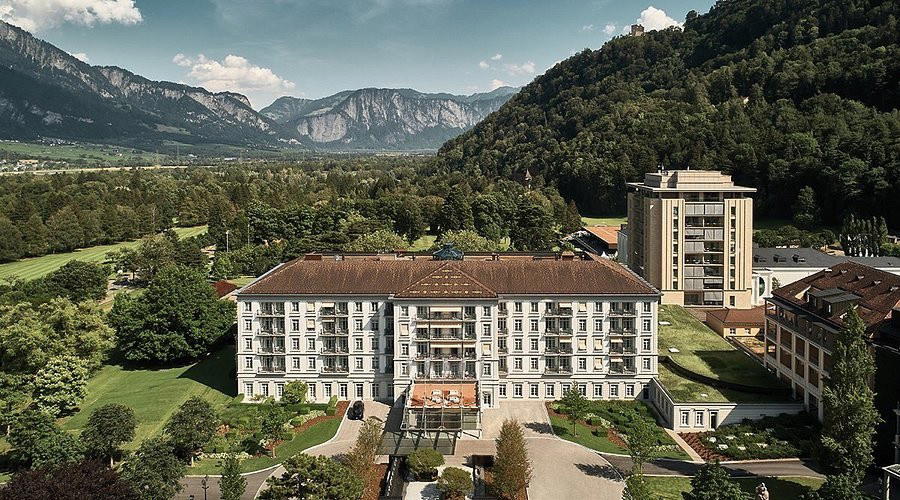
Bars in Buchs
Browse all →
Restaurants in Buchs
Browse all →


At a Glance
- Quiet
- Cozy
- Elegant
- Rustic
- Scenic
- Romantic Getaway
- Weekend Escape
- Business Trip
- Garden
- Terrace
- Historic Building
- Panoramic View
- Wi Fi
- Room Service
- Restaurant
- EV Charging
- Laundry Service
- Mountain
- Garden
- Wi Fi
- Room Service
- Restaurant
- EV Charging
- Laundry Service
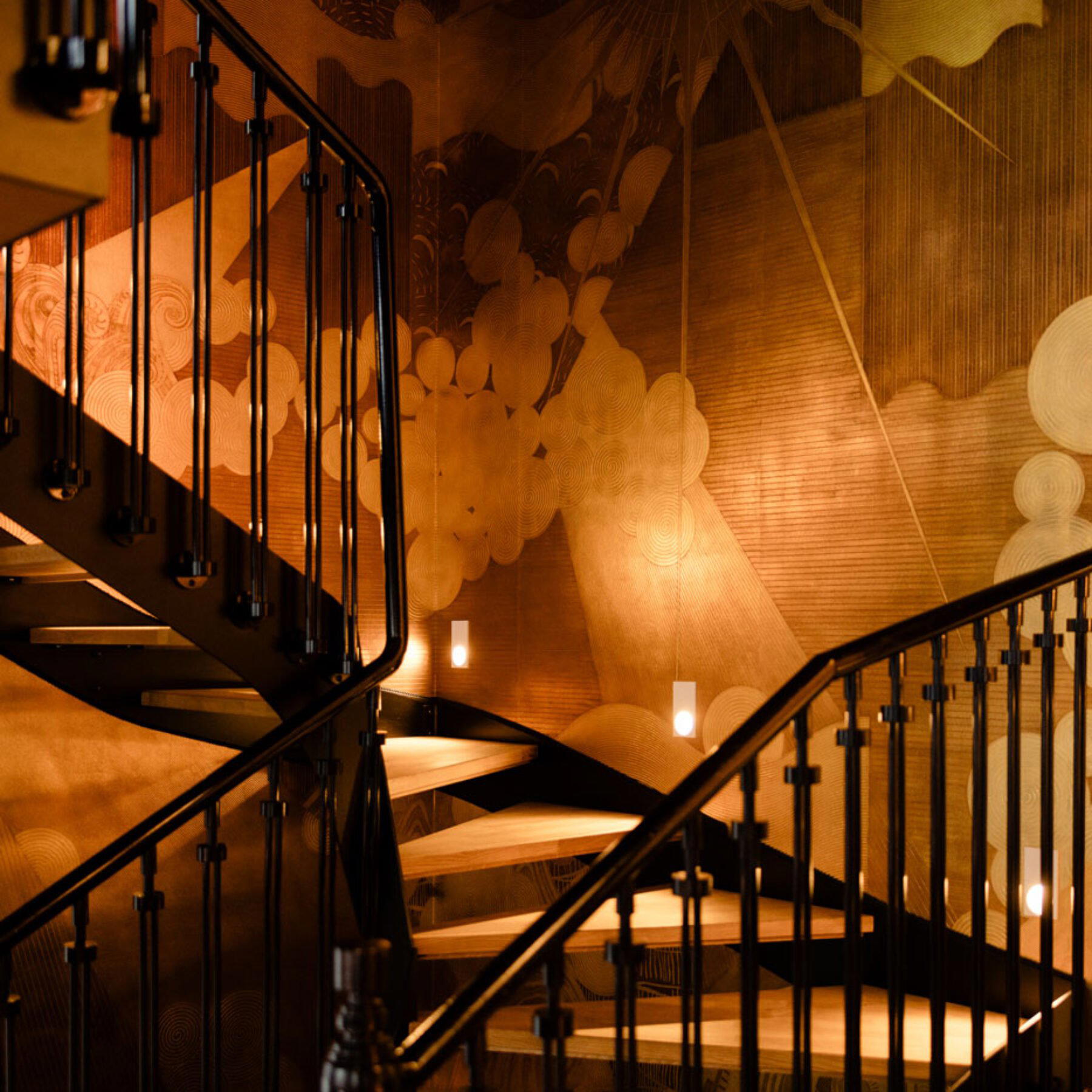
Serene and tranquil with understated elegance, featuring soft lighting in minimalist rooms, historic halls with patina, and a peaceful garden oasis surrounded by mountains.