Rocksresort


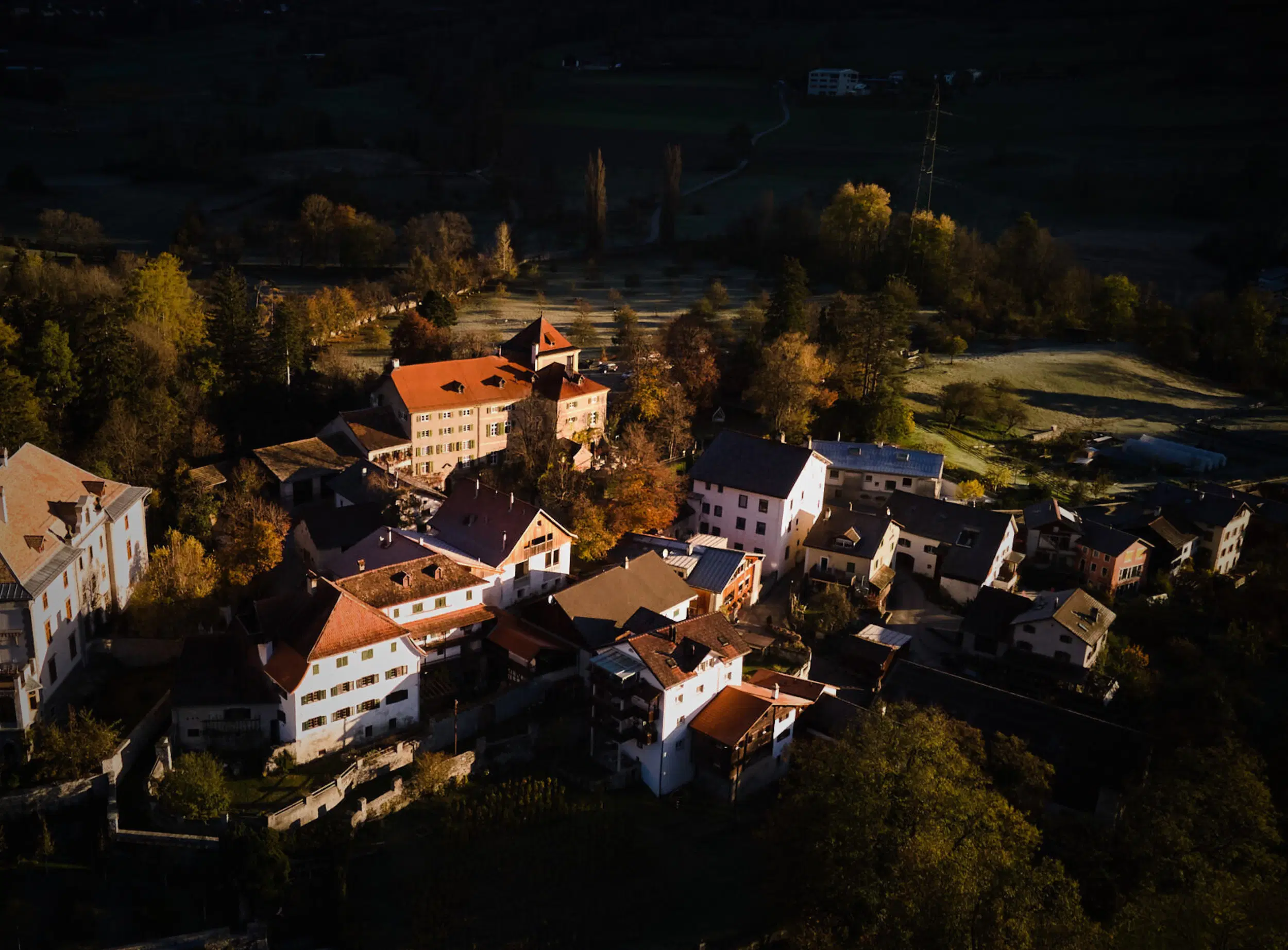
Rocksresort in Laax occupies a different tier from Switzerland's grand palace hotels, built from 40-million-year-old stone into a cubist structure that has been recognised as the sustainable ski resort in the world. The design is architecture-first rather than luxury-signalling, and the property sits in the Graubünden Alps at the base of one of Europe's most technically varied ski areas. For travellers who prioritise ecological seriousness alongside mountain access, it operates in a category of its own.
Pearl is the En Primeur Club membership app — saves, bookings, and concierge access live there. Same editors, same standards.
- Address
- Talstation, Laax 7032, Switzerland
- Phone
- 41 81 927 97 97
- Directions
- Get directions
 Saves & bookings on Pearl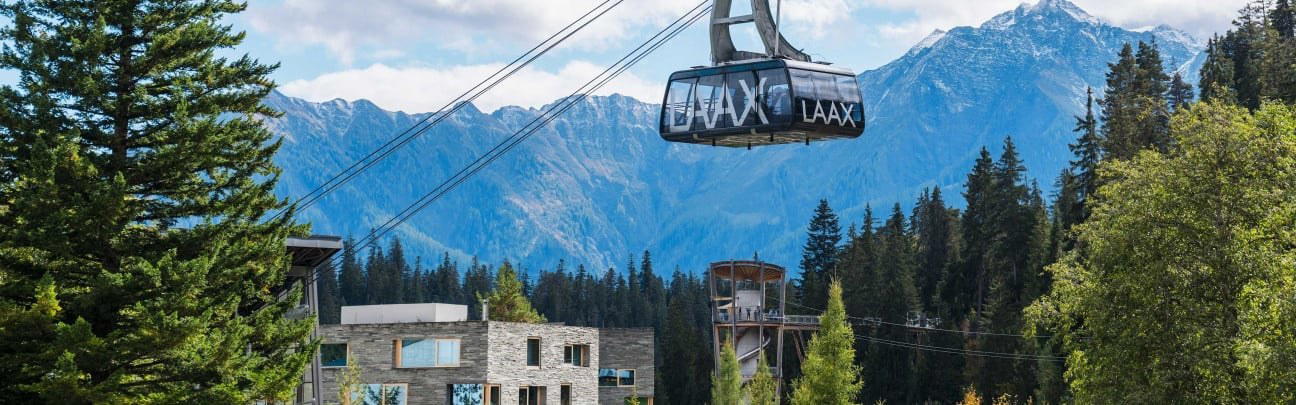
Stone, Geometry, and the Architecture of Restraint
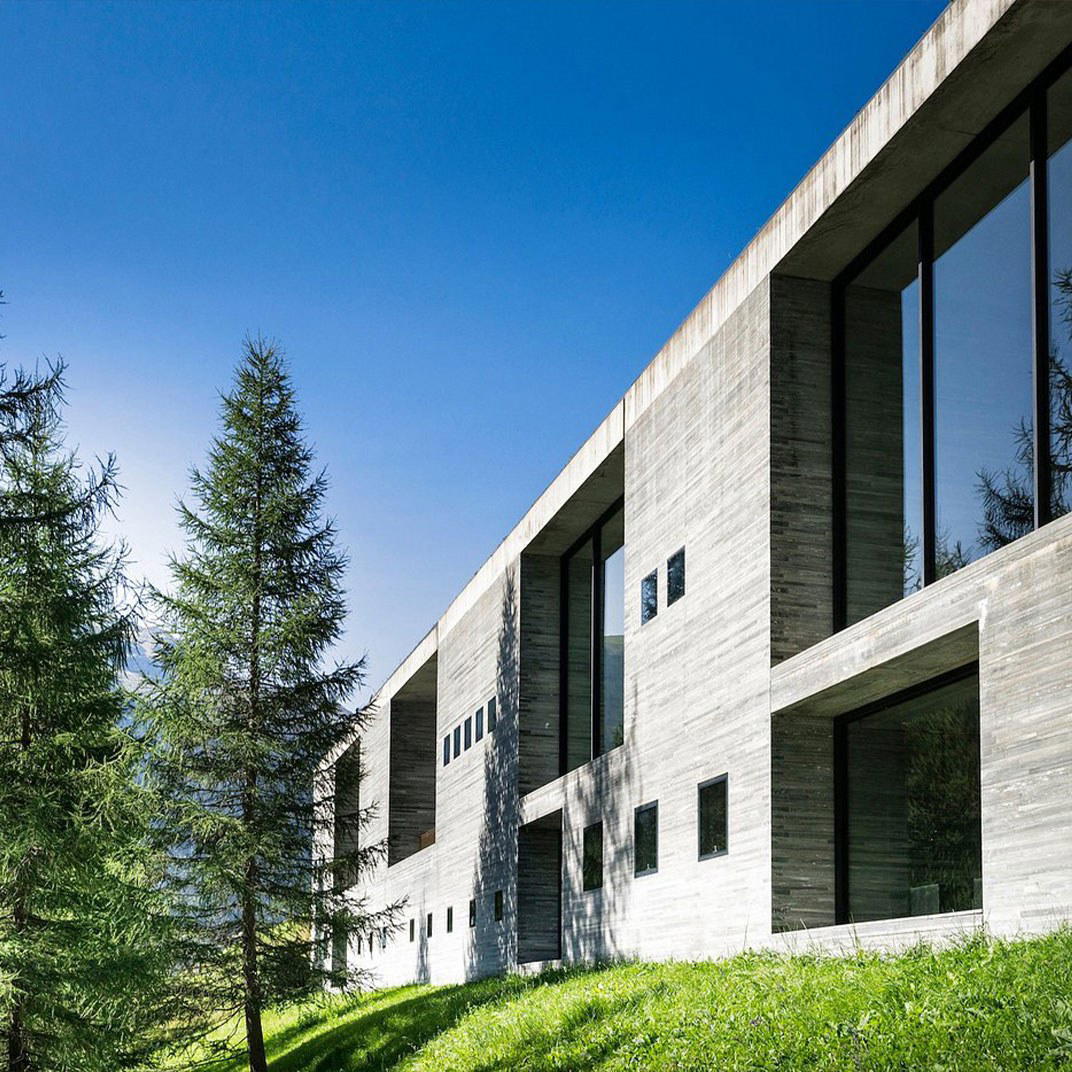
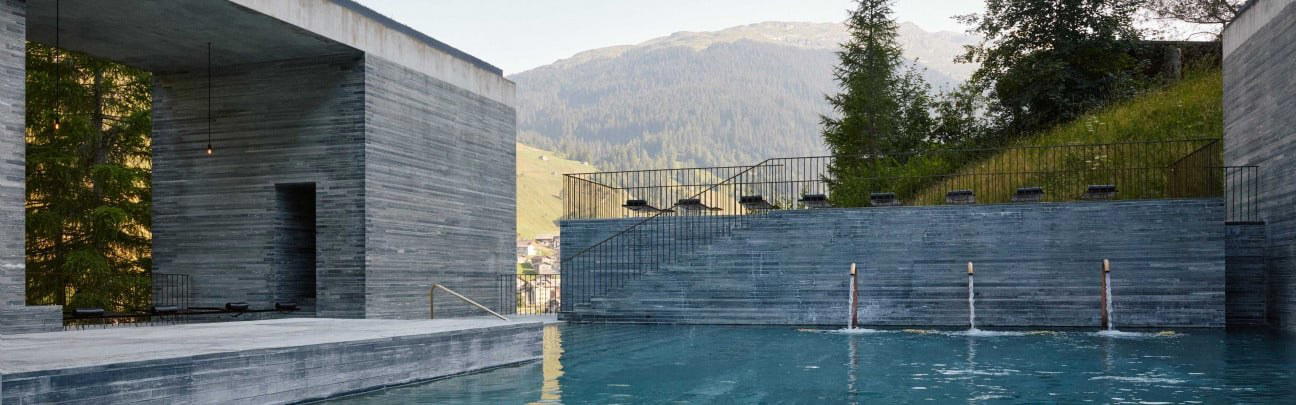
The Swiss Alps have long hosted two competing hospitality philosophies: the grand palace tradition, with its gilded lobbies and white-glove service, and a quieter counter-movement that treats the mountain itself as the primary design material. Rocksresort is a 4-star hotel in Laax at Talstation, Laax 7032, Switzerland, and it belongs firmly to the second school. The approach to the building is the first instruction. Forty-million-year-old stone, quarried and shaped into angular cubist volumes, makes the structure feel less constructed than uncovered, as though the resort was always embedded in the rock face and someone simply revealed it.
That geological timeline is not incidental branding. It frames a design proposition that runs through every decision the property makes: that material authenticity, used without apology, produces something more compelling than imported marble or reproduced period detail. In an Alpine context where heritage architecture at places like Badrutt's Palace Hotel in St. Moritz or The Alpina Gstaad signals prestige through accumulated history, Rocksresort does something formally different: it signals prestige through geological age. The stone predates the hotel industry by roughly forty million years, and the design keeps that fact legible.
What Sustainability Looks Like at This Scale
The recognition of Rocksresort as a sustainability leader reshapes how the property sits in its competitive set. Ski resorts, as a category, carry significant environmental costs: energy for lifts, snowmaking infrastructure, and the logistical weight of feeding and housing guests at altitude. A property that holds the lead position on sustainability metrics within that category is not making a marginal improvement, it is operating under a fundamentally different operational logic.
What that means practically, for the architecture, is that the cubist stone structure is not aesthetic theatre. The use of ancient local stone reduces embodied carbon relative to imported materials; the building's geometry and massing relate to passive energy principles rather than decorative whim. This places Rocksresort in a different conversation from design-led Alpine properties whose environmental commitments are primarily descriptive. Among Swiss mountain properties, that puts it in a distinct peer group: closer in spirit to the material seriousness of 7132 Hotel in Vals, where Peter Zumthor's thermal bath architecture similarly treats local stone as the primary design language, than to the palace tradition represented by Grand Hotel Kronenhof in Pontresina or Grand Resort Bad Ragaz.
Laax as a Base: The Mountain Context
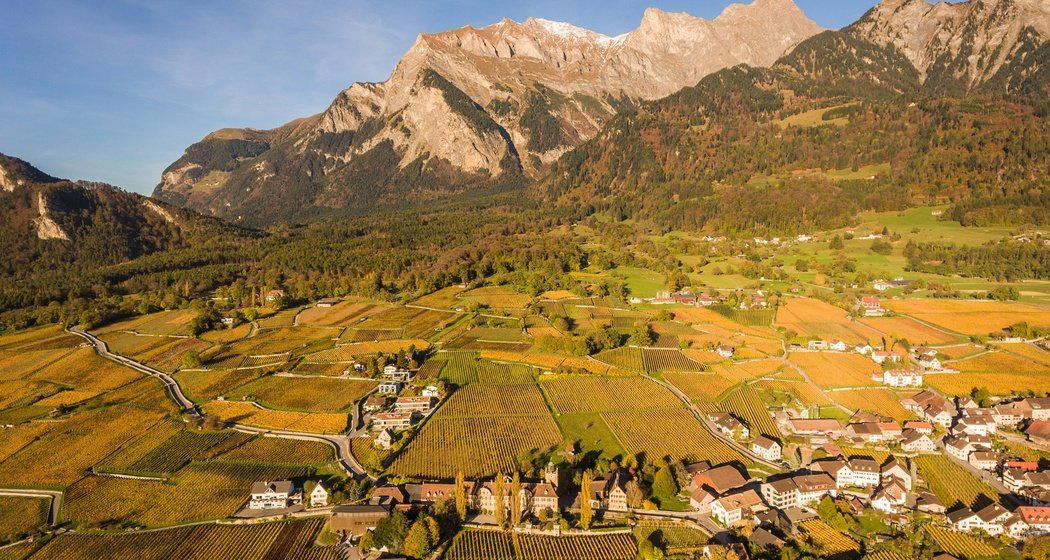
The location at the Laax base station is a logistical fact that also carries editorial weight. The Laax-Flims-Falera ski area is among the more technically varied in the Graubünden canton, with terrain that draws freeskiers and snowboarders alongside traditional Alpine skiers. The resort has built a reputation for progressive mountain culture that sits at some distance from the more establishment character of St. Moritz or Verbier. Staying at the base station rather than in a village centre means that ski-in access is not a marketing claim but a spatial reality: the lifts are immediately adjacent.
For context, travellers who want a comparison point closer to Geneva should look at Beau-Rivage Geneva or Baur au Lac in Zurich for the palace-hotel tradition that Rocksresort deliberately steps away from. The Laax property is making a different argument about what a premium Alpine stay should involve, and that argument is partly spatial: position yourself at the mountain rather than in the village.
Graubünden's broader accommodation profile includes the CERVO Mountain Resort in Zermatt, which similarly occupies a design-led, sustainability-aware niche within Swiss mountain hospitality, and Valsana Hotel in Arosa, which operates in the apartment-hotel format that Rocksresort also uses. Among smaller-scale Swiss properties with a strong sense of place, Hotel Villa Honegg in Ennetbürgen and Castello del Sole in Ascona represent the lake-country counterpart to what Rocksresort achieves in the mountains.
The Design comparable set: Where Rocksresort Fits
Swiss luxury hospitality has, over the past decade, split more decisively between the palace-hotel category and a smaller cohort of architecturally serious, sustainability-driven properties. The palace tradition, represented at its most formal by Beau-Rivage Palace in Lausanne, Hotel Bellevue Palace Bern, or Hotel Les Trois Rois in Basel, prizes continuity, ornament, and service ritual. The newer design-led cohort, of which Rocksresort is a clear member, prizes material integrity, environmental accountability, and a more direct relationship between the physical structure and its mountain setting.
That split is meaningful for the traveller deciding between them. Rocksresort does not compete with the palace properties on their terms. It offers something structurally different: a building that is genuinely part of its geology, a sustainability position backed by the strongest available credential in its category, and access to a mountain area whose culture skews younger and more technically focused than the traditional prestige resorts. Travellers who want white-glove service theatre should look elsewhere, at Mandarin Oriental Palace in Lucerne or Park Hotel Vitznau, for instance. Travellers for whom the architecture and the environmental position are the primary criteria will find that Rocksresort has few direct competitors in Switzerland.
For those extending a European itinerary that mixes design-led mountain stays with urban or lakeside properties, there are useful reference points across the country covered in our full Laax restaurants and hotels guide. Further afield, Bürgenstock Resort and Villa Principe Leopoldo in Lugano represent the design-conscious Swiss mountain and lake property format at different scales and settings. For travellers combining a Swiss mountain stay with city stops, Boutique Hotel Krone Regensberg and Guarda Golf in Crans-Montana offer further points of comparison across the Swiss property spectrum.
Planning Your Stay
Rocksresort sits at the Laax base station (Talstation, Laax 7032), which means arrival by car or transfer from Chur puts guests directly at the lift infrastructure rather than requiring a shuttle or walk.
Comparable Venues
Comparable venues nearby, for context on price, style, and recognition.
| Venue | Cuisine | Price | Awards | Notes |
|---|---|---|---|---|
| RocksresortThis venue — the venue you are viewing | Sustainable cubist design hotel with modular stone-clad architecture. | $$$$ | 4-Star | Not listed |
| The Home Hotel Zürich | Contemporary urban design hotel inspired by Dada movement and Zurich's creative energy. | $$$$ | 4-Star | Albisgutli |
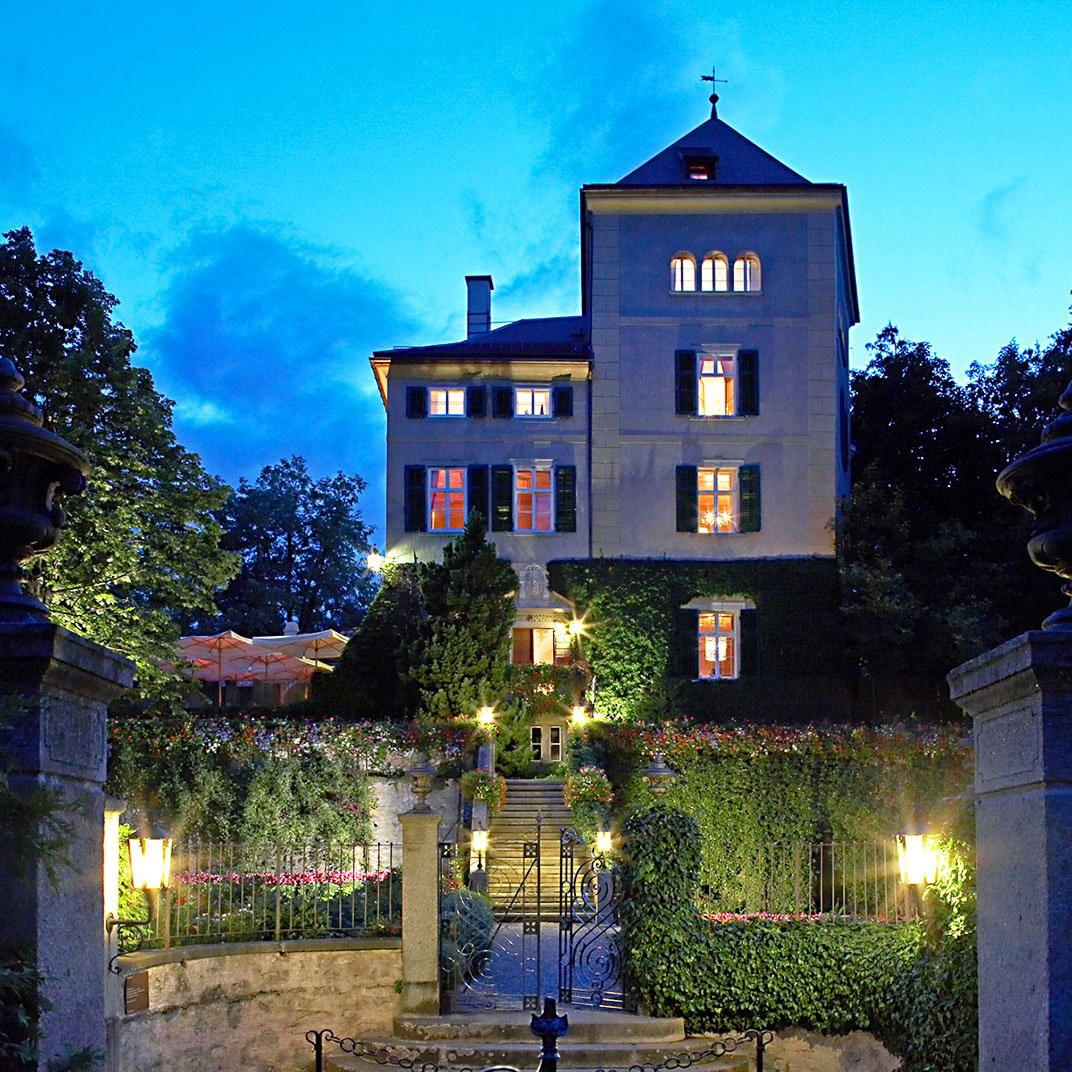
| Schlosshotel Chastè | Charming Engadine farmhouse converted into a boutique resort | $$$$ | 4-Star | Tarasp |
| Bellevue Parkhotel & Spa | Classic modernist architecture blended with modest retro style furnishings in a peaceful garden setting. | $$$$ | 4-Star | Adelboden center |
| THE HOTEL Lucerne, Autograph Collection | Urban design hotel in historic 1907 corner building | $$$$ | 5-Star | Downtown |
| Boutique Hotel Glacier | Contemporary alpine boutique with sustainable design philosophy honoring glacier and mountain heritage | $$$$ | 4-Star | Grindelwald |
Recognition history
Dated appearances from independent guides and award organizations, with the underlying list record or original source where available.
Design Hotels Member
Design Hotels
Mr & Mrs Smith Smith Seal of Approval
Mr & Mrs Smith
Michelin Selected
Michelin


At a Glance
- Modern
- Scenic
- Trendy
- Family Vacation
- Weekend Escape
- Group Retreat
- Panoramic View
- Wi Fi
- Pool
- Spa
- Fitness Center
- Room Service
- Concierge
- Kids Club
- EV Charging
- Mountain
- Garden
- Wi Fi
- Pool
- Spa
- Fitness Center
- Room Service
- Concierge
- Kids Club
- EV Charging
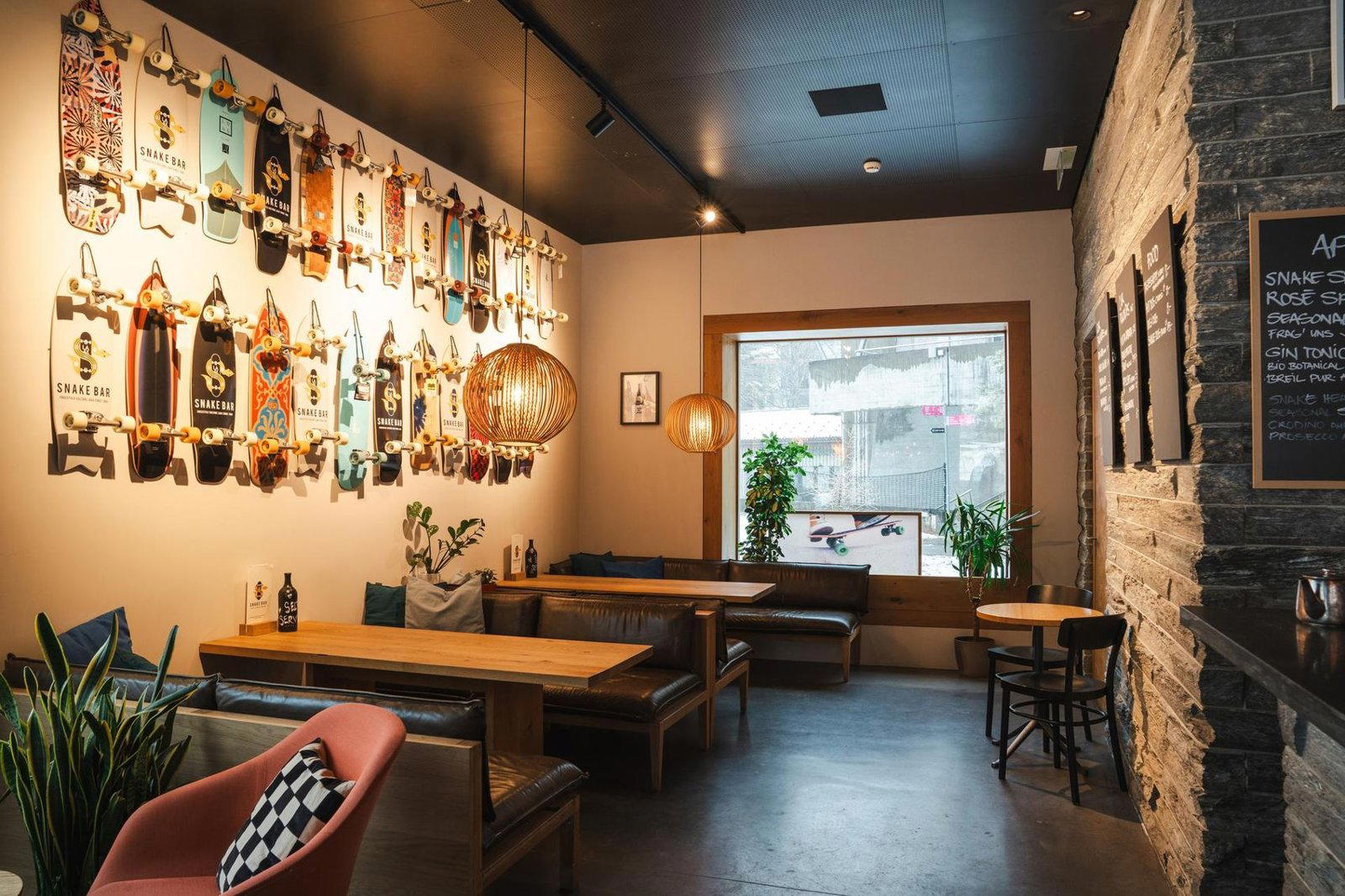
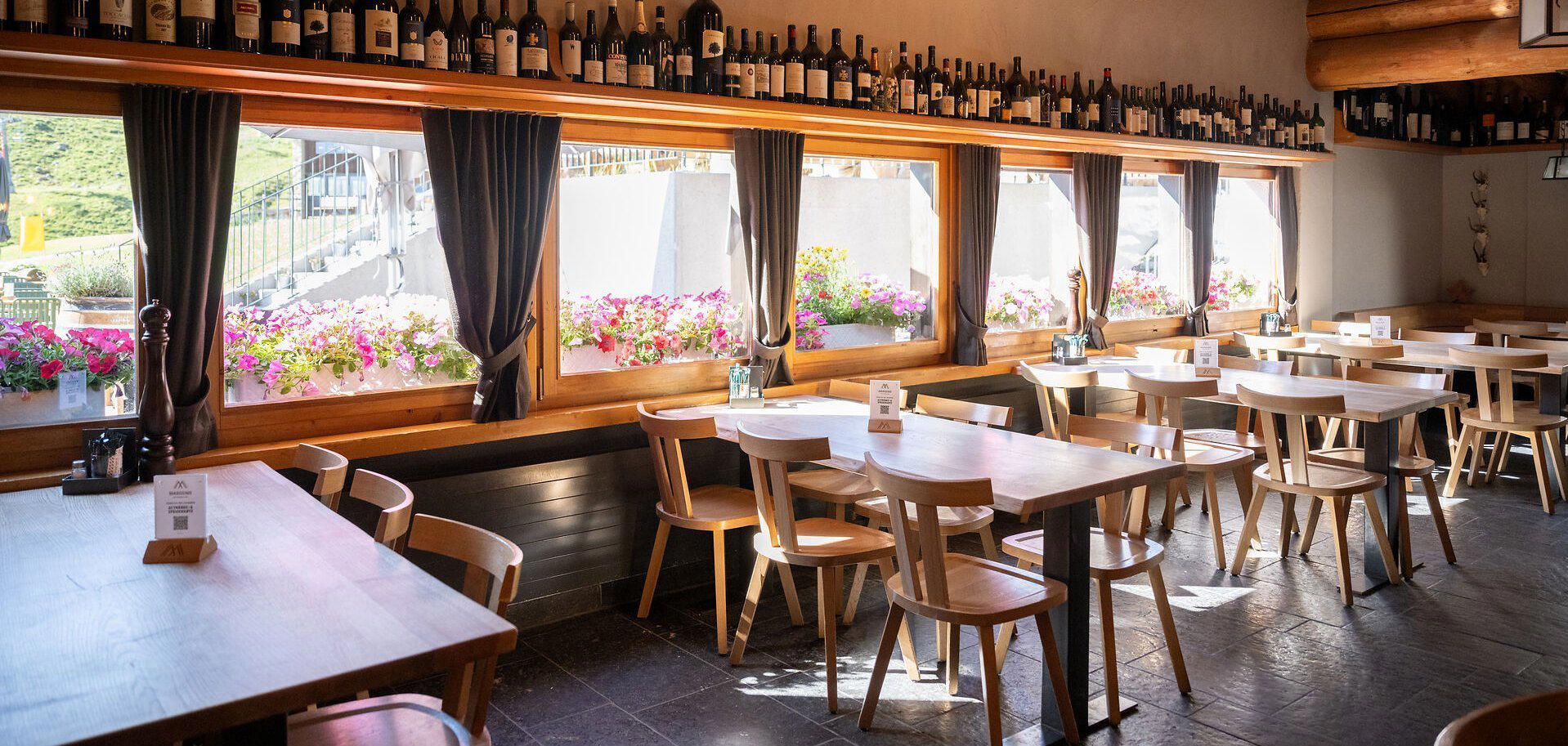
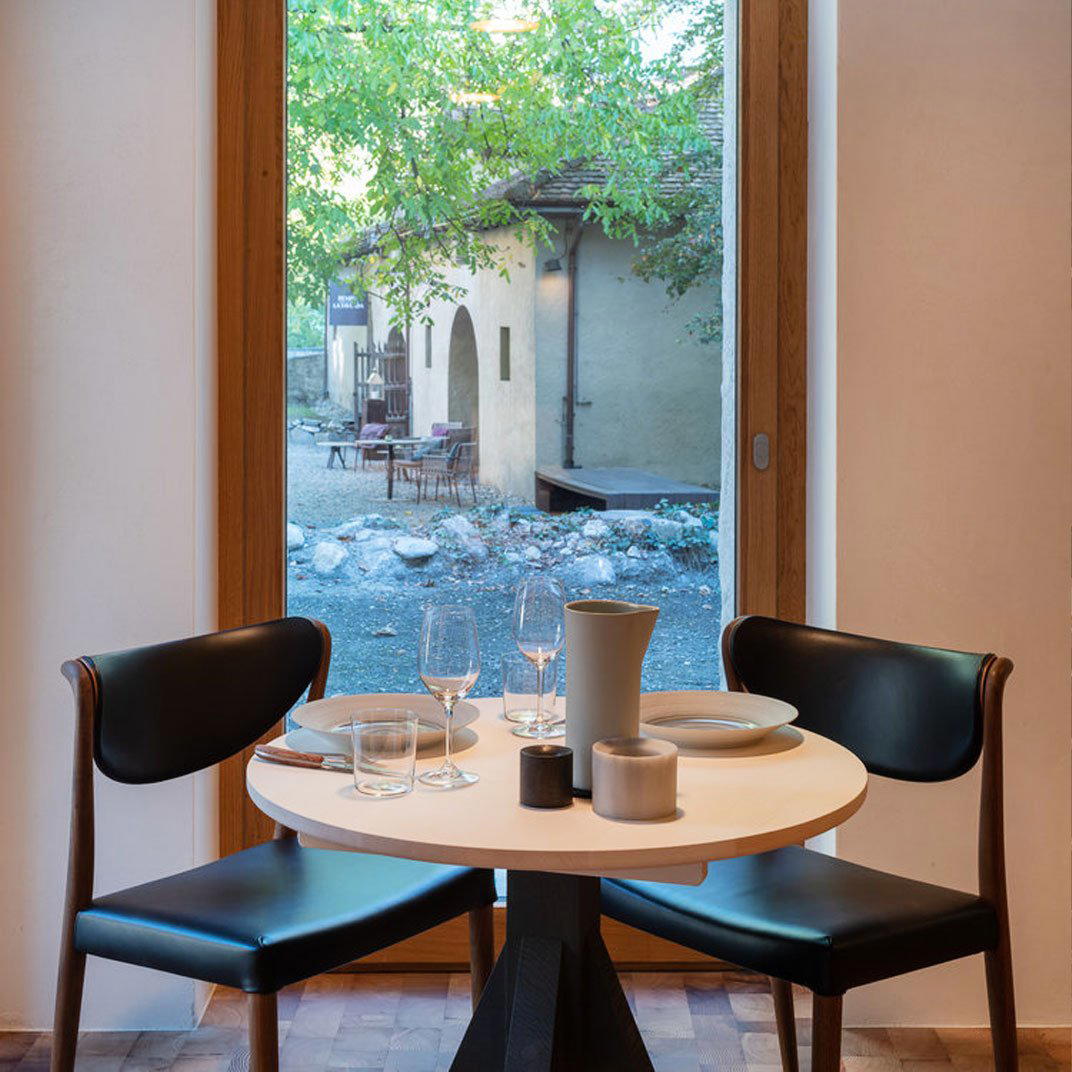
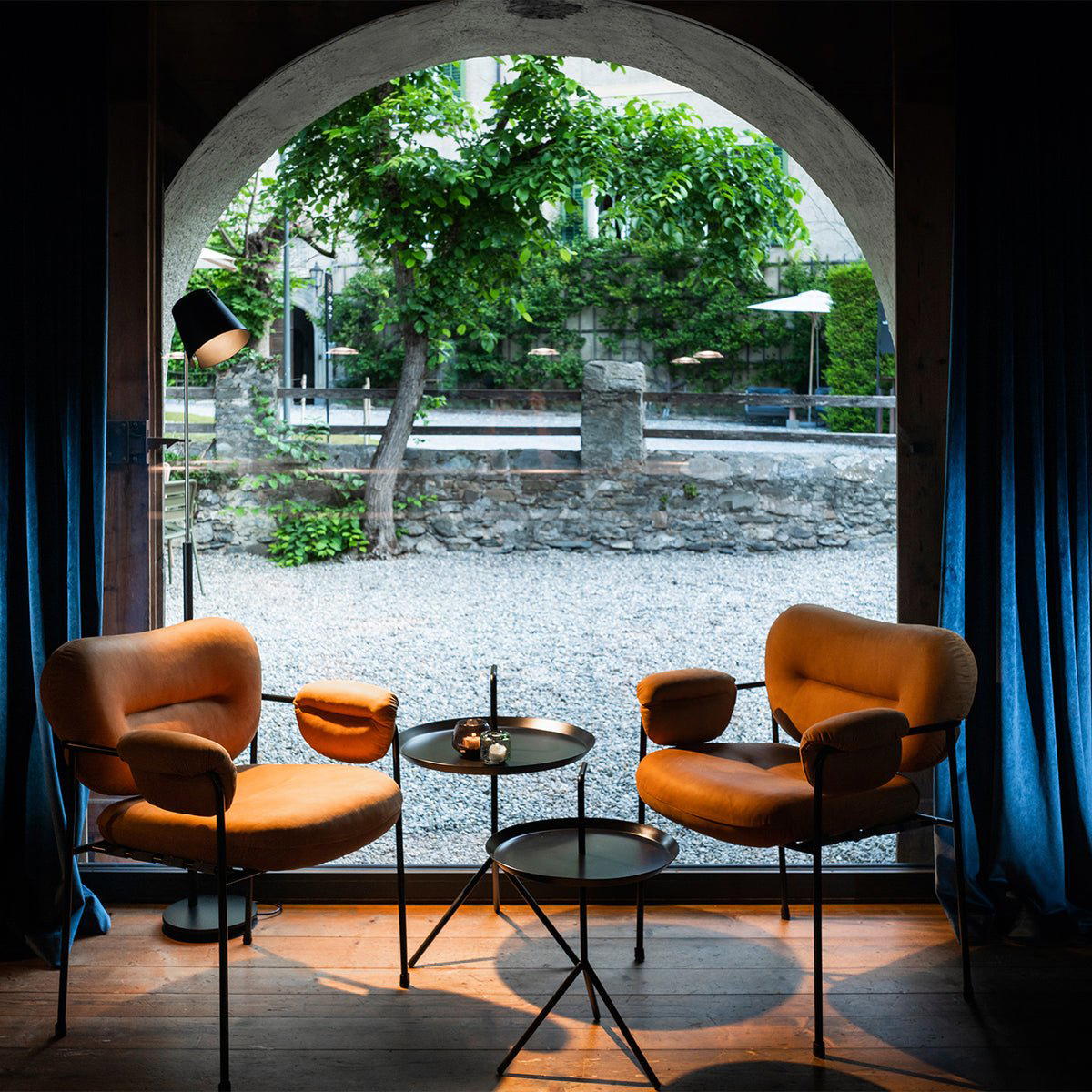
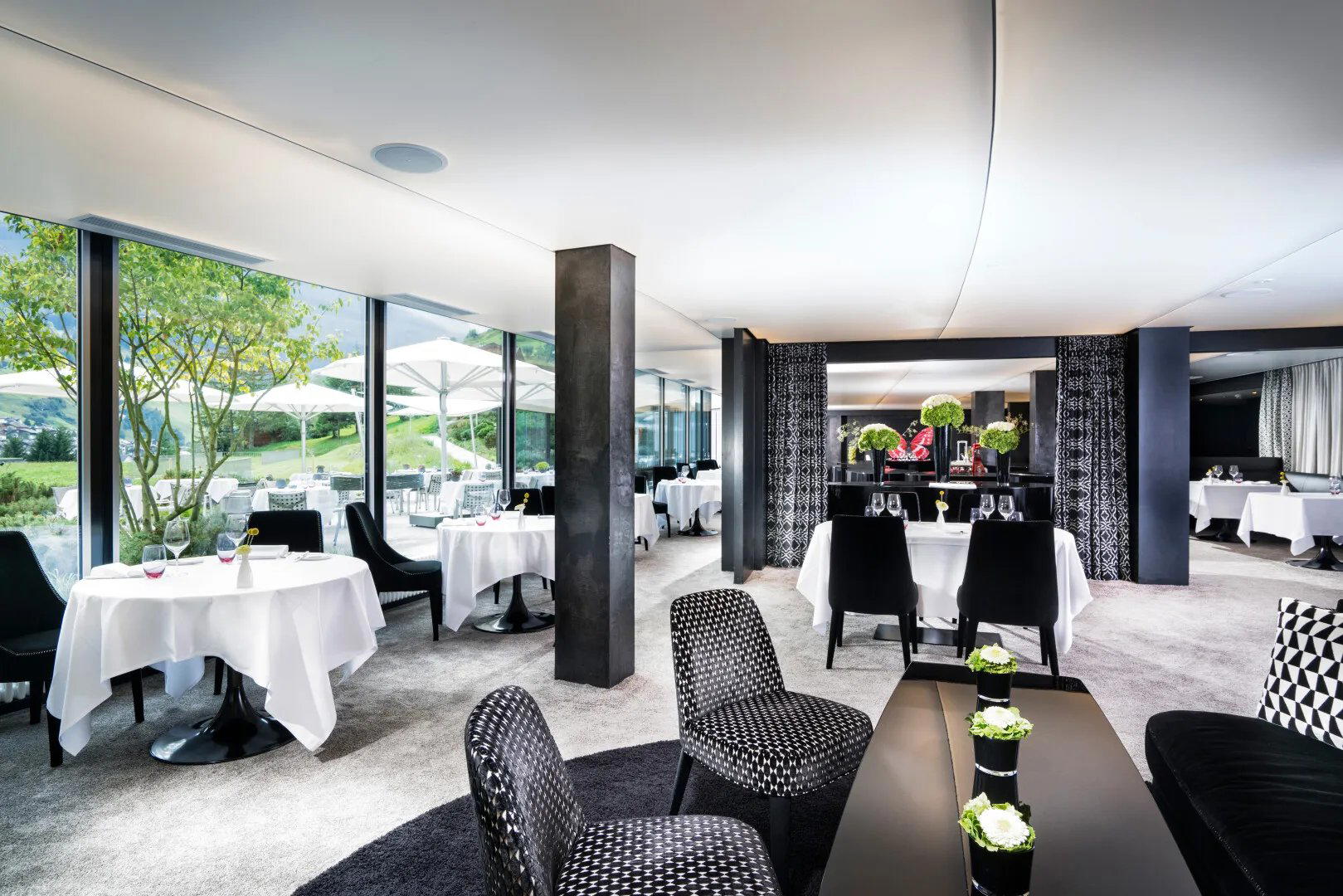
Modern minimalist interiors with light wood, gilded lighting, and natural materials creating a warm, progressive alpine atmosphere.