Primitivo
Among Zurich's neighbourhood restaurants where the sourcing story is as considered as the cooking, Primitivo on Kloster Fahr-Weg operates in a quieter register than the city's award-circuit establishments. The address places it in the 8006 district, away from the Bahnhofstrasse polish, and the name itself signals an orientation toward something less processed, more primary. For diners tracking how Swiss restaurants are rethinking their relationship with ingredients and provenance, it sits on the right side of that conversation.
Pearl is the En Primeur Club membership app — saves, bookings, and concierge access live there. Same editors, same standards.
- Address
- Kloster Fahr-Weg, 8006 Zürich, Switzerland
- Website
- primitivo.ch

Where Zurich's Sustainability Conversation Gets Grounded
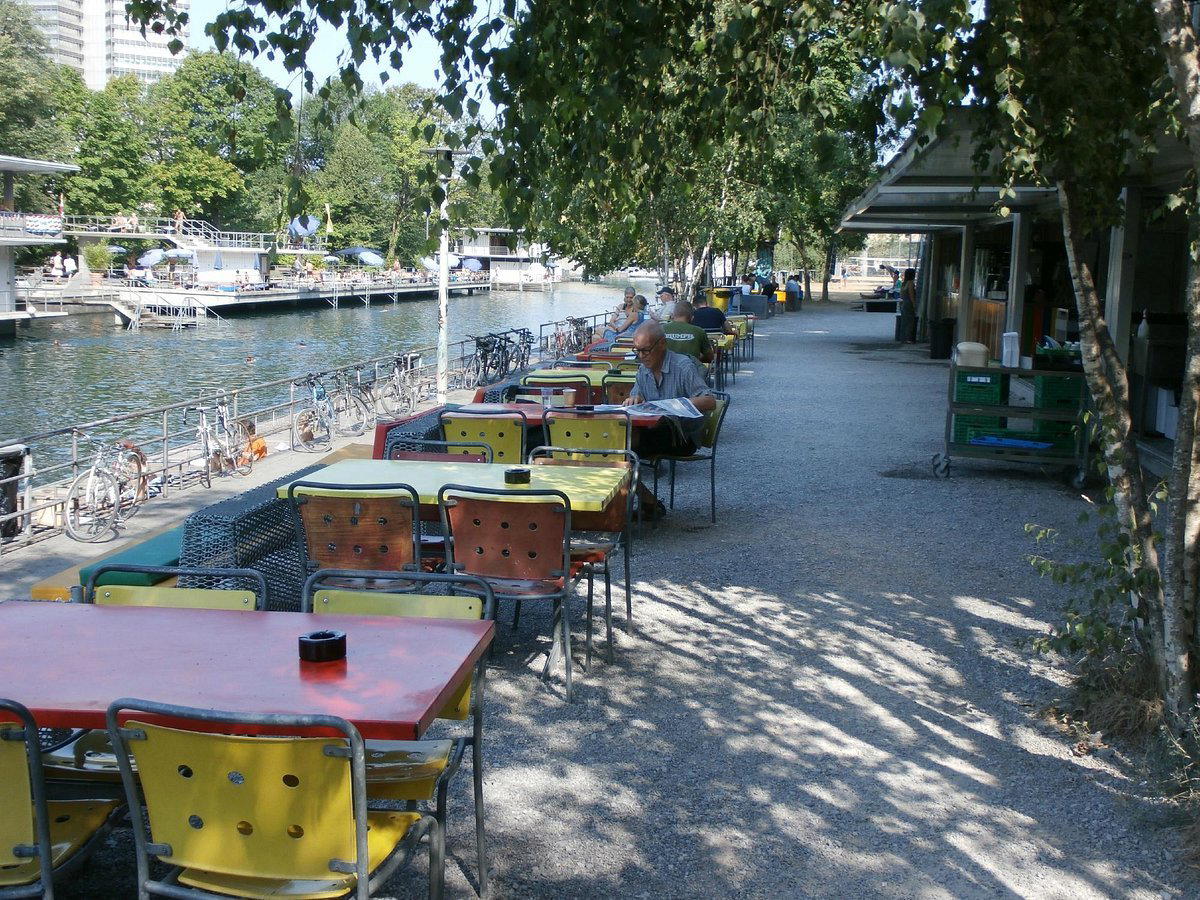
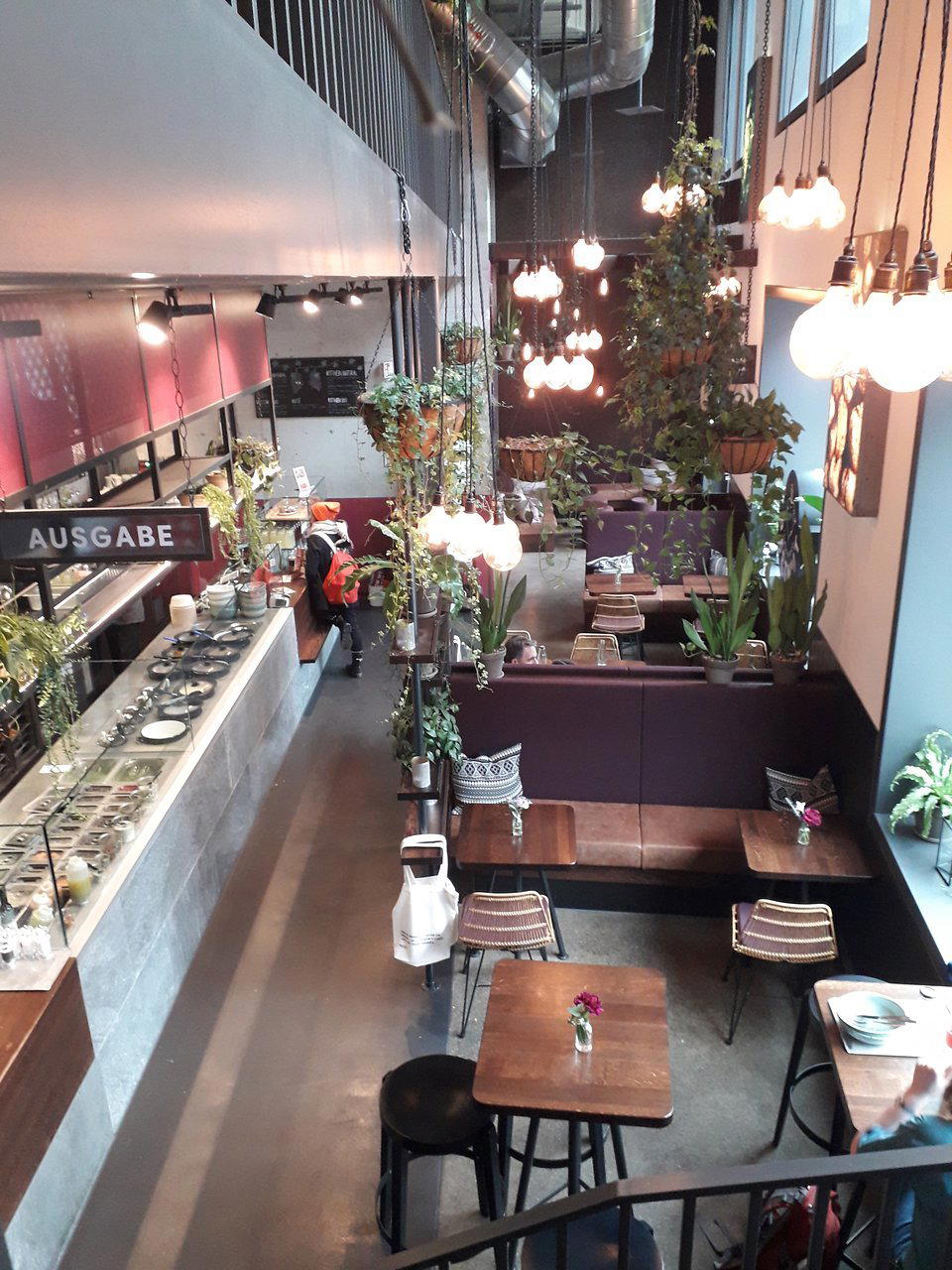
Zurich's restaurant culture has spent the last decade splitting into two broad currents. One runs toward technical ambition and Michelin recognition, producing the kind of menus that compete against IGNIV Zürich by Andreas Caminada, The Counter, and The Restaurant at the upper tier of the city's creative dining. The other current moves in a quieter direction: smaller rooms, shorter supply chains, a deliberate turn away from the luxury-signal arms race. Primitivo, on Kloster Fahr-Weg in the 8006 district, is a Casual Riverside Cafe with a price tier around $25 per person. Its name is a provocation of sorts. In viticulture, primitivo refers to an early-ripening grape with deep roots in Southern Italian tradition. Applied to a restaurant, it suggests an orientation toward the foundational, the unhurried, the less-manipulated.
The 8006 Setting: Away from the Polish
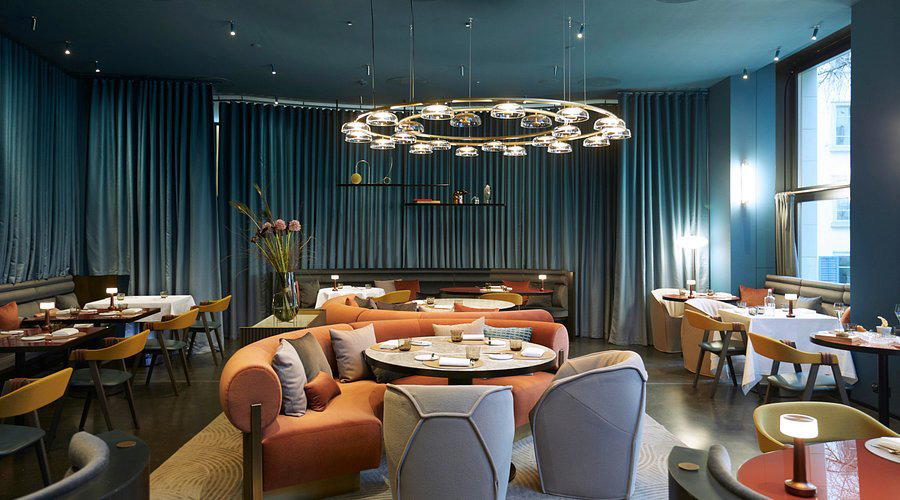
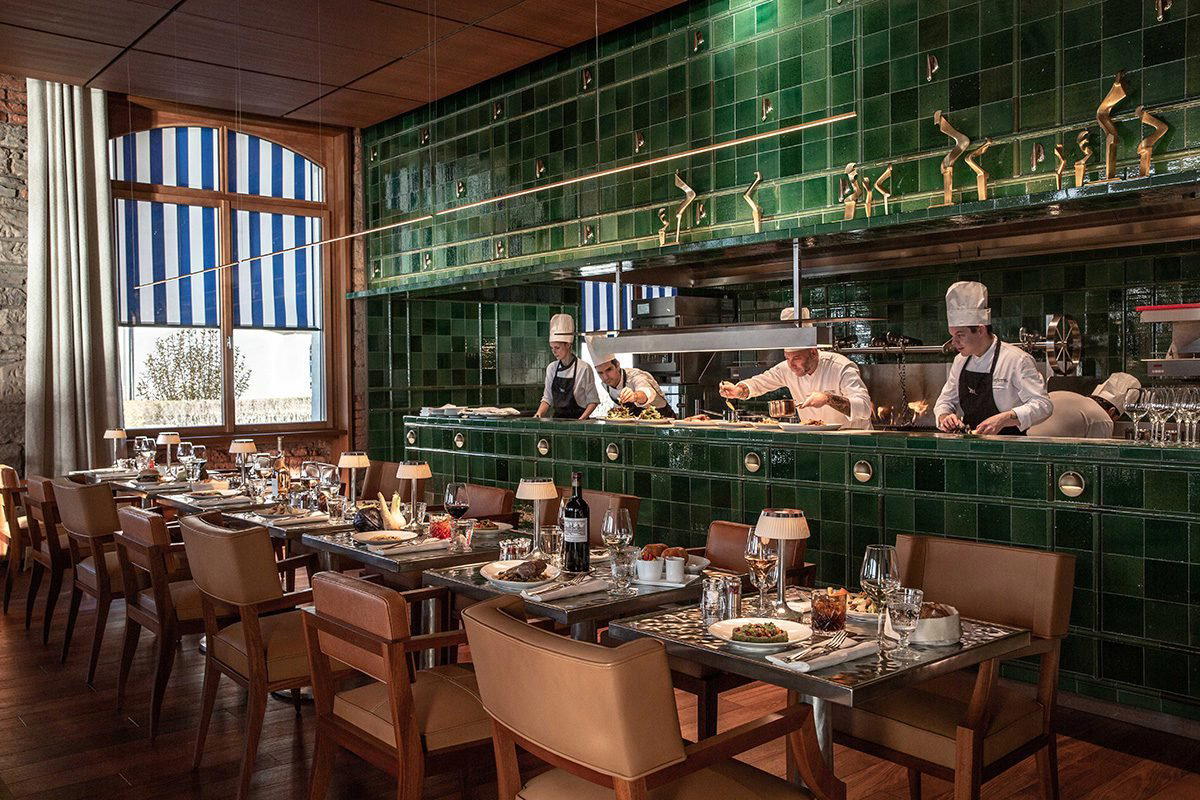
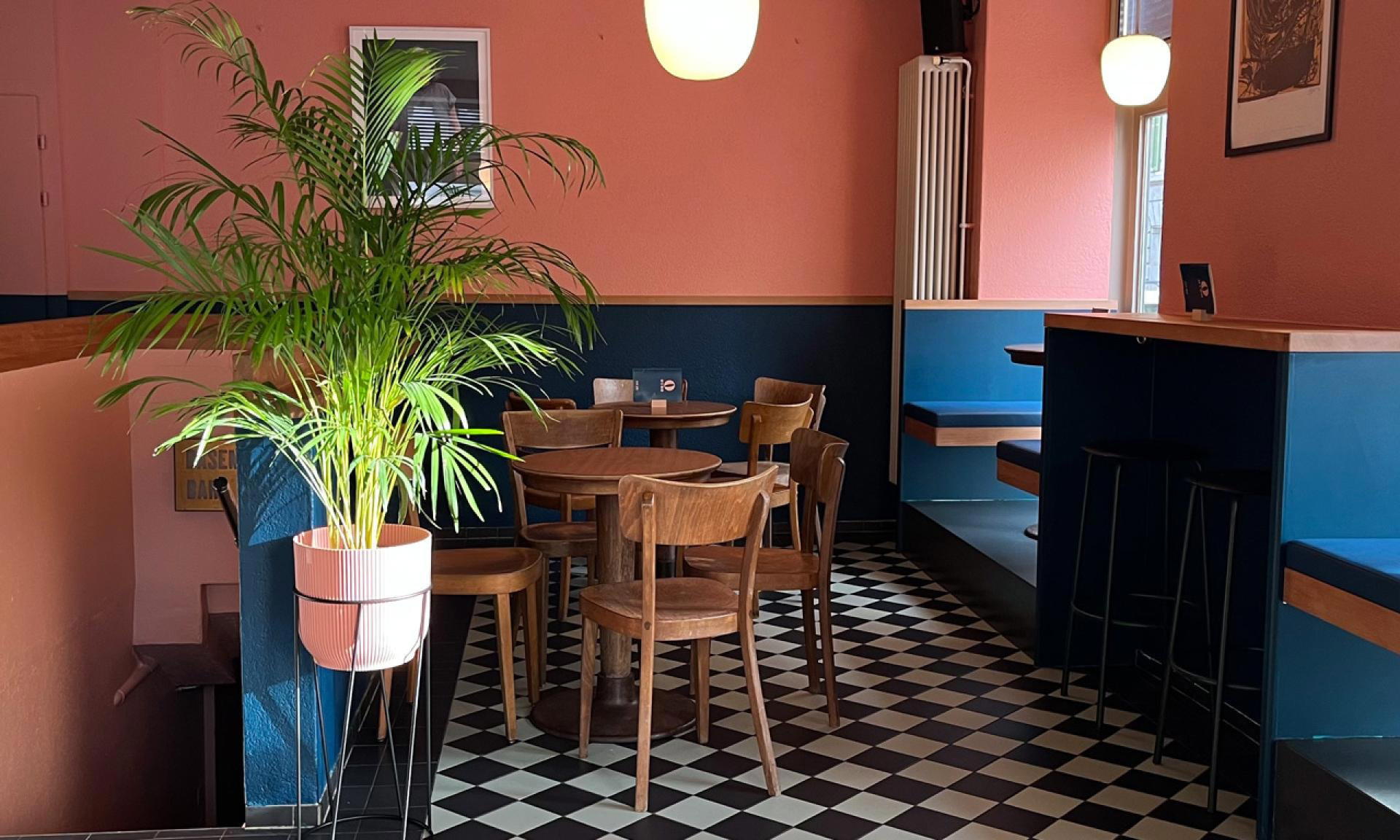
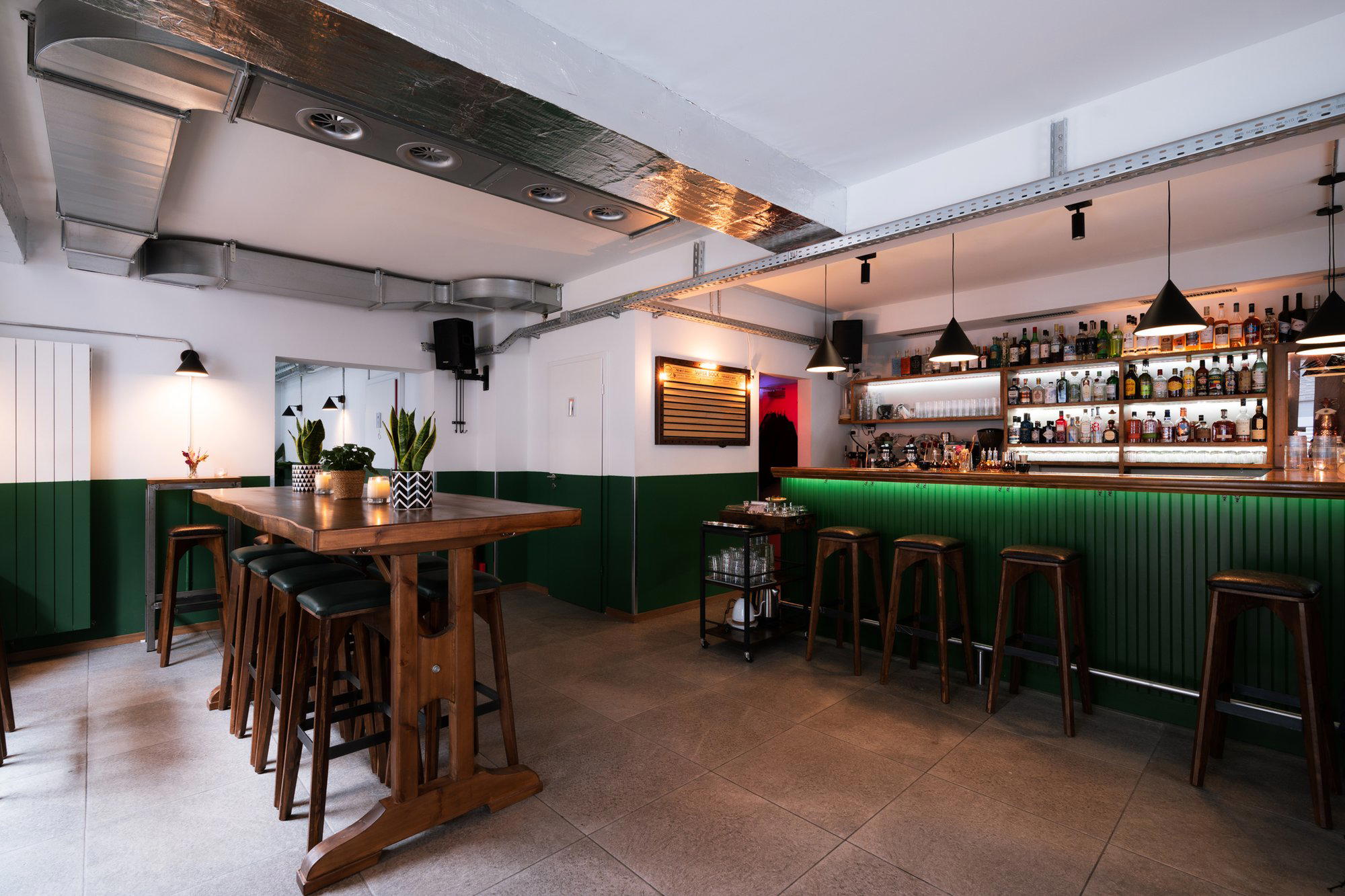
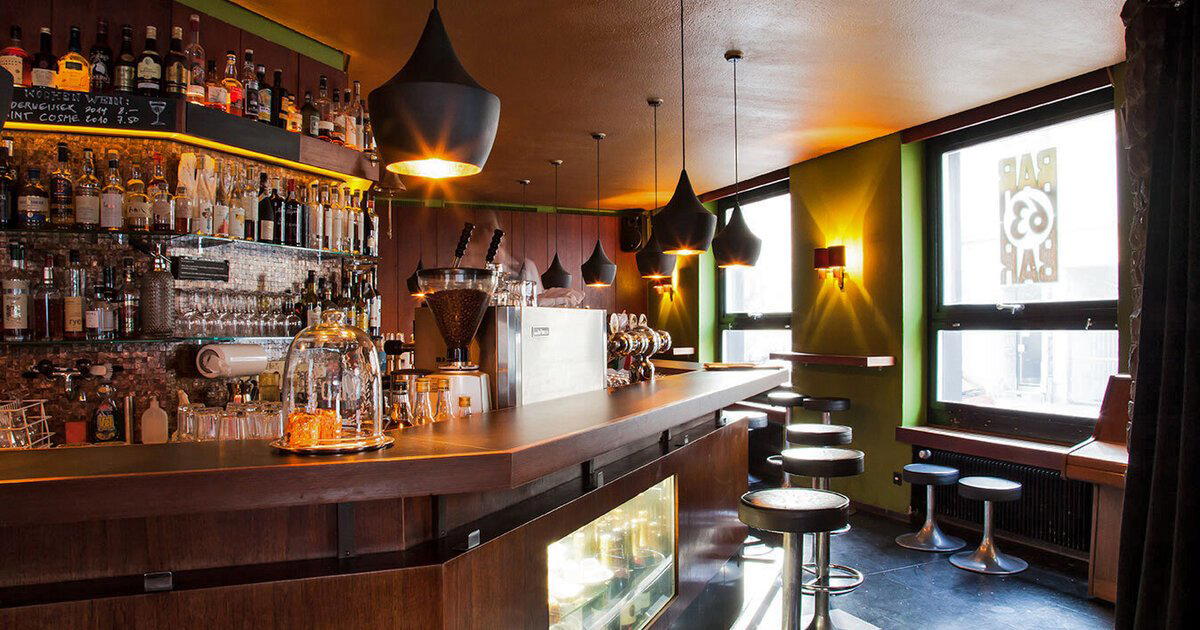
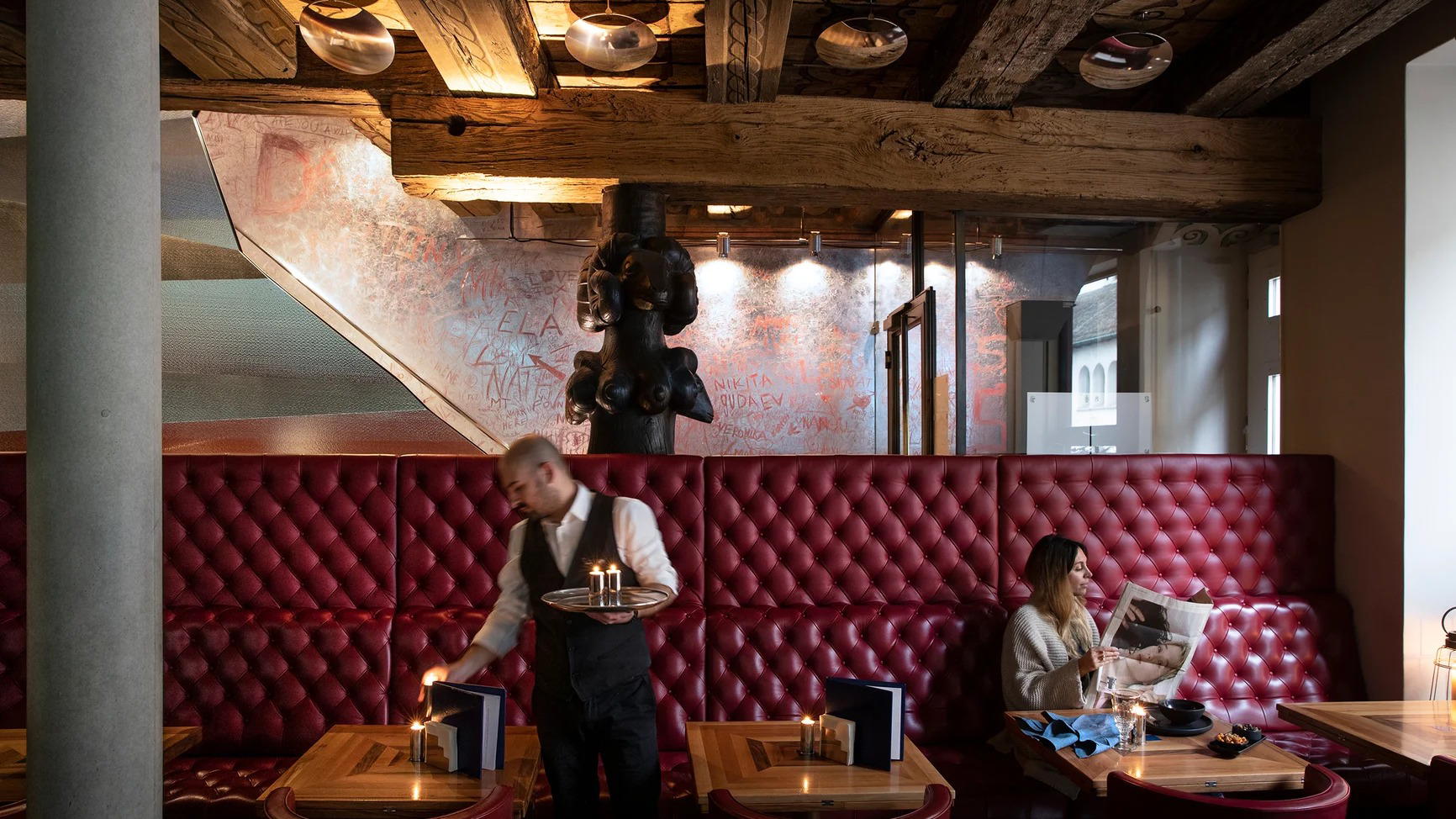
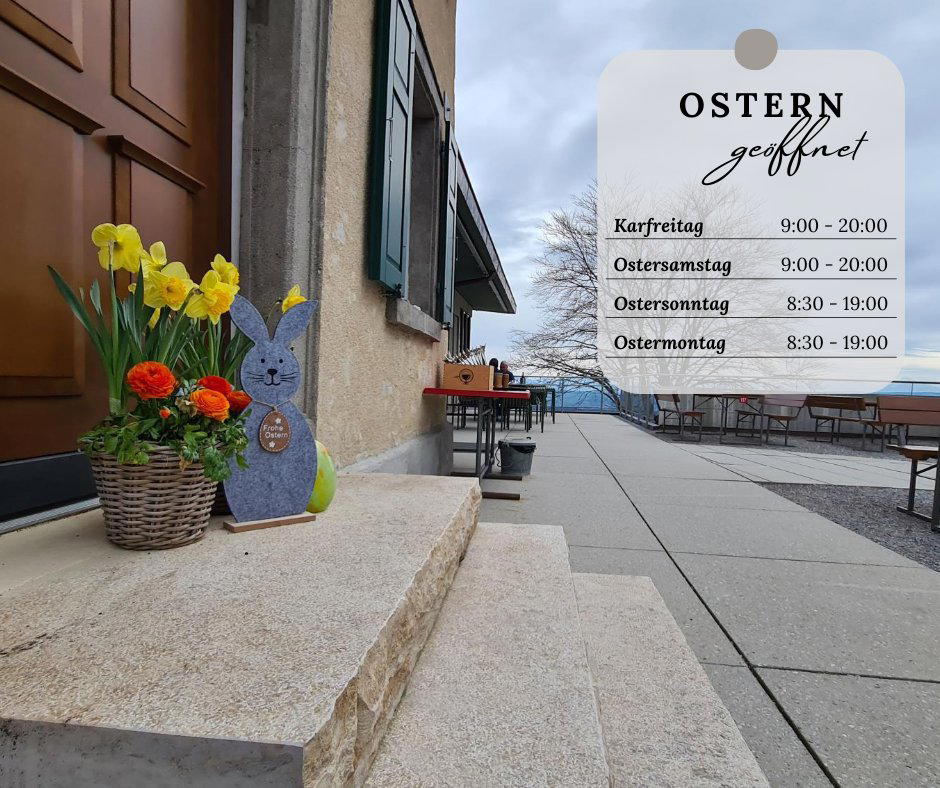
The 8006 postcode sits north of the Altstadt, where Zurich's dining character shifts from the Bahnhofstrasse-adjacent formality toward something more residential and less performative. This is not the neighbourhood where tourists arrive first. That geographic positioning is itself an editorial choice: restaurants in this part of the city tend to build their audiences through local loyalty rather than passing hotel traffic. The approach to Kloster Fahr-Weg carries that atmosphere. The physical environment reads as deliberate restraint, which aligns with the broader movement among European urban restaurants to let setting reinforce sourcing philosophy. Where properties like the Widder or Eden Kitchen & Bar operate within polished hospitality contexts, Primitivo positions itself in a register that treats the room as secondary to what arrives on the plate.
The Sustainability Frame in Swiss Dining
Switzerland's fine dining tradition has long been associated with precision, classical technique, and a certain comfort with luxury pricing. The country's two most-discussed destination restaurants, Schloss Schauenstein in Fürstenau and Hotel de Ville Crissier in Crissier, operate from that classical foundation even as they incorporate regional sourcing. A newer cohort has pushed harder on the ethical sourcing and waste-reduction axis, treating those not as marketing overlays but as structural constraints on how menus are built. The logic is direct: if your sourcing radius is tight and your commitment to whole-animal or whole-plant cooking is genuine, the menu becomes a record of what the land and season produced rather than a list assembled from global commodity channels. Primitivo's name and positioning align with this cohort. In a city where vegan tasting menus at KLE have demonstrated that Zurich diners will engage seriously with a values-led format, and where the broader European conversation around food systems has moved from niche to mainstream, a restaurant that leans into primary, less-processed cooking finds itself on the growth edge of the market rather than the fringe.
Reading the Room: What Primitivo Is Not
Useful context comes from understanding where Primitivo does not compete. The award-circuit restaurants of German-speaking Switzerland, from Memories in Bad Ragaz to Einstein Gourmet in Sankt Gallen and Cheval Blanc by Peter Knogl in Basel, operate within a recognisable grammar of multi-course precision, wine pairings, and international-standard service. Primitivo's address, name, and neighbourhood position it outside that grammar. It is not competing for the weekend-destination diner who books three months ahead to work through a twelve-course tasting menu. The comparison set is smaller, more local, and more interested in provenance than performance. That places it closer to the sensibility of Mammertsberg in Freidorf or La Table du Valrose in Rougemont, restaurants where the sourcing story carries the narrative rather than chef biography or trophy count. For the internationally mobile diner who has eaten at Le Bernardin in New York City or Lazy Bear in San Francisco, Primitivo represents a different axis of quality: less about technical spectacle, more about the integrity of the ingredient chain.
Sourcing Philosophy as Menu Architecture
Restaurants that frame sustainability as structural rather than decorative tend to share certain operational characteristics. Menus change frequently because they follow availability rather than brand consistency. Proteins appear whole or in cuts that reflect whole-animal commitments rather than premium-cut selection. Fermentation, preservation, and nose-to-tail technique become functional rather than fashionable, because they are the practical tools of waste reduction. Wine lists, when they lean into the name's viticultural suggestion, tend toward natural and low-intervention producers whose farming ethics match the kitchen's sourcing ethos. These patterns are visible across the category internationally, from farm-to-table operations in Northern California to the new-wave European agrarian restaurants. The degree to which Primitivo adheres to this model in practice is answered by the room itself. What the name, address, and positioning collectively suggest is a deliberate refusal of the commodity-sourcing model that still underlies much of mid-market European dining.
Planning a Visit
For diners building a Zurich itinerary, Primitivo sits in a different planning bracket than the city's tasting-menu establishments. Those typically require advance booking of several weeks to months, particularly for weekend slots. A neighbourhood restaurant in the 8006 district operates on a different booking rhythm, though that varies with local following and season. Swiss dining costs run high across all tiers; budget assumptions based on comparable addresses in Paris or Berlin will underestimate Zurich pricing. Visitors who have made regional excursions to focus ATELIER in Vitznau or Da Vittorio in St. Moritz will arrive with calibrated expectations. The 8006 district is accessible by tram from the central station.
Compact Comparison
Comparable venues nearby, for context on price, style, and recognition.
| Venue | Cuisine | Price | Notes |
|---|---|---|---|
| PrimitivoThis venue — the venue you are viewing | Unterstrass, Casual Riverside Cafe | $$ | |
| Tenz Momo | Aussersihl, Tibetan Momo Dumplings | $$ | |
| Kauz | Oberstrass, Cocktail Bar & Club | $$ | |
| Viadukt | Industriequartier, Modern Swiss | $$ | |
| Bar 45 | $$ | Aussersihl, Cafe Bar with Spanish Small Plates | |
| Confiserie Sprüngli | Enge, Swiss Confectionery Café | $$$ |
At a Glance
- Lively
- Casual Hangout
- Terrace
- Waterfront
Relaxed chill atmosphere by the Limmat river, perfect for summer hangouts with friendly service.