Mühle Wildbach
Our verdict
Mühle Wildbach serves Modern Regional Swiss with homemade ravioli and homemade sausages, and the terrace suits a leisurely dinner in quiet, smart-casual surroundings.

Pearl is the En Primeur Club membership app — saves, bookings, and concierge access live there. Same editors, same standards.
- Address
- Weiacherstrasse 6, 8427 Rorbas, Switzerland
- Phone
- +41432666010
- Website
- muehle-wildbach.ch
- Directions
- Get directions
- Booking
- Book on the venue's website
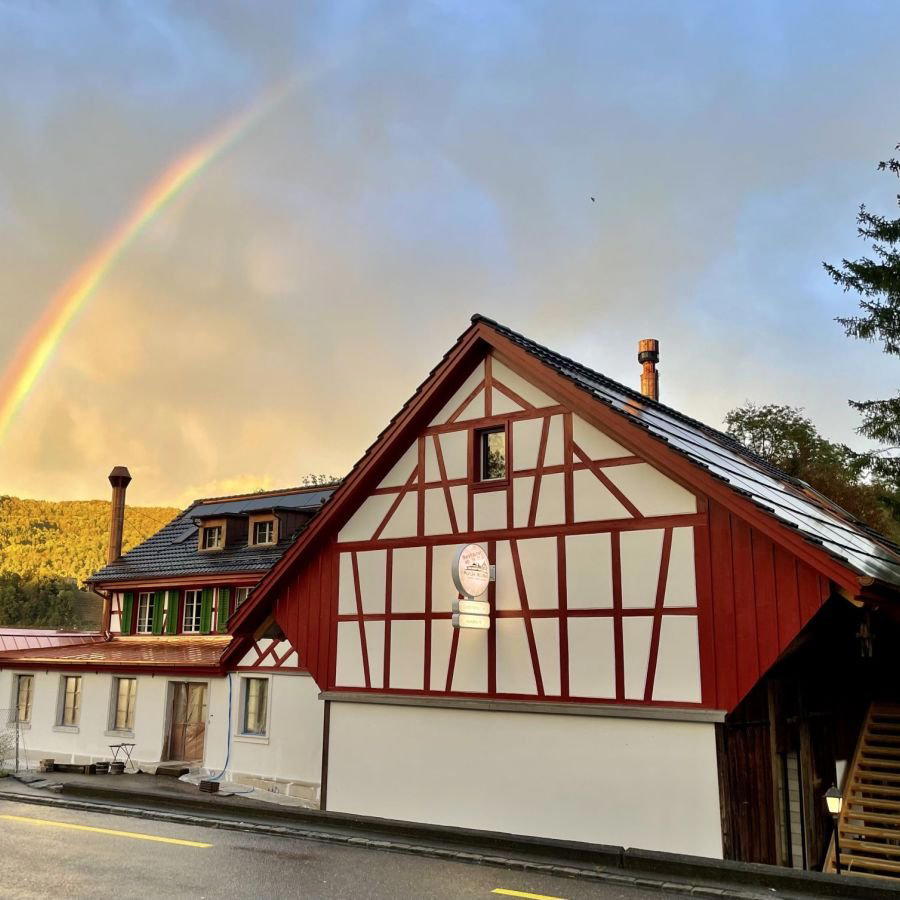
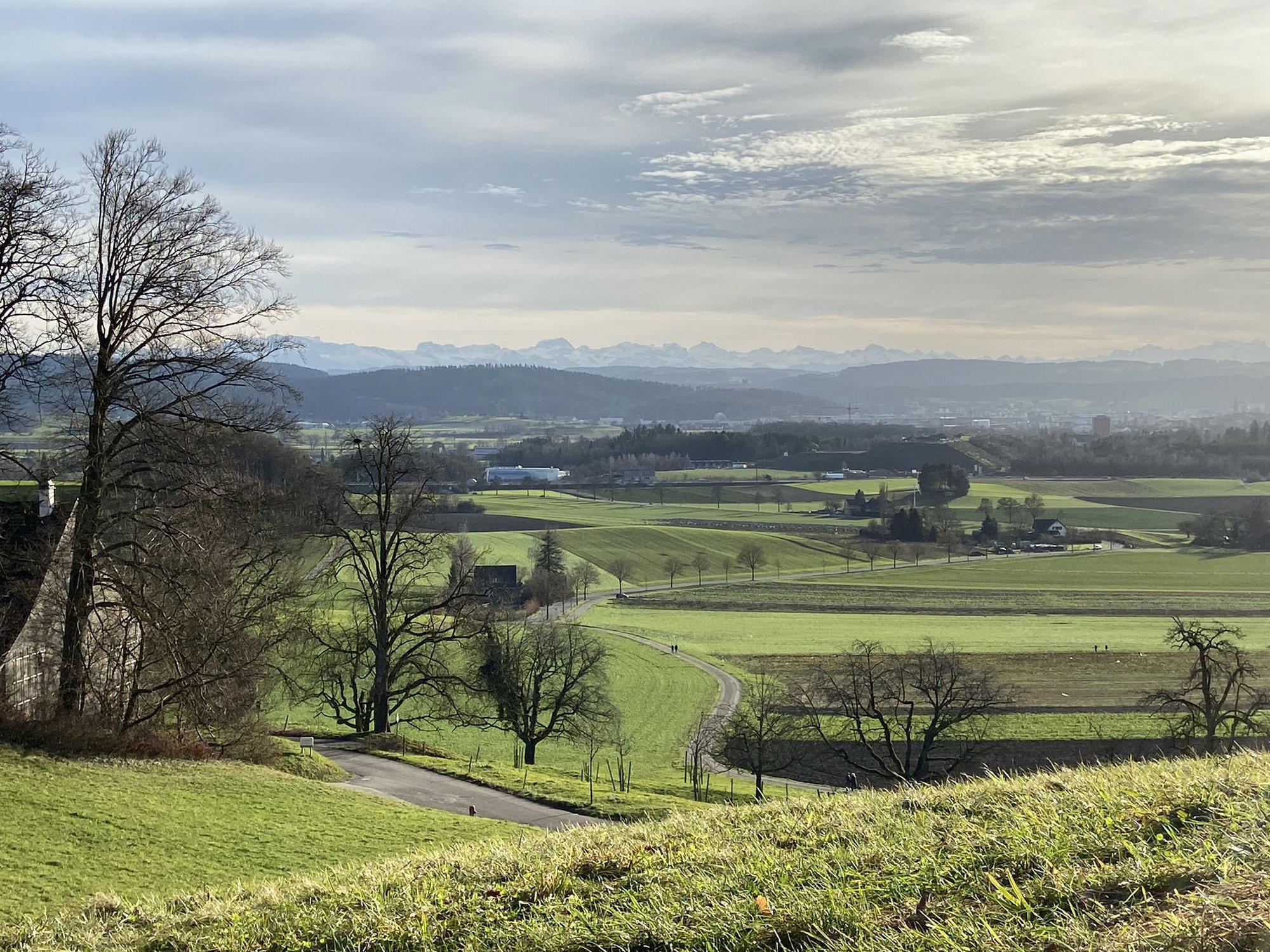
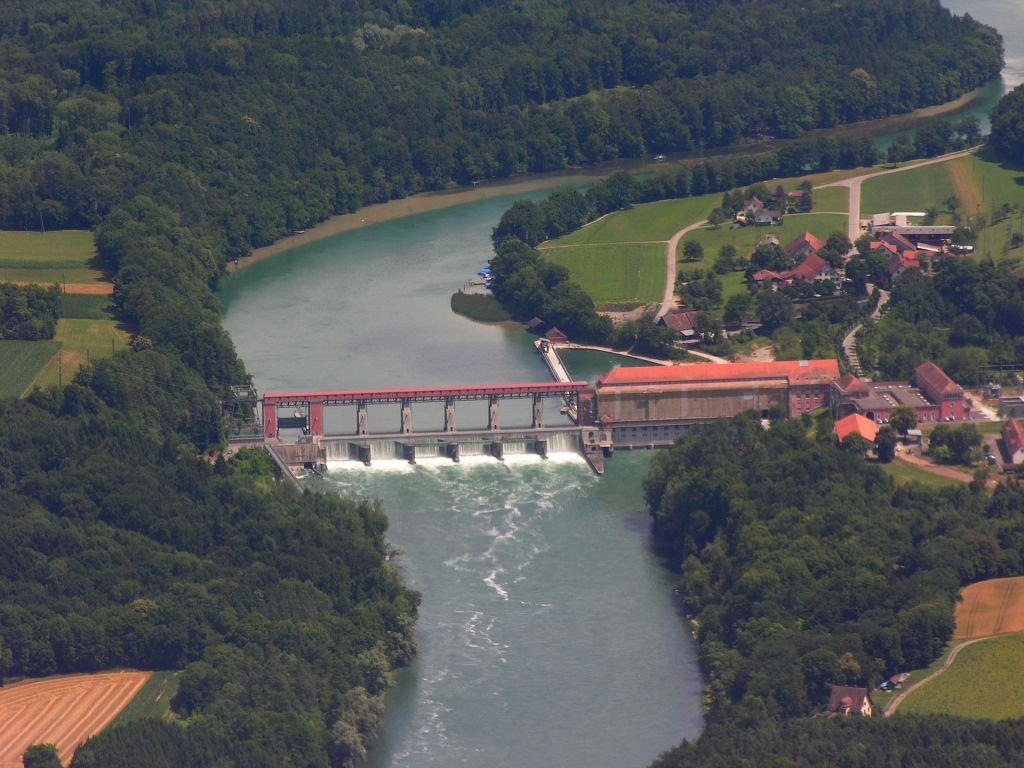
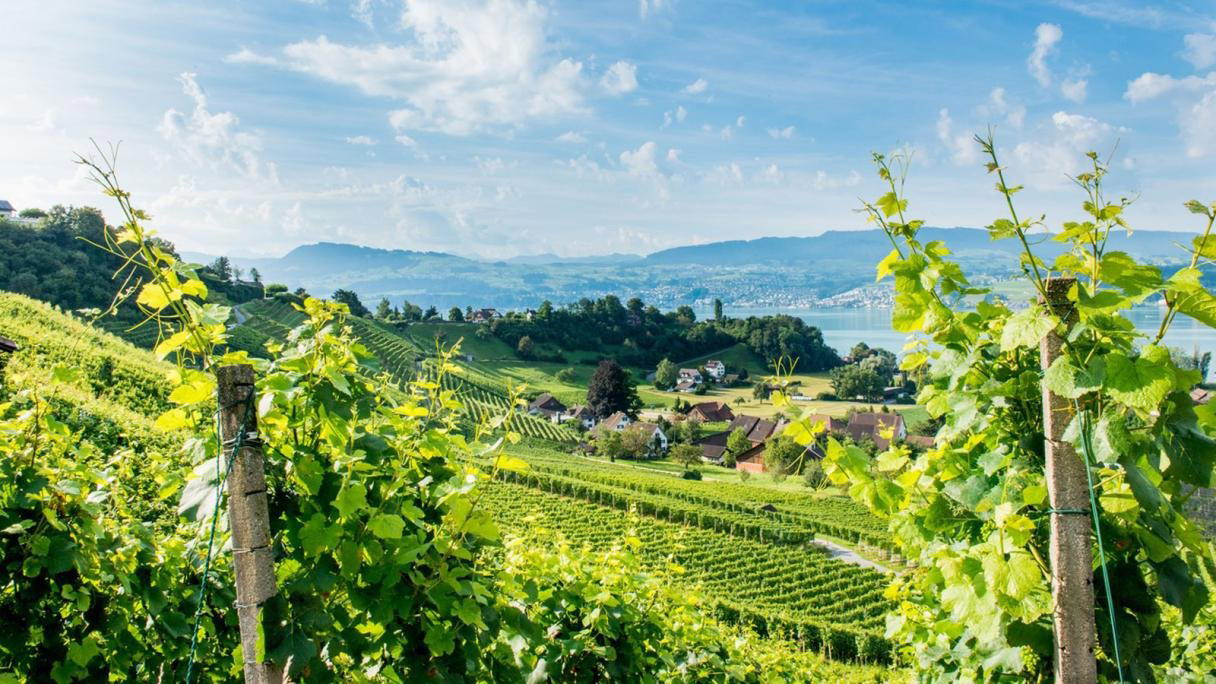
The Zürcher Unterland is agricultural territory. Fruit orchards follow the Rhine plain north toward Schaffhausen; dairy farming and market gardening occupy the valleys between Bülach and Embrach. Restaurants embedded in this environment have access to supply chains that urban kitchens build elaborate relationships to approximate. A mill site adds another dimension: grain processed close to where it was grown changes the character of bread, pasta, and pastry in ways that flour shipped through industrial distribution does not. Whether Mühle Wildbach's kitchen draws actively on that milling heritage is something confirmed visits would establish, but the structural opportunity is built into the address itself.
Across the Swiss German-speaking regions, the most compelling rural tables tend to share a set of characteristics: menus that shift with seasonal harvests rather than with quarterly menu cycles, sourcing relationships with farms measurable in kilometres rather than national distribution networks, and cooking registers that treat the ingredient as the primary statement rather than technique. This is a different value proposition from the precision tasting menus at Cheval Blanc by Peter Knogl in Basel or the refined French structure at La Table du Lausanne Palace in Lausanne. Neither is superior; they answer different questions about what Swiss dining can mean.
Reading Rorbas as a Dining Destination
Rorbas sits approximately 20 kilometres north of central Zürich, accessible by regional rail from Zürich HB via Bülach or by road through Embrach. That distance places it firmly outside the city's restaurant orbit in terms of where critics and reservation platforms focus their attention, which partly explains why addresses in the Unterland accumulate less documentation than their quality might warrant. For the reader who has exhausted central Zürich's familiar roster and is prepared to travel a short distance for a different experience, the Unterland repays that effort.
The village scale of Rorbas matters to the dining context. A restaurant operating in a community of fewer than two thousand residents does not perform for the same audience as an urban room. Regulars are likely neighbours; the rhythm of service tends toward the unhurried; the social contract between kitchen and dining room is different from the transactional efficiency of a city booking. For a more complete picture of what the area offers, our full Rorbas restaurants guide maps the local options in detail. The country has more Michelin stars per capita than most European nations, and the concentration of recognised addresses runs from Geneva through the Romand cities to Zürich and the eastern cantons. Hotel de Ville Crissier in Crissier, Maison Wenger in Le Noirmont, Einstein Gourmet in Sankt Gallen, and Magdalena in Schwyz each represent a different regional expression of that tradition. So do 7132 Silver in Vals, Colonnade in Lucerne, Da Vittorio St. Moritz, La Brezza in Ascona, and L'Atelier Robuchon in Geneva.
Mühle Wildbach does not compete in that tier and should not be assessed against it. Its competitive set is the regional Gasthaus and mill restaurant format: places where the logic is local hospitality rather than destination fine dining. Internationally, comparable rural-rooted restaurants have earned recognition on their own terms; the format is well established at Le Bernardin in New York City and Atomix in New York City at the urban end, but the rural-sourcing ethos maps onto entirely different premises.
Planning a Visit
Reaching Mühle Wildbach from Zürich by public transport takes roughly 35 to 40 minutes via the S-Bahn to Bülach, followed by a regional connection toward Rorbas. Driving is the more practical option if arriving from outside the commuter rail network. That practical step applies particularly to groups with specific dietary requirements or those travelling specifically for a meal rather than combining the visit with broader Unterland exploration.
Frequently asked questions
Would Mühle Wildbach be comfortable with kids?
The mill setting on Weiacherstrasse in Rorbas suggests a relaxed rural atmosphere rather than a formal dining room, which generally suits families better than high-ceremony city restaurants. Contacting the restaurant directly before visiting with young children is the practical approach.
What's the overall feel of Mühle Wildbach?
Mühle Wildbach occupies a historic mill building in Rorbas, a village in the Zürcher Unterland roughly 20 kilometres north of central Zürich. The address — Weiacherstrasse 6 — sits in agricultural terrain that shapes the character of dining here: this is the Swiss rural table, grounded in the landscape it sits within rather than competing with the high-technical polish of Zürich's city-centre scene. Expect something closer in spirit to a regional Gasthaus than to an urban fine-dining address.
How far is Mühle Wildbach from Zürich, and what's the easiest way to get there?
Mühle Wildbach in Rorbas is reachable from Zürich HB in roughly 35 to 40 minutes by S-Bahn to Bülach, followed by a regional connection toward Rorbas. By road, the route runs through Embrach and keeps you well within Zürich's day-trip range. The address is Weiacherstrasse 6, 8427 Rorbas.
What's the must-try dish at Mühle Wildbach?
What the mill setting and Zürcher Unterland location do suggest is a kitchen that draws on regional produce — the agricultural corridor around Rorbas is known for exactly that kind of sourcing.
Where is Mühle Wildbach in Rorbas?
Mühle Wildbach is located at Weiacherstrasse 6, 8427 Rorbas, Switzerland, Rorbas.
A Quick Peer Check
| Venue | Cuisine | Price | Awards | Notes |
|---|---|---|---|---|
| Mühle WildbachThis venue — the venue you are viewing | Modern Regional Swiss | Not listed | Not listed | Not listed |
| Schloss Schauenstein | Creative Swiss Country Fine Dining | $300–500 | 3 Michelin Stars · World's 50 Best #52 | Modern European, Creative |
| Memories | Modern Swiss Alpine Cuisine | $300–500 | 3 Michelin Stars · La Liste Top Restaurants | Modern Swiss |
| focus ATELIER | Modern French Fine Dining | $200–300 | 2 Michelin Stars · La Liste Top Restaurants | Modern Swiss, Creative |
| IGNIV Zürich by Andreas Caminada | Modern Swiss Fusion Sharing | $150–200 | 2 Michelin Stars · La Liste Top Restaurants | Sharing |
| La Table du Lausanne Palace | Contemporary French Fine Dining | $200–300 | 2 Michelin Stars · La Liste Top Restaurants | Modern French |
Continue exploring
More in Rorbas
Restaurants in Rorbas
Browse all →
Bars in Rorbas
Browse all →
Hotels in Rorbas
Browse all →

Details
- Rustic
- Cozy
- Scenic
- Romantic
- Date Night
- Celebration
- Group Dining
- Terrace
- Local Sourcing
- A La Carte
- Vegetarian Friendly
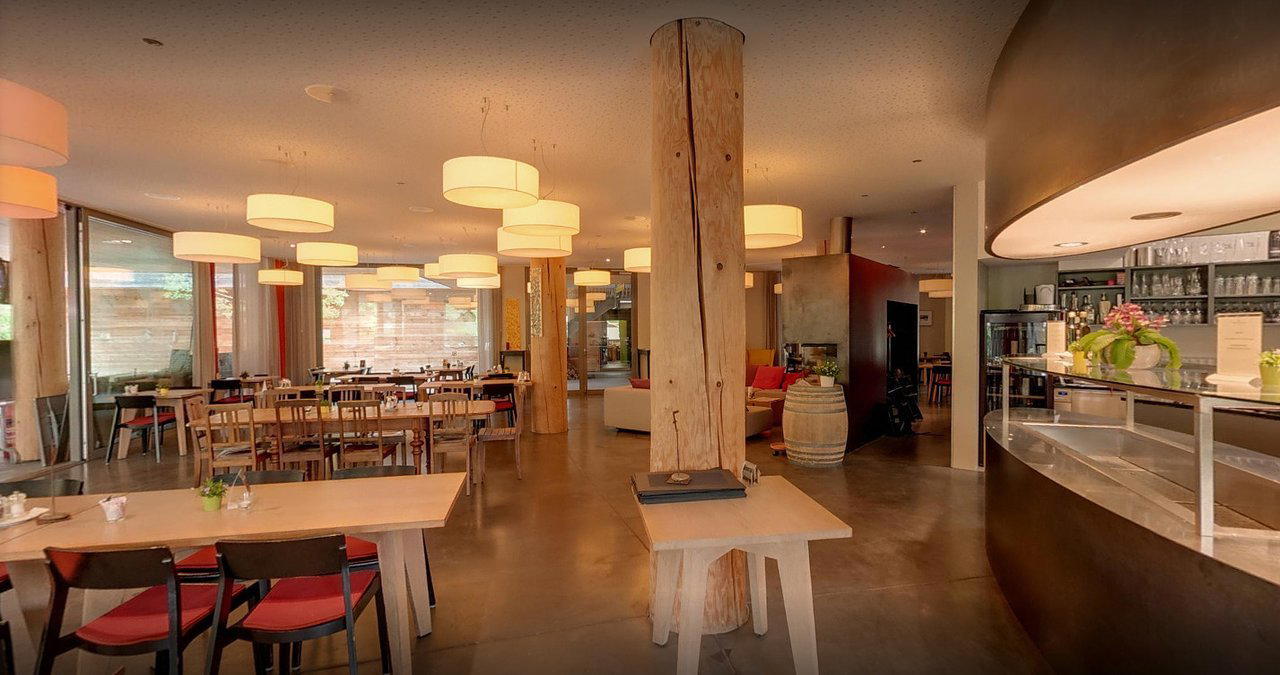
Warm, welcoming historic ambience with modern touches in a renovated 150-year-old mill.