Rebe
Our verdict
Rebe sits at Mitteldorfweg 3 in Neftenbach, a small Zurich-canton village where the dining scene rewards those willing to look beyond the city's established restaurant corridor. With Switzerland's broader farm-to-table movement reshaping regional dining, Rebe occupies a position in the rural-village tier that increasingly draws visitors from Winterthur and Zurich seeking a slower, more grounded table experience.

Pearl is the En Primeur Club membership app, where members save venues, book tables and use the concierge.

Village Dining in the Zurich Canton: What Neftenbach Represents
Switzerland's premium dining conversation tends to fix on a handful of well-documented addresses: the three-Michelin-star kitchens at Hotel de Ville Crissier in Crissier or Schloss Schauenstein in Fürstenau, the technically ambitious work at Cheval Blanc by Peter Knogl in Basel, or the modern Swiss programs running at Memories in Bad Ragaz and focus ATELIER in Vitznau. What this conversation tends to skip is the quieter tier of village restaurants operating in the Zurich canton's agricultural hinterland, where the proximity to working farms, small-scale wine producers, and market gardens shapes the kitchen's logic more than any tasting-menu tradition.
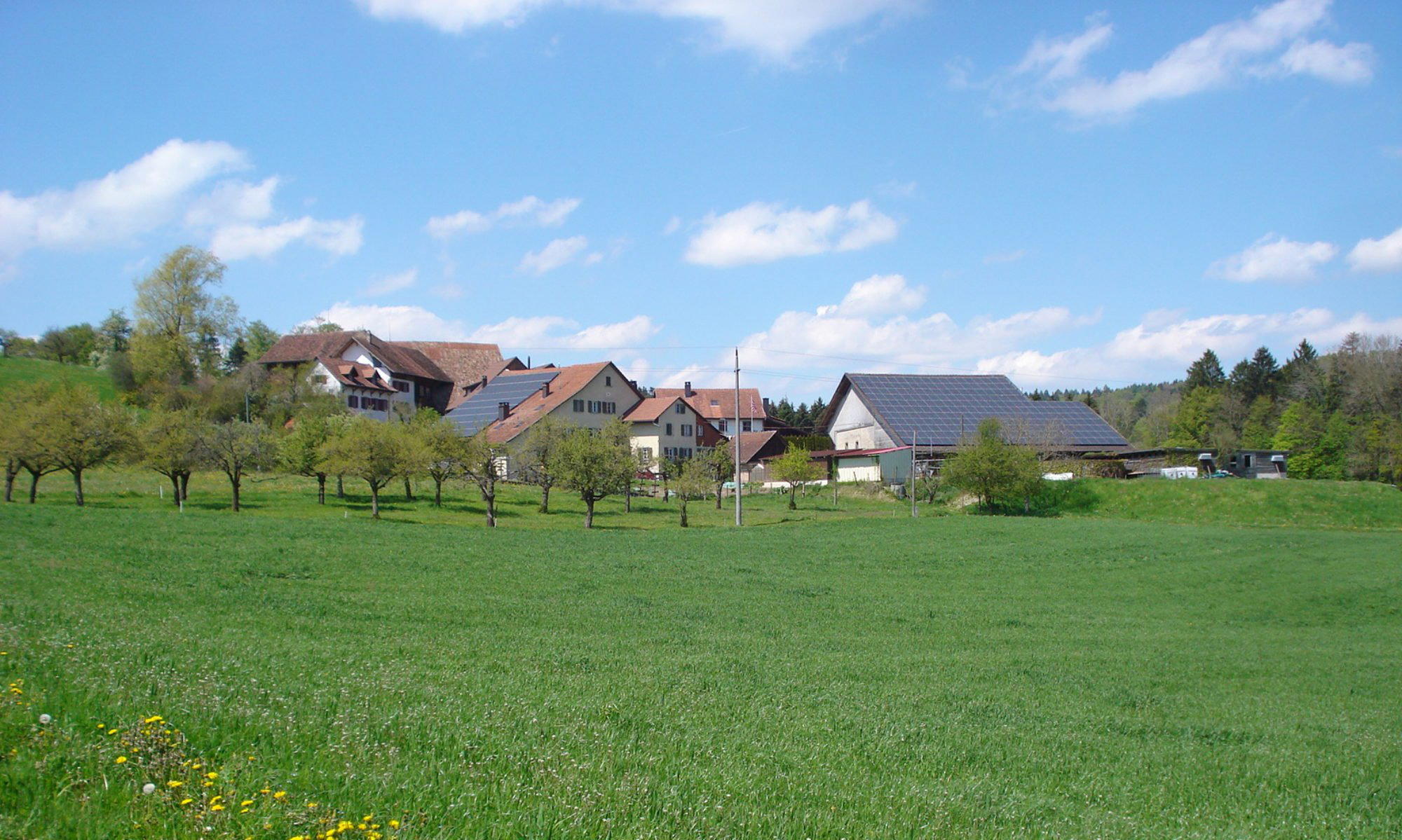
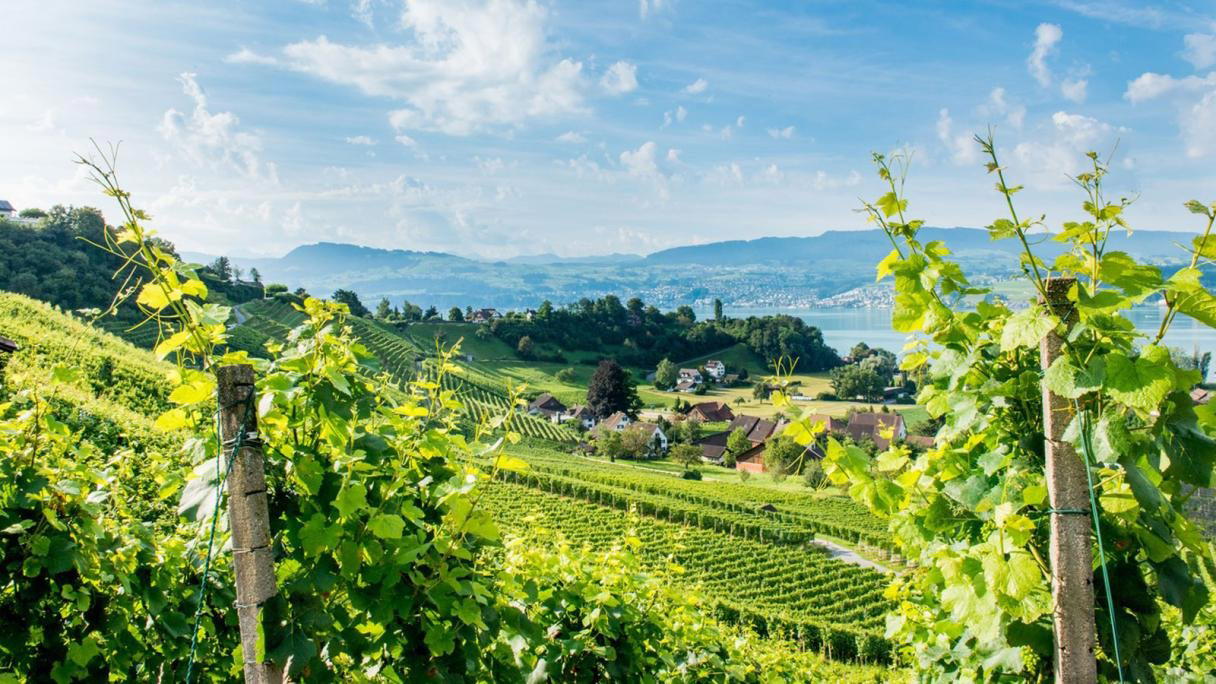
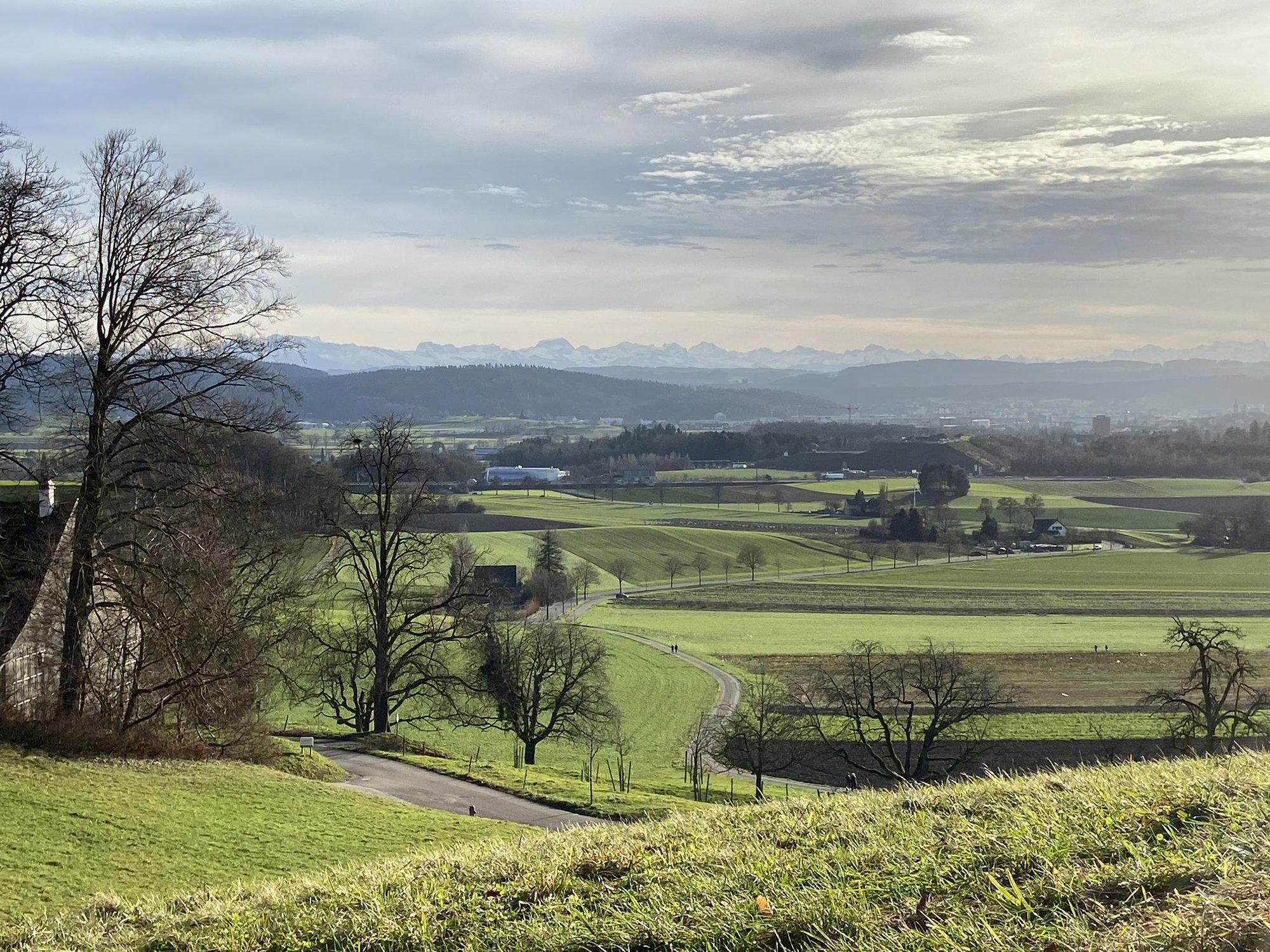
Neftenbach sits roughly 25 kilometres north of Zurich's centre, in a stretch of the canton characterised by vineyard slopes, grain fields, and tight-knit settlements that have resisted the suburban sprawl reaching out from Winterthur. Rebe, addressed at Mitteldorfweg 3, occupies this rural-village context directly. The name itself, Rebe is German for vine or grape vine, signals an orientation toward the agricultural landscape surrounding it, a common framing for restaurants in Swiss wine-producing villages where the connection between kitchen and terroir is meant to feel literal rather than rhetorical.
Sourcing as Structure: Why Proximity to Farmland Changes the Menu Logic
In the Zurich canton's wine-growing corridor, which runs through communes like Neftenbach, Trüllikon, and Andelfingen, the relationship between small restaurants and local producers tends to be direct in a way that larger urban establishments cannot replicate at scale. Regional wine growers in this stretch of the Weinland, the canton's recognised wine country, work primarily with Pinot Noir and Müller-Thurgau, varieties suited to the continental microclimate and loamy soils. A restaurant operating inside this geography, particularly one whose name references the vine, sits in a position where local wine pairings are a matter of geography as much as curation.
The broader Swiss farm-to-table shift has played out differently in urban and rural contexts. At addresses like IGNIV Zürich by Andreas Caminada in Zurich, sourcing is one component of a technically elaborate program. At village level, sourcing is often the structural principle that determines what appears on the menu week to week. Seasonal constraints are less a marketing posture and more a logistical reality: the kitchen works with what is available from nearby farms, adjusting around harvest cycles and the particular rhythms of the Weinland agricultural calendar. This is a different kind of dining discipline from the one practiced at, say, 7132 Silver in Vals or Magdalena in Schwyz, where sourcing philosophy is filtered through highly developed kitchen technique. In smaller village settings, the ingredient itself carries more of the weight.
The Physical Setting and What It Signals
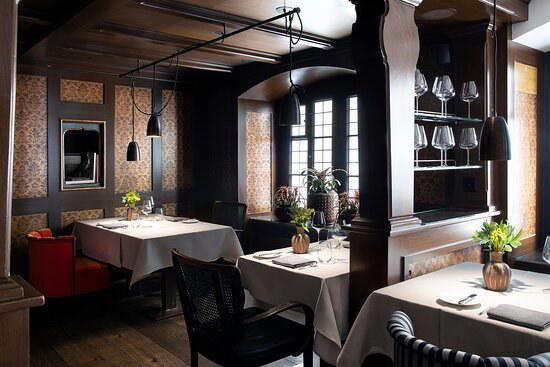
Approaching a restaurant at a Mitteldorfweg address, literally a middle-village path, places you in the older residential fabric of a Swiss agricultural commune rather than on a commercial street. This is not the kind of address that accumulates foot traffic or catches a visitor who wasn't already looking. The physical setting implies an established local clientele, a kitchen operating at a pace suited to the neighbourhood, and a dining room whose atmosphere is shaped more by regulars and seasonal rhythms than by tourism patterns.
This village-centre positioning is worth reading carefully as a visitor. It suggests the experience will have more in common with a serious local Beizli or a well-regarded Gasthof than with the polished service formats at Colonnade in Lucerne or Einstein Gourmet in Sankt Gallen. The register is different, and that difference is the point. Swiss village restaurants at this tier tend to operate with a directness, in cooking, service, and portion scale, that urban fine dining has largely traded away in favour of elaborate presentation logic.
Placing Rebe in the Broader Swiss Dining Map
For travellers whose Swiss dining reference points are primarily drawn from Geneva's high-end French-influenced rooms like L'Atelier Robuchon, or from lakeside resort dining at La Brezza in Ascona or La Table du Lausanne Palace in Lausanne, Neftenbach represents a deliberate step away from that register. The comparison set here is not starred kitchens or destination hotel restaurants. It is the tier of regionally anchored Swiss cooking that does not seek international attention but maintains a loyal local presence over years and decades.
Within that tier, the vine-centric naming and Weinland geography place Rebe in a peer group with wine-village restaurants across German-speaking Switzerland where the local wine list is a primary reason to visit rather than a secondary consideration. This is a dining culture with deep roots: the Zurich Weinland has been producing wine since at least the medieval period, and the villages that developed alongside those vineyards built a tradition of eating and drinking that was integrated with the agricultural season rather than separated from it.
Planning a Visit: What to Know Before You Go
Neftenbach is accessible from Winterthur by regional train or bus, with Winterthur itself served by frequent direct connections from Zurich Hauptbahnhof in under 20 minutes. From Winterthur, Neftenbach is approximately a 10-minute ride. Visitors arriving by train will find the village compact enough to navigate on foot from the station. For those travelling from Zurich directly, the drive north via the cantonal road takes roughly 25 to 30 minutes depending on traffic and the specific route taken through the Weinland corridor.
For travellers building a broader Swiss dining itinerary, the our full Neftenbach restaurants guide covers the village's dining options in full context. Those extending their trip to include New York reference points alongside Swiss stops may also find value in reviewing how sourcing-led programs operate at a different scale and latitude, from the seafood-focused discipline at Le Bernardin in New York City to the ingredient-centric Korean tasting format at Atomix in New York City and the Italian-influenced alpine kitchen at Da Vittorio in St. Moritz, each a useful comparative lens for understanding how proximity to source material shapes a kitchen's decisions, regardless of cuisine tradition or price tier.
Frequently asked questions
Would Rebe be comfortable with kids?
Rebe sits on Mitteldorfweg, a residential village-path address in Neftenbach, which suggests an informal, community-rooted setting rather than a formal dining room. Village restaurants at this type of address in the Zurich canton typically carry a relaxed, unhurried pace that tends to suit families.
What should I expect atmosphere-wise at Rebe?
The Mitteldorfweg address places Rebe within Neftenbach's older agricultural residential fabric, signalling a setting far removed from the polished formality of Zurich city dining rooms. The Zurich canton's wine-growing corridor, running through communes including Neftenbach, Trüllikon, and Andelfingen, tends to produce restaurants where the room and the surrounding land feel directly connected. Expect a grounded, rural character rather than a metropolitan dining atmosphere.
Is Rebe a good option for travellers based in Winterthur looking for local Swiss dining outside the city?
Neftenbach is accessible from Winterthur by regional train or bus, making Rebe a practical destination for anyone based in Winterthur who wants to eat in a working agricultural village rather than a city neighbourhood. The Mitteldorfweg address in Neftenbach puts the restaurant inside the Zurich canton's wine-growing corridor, a stretch of Swiss countryside that sits well outside the dining circuits documented in Geneva or Zurich city guides. It represents a different register of Swiss dining geography entirely.
What do people recommend at Rebe?
What the Neftenbach location does indicate is proximity to the Zurich canton's wine-growing farmland corridor, where menus at comparable village restaurants are typically shaped by seasonal produce from nearby smallholdings. For current menu detail, checking directly with Rebe before visiting will give the clearest picture.
Where exactly is Rebe?
Rebe is located at Mitteldorfweg 3, 8413 Neftenbach, Switzerland, Neftenbach.
Comparable Spots, Quickly
Comparable venues nearby, for context on price, style, and recognition.
| Venue | Cuisine | Price | Notes |
|---|---|---|---|
| RebeThis venue (the venue you are viewing) | Swiss Cordon Bleu Specialty | Not listed | Not listed |
| Café Henrici | Specialty Coffee & Alsatian Tarte Flambée Café | $20–30 | Oberstrass |
| Sarajevska Ćevabdžinica | Authentic Bosnian | $20–30 | Albisrieden |
| Mephisto | Bar & Club | Not listed | Altstadt |
| Rathaus-Café | European Café & Bar | $20–30 | Fluntern |
| Dini Mueter | Swiss Neighborhood Cafe | $20–30 | Aussersihl |
Continue exploring
More in Neftenbach
Restaurants in Neftenbach
All restaurants in Neftenbach →
Bars in Neftenbach
Browse all →

Details
- Cozy
- Trendy
- Lunch
- Dinner
- A La Carte
- Vegetarian Friendly
- Gluten Free Options
Current opening hours
- Monday
- 11:30 AM–2 PM, 6–10 PM
- Tuesday
- 11:30 AM–2 PM, 6–10 PM
- Wednesday
- 11:30 AM–2 PM, 6–10 PM
- Thursday
- 11:30 AM–2 PM, 6–10 PM
- Friday
- 11:30 AM–2 PM, 6–10 PM
- Saturday
- 6–10 PM
- Sunday
- Closed
Hours can change for holidays and private events. Hours as of .
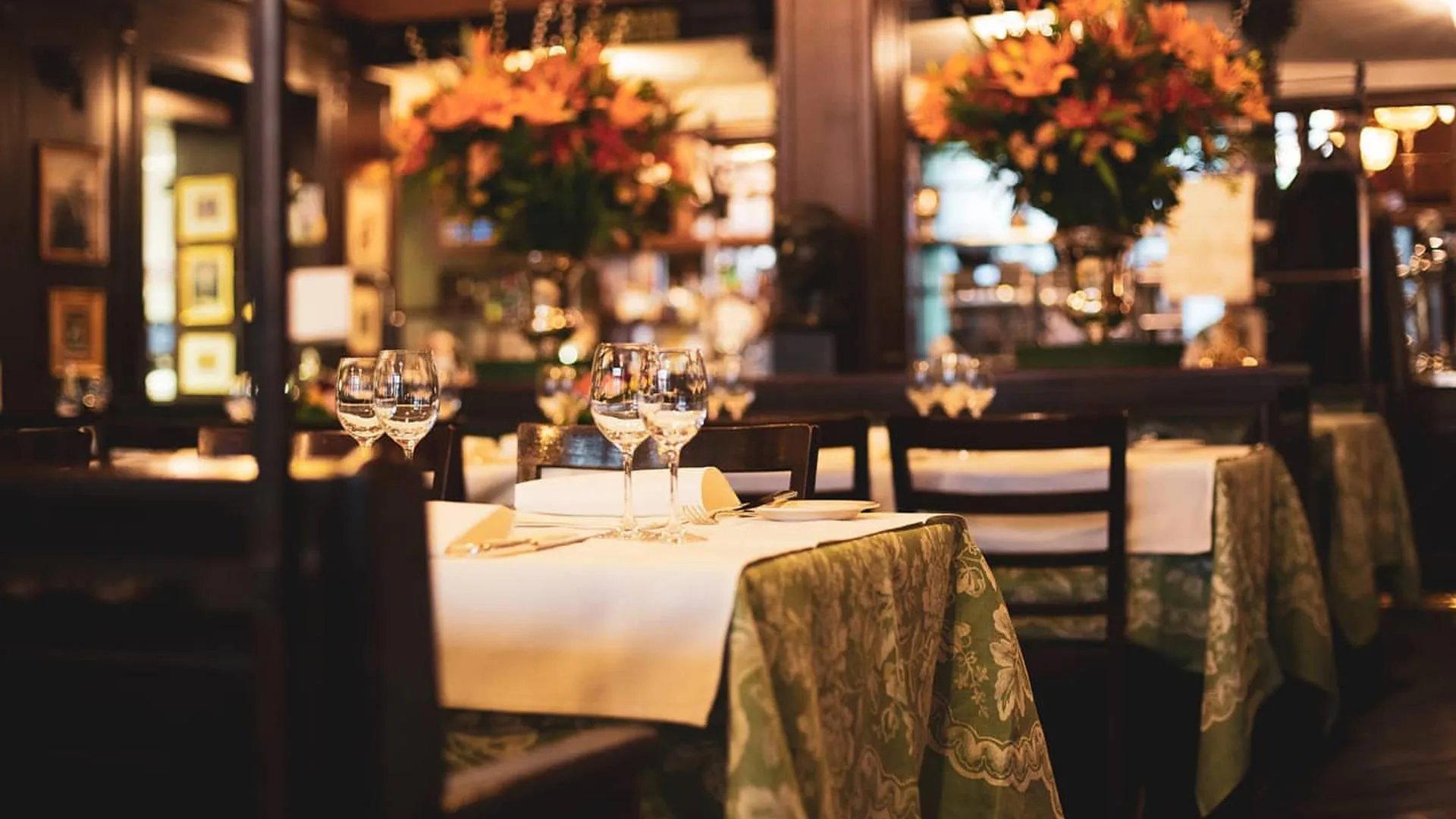
Cozy and warm atmosphere with friendly service.