Wakizashi sits on Štúrova street in Topolčany, a western Slovak town where Japanese-inflected dining formats are rare enough to register. The name references a short Japanese sword, signalling an intent that reaches beyond the regional norm. For Slovak Central Region diners curious about where ingredient sourcing meets kitchen discipline, it merits attention.
Pearl is the En Primeur Club membership app — saves, bookings, and concierge access live there. Same editors, same standards.
- Address
- Štúrova 4652/11, 955 01 Topoľčany, Slovakia
- Phone
- +421910333780
- Website
- wakizashi.sk
- Directions
- Get directions
 Saves & bookings on Pearl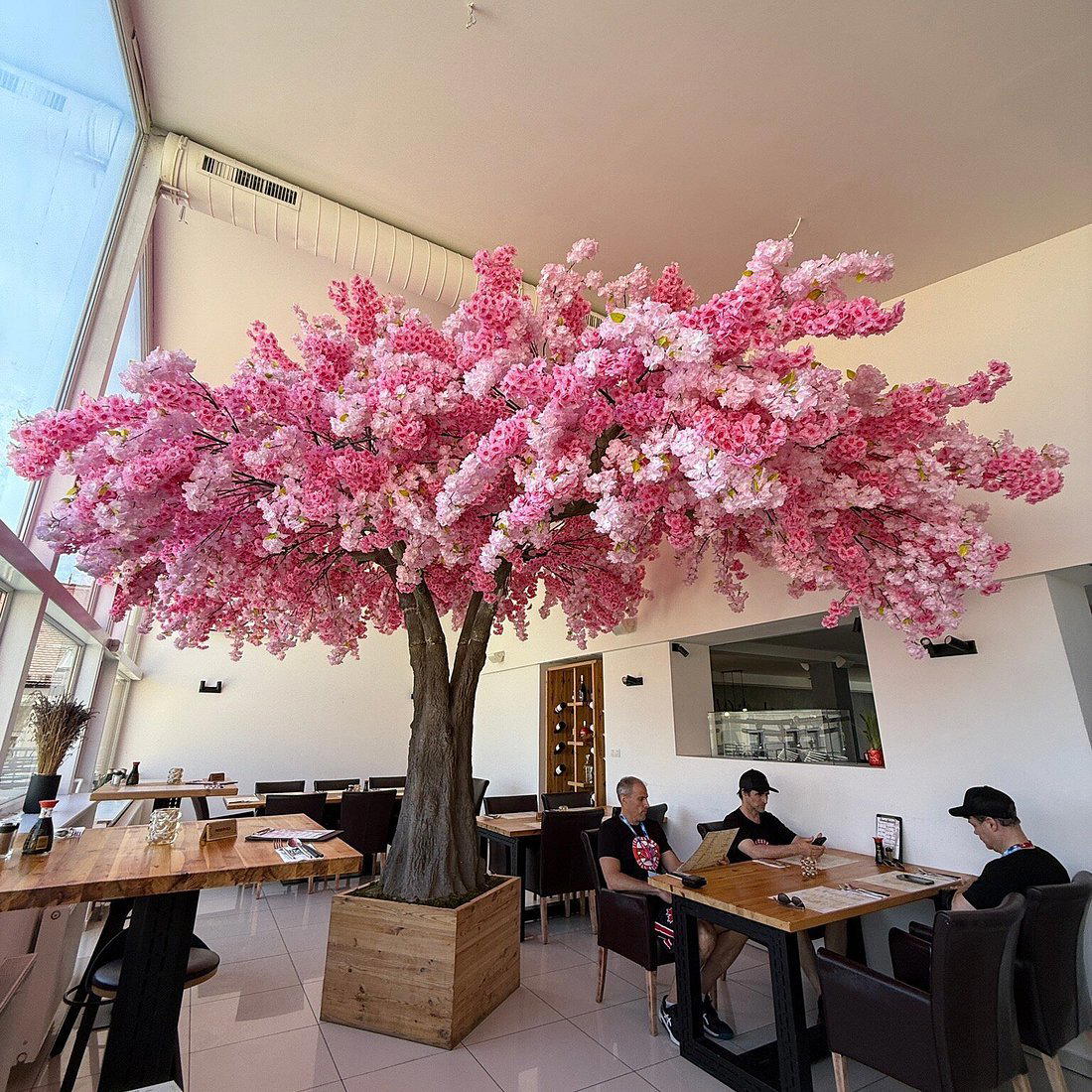
A Japanese Name in a Slovak Market Town
Topolčany is a working agricultural town in western Slovakia, set among the Nitra Region's grain fields and wine-producing slopes. Its restaurant scene runs predominantly Slovak and Central European, shaped by local supply chains and a clientele that eats close to home. Wakizashi is a Japanese sushi bar in Topoľčany, Slovakia. The word refers to the shorter companion blade of a samurai's katana, a name that signals Japanese sensibility in a market where such reference points are sparse.
In smaller Slovak cities, the gap between a restaurant's name and its actual culinary program can be wide. Towns like Topolčany have historically attracted venues that adopt international branding while operating broadly Slovak kitchens.
Ingredient Geography in Central Slovakia
Japan's culinary tradition at its most rigorous is inseparable from provenance: the fish market, the specific farm, the regional rice variety. Replicating that discipline in landlocked Central Slovakia requires either a credible cold-chain from coastal suppliers, a creative pivot toward locally available proteins and produce interpreted through Japanese technique, or an honest hybrid that draws on both. Each approach produces a different dining proposition.
The Nitra Region surrounding Topolčany produces pork, poultry, freshwater fish from local rivers, and a range of seasonal vegetables tied to the agricultural calendar. A kitchen that works with those ingredients, applying Japanese structural ideas like precise cutting, temperature control, and restraint in seasoning, can produce food that is locally grounded and technically ambitious. Venues doing this well across Central Europe have found a more coherent identity than those attempting to source fish over distance without the logistics to maintain quality. Fatrabeef in Lubochna demonstrates the credibility that comes from anchoring a menu to a named regional supply chain, and it's a model worth noting when assessing what provenance-led dining can look like in the Slovak interior.
Slovak cuisine itself has strong ingredient traditions: smoked meats, sheep's milk cheese from upland farms, wild mushrooms from the Carpathian foothills, and game that arrives seasonally from managed forests. A kitchen drawing on those materials while operating with Japanese-influenced technique has genuine raw material to work with.
The Regional Context for Japanese-Influenced Dining
Japanese dining formats have established a meaningful footprint in Bratislava over the past decade, with sushi restaurants and ramen shops appearing alongside more traditional Slovak options. The capital has the population density and international visitor base to sustain those concepts at reasonable quality. In smaller regional cities, the story is different. Nitra, roughly 30 kilometres from Topolčany, has seen some diversification. Topolčany itself sits at a scale where a single well-executed Japanese-inflected venue can define the category for the entire area.
The challenge scales differently in a town of Topolčany's size.
The Topolčany Dining Scene as Setting
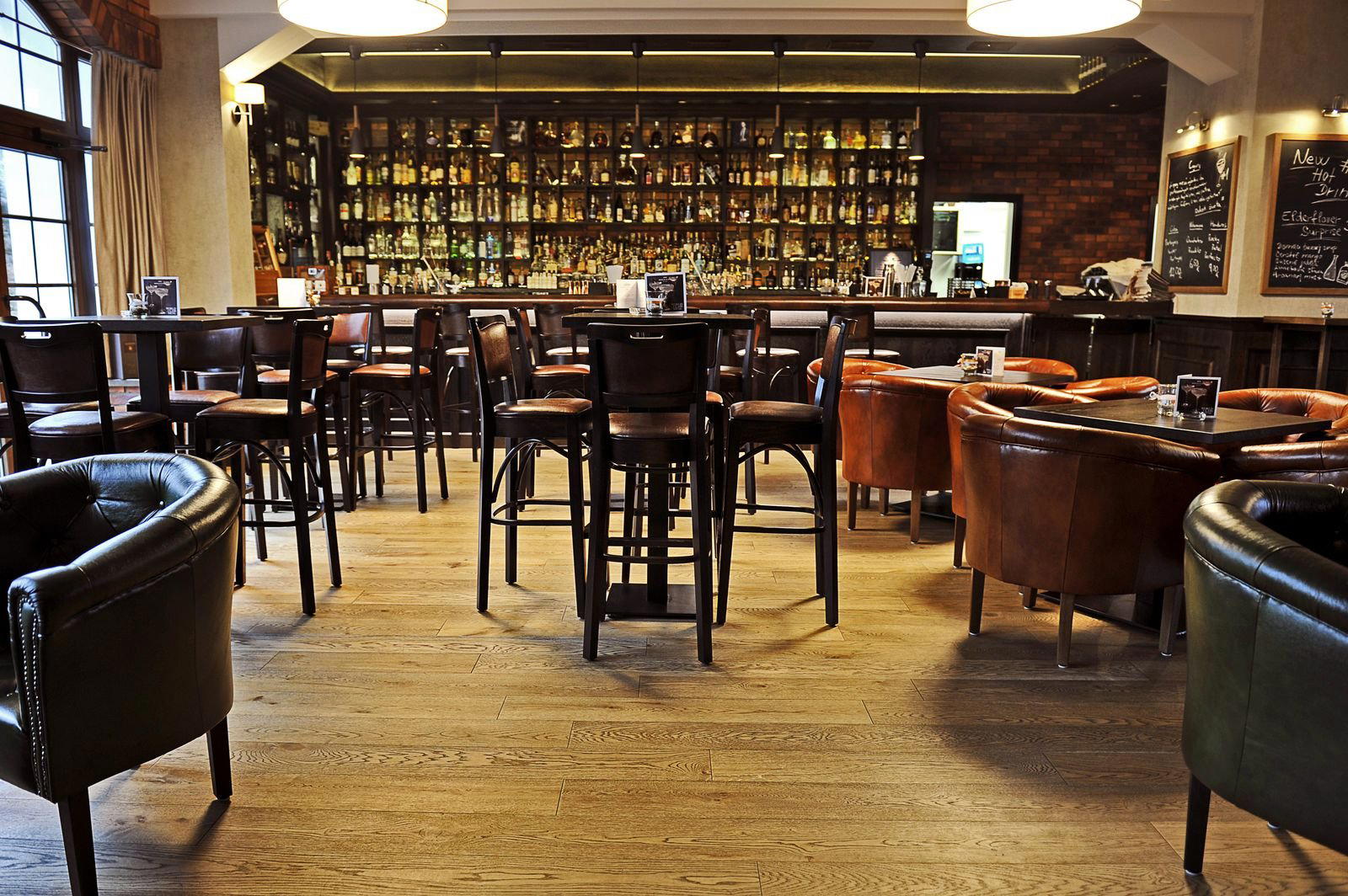
Štúrova street sits in the central part of Topolčany, accessible on foot from the town square. The town draws primarily a local Slovak clientele, with some regional tourism linked to the nearby Topolčianky manor and the broader Nitra wine country. Dining here tends toward the informal and familiar, with traditional Slovak kolibas and Central European gastropubs setting the tone. Within that context, a venue with Japanese naming conventions reads as a deliberate differentiation, appealing to local diners looking for something outside the regional norm and to visitors arriving from Nitra or Bratislava who want more than the standard regional menu.
Afrodita in Čereňany and Klára v GOYA vitality hotel in Voderady are close enough geographically to function as practical alternatives if Wakizashi does not suit. For those moving further east, Bulli Kebab in Košice reflects how international street-food formats have found ground in Slovakia's second city, and Kaštieľ Čičmany in Čičmany and Hotel and Restaurant Drak in Liptovský Mikuláš offer points of comparison in the Slovak interior. Wild Kitchen Modra in Modra is worth noting for its own take on sourcing from Slovak land.
Planning a Visit
Wakizashi is located at Štúrova 4652/11 in the centre of Topoľčany. The restaurant is open Monday through Thursday from 11 AM to 10 PM, Friday and Saturday from 11 AM to 11 PM, and closed on Sunday. Reservations are recommended. The address places the restaurant within walking distance of the town centre.
Fast Comparison
Comparable venues nearby, for context on price, style, and recognition.
| Venue | Cuisine | Price | Notes |
|---|---|---|---|
| WakizashiThis venue — the venue you are viewing | Japanese Sushi Bar | $$ | Not listed |
| TERRA Jasová | Slovak Farm-to-Table | $$ | Jasova |
| Muzika Restaurant | Steakhouse & International | $$ | Bojnice |
| Café Devín | Modern Pressburg Café Cuisine | $$ | Staré Mesto |
| Kaštieľ Čičmany | Traditional Slovak | $$ | Cicmany |
| Leberfinger | Traditional Slovak Pressburg Cuisine | $$ | Petržalka |
Continue exploring
More in Topolcany
Restaurants in Topolcany
Browse all →
Bars in Topolcany
Browse all →

At a Glance
- Date Night
Current opening hours
- Monday
- 11 AM–10 PM
- Tuesday
- 11 AM–10 PM
- Wednesday
- 11 AM–10 PM
- Thursday
- 11 AM–10 PM
- Friday
- 11 AM–11 PM
- Saturday
- 11 AM–11 PM
- Sunday
- Closed
Hours can change for holidays and private events. Last verified .
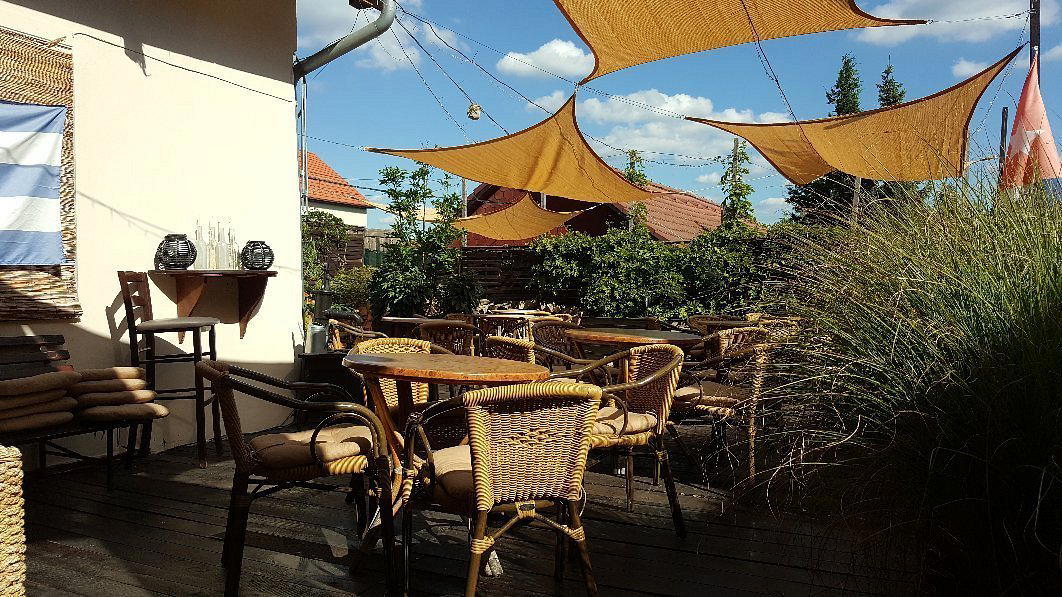
Clean and inviting with a beautiful setting.