wagamama ealing
Our verdict
Wagamama Ealing sits inside The Broadway shopping centre on Ealing High Street, part of the pan-Asian chain that helped shift London's appetite for fast-casual Japanese-inspired eating. The format is familiar, long communal tables, a menu built around ramen, rice bowls, and gyoza, but its West London location makes it a practical stop for a neighbourhood that sits some distance from the city's denser dining corridors.

Pearl is the En Primeur Club membership app, where members save venues, book tables and use the concierge.
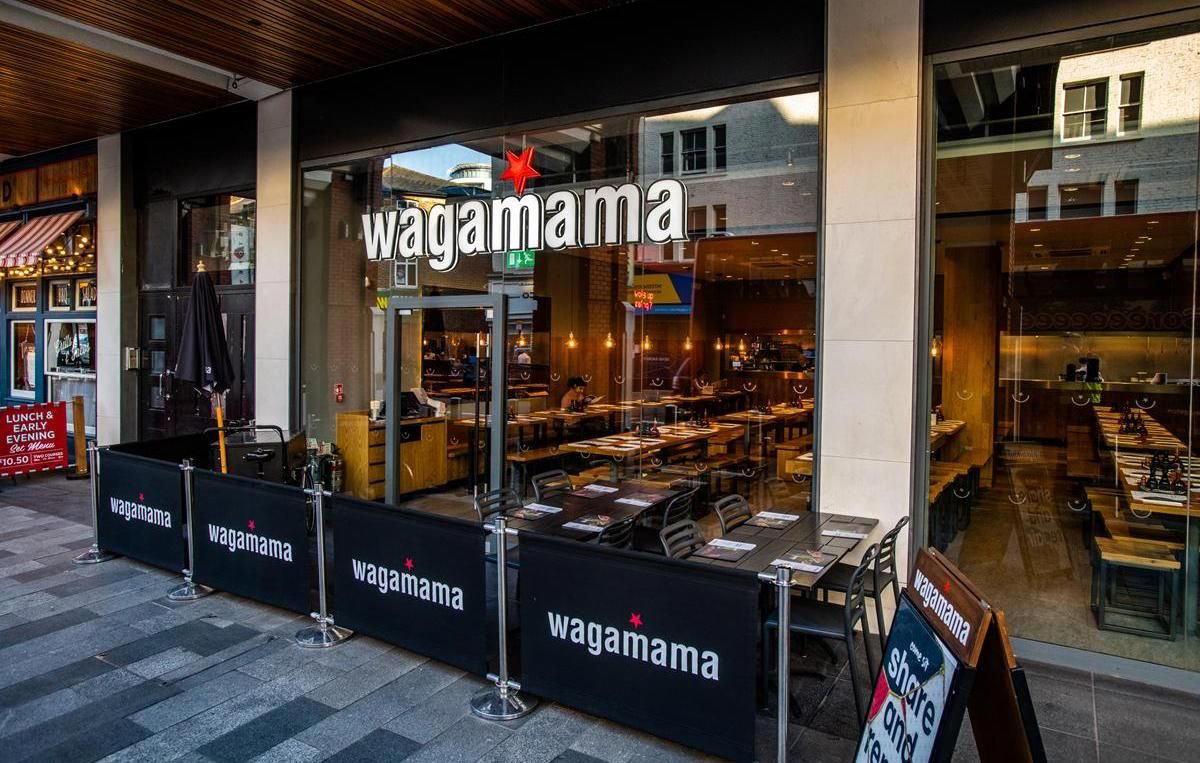
Fast-Casual Pan-Asian Eating and Where Wagamama Ealing Sits in the Broader Picture
London's fast-casual pan-Asian category has been one of the more instructive stories in British dining over the past three decades. When wagamama opened its first site on Streatham Street in Bloomsbury in 1992, the communal bench format, open kitchen, and stripped-back Japanese-inspired menu were genuinely at odds with how most Londoners expected to eat. The chain that grew from that model now operates across dozens of UK locations, and the Ealing branch, occupying a unit within The Broadway shopping centre at 11 High St, represents the mature, mid-period iteration of that format: familiar, consistent, and positioned firmly in the accessible end of the West London dining market.
Understanding what wagamama Ealing is requires understanding what the category became. The chain sits in the tier of casual dining that prioritises throughput and reliability over experimentation. If the north of London's dining conversation in 2025 runs through Michelin-decorated rooms, places like CORE by Clare Smyth or The Ledbury, wagamama occupies a structurally different position: it is a chain operating in a neighbourhood context, not a destination in the fine-dining sense. That is not a criticism; it is a category distinction that matters when setting expectations.
How the Wagamama Format Has Shifted Over Time
The evolution of wagamama as a brand tracks closely with changes in how British diners engage with Asian food at the casual end. In its early years, the brand's value was novelty: the ramen-centric menu was unfamiliar to mainstream audiences, and the communal table format was a minor provocation. By the 2010s, the format had been absorbed into the mainstream, and the brand responded with periodic menu refreshes, adding more plant-based options, broadening the Southeast Asian references beyond Japan, and adjusting the visual identity of its sites.
The Ealing location, positioned inside a shopping centre, reflects the chain's strategic move into suburban retail anchors. This placement pattern became common across many UK casual dining brands during the 2010s, when out-of-town retail parks and suburban high streets offered lower rent and stronger footfall relative to saturated central London sites. For Ealing specifically, The Broadway provides a catchment of shoppers rather than destination diners, which shapes the rhythm of service considerably. This is a site built for lunch trade and pre-evening turnover, not the kind of extended sitting that defines the upper end of the London dining market. Compare that against destination venues like Dinner by Heston Blumenthal or Sketch, The Lecture Room and Library, and the operating logic is entirely different.
The Menu Logic: Japanese-Inspired, Broadly Accessible
Wagamama's menu has always drawn more from the conventions of Japanese casual eating, ramen, katsu curry, gyoza, than from any strict regional fidelity. The katsu curry, in particular, became something of a cultural shorthand for the brand: a panko-crumbed protein over rice with a mild curry sauce that reads as approachable to diners who have little experience with Japanese food. Whether that constitutes an authentic representation of Japanese cuisine is beside the point for this kind of operation; the menu is designed for broad accessibility, not for the specialist diner seeking regional precision.
Over successive menu cycles, the Ealing site would carry the same national menu as other wagamama locations, with additions reflecting the chain's broader pivot toward plant-based dishes, a shift that accelerated across the industry in the late 2010s. The chain's menu development is centralised, meaning there is no chef-led deviation at individual sites. For a reader comparing this to, say, the kitchen autonomy at Restaurant Gordon Ramsay, the structural difference is total.
For those seeking award-recognised Japanese cooking at a higher register, the UK offers compelling alternatives at the destination level: Le Manoir aux Quat'Saisons in Oxford, L'Enclume in Cartmel, and Moor Hall in Aughton operate in a different register entirely, as do internationally recognised counters like Atomix in New York City for Korean fine dining comparisons. The point is not that wagamama aspires to that tier, but that locating it clearly in the category map helps the reader calibrate expectations.
Ealing as a Dining Neighbourhood
Ealing sits in West London's Zone 3, accessible from central London via the Elizabeth line and the District line. Its dining character is shaped by a mid-market suburban demographic: there is a reasonable range of independent restaurants alongside chains, but Ealing is not a neighbourhood that draws destination diners from across the city in the way that areas like Notting Hill or Marylebone do. The Broadway shopping centre anchors a high street that functions primarily for local residents rather than visitors. Within that context, wagamama operates as one of several recognisable casual dining brands, competing on familiarity and consistency rather than distinction.
For those planning a broader London itinerary that includes the western suburbs, our full London restaurants guide maps the range from neighbourhood staples through to the city's most decorated dining rooms. Venues further afield, including Waterside Inn in Bray, Gidleigh Park in Chagford, and Hand and Flowers in Marlow, are reachable from West London with a car or train, for readers who want to combine a suburban base with day-trip dining.
The Elizabeth line has meaningfully shortened journey times between Ealing Broadway and central London since its phased opening from 2022, which makes the area more viable as an overnight base for visitors. That logistical shift has not dramatically altered Ealing's dining profile at the upper end, but it does make the neighbourhood more connected than it was in the pre-Crossrail era.
Planning a Visit
The Ealing site operates within shopping centre hours, which in practice means it is open through the day and into the evening, capturing both lunch footfall and early-evening diners. Walk-in is standard practice at wagamama locations; the format does not lend itself to a reservation-led model in the way that smaller, higher-end rooms do. Queue times vary by day and daypart, weekend lunches tend to draw families and shoppers, while weekday evenings are generally quieter. Pricing sits at the lower end of the London casual dining market, well below the ££££ bracket occupied by hide and fox in Saltwood, Midsummer House in Cambridge, or Opheem in Birmingham. For visitors building a UK itinerary that also includes Restaurant Andrew Fairlie in Auchterarder, wagamama Ealing represents the opposite end of the pricing and formality spectrum, useful context for trip planning rather than a competitor comparison.
Frequently asked questions
Would wagamama ealing be comfortable with kids?
Wagamama's format works well for families. The communal benches, quick service, and a menu built around accessible dishes like katsu curry and noodle bowls reduce the friction of dining with children. The Broadway shopping centre location at 11 High St also means pushchair access is straightforward.
What kind of setting is wagamama ealing?
The Ealing site follows wagamama's standard communal canteen format: long benches, an open kitchen, and a pace that leans toward efficient rather than leisurely. It sits inside The Broadway shopping centre on High Street, which shapes the flow of trade toward lunch crowds and early evening diners moving through West London's Zone 3.
Is wagamama Ealing a good option before or after shopping at The Broadway?
The Ealing site is located directly within The Broadway shopping centre at 11 High St, W5 5DB, which makes it a practical stop integrated into a shopping trip rather than a detour from one. Operating hours align with the centre's trading day, covering both the midday and post-work windows that define footfall in that part of West London.
What should I eat at wagamama ealing?
Wagamama's menu draws primarily from Japanese casual eating conventions, so ramen, katsu curry, and gyoza represent the core of what the kitchen is built around. These dishes have been the structural backbone of the brand since it launched in London in the 1990s and remain the most consistent choices across all sites.
Where exactly is wagamama ealing?
wagamama ealing is located at shopping centre, 11 High St, The Broadway, London W5 5DB, United Kingdom, London.
Can I walk in to wagamama ealing?
Walk-ins are standard at wagamama. The Ealing site operates within shopping centre hours, which means it runs through lunch and into the evening without a reservations-only policy. Waits at peak times are possible, but the communal seating model means tables turn faster than in a conventional restaurant.
What's wagamama ealing best at?
The format delivers reliable Japanese-inspired fast casual eating at consistent quality across a broad menu. Ramen and katsu curry are the dishes most closely tied to the brand's identity since it entered British dining in 1992, and both remain the reference points by which regular customers measure individual sites.
Recognition, Side-by-Side
Comparable venues nearby, for context on price, style, and recognition.
| Venue | Cuisine | Price | Notes |
|---|---|---|---|
| wagamama ealingThis venue (the venue you are viewing) | Japanese-inspired Pan-Asian Ramen and Noodles | $20–30 | Not listed |
| Kuyamoto | Casual Japanese Sushi | $20–30 | Acton Green |
| Kiku | Authentic Japanese Sushi & Kaiseki | $30–50 | Mayfair |
| Sticks'n'Sushi | Japanese-Danish Sushi & Yakitori | $30–50 | Nine Elms |
| Kulu Kulu | Conveyor Belt Sushi | $20–30 | Soho |
| Jeux Jeux | Hiroshima-Style Okonomiyaki | $20–30 | South Bank |
Continue exploring
More in London
Restaurants in London
All restaurants in London →
Bars in London
All bars in London →
Hotels in London
All hotels in London →



Details
- Lively
- Modern
- Trendy
- Group Dining
- Casual Hangout
- Family
- Open Kitchen
- Beer Program
- A La Carte
- Small Plates
- Vegetarian Friendly
- Vegan Options
- Gluten Free Options
Current opening hours
- Monday
- 11 AM–10 PM
- Tuesday
- 11 AM–10 PM
- Wednesday
- 11 AM–10 PM
- Thursday
- 11 AM–11 PM
- Friday
- 11 AM–11 PM
- Saturday
- 11 AM–11 PM
- Sunday
- 11 AM–10 PM
Hours can change for holidays and private events. Hours as of .
Bright, energetic atmosphere with open kitchen and lively vibe focused on quick, shareable meals.