On a quiet stretch of Fasaneriestraße in the Neuhausen district, Osteria da Antonio represents the kind of neighbourhood Italian that Munich's more food-serious residents rely on without fanfare. In a city whose fine dining tier tilts heavily toward French and Japanese-influenced tasting menus, a well-executed Italian osteria occupies a different and genuinely useful position in the eating week.
Pearl is the En Primeur Club membership app — saves, bookings, and concierge access live there. Same editors, same standards.
- Address
- Fasaneriestraße 4, 80636 München, Germany
- Phone
- +4949891231265
- Website
- osteria-antonio.de
- Directions
- Get directions
 Saves & bookings on Pearl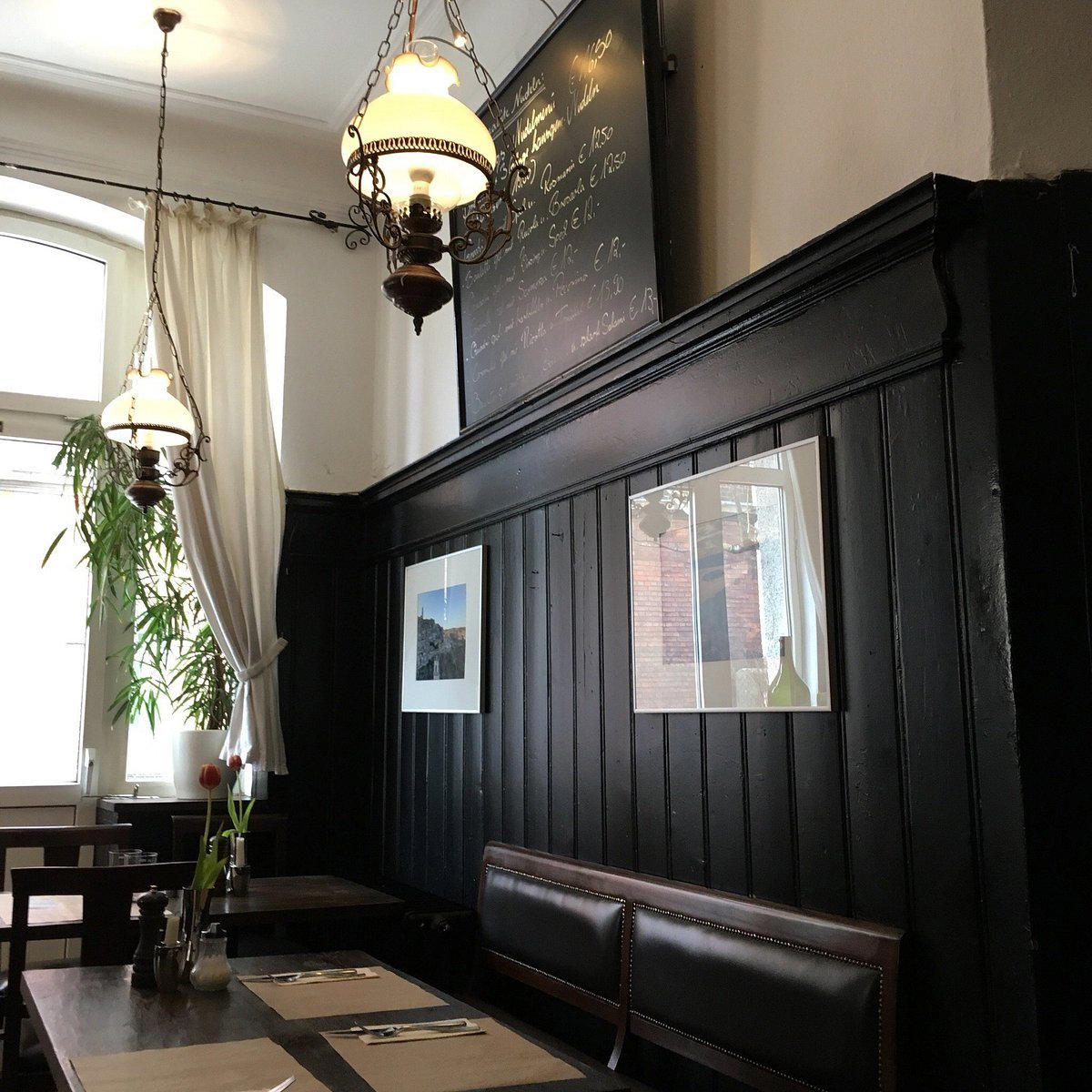
Where Neuhausen Eats Without the Theatre
Munich's restaurant culture divides along a fairly clear axis. On one side sit the tasting-menu addresses, Tantris, Atelier, JAN, Tohru in der Schreiberei, Alois - Dallmayr Fine Dining, where the format is fixed and the commitment is total. On the other side sits the broader mass of restaurants where the cooking ranges from dutiful to careless. The middle ground, the place where skill meets informality and where you can order two courses without a raised eyebrow, is harder to find in Munich than in many comparable European cities. Osteria da Antonio, at Fasaneriestraße 4 in Neuhausen-Nymphenburg, occupies that middle register. The neighbourhood itself sets the tone: residential, westward-leaning, a short walk from Nymphenburg Palace, and notably free of the tourist density that shapes the centre's restaurant economics. A room here draws locals who return on routine rather than on occasion.
The Logic of the Italian Osteria in a German City
Italy's osteria format travels well because its rules are loose but its values are specific. It asks for good produce, honest cooking, wine chosen for the table rather than the list, and a pace that lets conversation breathe. In Germany, that format has been adopted with varying degrees of conviction. Munich has a longer and more serious relationship with Italian food than most German cities, its proximity to Bolzano and Verona, its historic trade and tourism corridors running south, and a sizeable Italian-heritage population have kept the standard relatively high. The result is that Munich diners read Italian cooking with some fluency, which raises the bar for what passes as credible. An osteria here cannot rely on novelty or exoticism; it has to be actually correct.
That pressure shapes how a room like this functions. The progression of a meal at a credible Italian osteria follows a logic that fine dining in the French or contemporary-Japanese tradition does not always share: it moves from the simple to the substantial rather than from the complex to the concentrated. An antipasto arrives not as a statement but as an opening argument, cured meat, a roasted vegetable, something that reads the season without dramatising it. The pasta course, wherever it falls in the sequence, is the structural centre, the moment where technique becomes most legible. What follows, whether a secondo of meat or fish, functions as resolution rather than climax. Dessert, when it matters, is restrained. Germany's broader fine dining scene, from Aqua in Wolfsburg to Schwarzwaldstube in Baiersbronn, tends toward a different architecture, more theatrical, more multi-act. The osteria's meal structure is quieter, and that quietness is a deliberate feature rather than a limitation.
Reading the Meal in Sequence
For a diner approaching Osteria da Antonio with some knowledge of the category, one useful frame is not what is ordered but how the meal is likely to move. The address on Fasaneriestraße serves a residential catchment, which means the kitchen is calibrated for return visits rather than single-occasion spectacle. That calibration tends to produce a particular style of cooking: seasonal without being evangelical about it, classical in its Italian references without being archival, and generous in portion weight in a way that tasting-menu formats deliberately avoid.
The antipasto tier at a room of this type typically establishes register, whether the kitchen is leaning rustic or leaning toward something more edited. A bruschetta or affettati misti signals the former; something grilled or marinated with more attention to acidity and balance signals the latter. Either approach can work, but they imply different expectations for what follows. The pasta course is where an osteria's identity becomes clearest. Hand-rolled formats, fresh egg pasta, or dried pasta treated with care for water and fat ratios, these are not interchangeable choices. A kitchen that handles pasta well is making a claim about its relationship to Italian technique, and that claim either holds under scrutiny or it doesn't. The secondo, by contrast, operates on a different register entirely: it is about the quality of the ingredient as much as the cooking, and in a city where good meat sourcing is more reliable than it was a decade ago, a well-sourced main course communicates something real about a restaurant's supply relationships.
Across Germany's more ambitious Italian rooms, and the comparison is useful here because it establishes what the category can achieve, the distinction between a kitchen genuinely working in Italian tradition and one producing an approximation is almost always visible at the pasta stage. Venues like CODA Dessert Dining in Berlin have shown how German kitchens can commit seriously to a format when the conceptual framework is clear. The osteria, with its lower-register ambitions, demands a different kind of commitment: less invention, more consistency.
Neuhausen as a Context
The Neuhausen-Nymphenburg district has a dining character distinct from Schwabing or the Altstadt. It skews toward residents with spending power but without much appetite for performative dining. The area's restaurant range runs from solid Bavarian gastropubs to a handful of international addresses that work at a serious level without requiring the full ceremony of a tasting menu evening. Fasaneriestraße itself is a residential artery rather than a restaurant street, which places Osteria da Antonio in the category of neighbourhood anchor rather than destination address. That distinction matters for how to use it: this is a place to return to regularly, not necessarily to travel across the city for on a single visit. That said, the density of Munich's fine dining at the leading end, and the full list of the city's most acclaimed addresses is worth reviewing in our full Munich restaurants guide, makes the reliable middle tier more valuable, not less. Elsewhere in Germany, the search for that middle tier has produced strong results in unexpected locations: Schanz in Piesport, Bagatelle in Trier, and Vendôme in Bergisch Gladbach each occupy a defined position in their local eating ecology. The principle holds across cities: knowing where a restaurant sits relative to its neighbourhood is as useful as knowing where it sits relative to national fine dining rankings.
Planning Your Visit
- Address: Fasaneriestraße 4, 80636 München, Germany
- District: Neuhausen-Nymphenburg, west-central Munich
- Getting there: U-Bahn Rotkreuzplatz (U1/U7) is the nearest metro stop, approximately a 10-minute walk north along Nymphenburger Straße
- Booking: Contact details are not listed; visiting in person or searching current platforms for updated contact information is advisable
- Dress code: No formal code expected at an osteria of this type; smart casual is appropriate
Quick Comparison
Comparable venues nearby, for context on price, style, and recognition.
| Venue | Cuisine | Price | Notes |
|---|---|---|---|
| Osteria da AntonioThis venue — the venue you are viewing | Traditional Regional Italian | $$ | Not listed |
| Trattoria Pizzeria La Valle | Traditional Italian Trattoria & Wood-Fired Pizza | $$ | Altstadt |
| Dal Cavaliere | Authentic Italian Pizza and Pasta | $$ | Haidhausen |
| Trattoria Lia | Authentic Italian Trattoria | $$ | Pipping |
| Emporio Italiano | Authentic Italian Trattoria | $$ | Neuhausen |
| Pizzesco | Italian Pizza with Gluten-Free Options | $$ | Au |
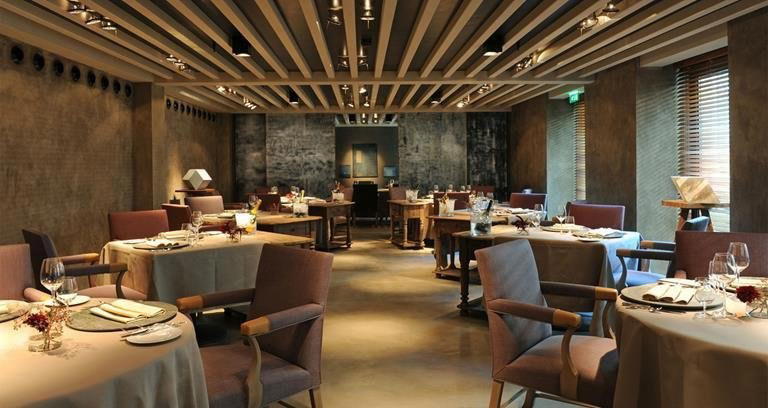
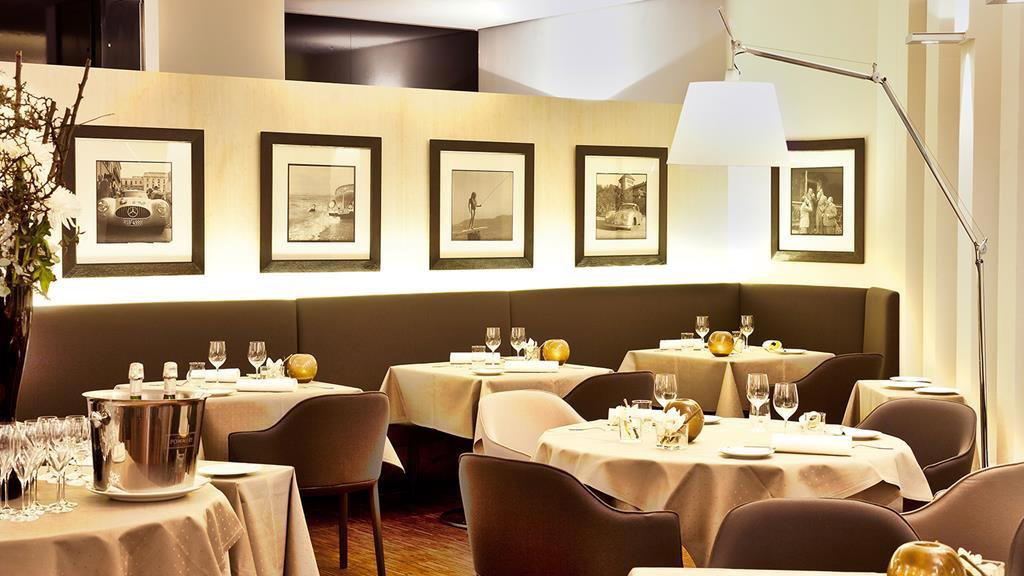
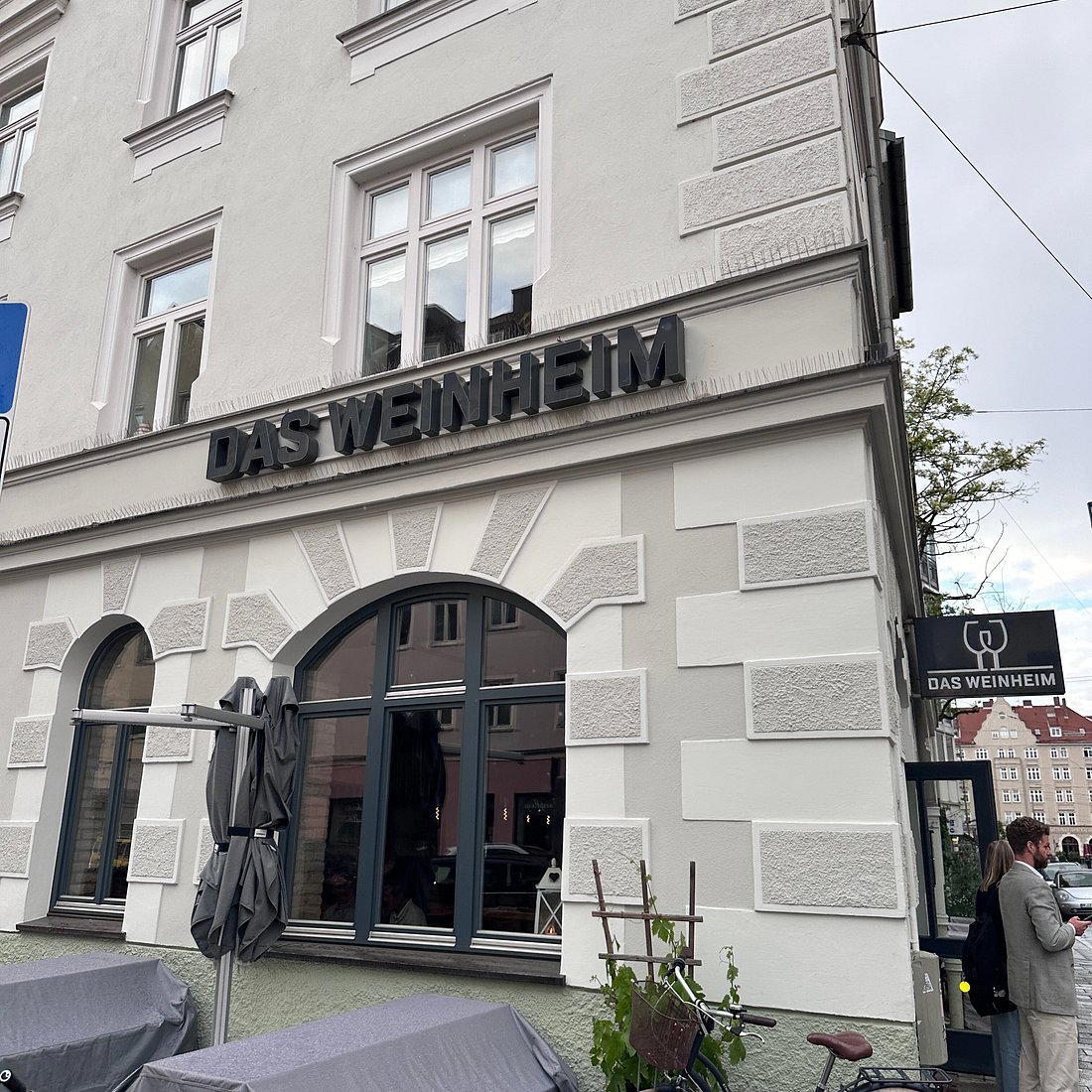
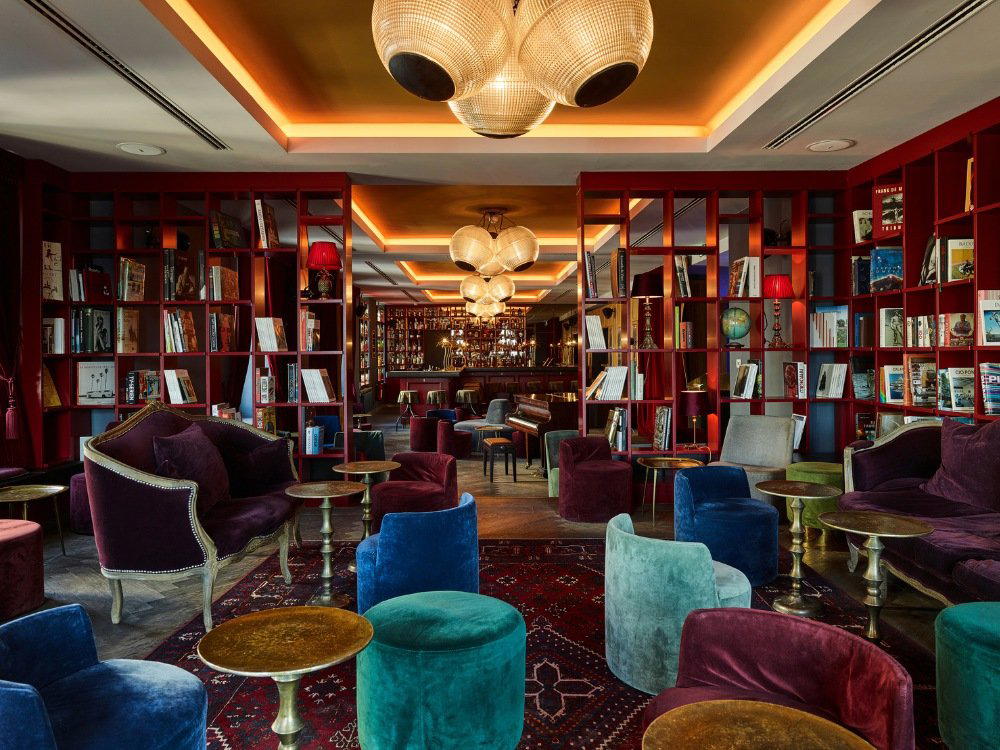
At a Glance
- Cozy
- Classic
- Intimate
- Casual Hangout
- Group Dining
- Family
- Standalone
Current opening hours
- Monday
- 11:30 AM–2 PM, 6–11 PM
- Tuesday
- 11:30 AM–2 PM, 6–11 PM
- Wednesday
- 11:30 AM–2 PM, 6–11 PM
- Thursday
- 11:30 AM–2 PM, 6–11 PM
- Friday
- 11:30 AM–2 PM, 6–11 PM
- Saturday
- Closed
- Sunday
- 6–11 PM
Hours can change for holidays and private events. Last verified .
Cosy, intimate family restaurant with warm hospitality and welcoming atmosphere.