Villa Verde

Michelin Plate
Our verdict
A Michelin Plate-recognised address in the vineyard country south of Santiago de Compostela, Villa Verde occupies an 18th-century stone property where a traditional lareira fireplace and vaulted wine cellar set the tone for home-style Galician cooking. Seasonal wild mushrooms, angler fish, and baked hake with sea urchin anchor a menu priced at the accessible end of the region's dining spectrum, making it a sound choice for visitors exploring the Ulla valley.

Pearl is the En Primeur Club membership app — saves, bookings, and concierge access live there. Same editors, same standards.
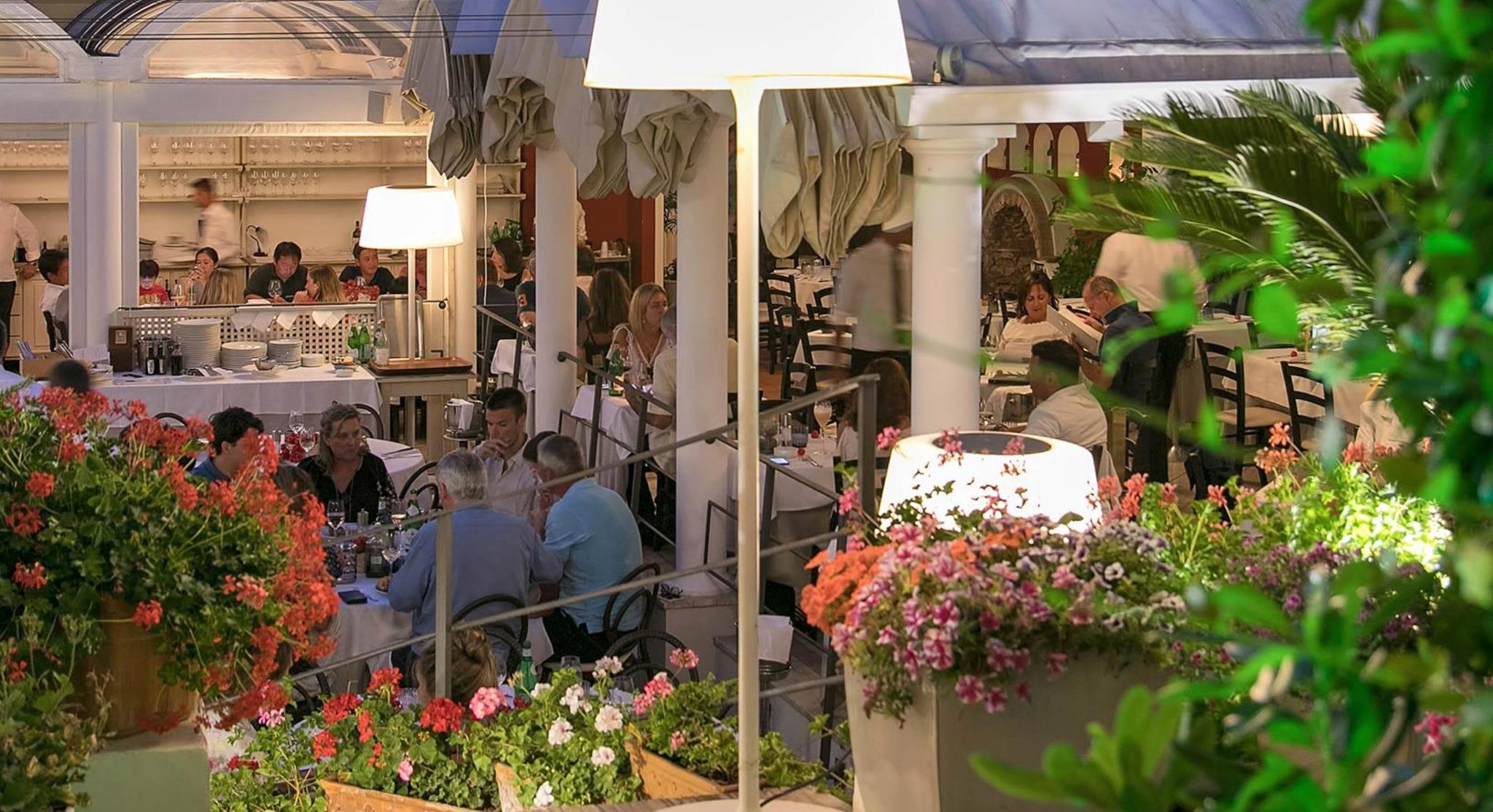
The menu
What to order
- Baked hake with sea urchin
- Lobster rice (Arroz a la Bogavante)
- Galician-style hake
- Stuffed zucchini flowers
- Veal chop
Stone, Smoke, and the Galician Table
The stretch of countryside between Santiago de Compostela and the Ulla valley is not where most visitors to Galicia think to eat seriously. The pilgrim trail pulls attention northward into the city, and the region's coastal restaurants claim the seafood narrative. Yet this inland corridor, dense with pazos (the granite manor houses that signal old agrarian wealth) and threaded with vineyards, has maintained a quieter tradition of cooking that draws directly from the land rather than performing for tourists. Villa Verde sits inside that tradition. The 18th-century stone building that houses the restaurant predates the modern dining industry by roughly two centuries, and the cooking inside operates on a similar timescale: seasonal, local, and largely uninterested in novelty.
What the Building Tells You Before You Eat
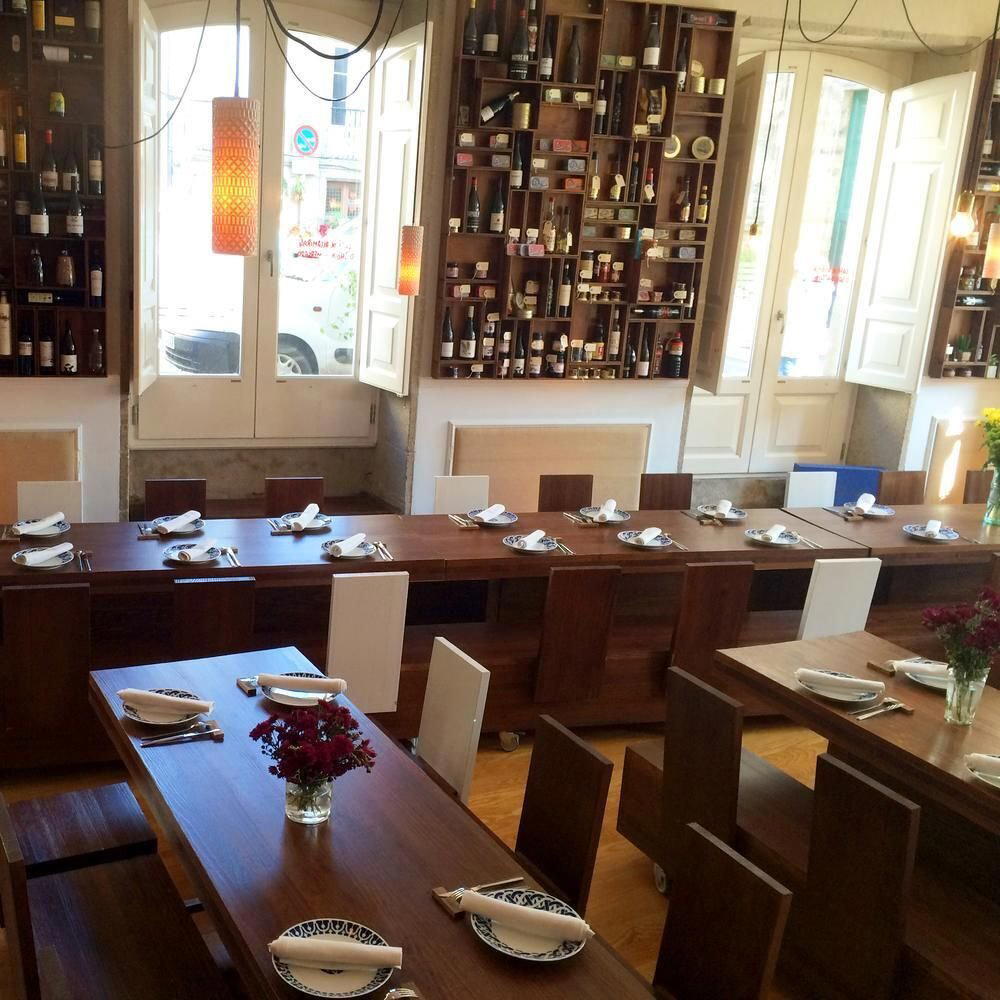
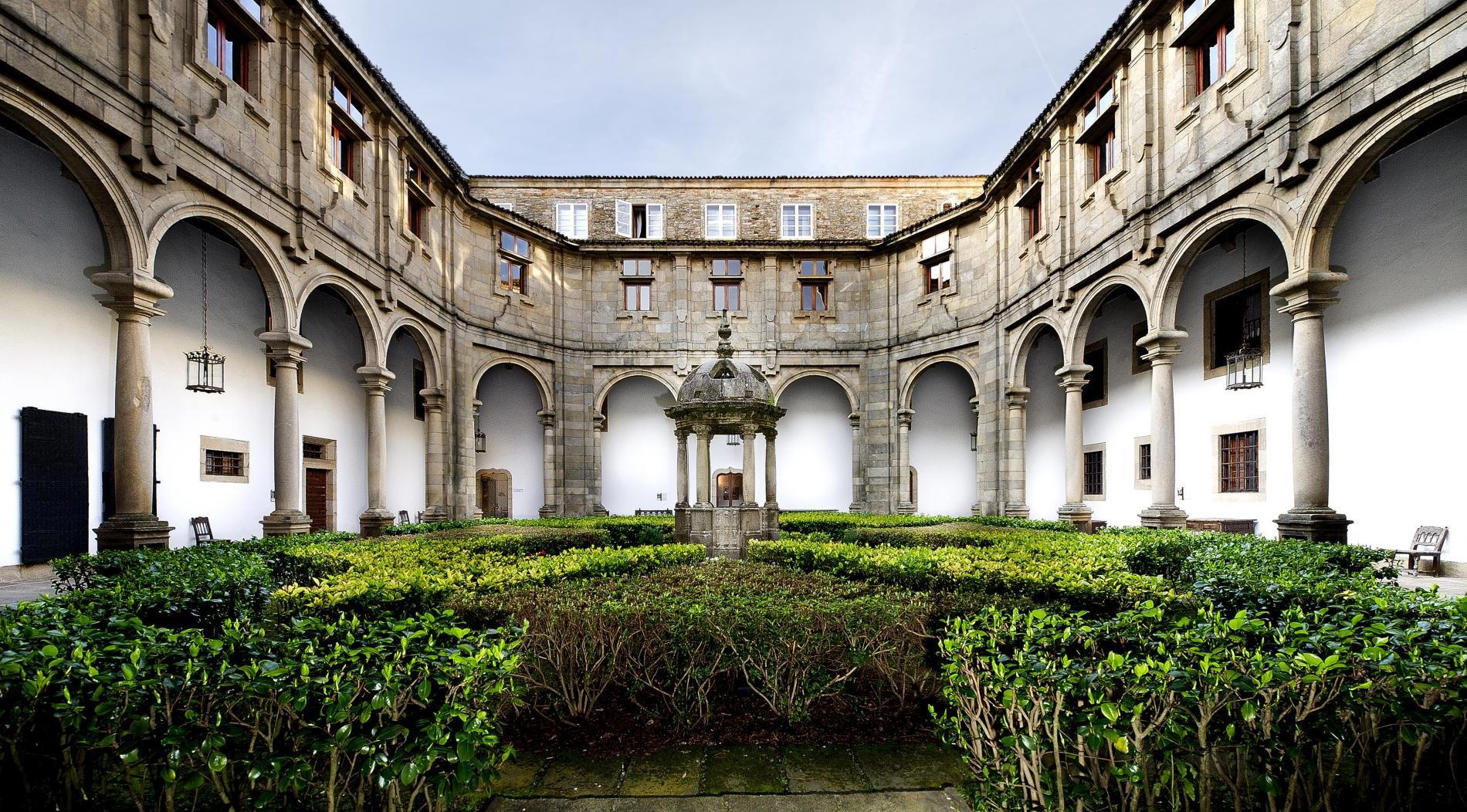
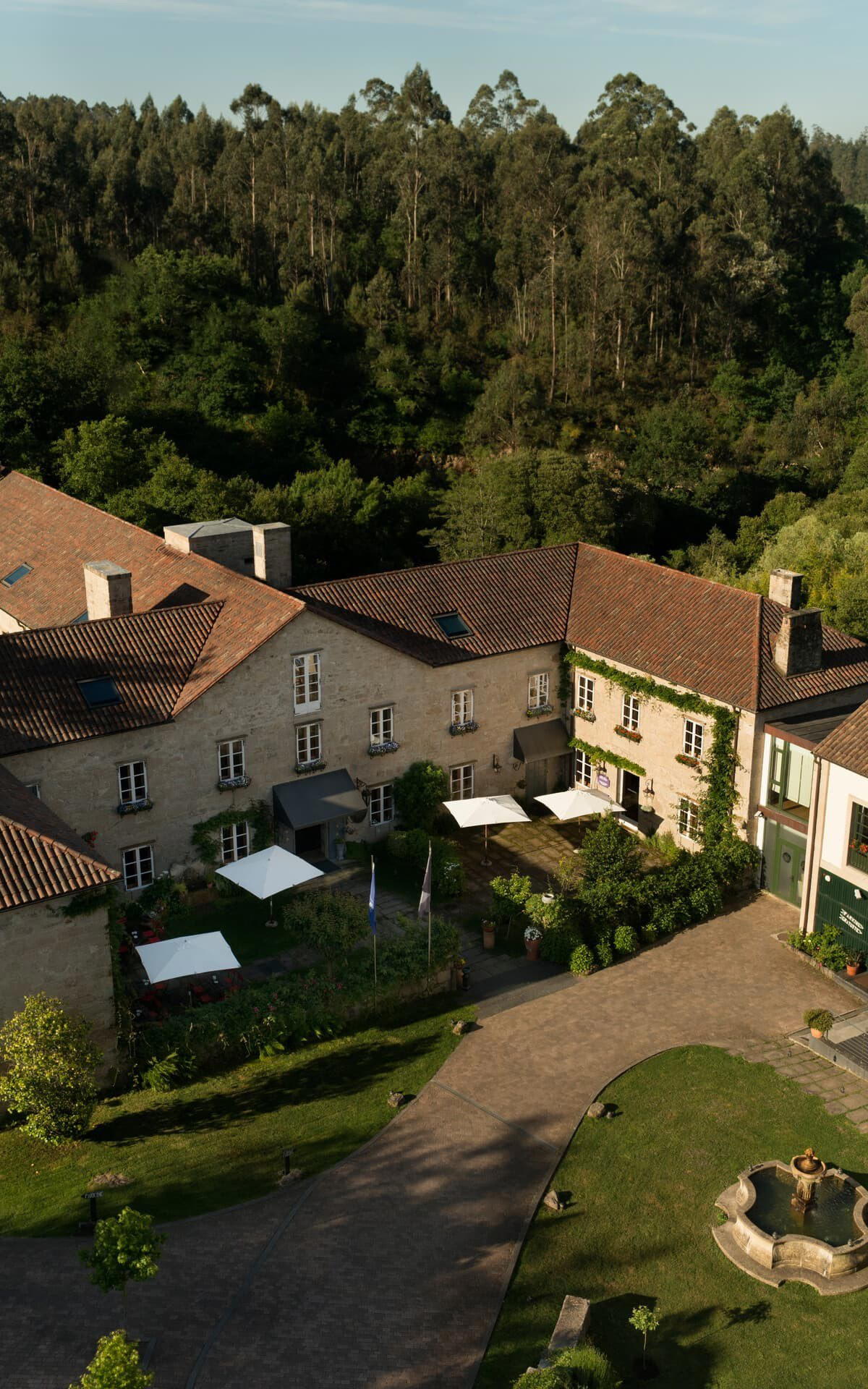
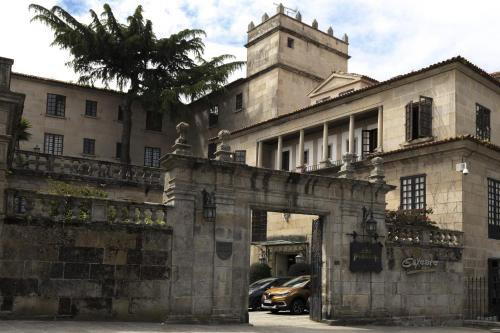
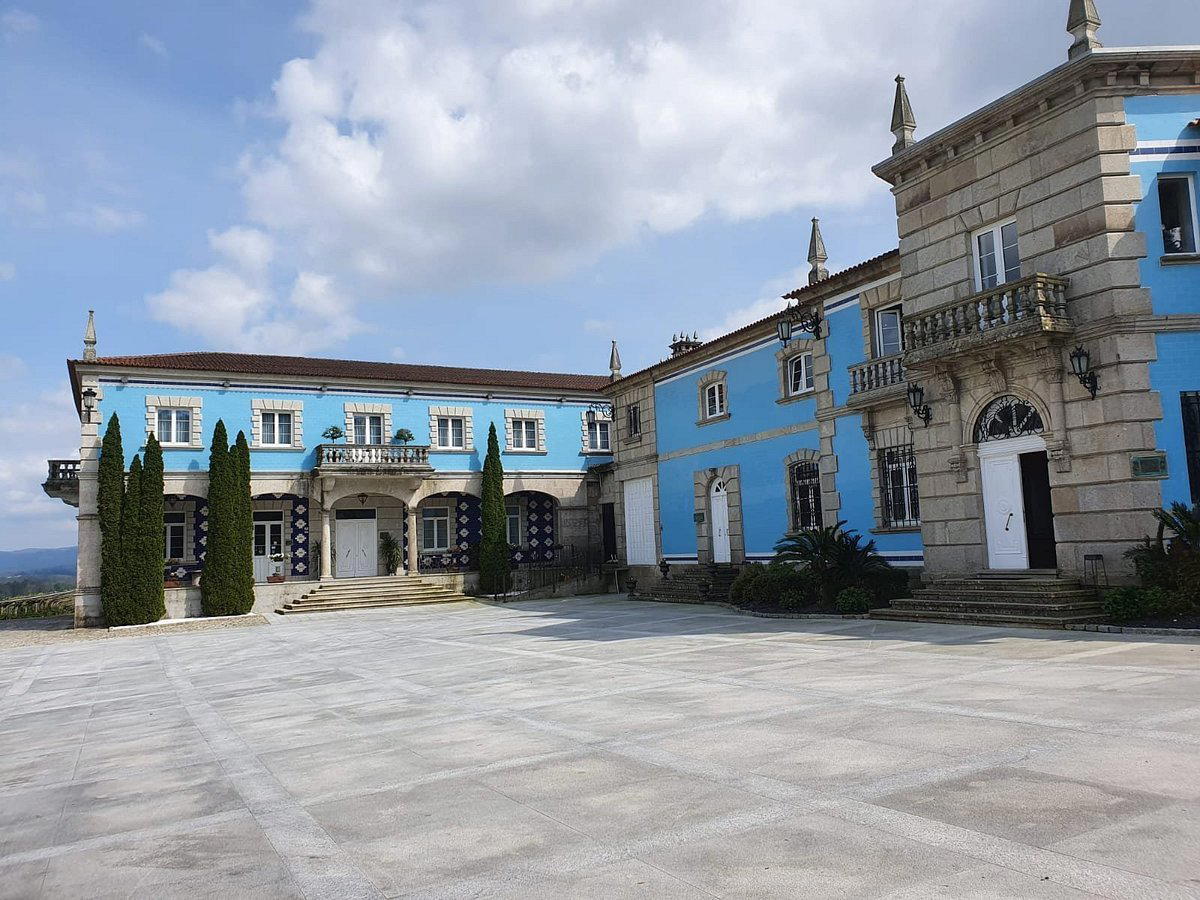
Approaching the property along the AC-240 in the municipality of Vedra, the architecture does more communicating than any menu description could. Galicia's country-house restaurants occupy a specific typology: thick granite walls, slate roofs, interior courtyards that hold cool air through summer, and fireplaces scaled for serious Galician winters. Villa Verde follows this model faithfully. Inside, the traditional lareira fireplace anchors the rustic dining room, the kind of open hearth that historically served as the social and practical centre of a Galician farmhouse. A second dining room takes a more formal register, with classic decor that places it closer to the aristocratic pazo aesthetic than to farmhouse simplicity.
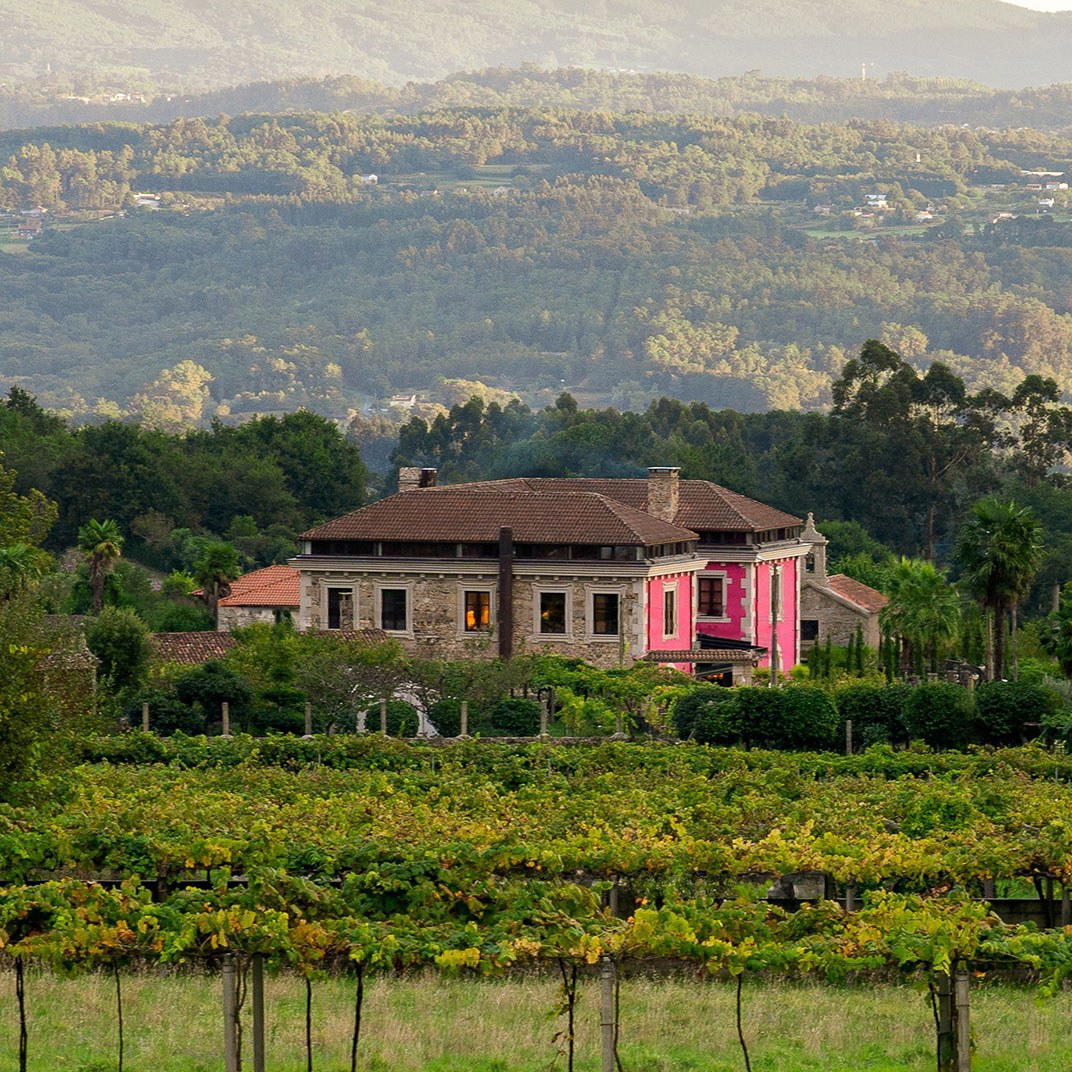
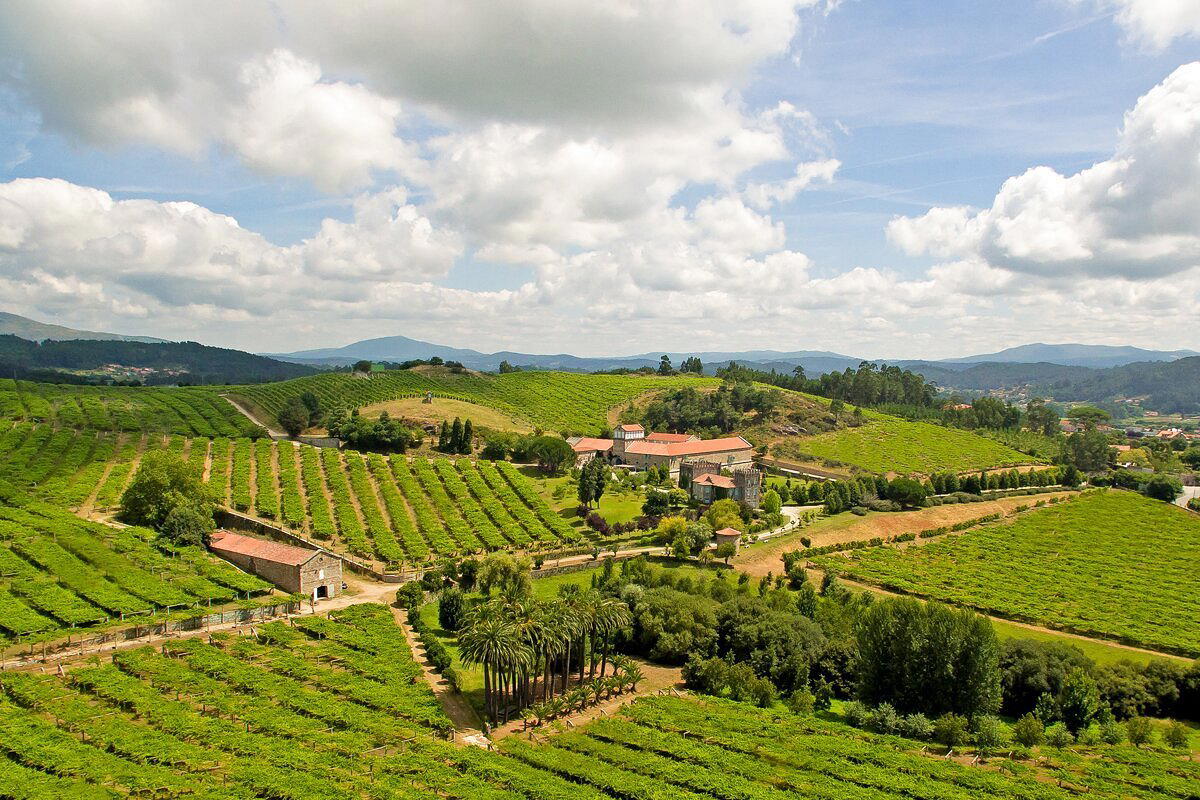
The wine cellar, which contains a traditional lagar wine trough, is the detail that places Villa Verde in the context of this part of A Coruña province. The lagar is the stone pressing vessel used in Galician winemaking, and its presence here is not decorative archaeology but a reference to the active viticulture surrounding the restaurant. This is Rías Baixas-adjacent country, and the relationship between local wine production and the table is not incidental.
Sourcing as the Cooking's Argument
The menu at Villa Verde reads like a document of what the surrounding region produces at its finest, rather than a chef's creative statement. That is, in itself, an editorial position. In Galicia, where the materia prima is frequently the entire argument, a kitchen that steps back and lets the ingredients lead is not choosing the path of least resistance but rather the path of most accountability. The seasonal wild mushrooms that appear on the menu are a case in point: inland Galicia's forests, particularly in autumn, yield specimens that restaurants in Santiago charge considerably more to serve.
Angler fish (rape in Spanish, or pixín in local usage) appears as a signature ingredient, and its presence signals something about the kitchen's procurement priorities. The monkfish caught in the Atlantic waters off Galicia's coast arrives in the region's inland kitchens through well-established wholesale relationships, but the better kitchens specify provenance and purchase to order rather than from cold stock. Veal completes the three-part core of the menu, grounding the offering in the pastoral economy of the Ulla valley itself.
The baked hake with sea urchin is the dish that the Michelin inspectors noted as worth highlighting. Hake is the cornerstone fish of Galician cuisine, present in everything from weekday family meals to celebration tables, but its preparation varies enormously across the region. Baking rather than frying or poaching is a particular technique that concentrates rather than disperses flavour, and sea urchin (erizo in Spanish) adds an oceanic intensity that references the coastline without replicating a purely coastal menu. It is the kind of dish that only works when both components are sourced at their peak, which is itself a claim about the kitchen's supply chain discipline.
Where Villa Verde Sits in a Wider Conversation
Spain's highest-profile restaurants in 2025 cluster around a handful of cities and culinary movements. The progressive Spanish kitchens at places like El Celler de Can Roca in Girona, Disfrutar in Barcelona, and DiverXO in Madrid operate in a different register entirely, and at price points (€€€€) that position them for a specific kind of destination dining. The Basque tradition, represented by addresses like Arzak in San Sebastián, Martin Berasategui in Lasarte-Oria, and Mugaritz in Errenteria, similarly commands premium positioning. Even within Galicia's seafood tradition, coastal addresses such as Aponiente in El Puerto de Santa María and Quique Dacosta in Dénia represent creative ambition at the €€€€ tier.
Villa Verde at €€ occupies a different position in this national conversation: it is where Spanish home cooking, at a technically sound and ingredient-honest level, remains accessible and rooted. The two consecutive Michelin Plates (2024 and 2025) confirm a kitchen operating with consistency and care without making claims to tasting-menu territory. For comparison, Auga in Gijón offers a comparable traditional-cuisine reference point in Asturias, while Auberge Grand'Maison in Mûr-de-Bretagne represents the equivalent tier in French Brittany, another Atlantic region with a strong tradition of cooking from what the land and coast produce. Within Spain's wider cultural dining circuit, Atrio in Cáceres and Azurmendi in Larrabetzu show how deep the country's regional traditions run, while Ricard Camarena in València demonstrates a third path through product-led modern cooking.
Planning a Visit
Villa Verde is located on the AC-240 in Vedra, A Coruña province, approximately twenty-five kilometres south of Santiago de Compostela by road, making it a practical option for drivers travelling between Santiago and Pontevedra or combining it with a day in the Ulla valley. Given the focus on seasonal ingredients, menus at kitchens of this type typically shift their emphasis between the wild mushroom season in autumn, the prime angler fish months, and the warmer months when the surrounding vineyards and kitchen gardens are most active.
For visitors building a longer stay in the area, the broader Ponte Ulla dining scene is covered in our full Ponte Ulla restaurants guide. The valley also has accommodation worth considering, detailed in our full Ponte Ulla hotels guide, alongside options for bars, wineries, and experiences that make the area worth more than a single meal.
Frequently asked questions
Is Villa Verde suitable for children?
What is the atmosphere like at Villa Verde?
What is the signature dish at Villa Verde?
Comparable Spots, Quickly
| Venue | Cuisine | Price | Awards |
|---|---|---|---|
| Villa VerdeThis venue — the venue you are viewing | Traditional Galician Cuisine | $30–50 | Michelin Plate |
| Aponiente | Progressive - Seafood, Creative | Not listed | Michelin 3 Star |
| Arzak | Modern Basque, Creative | Not listed | Michelin 3 Star |
| DiverXO | Progressive - Asian, Creative | Not listed | Michelin 3 Star |
| El Celler de Can Roca | Progressive Spanish, Creative | Not listed | Michelin 3 Star |
| Quique Dacosta | Creative | Not listed | Michelin 3 Star |
Recognition history
Dated appearances from independent guides and award organizations, with the underlying list record or original source where available.
Michelin Plate
Michelin
Full recognition history (3 entries)
Michelin Plate
Michelin
Michelin Plate
Michelin
Continue exploring
More in Ponte Ulla
Restaurants in Ponte Ulla
All restaurants in Ponte Ulla →

Bars in Ponte Ulla
Browse all →

Villa Verde
The wine
- Wine program
- Curated wine list
- Extensive wine list
- Beer program
Details
- Rustic
- Elegant
- Classic
- Scenic
- Cozy
- Family
- Group Dining
- Date Night
- Special Occasion
- Wine Cellar
- Terrace
- Garden
- Historic Building
- Standalone
- Extensive Wine List
- Beer Program
- Local Sourcing
- Vineyard
- Garden
- A La Carte
- Set Menu
- Local Wines
- Rias Baixas Wines
- Vegetarian Friendly
Current opening hours
- Monday
- 1:30–4 PM
- Tuesday
- 1:30–4 PM
- Wednesday
- 1:30–4 PM
- Thursday
- 1:30–4 PM
- Friday
- 1:30–4 PM
- Saturday
- 1:30–4 PM
- Sunday
- 1:30–4 PM
Hours can change for holidays and private events. Last verified .
Warm and inviting with rustic charm; features a traditional lareira fireplace in one dining room and elegant classic decor in another, creating intimate yet refined atmosphere.