Taqueria La Principal

A Michelin Plate-recognised taqueria operating out of a no-frills warehouse space in Valle de Guadalupe, Taqueria La Principal keeps its menu to three meats, beef asada, pork adobada, and tripa, served across tortillas, burritos, and tortas. Late-night hours make it a practical and satisfying anchor after a day among the valley's wine estates.
Pearl is the En Primeur Club membership app — saves, bookings, and concierge access live there. Same editors, same standards.
- Address
- Valle de Guadalupe, 22750 Ensenada, B.C., Mexico
- Website
- facebook.com
- Directions
- Get directions
 Saves & bookings on Pearl
After the Wine, Before Bed: Taqueria Eating in Valle de Guadalupe
Places like Animalón and Deckman's En El Mogor have positioned the valley as destination dining. But a wine region's daily food life rarely begins and ends at a tasting menu counter. In most of Mexico's agricultural zones, the mercado and the taqueria do the quiet work of feeding people: fast, fresh, ingredient-focused, and priced for daily use. Taqueria La Principal operates in that register, a warehouse-format spot where the cooking is measured not against a chef's philosophy but against the quality of the grill, the salsa, and whatever came in that morning.
That grounding in daily freshness is the point. Mexican taqueria culture at its most functional is a form of mercado cooking without walls: a short, confident menu built around a few proteins that are prepared and served continuously, supported by salsas and toppings that are restocked and tasted through the day. The discipline required to do this well, consistent heat on the grill, balanced seasoning, produce that doesn't sit, is distinct from the discipline of a tasting menu kitchen, but it's discipline nonetheless. Michelin recognition for Taqueria La Principal reflects that discipline.
Three Proteins, Many Decisions Made for You
The menu structure at this kind of taqueria reflects a wider Mexican street food logic: narrow the variables to maximise control over quality. Three meats define the offering, thinly sliced beef asada grilled over direct heat, spice-marinated pork adobada with its characteristic reddish colour and layered seasoning, and tripa, the offal option that separates diners who want their taqueria experience with some edge from those who prefer safer ground. Each is cooked to order in plain view, which is both practical and a form of quality assurance that no printed menu can replicate.
The choice of vehicle matters more than it might seem. A corn tortilla carries beef asada differently than a flour one; a burrito wraps adobada into a format that contains its moisture; a torta changes the textural equation entirely. None of these formats are interchangeable, and the combination a diner assembles will determine whether the meal reads as a quick snack or something more substantial after a day of wine tasting in the valley. This kind of active participation in assembling the meal is embedded in taqueria culture, you watch, you choose, and the result is assembled in front of you.
What makes a taqueria visit succeed or fail at this level is not the protein alone but the salsa and toppings that frame it. Fresh salsas at a working taqueria are mixed and adjusted through service, not made once and left. Toppings, onion, cilantro, lime, whatever the house offers, need to be restocked from fresh stock regularly.
Warehouse Format as a Category Signal
The plastic furniture and warehouse setting are not incidental to this venue's identity, they are the identity. In the context of Valle de Guadalupe, where Villa Torél and Conchas de Piedra occupy a different price and formality bracket, Taqueria La Principal represents the $-tier end of a valley that has historically been weighted toward the higher end of the spectrum. The single-dollar price range sets it apart from much of the valley's dining scene. That positioning is deliberate and necessary: the valley's workers, the winery staff, the local residents, and the late-night visitors all need access to a kitchen that operates at this level.
The no-ambience format also shifts what Michelin recognition means in context. A Plate award at this price point and in this setting is a recognition of cooking on its own terms, stripped of service theatre, interior design, and the other signals that typically accompany Michelin attention in Mexico. For comparison, the Michelin-recognised dining conversation in the country tends to centre on operations like Pujol in Mexico City, Le Chique in Puerto Morelos, or Levadura de Olla Restaurante in Oaxaca, kitchens where the physical environment is part of the offer. Taqueria La Principal earns its Plate on the merits of the food alone, which in some ways makes the recognition more specific.
The Late-Night Timing Argument
Valle de Guadalupe's primary dining rhythm is lunch-heavy. The valley's winery restaurants, Damiana among them, tend to operate through midday and into the afternoon, with the late-afternoon window marking the transition point when formal dining winds down and visitors are left with few structured options. The restaurant's late-night hours make it especially useful after the valley's tasting menus wind down.
For anyone moving between wineries through the afternoon and into the evening, or arriving in the valley later than the tasting-menu kitchens will accommodate, a functioning taqueria with this level of quality and this price point has practical value that goes beyond simple convenience. The late hours are also consistent with how taqueria culture operates in Mexican cities: the taqueria is not a lunch spot, it is the place you go when other kitchens have closed. Adapting that urban model to a wine-country setting makes sense here given the valley's tourism patterns.
Where It Sits in the Valle de Guadalupe Picture
The valley's dining range now spans from $-tier taquerias to $$$$-bracket fire-kitchen operations. The restaurant anchors the affordable end of that range in a way that few other venues with any kind of formal recognition manage. For visitors building a multi-day itinerary through the valley, this spot fills the late-night, low-spend slot.
It also offers a contrast to the valley's dominant dining mode that has its own editorial logic. Spending an afternoon at a $$$$-tier table at Animalón and ending the evening at a plastic table with a tripa taco and a cold drink is not a step down, it is a fuller picture of how Baja California actually feeds itself. The mercado instinct that runs through Mexican food culture, from KOLI Cocina de Origen in Monterrey to Alma Fonda Fina in Denver to Cariño in Chicago, connects back to exactly this kind of daily-use, ingredient-honest kitchen.
For the broader Valle de Guadalupe trip, nearby hotels, bars, wineries, and experiences provide the surrounding context. The taqueria fits into a longer itinerary rather than standing alone, and that is precisely the role it is built to fill. For another strong option in the broader Baja corridor, Olivea Farm to Table in Ensenada and Lunario in El Porvenir represent different points on the regional dining map worth considering alongside this visit.
Booking and Cost Snapshot
Comparable venues nearby, for context on price, style, and recognition.
| Venue | Cuisine | Price | Awards | Notes |
|---|---|---|---|---|
| Taqueria La PrincipalThis venue — the venue you are viewing | Mexican | $ | Michelin Plate | Not listed |
| Deckman's En El Mogor | Not listed | $$$$ | Michelin Plate | San Antonio de Las Minas, Baja Farm-to-Table Slow Food |
| Primitivo | Not listed | $$$$ | Michelin Plate | Valle de Guadalupe, Contemporary Mexican Grill |
| Fireside Mountain Top Restaurant | Francisco Zarco, Baja Comfort Food | $$$ | Not listed | Not listed |
| Kous Kous | Not listed | $$$ | Michelin Plate | Valle de Guadalupe, Moroccan Family-Style |
| Animalón | Not listed | $$$$ | Michelin 1 Star | Valle de Guadalupe, Contemporary Mexican Fine Dining |
Recognition history
Dated appearances from independent guides and award organizations, with the underlying list record or original source where available.
Michelin Plate
Michelin
Michelin Plate
Michelin
Continue exploring
More in Valle de Guadalupe
Restaurants in Valle de Guadalupe
Browse all →
Bars in Valle de Guadalupe
Browse all →
Hotels in Valle de Guadalupe
Browse all →
At a Glance
- Rustic
- Casual Hangout
- Late Night
- Open Kitchen
Current opening hours
- Monday
- 5 PM–12 AM
- Tuesday
- 5 PM–12 AM
- Wednesday
- Closed
- Thursday
- 5 PM–12 AM
- Friday
- 5 PM–12 AM
- Saturday
- 5 PM–12 AM
- Sunday
- 5 PM–12 AM
Hours can change for holidays and private events. Last verified .
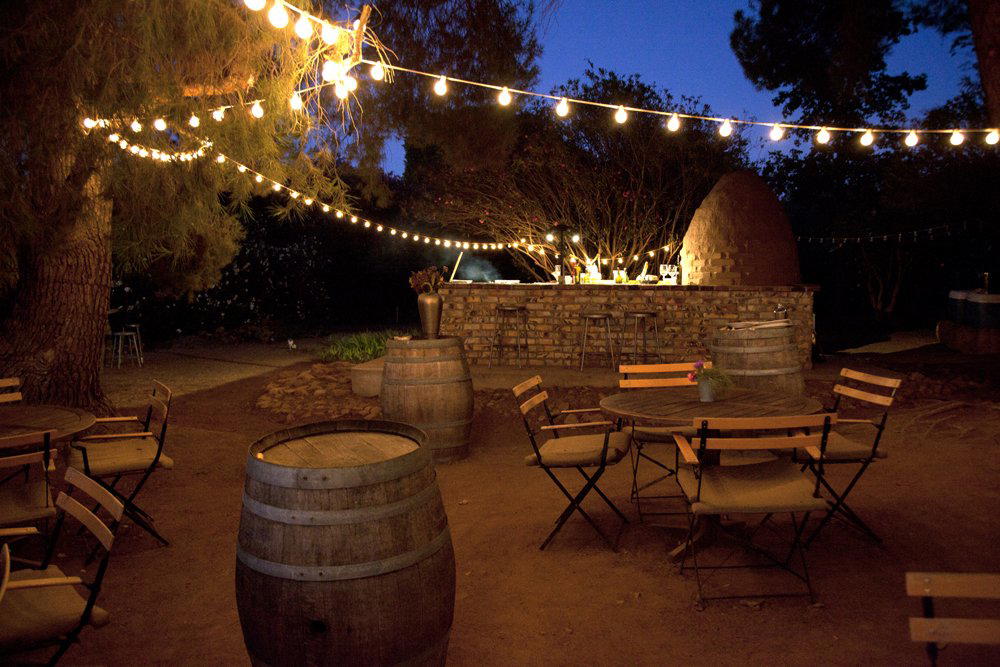
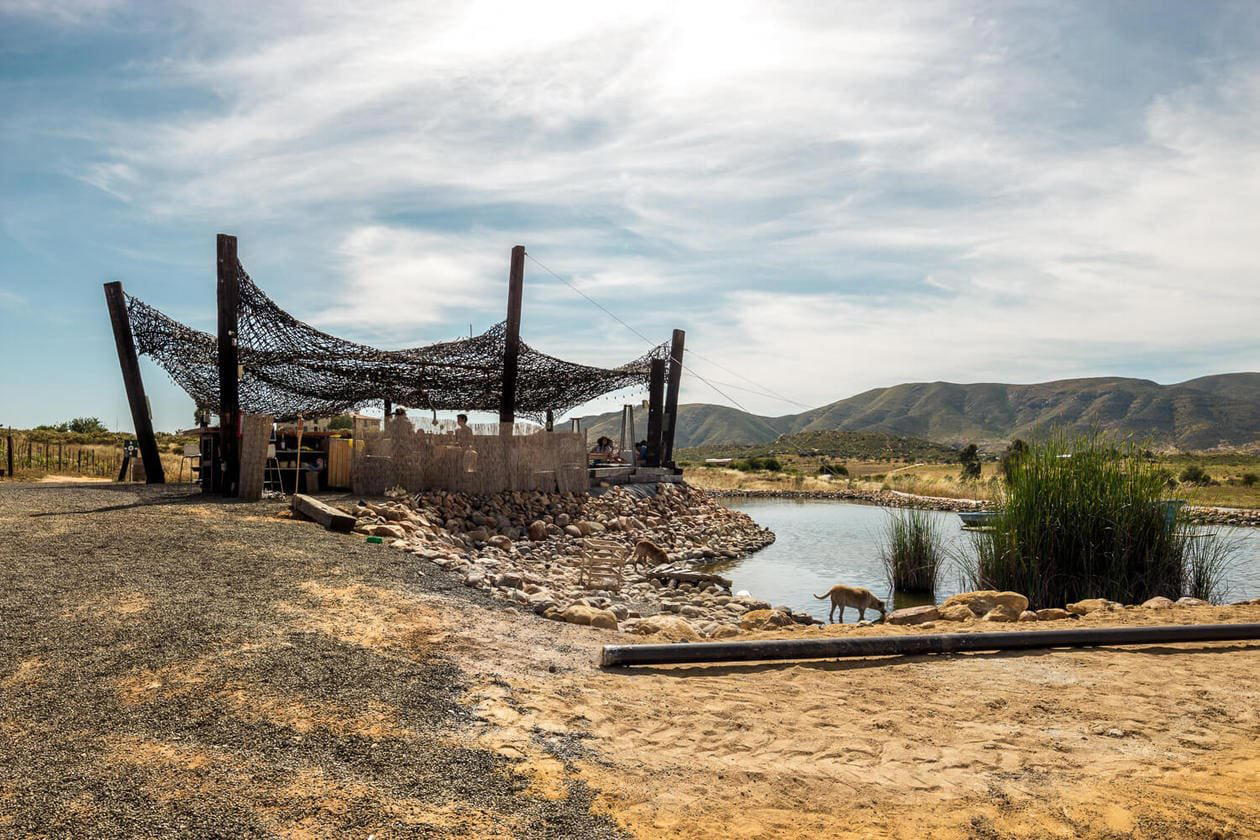
Casual warehouse space with plastic furniture and a bustling, grill-focused atmosphere.