Kapric occupies a corner address in Zadar's old town where Dalmatian sourcing traditions set the terms of the menu. The kitchen draws from the same Adriatic and hinterland supply chains that define the city's better dining rooms, placing it in a mid-to-upper tier alongside Foša and Kaštel. For visitors working through Zadar's restaurant scene, it represents a credible local option with clear regional roots.
Pearl is the En Primeur Club membership app — saves, bookings, and concierge access live there. Same editors, same standards.
- Address
- Ul. Kraljskog Dalmatina 1, 23000, Zadar, Croatia
- Phone
- +385958919203
- Directions
- Get directions
 Saves & bookings on Pearl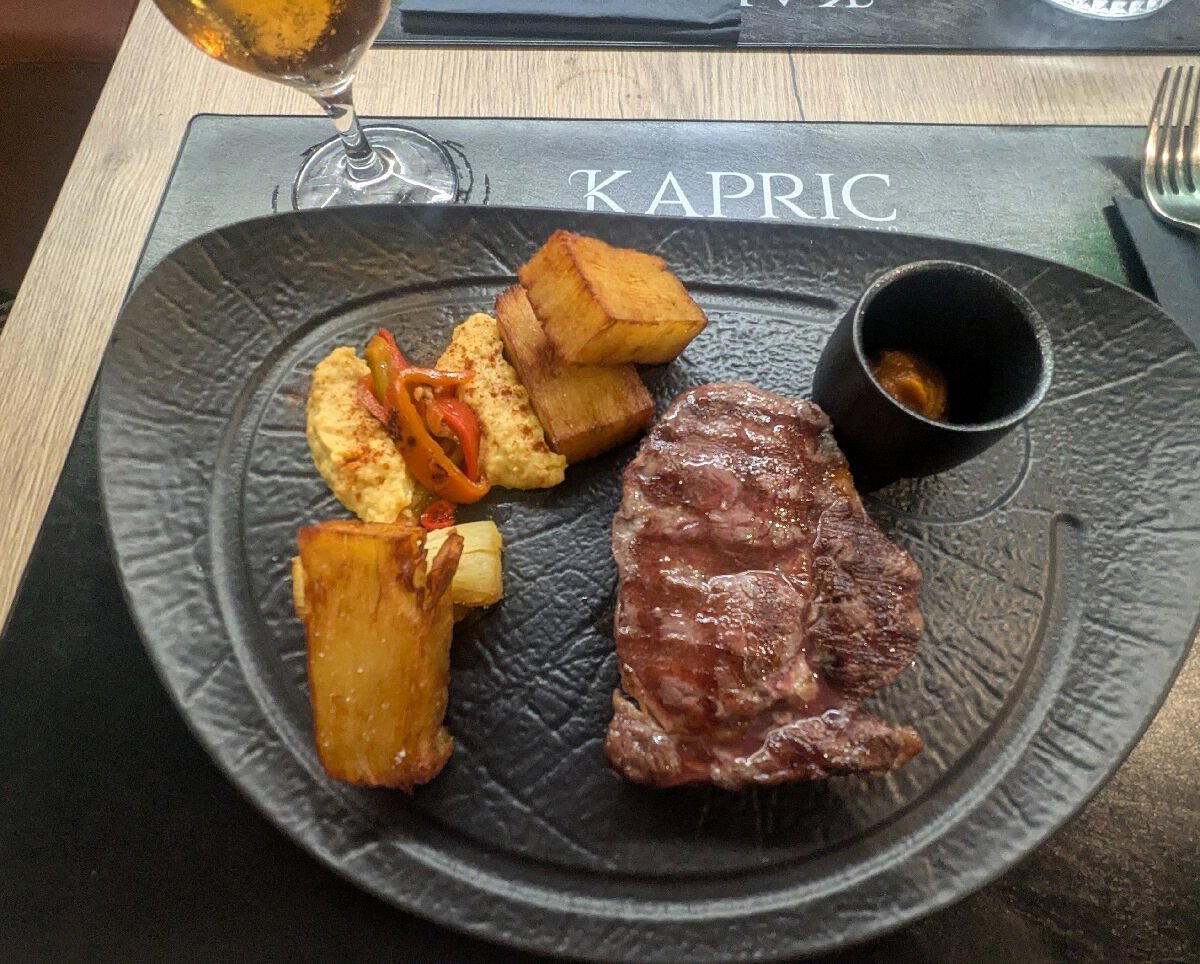
Stone, Salt Air, and the Sourcing Logic of Zadar's Old Town
Zadar's historic peninsula is compact enough that a short walk separates most of its serious dining rooms, but proximity doesn't flatten the differences between them. The city sits at the intersection of Adriatic fishing waters and Dalmatian hinterland agriculture, and how a kitchen engages with that geography says more about its ambitions than any menu description. Kapric is a restaurant in Zadar at Ul. Kraljskog Dalmatina 1, known for modern steakhouse and seafood grill cooking at about $35 per person. It occupies a position inside the old town fabric where the supply logic of coastal Croatian cooking is felt most directly. Stone-paved streets, the ambient sound of the sea channel, and the particular light of the Dalmatian afternoon shape the approach to any meal here before a dish arrives.
The broader dining category Kapric belongs to is one that Croatian coastal towns have refined over decades: the mid-to-upper restaurant that treats local sourcing not as a marketing point but as an operational constraint. Fish comes from the Adriatic because that is what the boats bring in. Lamb and game come from the karst interior because that is what the land produces. Olive oil is pressed from Dalmatian groves. These aren't choices made for positioning; they reflect a supply chain that has defined this cuisine for generations, and it is the standard against which any kitchen in this part of Croatia is quietly measured.
What Dalmatian Sourcing Actually Means on the Plate
The editorial angle worth pressing here is ingredient provenance, because in Zadar it is genuinely consequential. The city's fish market, open in the early morning hours, is among the better-functioning wholesale-to-retail interfaces on the Croatian coast. Restaurants with direct or near-direct access to that market operate with a meaningful freshness advantage over those sourcing further afield. Sea bass, dentex, John Dory, and various shellfish move from boat to market to kitchen within windows that most landlocked cuisines can only approximate.
On the hinterland side, the Dalmatian interior supplies lamb from animals grazed on aromatic karst vegetation, which produces meat with a flavour profile distinct from intensive farming. Pag island lamb, produced under controlled conditions on the island visible from Zadar's waterfront, carries enough regional recognition to function as a reference point for quality in the broader area. How a kitchen handles these ingredients, whether it lets them lead or buries them in technique, reveals its actual culinary priorities.
This sourcing context places Kapric alongside a peer group that includes Foša and Kaštel, both operating in the €€€ bracket and drawing from comparable supply networks. The differences between these rooms tend to emerge in format, service register, and the degree to which the kitchen takes interpretive licence with its raw materials. Zadar is not a city where restaurants radically diverge from Dalmatian convention; the better ones compete on execution and sourcing depth rather than concept.
Zadar's Restaurant Tier and Where Kapric Fits
Croatia's Adriatic dining scene has developed a recognisable internal hierarchy over the past decade. At the upper end, Michelin-recognised kitchens like Pelegrini in Sibenik and Agli Amici Rovinj in Rovinj set a technical benchmark that filters down to aspirational kitchens in smaller cities. Boskinac in Novalja demonstrates what a committed island kitchen can achieve when sourcing and winemaking are treated as a unified project. In Zadar itself, the conversation is narrower but still meaningful: the gap between a kitchen that accesses the morning fish market and one that doesn't is visible on the plate.
Kapric sits in the tier where that access matters and where the expectation is competent, produce-led cooking rather than fine-dining theatrics. This is the dominant mode of serious Croatian coastal dining: restraint in technique, confidence in raw material, and an understanding that the Adriatic supplies the flavour if the kitchen doesn't interfere unnecessarily. Comparable restaurants elsewhere on the coast, including Krug in Split and LD Restaurant in Korčula, operate within this same logic, though each city's supply specifics give the food a local character.
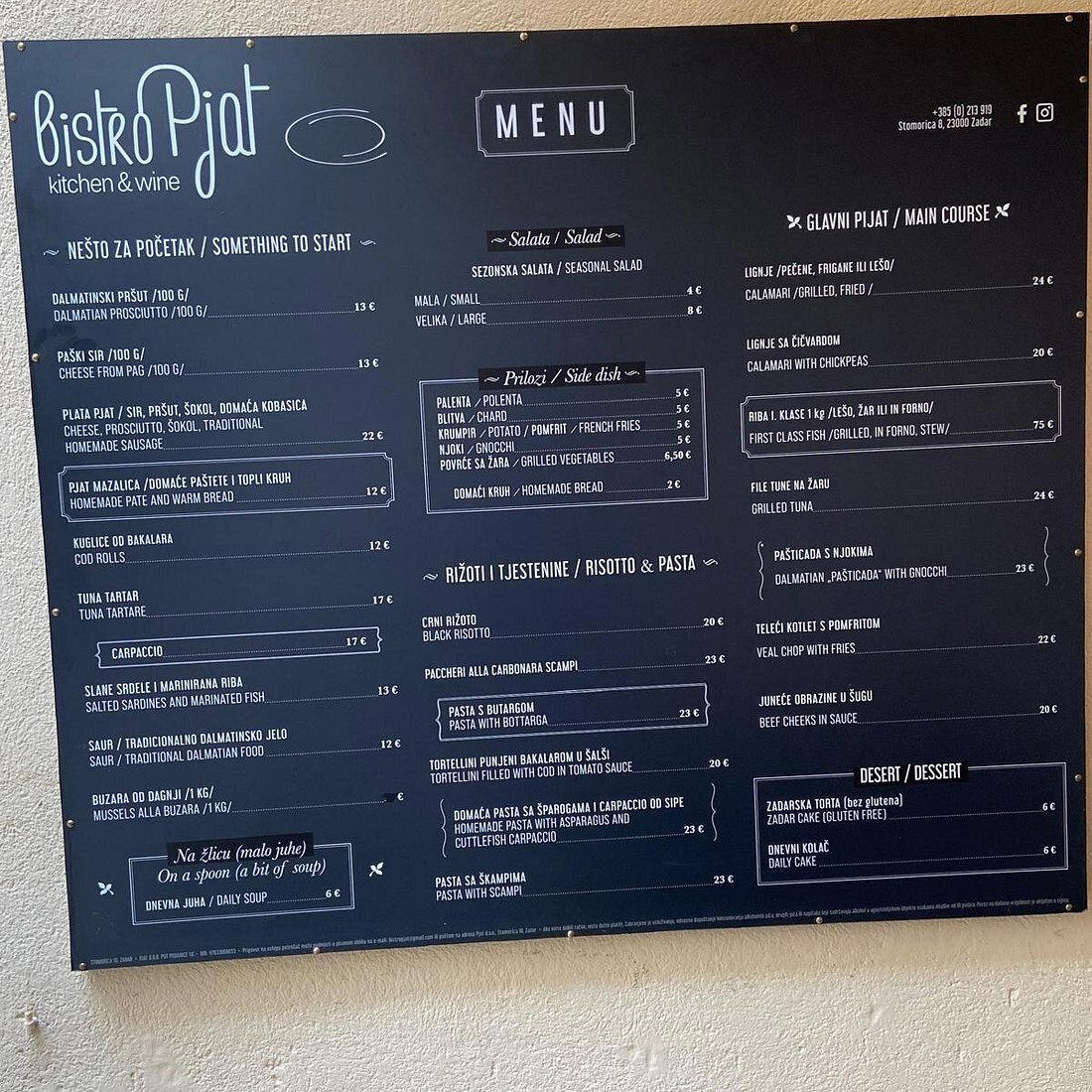
Within Zadar's immediate comparable set, the contrast with Bistro Pjat and Bruschetta is one of register rather than sourcing philosophy: those rooms operate with a slightly more casual approach, while Kapric and its direct peers pitch toward a more considered dining experience. 4kantuna and A'mare POP occupy adjacent positions in the old town, giving the peninsula a cluster of credible options within easy walking distance. The sushi format at Antiquus sushi@more POP represents a different lane entirely, demonstrating that Zadar's dining scene has developed enough depth to sustain some format diversity alongside its traditional core.
Planning a Visit
Kapric's old town address at Ul. Kraljskog Dalmatina 1 places it within the pedestrian zone of Zadar's historic peninsula, accessible on foot from the main ferry terminal and the central hotels clustered around the Forum area. The peninsula is compact and walkable; arriving from the waterfront promenade takes a few minutes. As with most serious dining rooms in Croatian coastal towns during high summer, booking ahead is advisable, particularly in July and August when the city's population swells with visitors from across Europe. The shoulder seasons, May to June and September to October, offer more availability and, for fish-focused menus, often better quality: the Adriatic's summer heat can affect the holding conditions that matter between market and kitchen.
For visitors building a broader picture of Croatian coastal dining, Nebo by Deni Srdoč in Rijeka and Alfred Keller in Mali Losinj represent what the northern Adriatic is doing at its most ambitious. For a continental counterpoint, Dubravkin Put in Zagreb and Korak in Jastrebarsko show how the inland tradition diverges from the coastal model.
Comparable Venues
Comparable venues nearby, for context on price, style, and recognition.
| Venue | Cuisine | Price | Notes |
|---|---|---|---|
| KapricThis venue — the venue you are viewing | Modern Steakhouse & Seafood Grill | $$ | Not listed |
| Konoba Dalmatina | Traditional Croatian Seafood & Grill | $$ | Old Town |
| Skoblar | Traditional Dalmatian Seafood | $$ | Old Town |
| A'mare POP | Dining | Not listed | Zadar |
| Providur | Mediterranean Seafood | $$ | Old Town |
| Pet bunara Dine&Wine | Dalmatian Slow Food | $$ | Zadar Old Town |
Continue exploring
More in Zadar
Restaurants in Zadar
Browse all →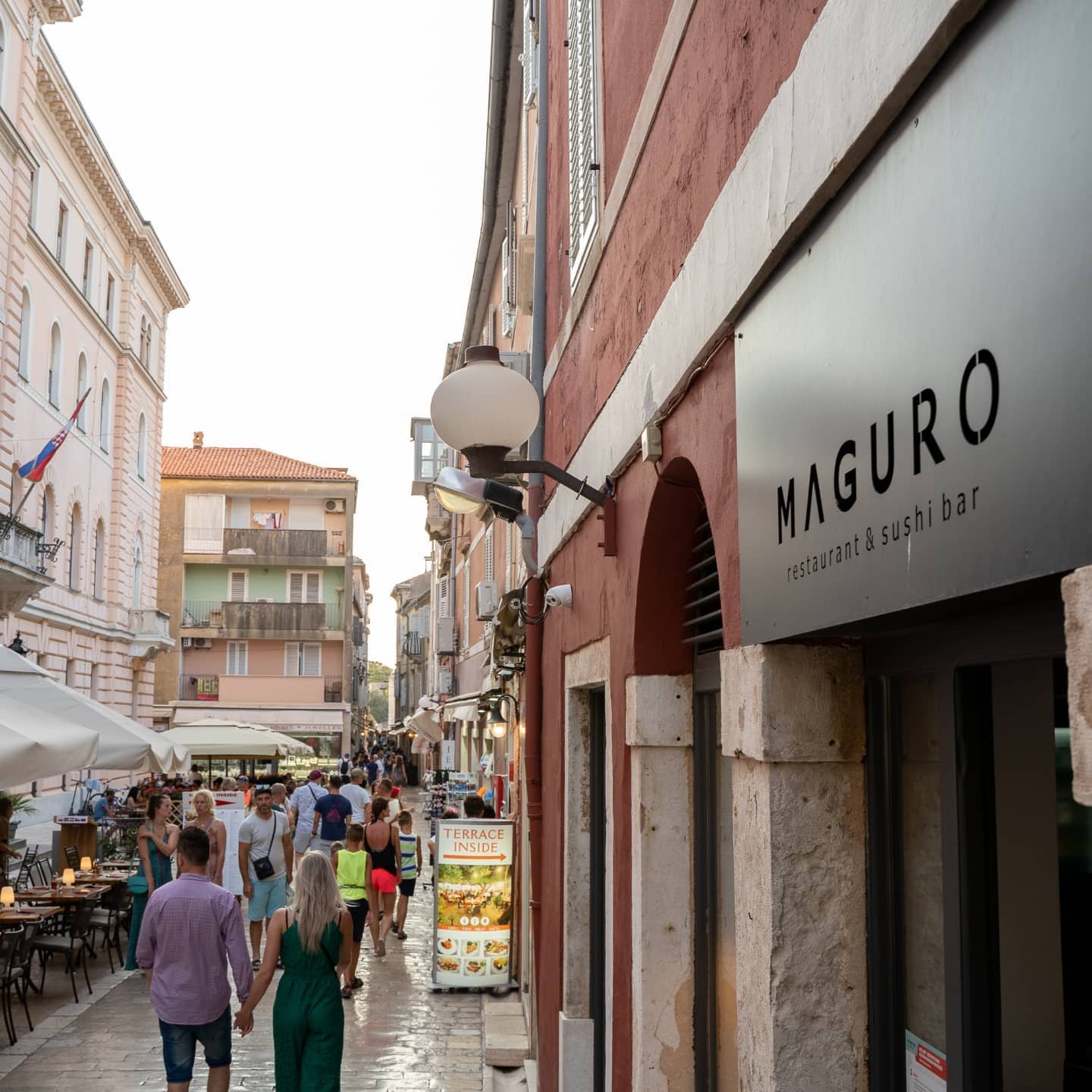
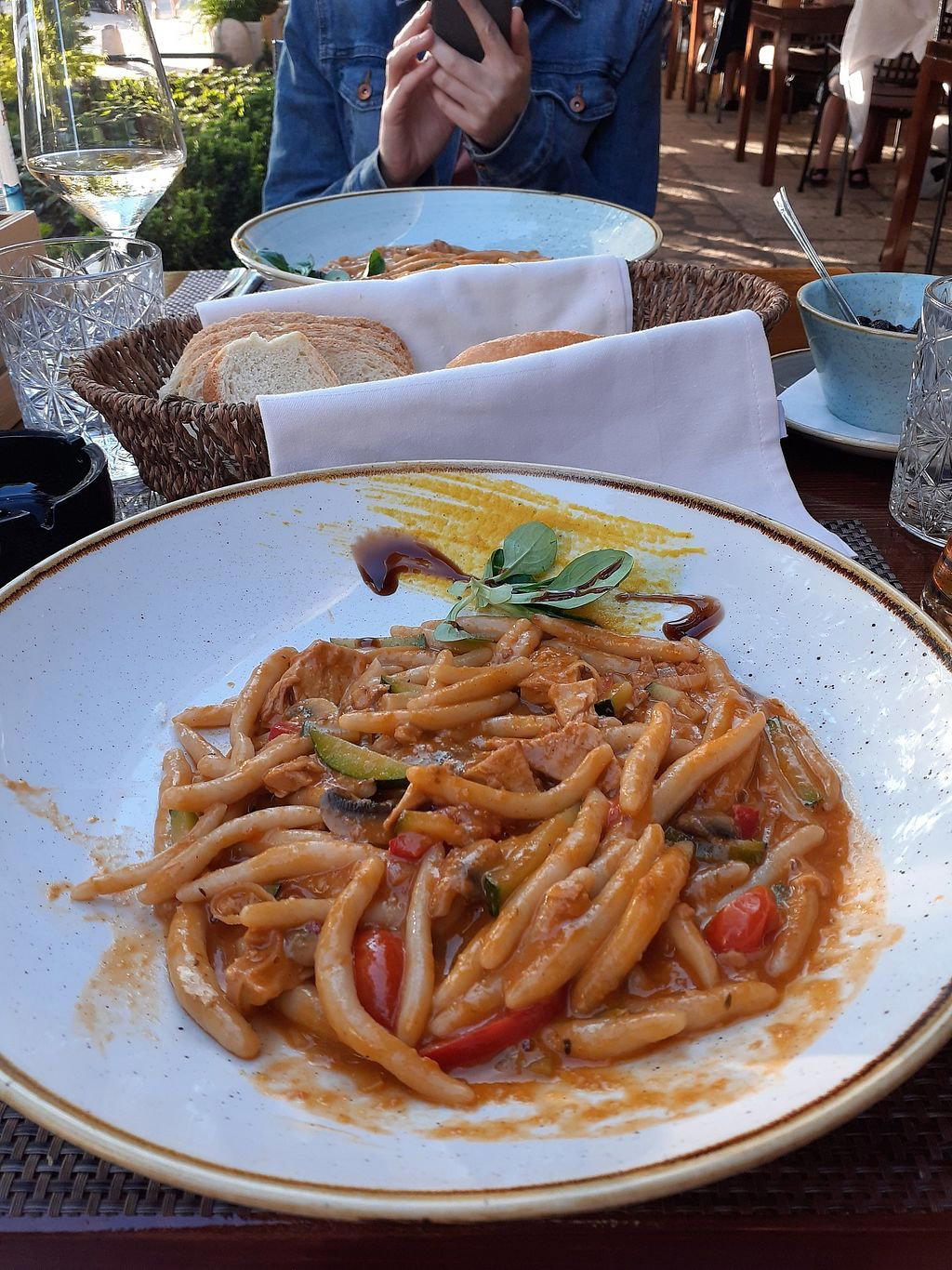
Bars in Zadar
Browse all →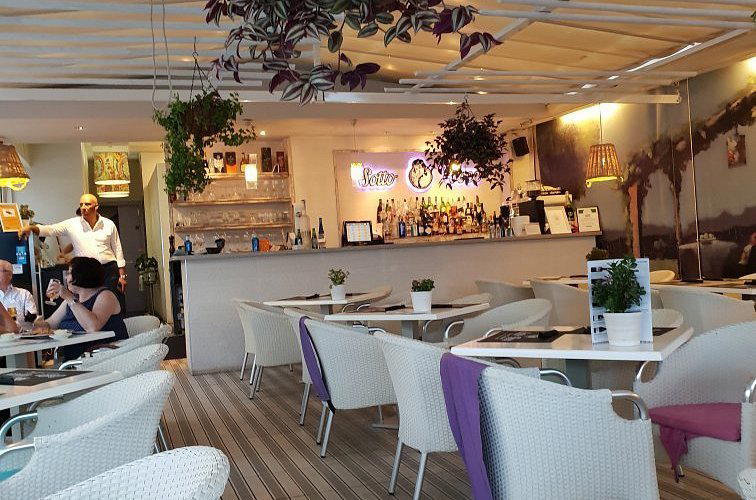
Hotels in Zadar
Browse all →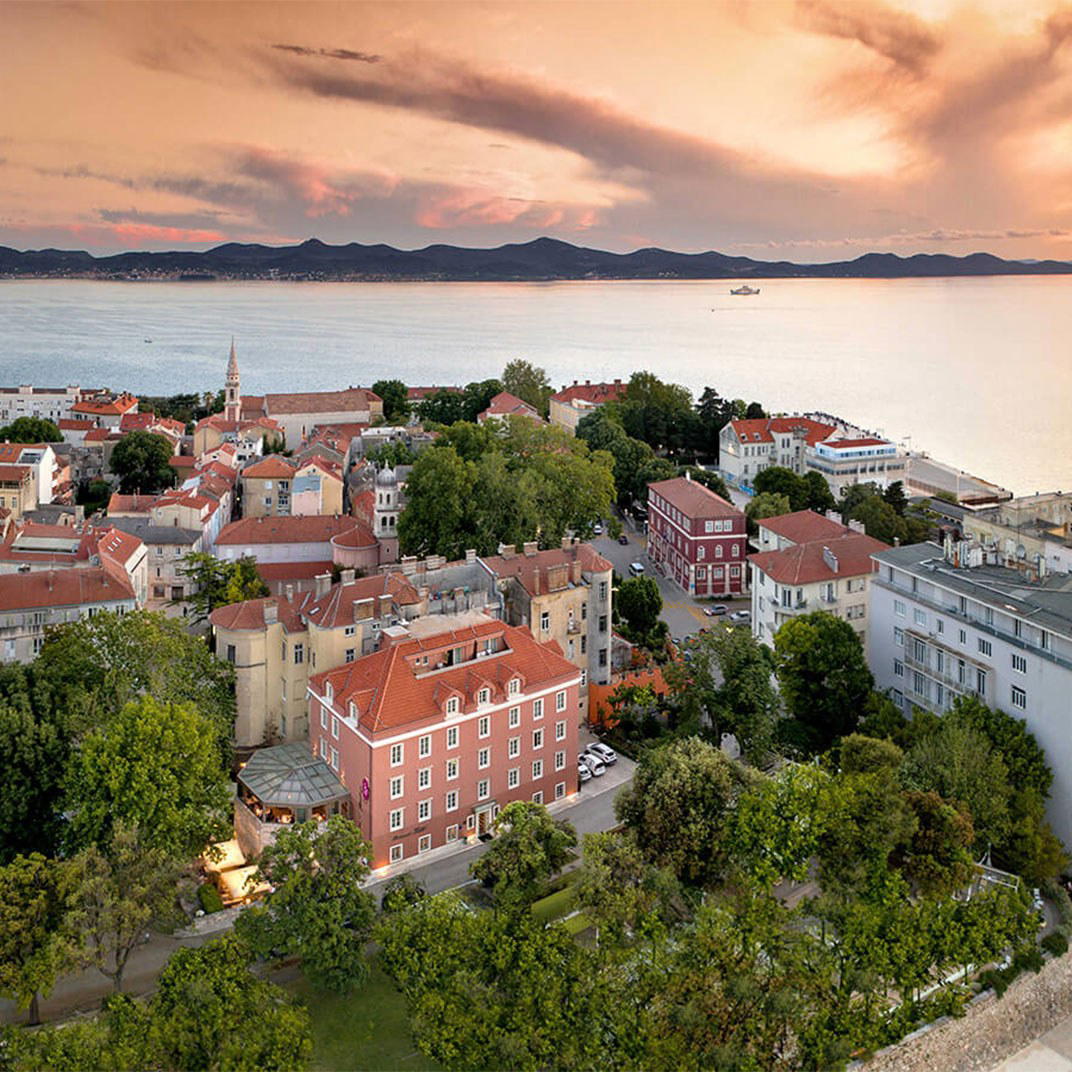
Wineries in Zadar
Browse all →
At a Glance
- Rustic
- Cozy
- Intimate
- Date Night
- Family
- Group Dining
- Terrace
- Open Kitchen
- Extensive Wine List
- Local Sourcing
- Street Scene
Current opening hours
- Monday
- Closed
- Tuesday
- 3 PM–12 AM
- Wednesday
- 3 PM–12 AM
- Thursday
- 3 PM–12 AM
- Friday
- 3 PM–12 AM
- Saturday
- 3 PM–12 AM
- Sunday
- 3 PM–12 AM
Hours can change for holidays and private events. Last verified .
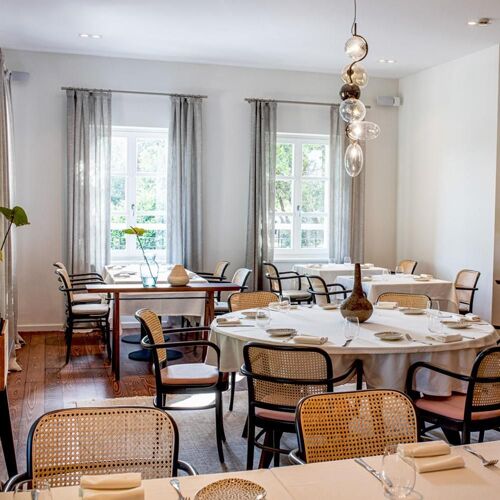
Cozy and warm interior with rustic charm, pleasant terrace for relaxed evenings away from tourist crowds.