
Opened in 2021, Via Emilia transplants the home-style cooking of Emilia-Romagna into a converted old house in Sathon, complete with hand-painted murals and a curated Italian wine list. Handmade pastas, freshly baked pizza, and classics like tagliatelle al ragù anchor a menu that reads more like a regional Italian trattoria than a pan-Italian crowd-pleaser. Seasonal menus and a pet-friendly policy make it a neighbourhood fixture for both weeknight dinners and longer, more relaxed gatherings.
Pearl is the En Primeur Club membership app — saves, bookings, and concierge access live there. Same editors, same standards.
- Address
- 1040 Naradhiwas Rajanagarindra 17, Lane 5, Thung Maha Mek, Sathon, Krung Thep Maha Nakhon 10120, Thailand
- Phone
- +66 93 138 8373
- Website
- viaemiliabangkok.com
- Directions
- Get directions
 Saves & bookings on Pearl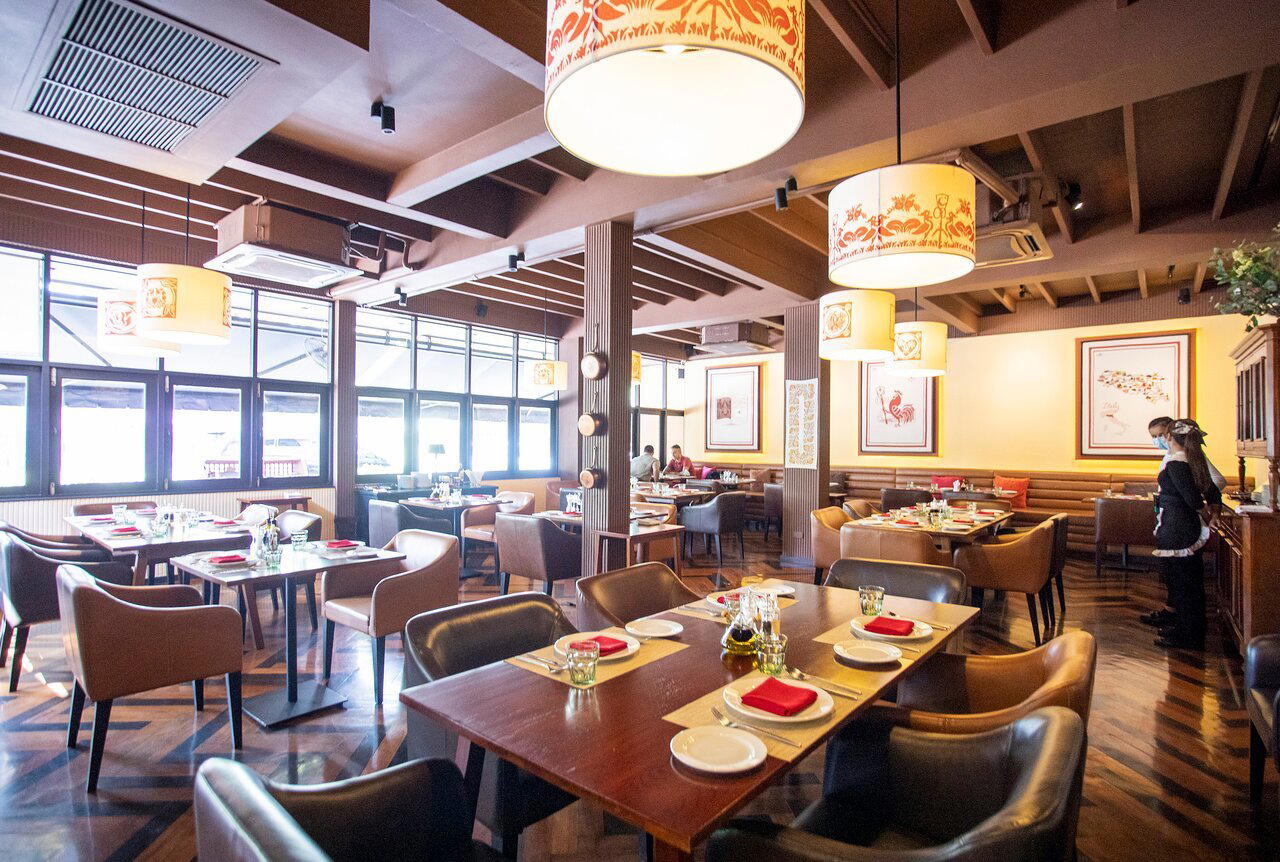
A Corner of Emilia-Romagna in Sathon
Bangkok's appetite for regional European cooking has grown considerably over the past decade, but the city's Italian dining scene has long skewed toward either high-end white-tablecloth formality or casual pizza-and-pasta chains. The middle ground, the kind of trattorian cooking that treats handmade pasta as a daily discipline rather than a special occasion, has been harder to find. Via Emilia occupies that gap with a specific regional focus: Emilia-Romagna, the northern Italian belt that produced ragù, mortadella, Parmigiano-Reggiano, and particularly technically demanding pasta traditions in the country.
That specificity matters. Emilia-Romagna is not a vague inspiration, it is a defined culinary region with distinct pasta shapes, specific curing traditions, and a cooking culture built on fresh egg dough rather than dried semolina. A restaurant framing itself around that region is making a deliberate statement about discipline and authenticity, one that invites a more demanding reading than a generic Italian menu would.
The Menu as Regional Argument
The architecture of Via Emilia's menu is one instructive thing about the restaurant. Rather than assembling a broad Italian anthology, a Neapolitan pizza here, a Sicilian-influenced main there, the menu holds its regional line. Handmade pastas sit at the core, with tagliatelle al ragù as the reference point: a dish so closely associated with Bologna that the Italian Academy of Cuisine registered an official recipe with the Bologna Chamber of Commerce in 1982. Serving it in Bangkok, made from scratch, is less a nostalgic gesture than a calibration exercise for anyone who knows the original.
Alongside the pasta program, freshly baked pizza and broader Italian classics fill out the card. The presence of seasonal menus signals an awareness that Emilian cooking is not static, it shifts with what is available and what the kitchen is choosing to say at any given point. That structure, a regional anchor supplemented by a rotating seasonal layer, is closer to how a serious trattoria in Modena or Parma operates than how most Italian restaurants outside Italy tend to present themselves.
The wine list follows the same logic: a curated Italian selection rather than a globe-spanning wine program. In a city where Italian restaurants often default to a few recognizable label names, a list built around the actual wines of the region, Lambrusco, Sangiovese, the whites of Romagna, would position Via Emilia as a more considered proposition.
The Physical Environment
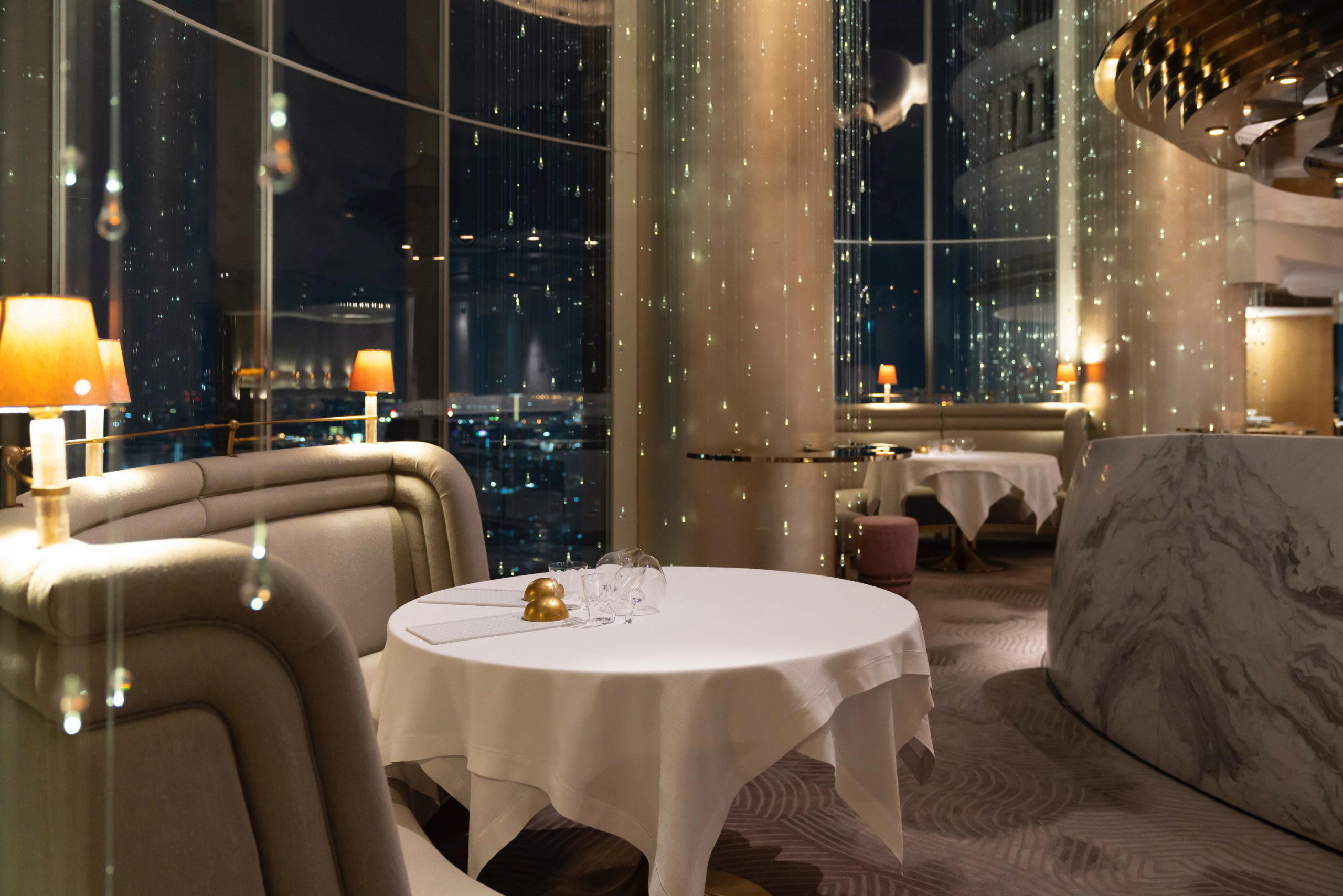
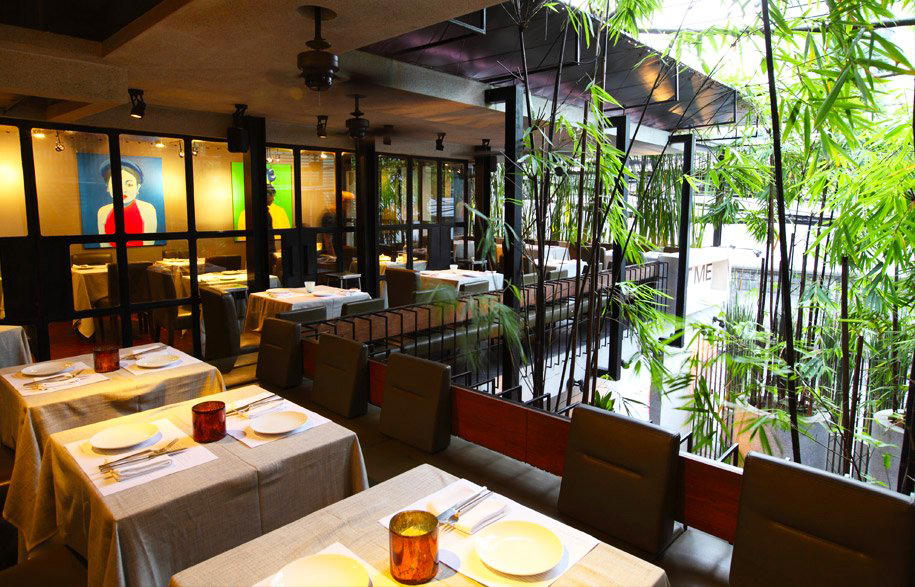
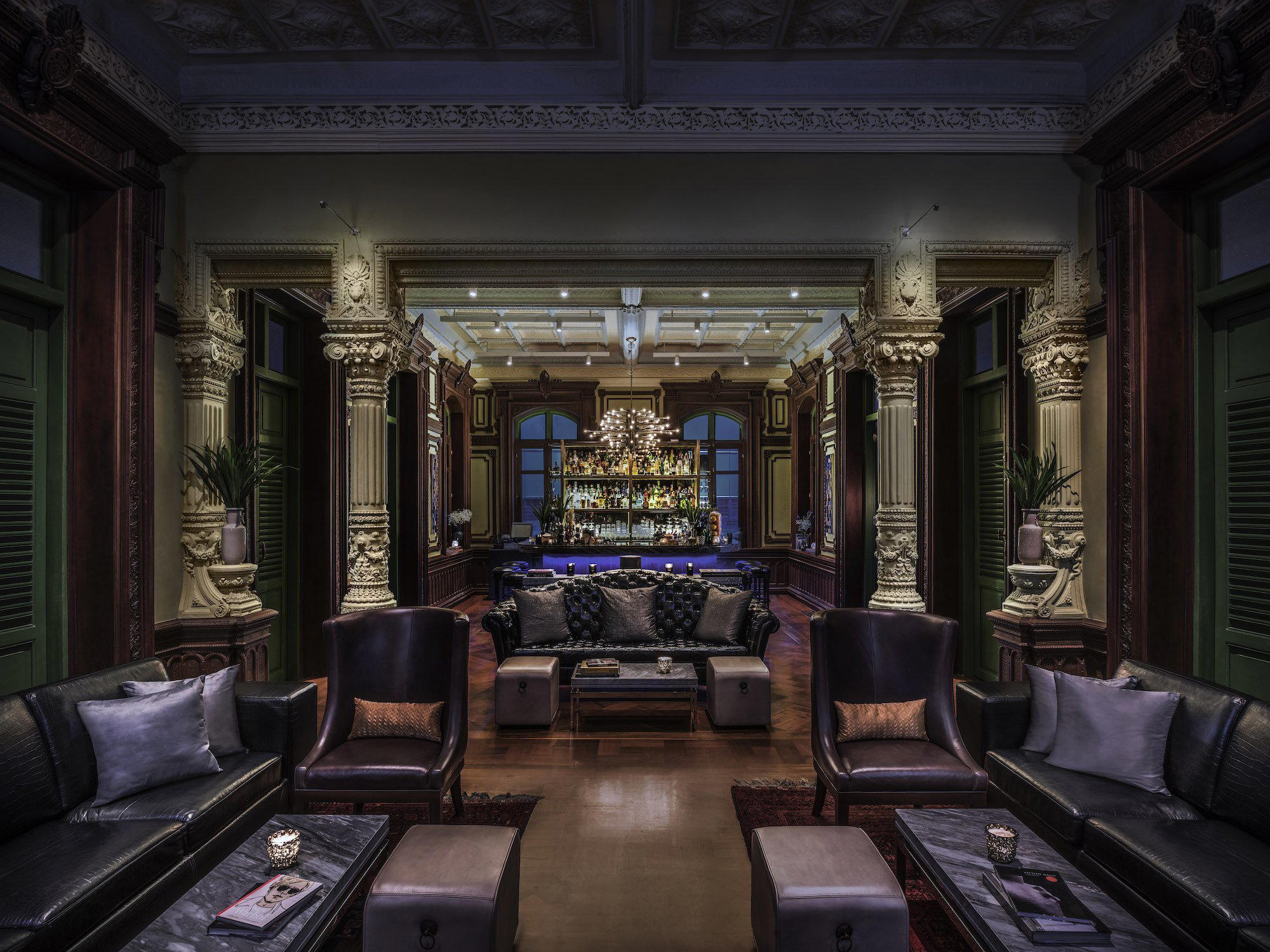
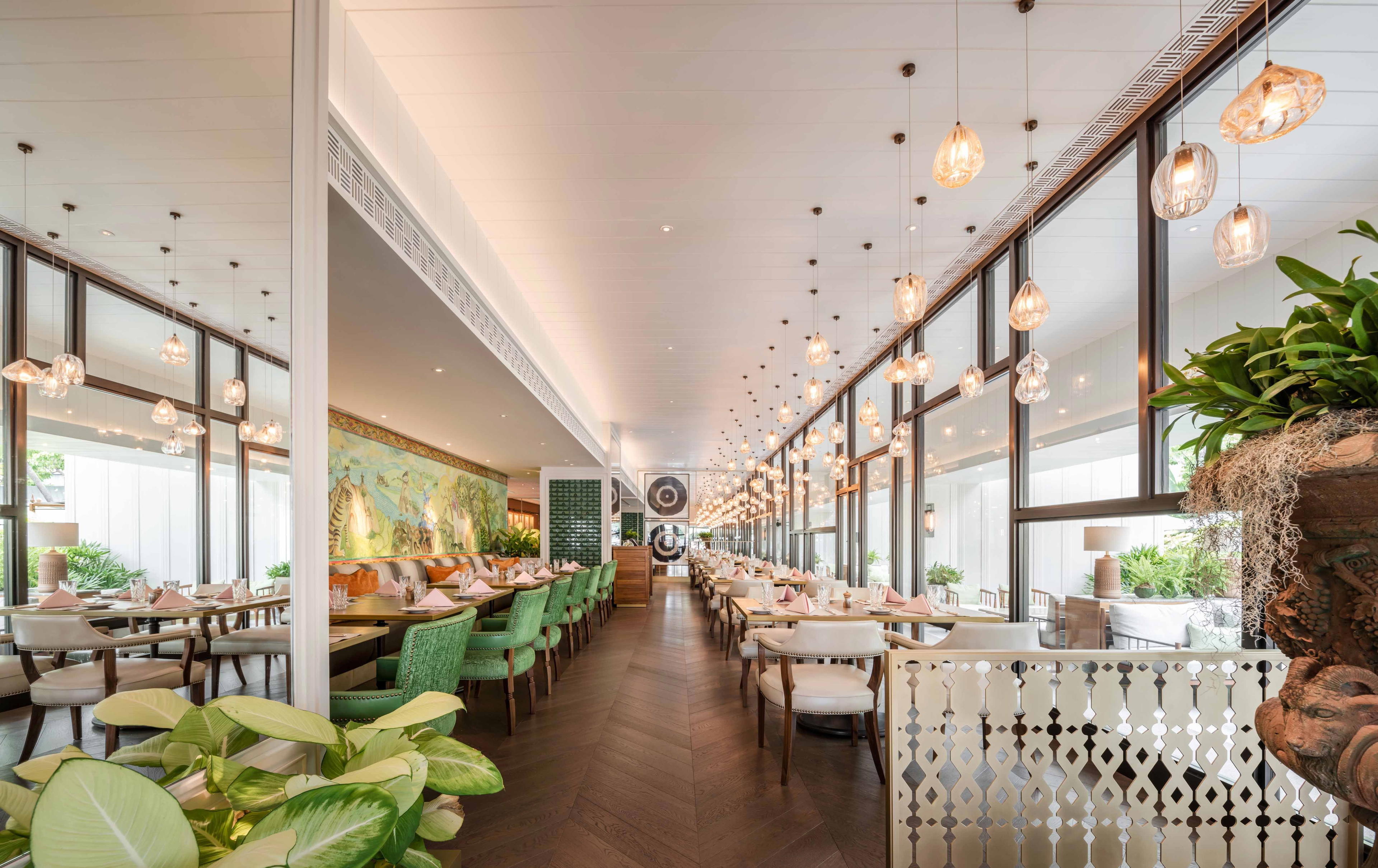
The setting amplifies the editorial argument the menu is making. Bangkok has a long tradition of converting old residential buildings into restaurants, and the format suits a certain kind of cooking, the kind that feels wrong in a sterile modern box but at home in rooms with texture and history. The restaurant occupies what was once a house, and the interior has been treated accordingly, with hand-painted murals echoing Roman architecture providing visual depth that a purpose-built dining room rarely achieves.
That decision to paint rather than project or screen-install is a telling one. The physical permanence of murals, the labour involved, the commitment to a single aesthetic, communicates something about how the restaurant conceives of its own identity. The space is meant to feel finished, settled, and specific.
The pet-friendly policy reinforces the neighbourhood character of the operation. In Bangkok's higher-end dining tier, where restaurants like Sorn, Baan Tepa, Gaa, Sühring, and Côte by Mauro Colagreco operate with the formality their price points require, the restaurant is positioning itself differently, as a place for repeated, relaxed visits rather than singular occasion dining.
Where Via Emilia Sits in Bangkok's Broader Scene
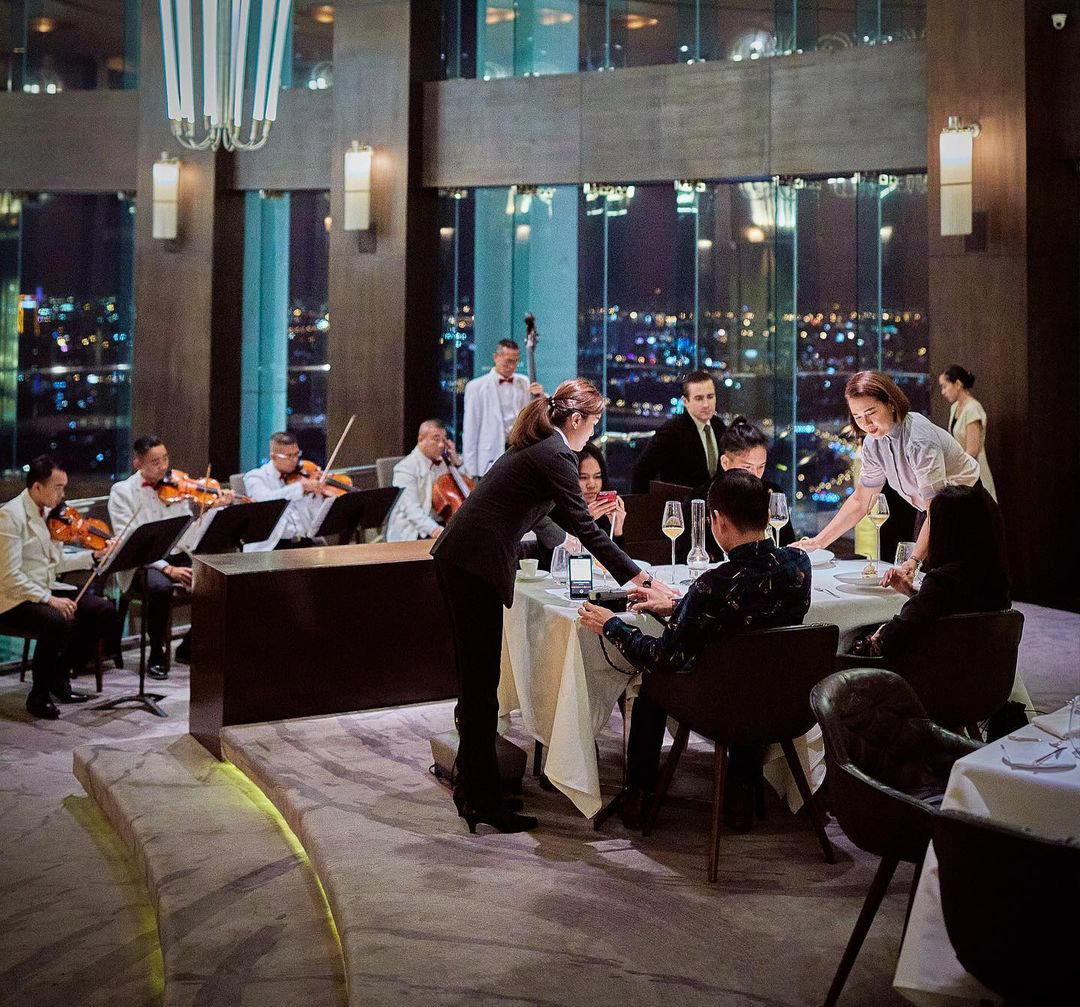
Bangkok's European dining scene covers a wide range of ambition and price. At the formal end, tasting-menu European restaurants occupy a tier where covers are limited, bookings are planned weeks out, and the experience is structured around a single long meal. The restaurant operates outside that model. Its home-style framing, trattoria references, and casual-to-intimate positioning suggest a restaurant built for frequency rather than ceremony, a place a Bangkok resident with Italian eating habits would return to weekly, not annually.
That distinction is worth holding onto. The city's most discussed European restaurants tend to attract attention precisely because they are rare, expensive, and difficult to access. A well-executed regional Italian trattoria that functions as a neighbourhood anchor serves a different and more demanding purpose: it has to be good enough, consistently, for guests who are not operating in special-occasion mode. The menu architecture the restaurant has chosen, focused, regional, handmade, seasonally supplemented, is the right structure for that ambition.
For visitors to Bangkok exploring the city's wider food geography, the restaurant sits in Sathon, a district that rewards those who move beyond the Silom and Sukhumvit corridors. Thailand's own regional dining scene stretches well beyond the capital: PRU in Phuket, AKKEE in Pak Kret, Aeeen in Chiang Mai, and Angeum in Phra Nakhon Si Ayutthaya all represent the country's appetite for serious, place-rooted cooking. The restaurant's own regional commitment is legible within that context, even if the region in question is 9,000 kilometres away.
Planning Your Visit
The restaurant is located at 1040 Naradhiwas Rajanagarindra 17, Lane 5, Thung Maha Mek, Sathon. The restaurant opened in 2021 and is pet-friendly. Seasonal menus run alongside the core regional Italian card. Current hours are 11:30 AM to 11 PM daily, pricing is about USD 25 per person, and reservations are recommended.
A Credentials Check
Comparable venues nearby, for context on price, style, and recognition.
| Venue | Cuisine | Price | Awards | Notes |
|---|---|---|---|---|
| Via EmiliaThis venue — the venue you are viewing | Authentic Emilia-Romagna Italian | $$ | Michelin Plate | Not listed |
| Peppina | Authentic Neapolitan Pizza | $$ | Not listed | Khlong Toei Nuae |
| Enoteca | Modern Italian Fine Dining | $$$ | Michelin Plate | Khlong Toei Nuae |
| Di Vino | Authentic Italian | $$ | Not listed | Watthana Khwaeng |
| Biscotti | Authentic Italian Fine Dining | $$$ | Not listed | Siam Square |
| Khao San Sek | Modern Thai Sacred Ingredients | $$$ | Michelin Plate | Talat Noi |
Recognition history
Dated appearances from independent guides and award organizations, with the underlying list record or original source where available.
Michelin Plate
Michelin
At a Glance
- Cozy
- Rustic
- Elegant
- Intimate
- Date Night
- Family
- Open Kitchen
- Extensive Wine List
Current opening hours
- Monday
- 11:30 AM–11 PM
- Tuesday
- 11:30 AM–11 PM
- Wednesday
- 11:30 AM–11 PM
- Thursday
- 11:30 AM–11 PM
- Friday
- 11:30 AM–11 PM
- Saturday
- 11:30 AM–11 PM
- Sunday
- 11:30 AM–11 PM
Hours can change for holidays and private events. Last verified .
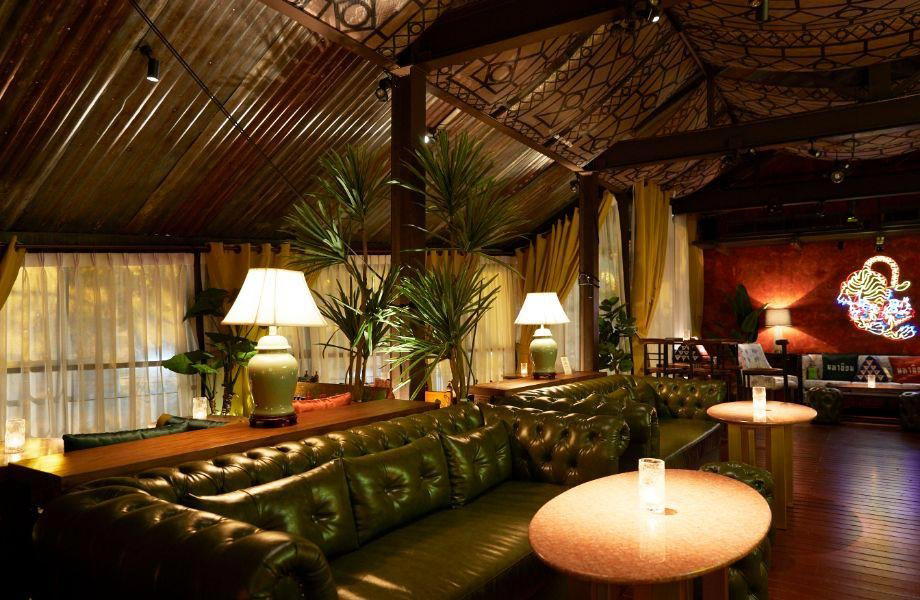
Warm, rustic trattoria atmosphere with hand-painted murals, cozy and elegant, suitable for romantic dinners or family gatherings.