Singapore's third-wave coffee scene has its purists, and Vernacular Coffee sits at the serious end of that spectrum. The flagship outpost roasts its own beans in-house, positioning it among the city's craft-focused operators rather than the lifestyle-café set. For regulars, it functions less like a coffee shop and more like a standing appointment.
 Discover on Pearl
Pearl is the En Primeur Club membership app — saves, bookings, and concierge access live there. Same editors, same standards.
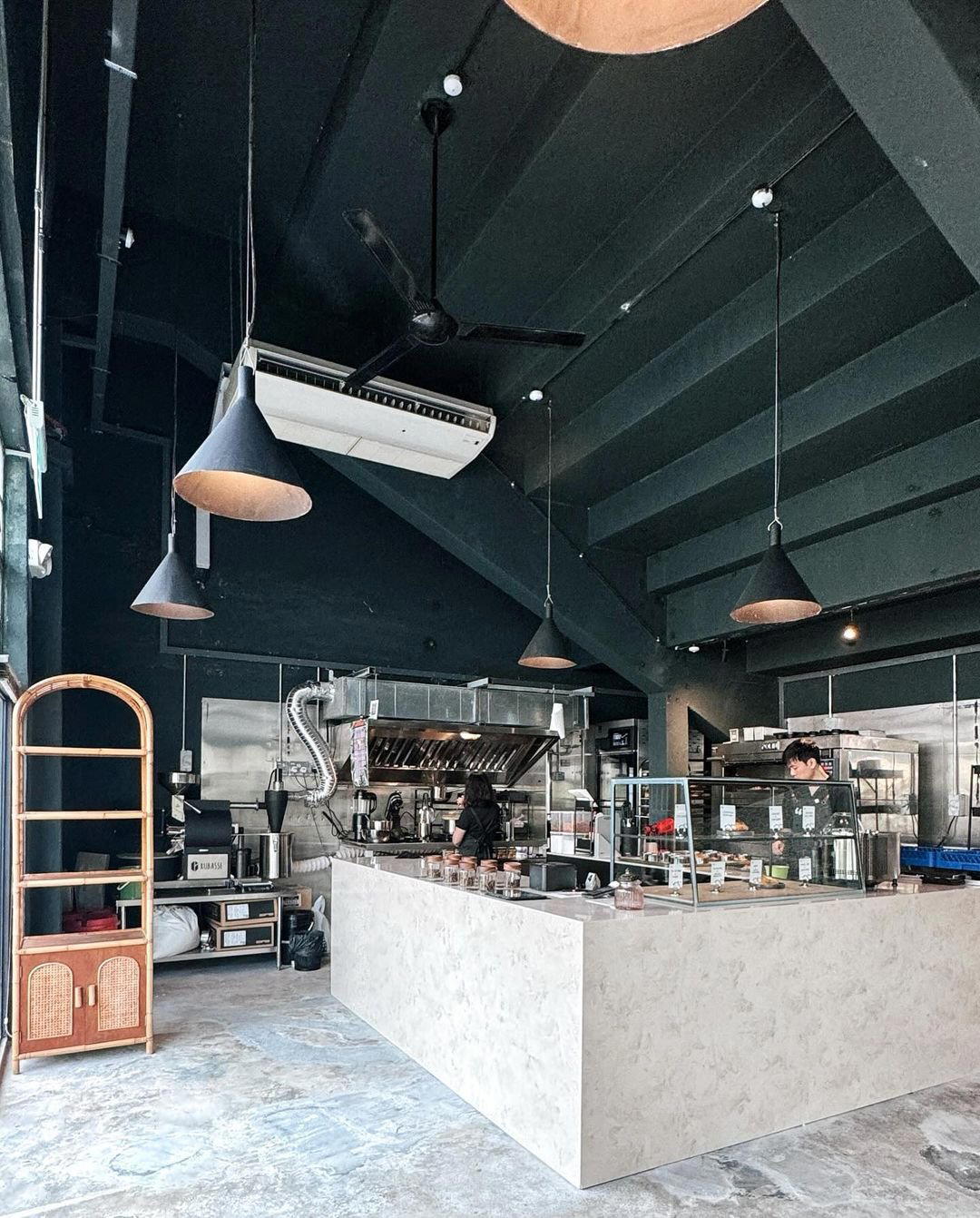
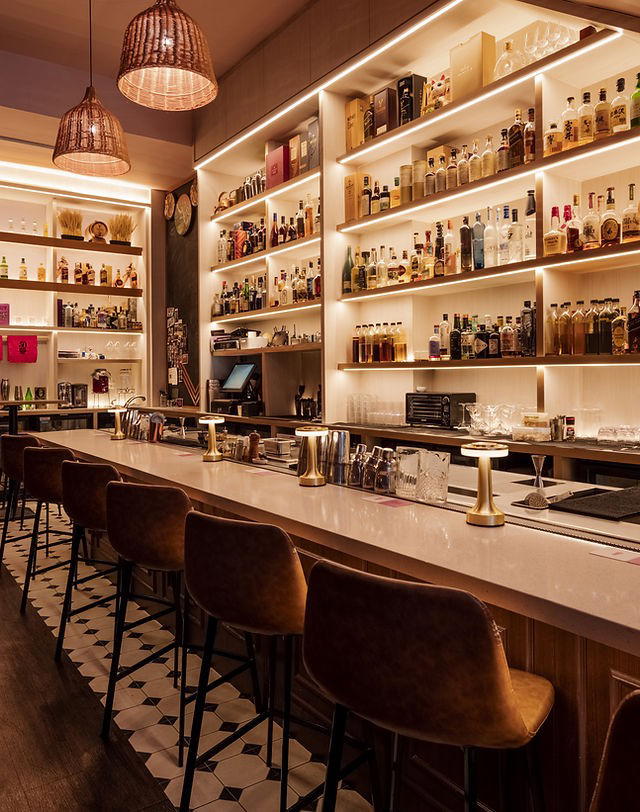
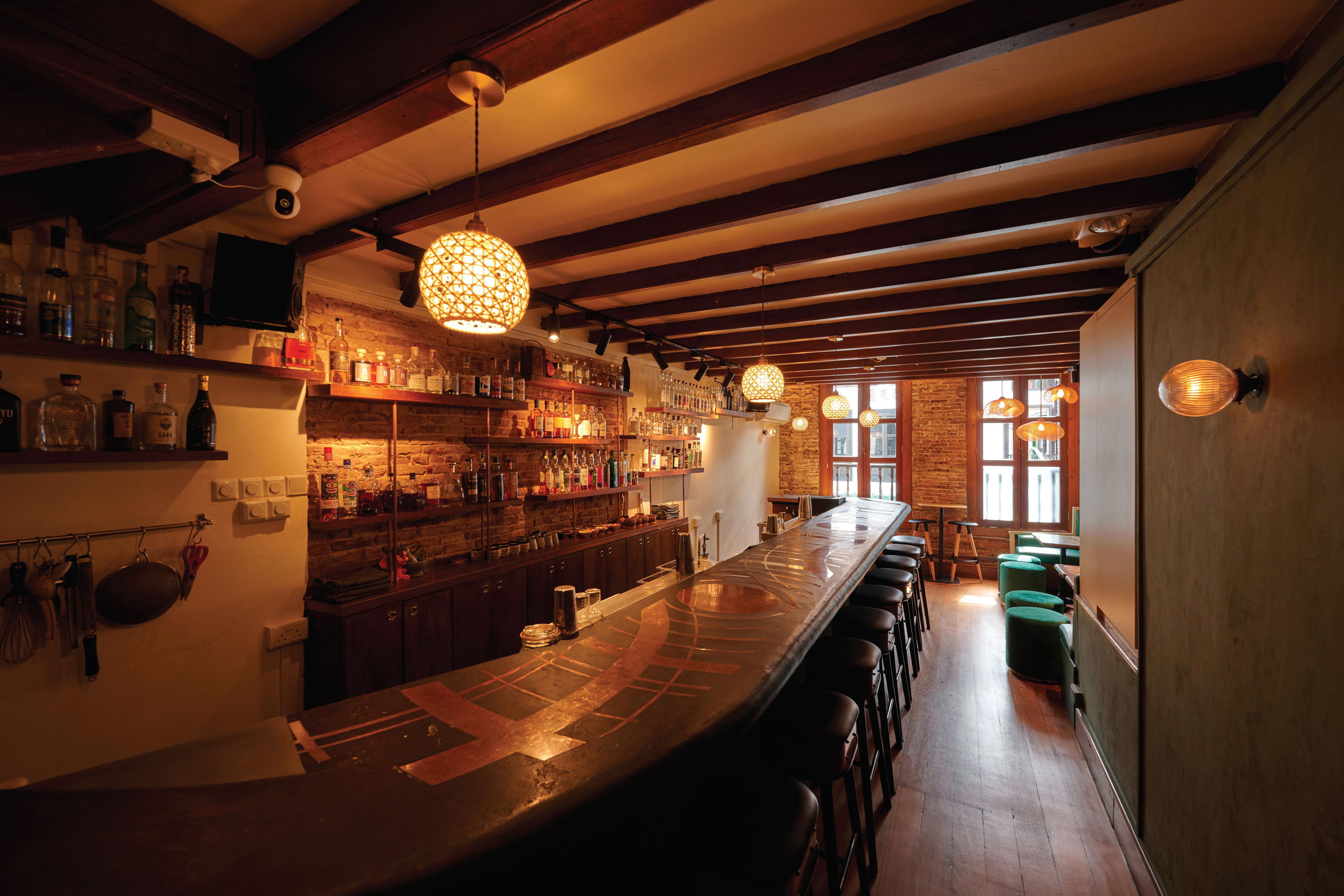
Vernacular Coffee is a Singapore restaurant serving specialty coffee and viennoiseries, with a walk-in counter format and beans roasted in-house. The space does the talking: a clean counter, the faint mineral smell of freshly ground beans, the low mechanical hum of a roaster somewhere in the back. Vernacular Coffee's flagship outpost belongs to that category, where the room is spare enough that the coffee itself has nowhere to hide.
Where Vernacular Sits in Singapore's Coffee Tier
Singapore's specialty coffee scene has matured considerably over the past decade, splitting into two broad camps. The first is café culture as lifestyle product: photogenic interiors, matcha lattes, and menus that treat coffee as one item among many. The second is the craft operator, defined by sourcing transparency, in-house roasting, and a counter culture where the barista's knowledge is part of what you are paying for. Vernacular Coffee operates firmly in the second tier.
In-house roasting is the key differentiator at this level. It places a café in a different competitive conversation than venues that source from third-party roasters, however good those roasters may be. The decision to roast on-site carries logistical weight, equipment investment, space allocation, sourcing relationships, and signals a particular kind of commitment to controlling the final cup from green bean to extraction. Among Singapore's coffee-focused independents, that vertical approach remains a minority position, which is why regulars at venues like Vernacular tend to treat the space as something closer to a wine bar than a café: a place where the product has provenance, and where the person making your drink can account for it.
The fine-dining tier, houses like Odette (French Contemporary), Les Amis (French), and Zén (European Contemporary), occupies one end of the specialist spectrum. Vernacular Coffee sits at the other: lower price point, walk-in format, but the same underlying logic of depth over breadth.
What Keeps Regulars Returning
The regulars' relationship with a serious coffee counter is different from the one formed at a neighbourhood café. It is built around repeatability and specificity. A customer who returns weekly to the same in-house roaster is, in effect, tracking the roaster's decisions across batches and origins. When a new single-origin lot appears on the board, it reads as an event rather than a menu update. That dynamic, coffee as an ongoing conversation rather than a transactional product, is what separates a place with a loyal following from one with high foot traffic.
At the craft coffee level in Singapore, regulars also tend to arrive with a degree of fluency. They know the difference between a washed and a natural process. They have preferences about brew method. Some will specify dose and yield. This is not the majority of any café's clientele, but it is the core that sustains a specialist operator, and it shapes the atmosphere in ways that are immediately legible to anyone who walks in with similar knowledge. There is a calibration that happens at a serious counter, a shorthand between barista and customer, that simply does not exist at scale-focused operations.
Options like Cicheti in Rochor and Béni in Orchard illustrate how the city's independent hospitality operators cluster around district character. Vernacular's flagship format follows a similar logic: the space is a fixed point of reference for a particular kind of customer, not a scalable hospitality concept.
The In-House Roasting Argument
The decision to roast beans on-site is worth unpacking in detail, because it changes what the café actually is. A venue that purchases from an external roaster, even an excellent one, is essentially a retailer of someone else's product at the point of extraction. An in-house roaster is making a claim about the full chain of quality. The beans were sourced directly or through established relationships. The roast profile was developed in-house. The resting period was controlled. When something goes wrong with the cup, there is no one else to attribute it to.
That accountability is part of the appeal for regulars. It also means the product has more variation than a café running a fixed commercial blend: different harvests, different origins, different roast decisions across the year. For customers who find that kind of variation interesting rather than inconsistent, an in-house roaster functions as a standing reason to return. The menu at a place like Vernacular is not static, even if the format is.
Compare that to Singapore's hawker coffee tradition, the kopi culture anchored in places like KTMW chicken rice tea-cafe in Bedok, where the product is deliberately consistent, often roasted with sugar and butter, and tied to a very specific local identity. Specialty coffee operators in Singapore exist in conscious contrast to that tradition, serving a different type of customer and making a different kind of product claim. Neither is more legitimate; they are simply different responses to what coffee can be.
Planning a Visit
Vernacular Coffee's flagship operates as a walk-in venue in the craft coffee format: no reservations, counter service, and a pace determined by the queue rather than a booking system. The ideal time to visit is mid-morning on a weekday, when the post-breakfast rush has cleared and the afternoon crowd has not yet arrived.
The fine-dining tier includes Jaan by Kirk Westaway (British Contemporary) and Meta (Innovative) at the ambitious end, while more casual neighbourhood options span from Ah Ter Teochew Fishball Noodles in Downtown Core to Etna Restaurant in Outram and Little Italy in Marine Parade. For reference points outside Singapore, the craft-focused operator model has parallels in venues like Lazy Bear in San Francisco, where commitment to a specific product philosophy drives a loyal returning clientele.
Cuisine and Awards Snapshot
Comparable venues nearby, for context on price, style, and recognition.
| Venue | Cuisine | Price | Awards | Notes |
|---|---|---|---|---|
| Vernacular CoffeeThis venue — the venue you are viewing | Specialty Coffee and Viennoiseries | $$ | , | |
| Nasi Lemak Ayam Taliwang Signature | Singaporean-Indonesian Nasi Lemak | $$ | , | Telok Ayer |
| Vernacular Coffee | Specialty Coffee and Pastries | $$ | , | Mountbatten |
| Traditional Haig Road Putu Piring | Traditional Malay Putu Piring | $ | , | Geylang |
| Nasi Padang Sabar Menanti | Authentic Minangkabau Nasi Padang | $$ | , | KAMPONG GLAM |
| Heap Seng Leong | Traditional Singaporean Kopitiam | $ | , | Crawford |
Continue exploring
More in Singapore
Restaurants in Singapore
Browse all →
Bars in Singapore
Browse all →
At a Glance
- Cozy
- Minimalist
- Industrial
- Hidden Gem
- Casual Hangout
- Brunch
- Solo
- Open Kitchen
- Local Sourcing
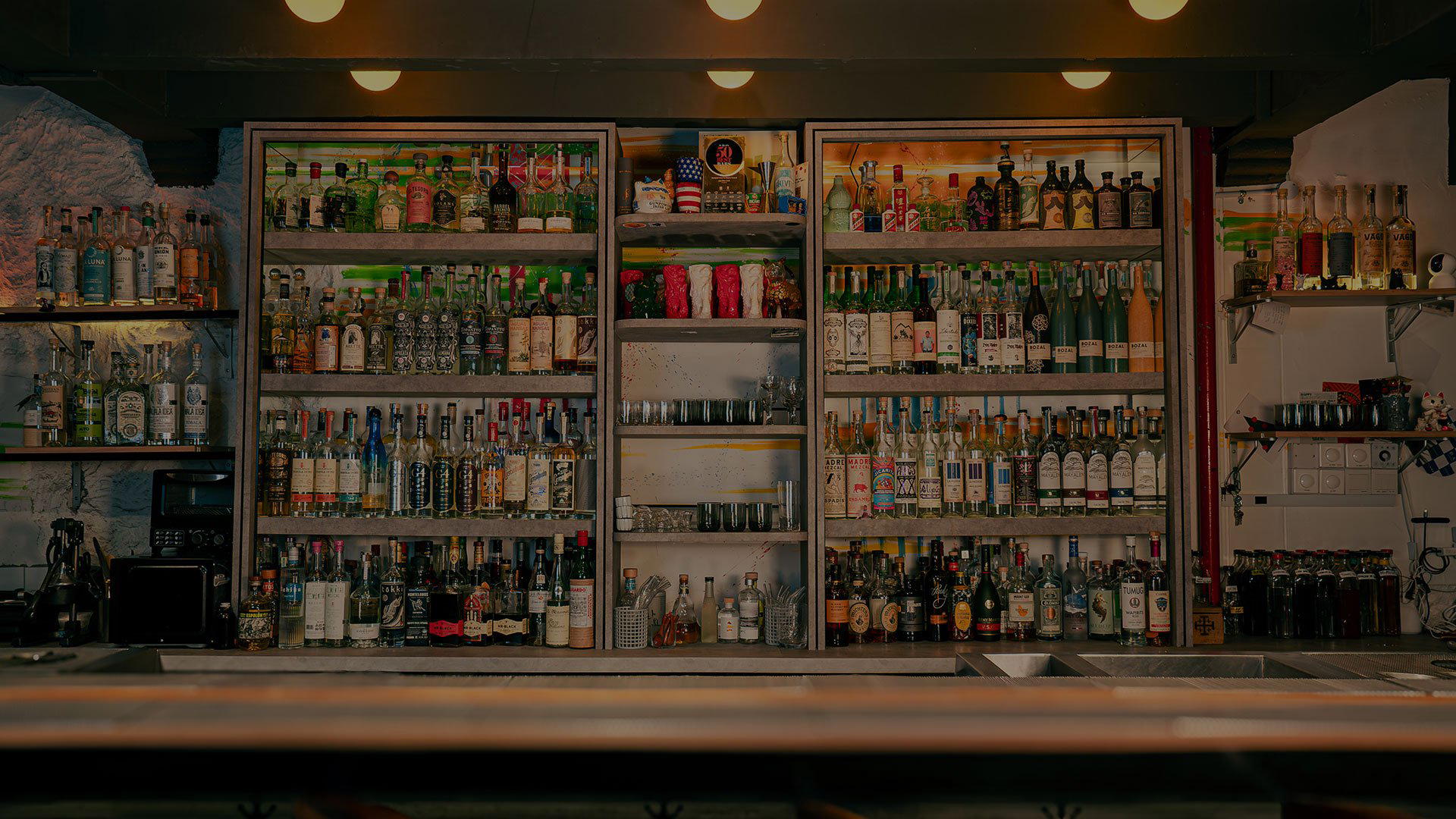
Tranquil library-like atmosphere with deep green tones and sleek industrial design, occasionally interrupted by nearby renovation noises.