On West 4th Avenue in Kitsilano, Raisu operates within Vancouver's growing appetite for Japanese rice-forward dining. The menu architecture centres on kaisu-style rice dishes that position the restaurant within a specialist tier distinct from the city's omakase counters and izakaya chains. Worth booking ahead, particularly for weekday evenings.
Pearl is the En Primeur Club membership app — saves, bookings, and concierge access live there. Same editors, same standards.
- Address
- 2340 W 4th Ave, Vancouver, BC V6K 1P1, Canada
- Phone
- +16046201564
- Website
- raisu.ca
- Directions
- Get directions
 Saves & bookings on Pearl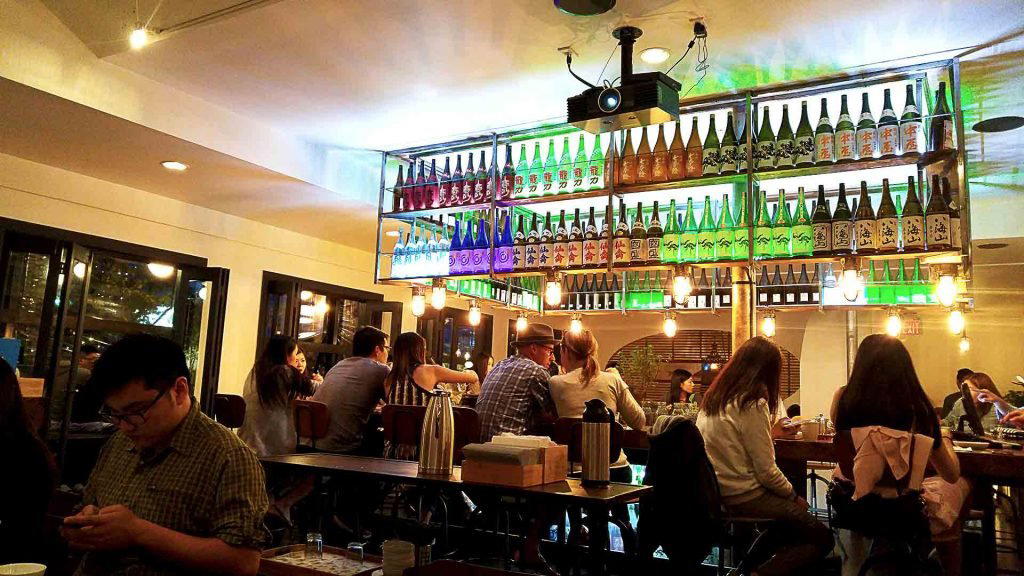
The Room Before the First Bite
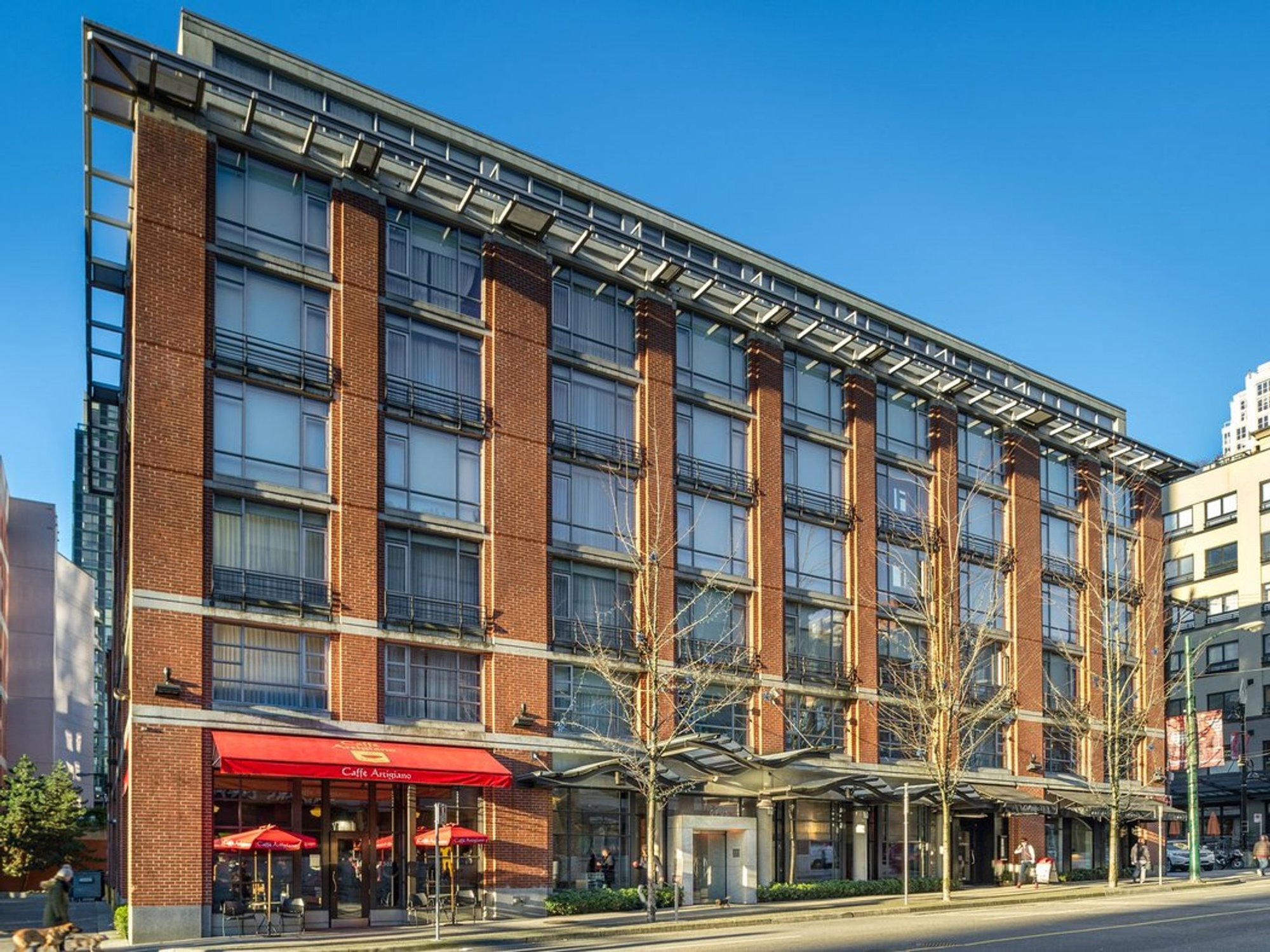
West 4th Avenue in Kitsilano runs through one of Vancouver's more considered dining corridors: independent operators, neighbourhood-scale rooms, and a clientele that tends to know what it came for. Raisu, at 2340 W 4th Ave, fits that register. The address is on West 4th Ave in Kitsilano, Vancouver, a neighbourhood street better suited to repeat visitors and word-of-mouth arrivals. That kind of regulars-first energy tends to shape how a kitchen programs its menu, and at Raisu the evidence is in the structure of what gets served.
How the Menu Is Built, and What That Tells You
Vancouver's Japanese dining tier has fractured across the last decade into distinct formats: omakase counters priced against international benchmarks, izakaya-style rooms running broad menus at mid-range price points, and a smaller cohort of specialists who pick a single Japanese culinary tradition and build a tight menu around it. Raisu belongs to that third group. The name signals the orientation directly: raisu points to rice served in Western-style, typically in a bowl, as opposed to the traditionally plated gohan. That distinction is not incidental. It sets the menu's logic before a dish arrives.
Rice-centred Japanese menus operate under a different architecture than tasting-format or izakaya-style menus. Rather than a series of small plates building toward a main, the structure is often protein-and-preparation first, with the rice as the constant anchor. The decision the kitchen makes is about sourcing and cooking precision on the protein, and about the quality of the rice itself, a grain category that serious Japanese kitchens treat with the same attention that European kitchens give to stock. What this means for the diner is that the menu reads narrower than a comparable izakaya but delivers more depth in its lane.
That lane positions Raisu differently from the four-dollar-sign Japanese operators elsewhere in Vancouver. Masayoshi, for instance, operates in the omakase format, where the chef's sequencing is the product. Kissa Tanto runs a fusion frame, Italian-Japanese, that broadens its reference points considerably. Raisu's commitment to a single Japanese rice format is a narrower editorial statement, and narrower editorial statements in restaurants either age well or struggle, depending on execution consistency and ingredient sourcing.
Kitsilano's Dining Character and Where Raisu Sits
Kitsilano has not chased the high-spectacle restaurant formats that have defined parts of downtown Vancouver and the Eastside. The neighbourhood's food culture skews toward operators who prioritise product quality over room drama, which makes it a reasonable home for a specialist like Raisu. The comparison set on W 4th itself includes cafes, wine bars, and mid-scale independents, meaning Raisu is competing on detail rather than scale. Its competition is attention-to-detail rather than scale.
That context matters when thinking about what kind of dining experience to expect. This is not the room you book for a landmark occasion the way you might book AnnaLena or Barbara for contemporary tasting formats. It is closer to the category of serious neighbourhood specialist: the kind of place that sustains a city's dining culture between the headline addresses. Across Canada's restaurant cities, that tier includes operators like Alo in Toronto at the upper end and community-anchored rooms like Barra Fion in Burlington at the more accessible register. Raisu reads somewhere in that middle ground for Vancouver.
Where Rice-Forward Japanese Fits in the Broader Canadian Scene
The rice-bowl format has grown across Canadian cities in part because it offers a middle path between fast-casual and full-service Japanese dining. The price point is typically more accessible than omakase or multi-course Japanese menus, the pacing is faster, and the format is legible to diners who find izakaya menus unwieldy. What distinguishes operators in this format from one another is sourcing discipline: the quality of the rice variety, the temperature and seasoning precision, and the protein preparation. These details do not show up on a menu description but determine whether the format feels like a restaurant or a canteen.
Vancouver's position as one of Canada's primary Pacific Rim cities means it has both the ingredient supply chains and the customer base to support Japanese specialists at multiple price tiers. The iDen and QuanJuDe Beijing Duck House demonstrates how a single-format Asian specialist, in that case Peking duck, can sustain a high-end position through format discipline and sourcing provenance. The rice-forward Japanese format operates on a similar logic at a different price tier. Internationally, the standard for technically precise Japanese rice service has been set in cities like Tokyo and New York, where counters like Atomix in New York City demonstrate how Asian culinary precision translates into a high-recognition dining tier. Raisu is not operating at that level of ambition or price, but the underlying culinary logic connects to the same tradition.
A Quick Peer Check
Comparable venues nearby, for context on price, style, and recognition.
| Venue | Cuisine | Price | Notes |
|---|---|---|---|
| RaisuThis venue — the venue you are viewing | Modern Japanese Izakaya | $$ | Not listed |
| Guu Toramasa | Osaka-Style Japanese Izakaya | $$ | Downtown |
| Harvest Community Foods | Local Noodle Soups & Asian Comfort Food | $$ | Chinatown |
| Toyokan | Modern Japanese Izakaya | $$ | Kitsilano |
| Itosugi Kappo Cuisine | Kappo Sushi Omakase | $$$ | Kitsilano |
| The Ramen Butcher(Chinatown) | Hakata-Style Tonkotsu Ramen | $$ | Chinatown |
Continue exploring
More in Vancouver
Restaurants in Vancouver
Browse all →
Bars in Vancouver
Browse all →
At a Glance
- Trendy
- Modern
- Lively
- Date Night
- Celebration
- Casual Hangout
- Open Kitchen
- Sake Program
Current opening hours
- Monday
- 11:30 AM–10 PM
- Tuesday
- 11:30 AM–10 PM
- Wednesday
- 11:30 AM–10 PM
- Thursday
- 11:30 AM–10 PM
- Friday
- 11:30 AM–10 PM
- Saturday
- 11:30 AM–10 PM
- Sunday
- 11:30 AM–10 PM
Hours can change for holidays and private events. Last verified .
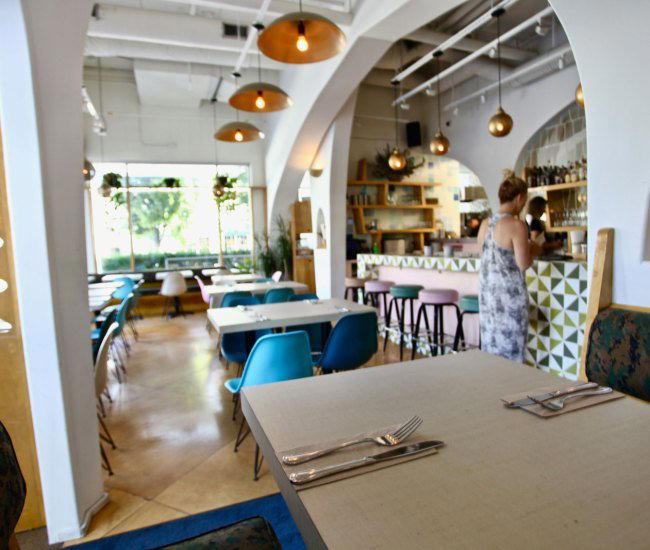
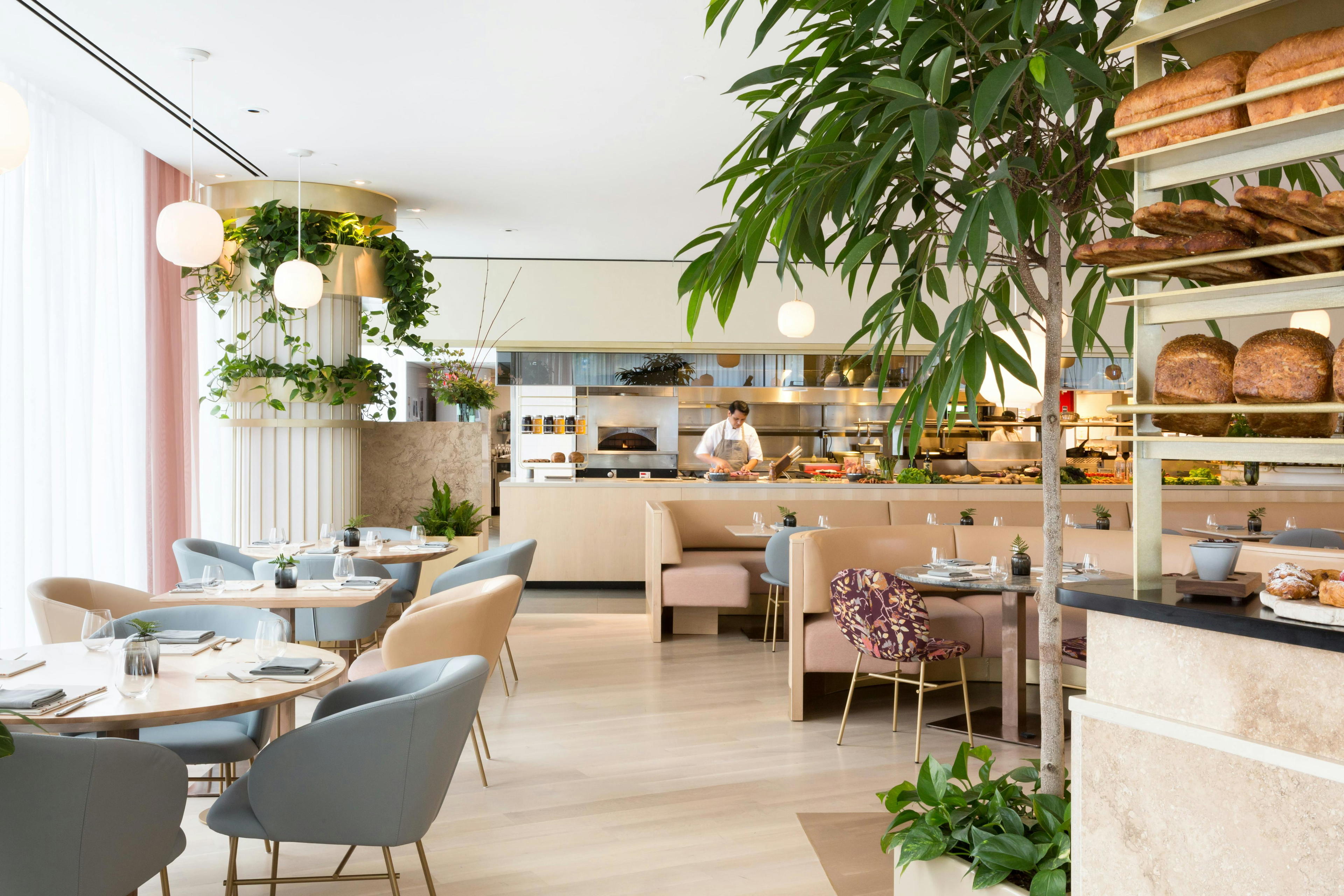
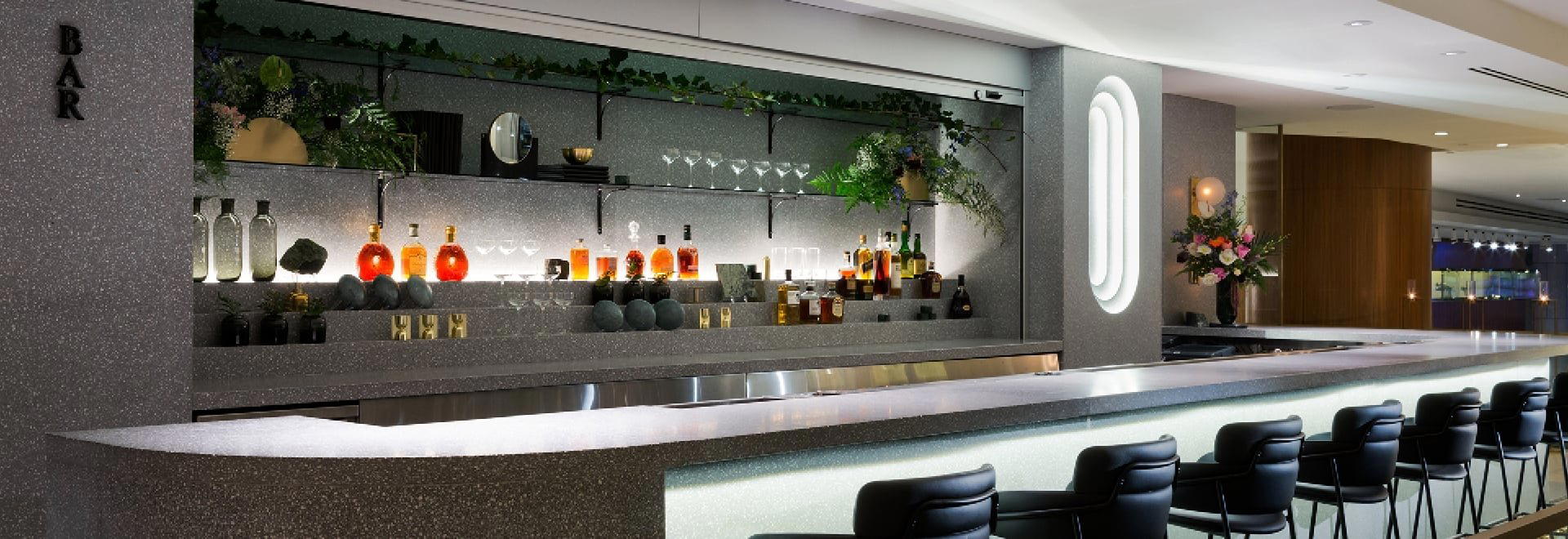
Upbeat and trendy atmosphere with a central bar, moderate noise level, and focus on intricate food presentation.