
Operating from the same address in Carrù since 1887, Vascello d'Oro holds a Michelin Bib Gourmand and a menu built around the town's celebrated bue grasso, the fat ox available from November to Easter. This is Piedmontese cooking in its least compromised form: finanziera, boiled meats, ravioli, and bonet, priced at the accessible end of the regional table.
Pearl is the En Primeur Club membership app — saves, bookings, and concierge access live there. Same editors, same standards.
- Address
- Via San Giuseppe, 9, 12061 Carrù CN, Italy
- Phone
- +39 0173 75478
- Website
- vascellodoro.it
- Directions
- Get directions
 Saves & bookings on Pearl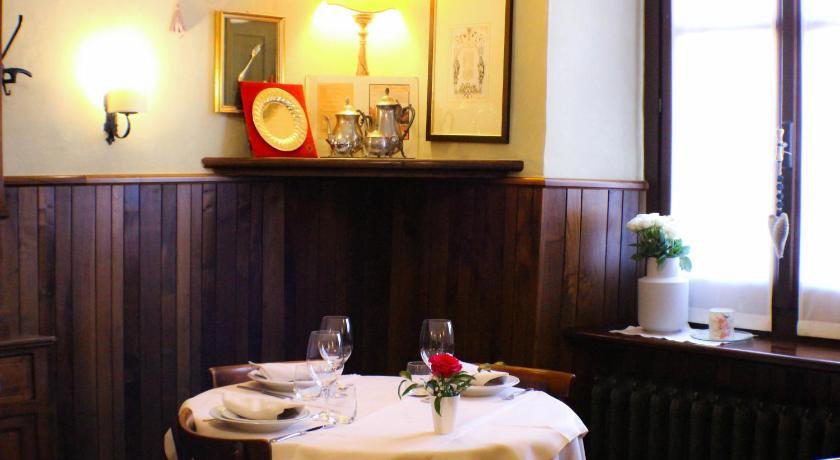
A Town Defined by Its Table
Carrù, a small comune in the Cuneo province of southern Piedmont, carries a culinary reputation that outweighs its size. The town is synonymous with bue grasso, the fat ox whose annual December fair has drawn buyers, cooks, and curious eaters since the mid-nineteenth century. That fair remains among the more serious livestock and food markets in northern Italy, and it gives the local dining scene a specificity that larger, more fashionable towns in the region often lack. Where Piazza Duomo in Alba works in the register of contemporary fine dining, Carrù's better tables occupy a different position entirely: traditional, unfussy, and precisely calibrated to the seasonal rhythms of the Cuneo countryside.
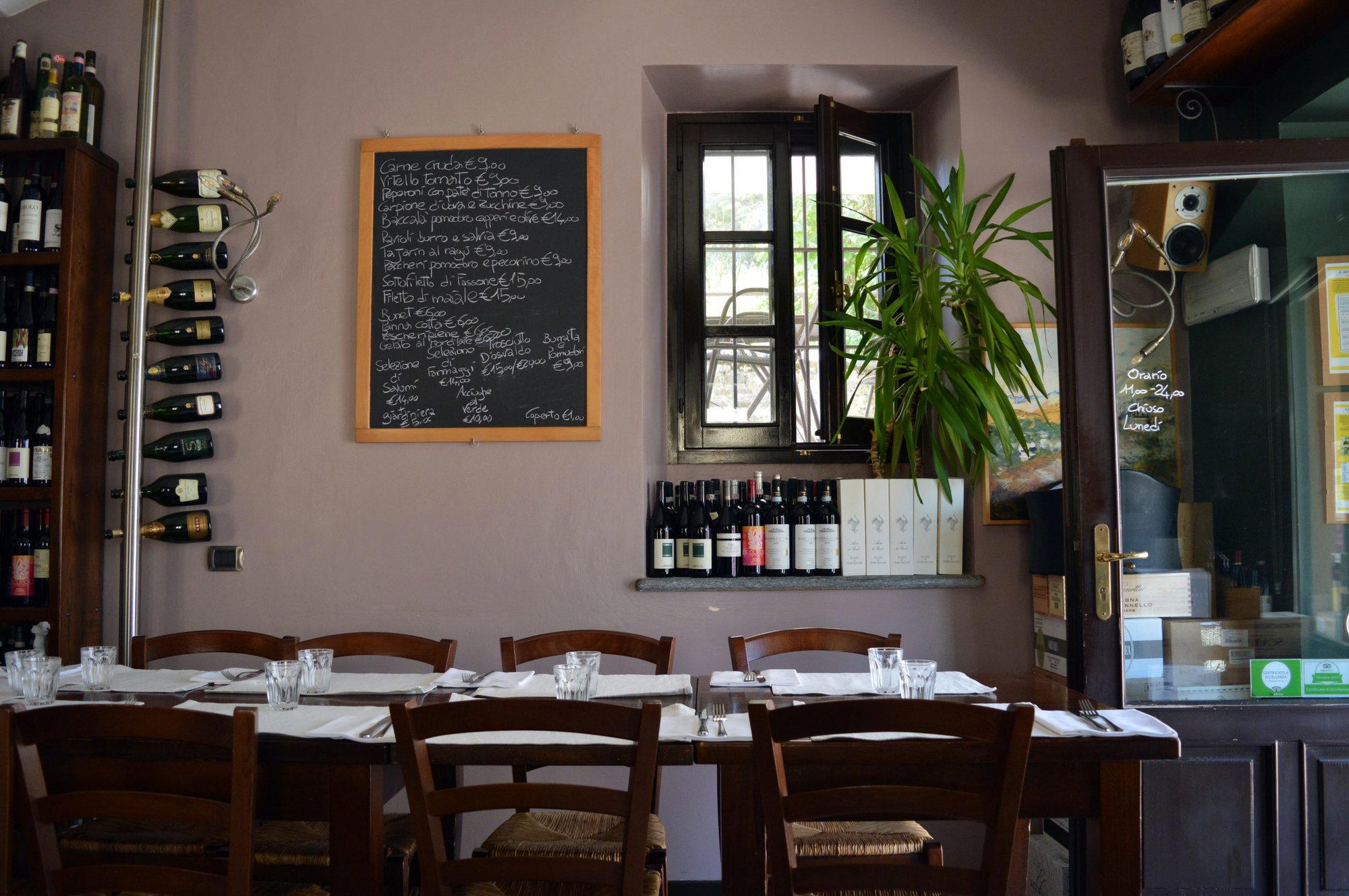
Via San Giuseppe sits close to the centre of town, a quiet street that gives little away about what lies inside. The building itself reflects the kind of continuity that Piedmont does quietly and without ceremony: warm interiors, traditional decor, and a sense that the dining room has absorbed a century and a quarter of local life without needing to advertise the fact. This is not a room designed to perform heritage. It simply has it.
What a Bib Gourmand Says About a Restaurant
Michelin's Bib Gourmand designation, awarded to Vascello d'Oro in both 2024 and 2025, signals something specific. It is not a star, and it does not position a restaurant in the same conversation as Osteria Francescana in Modena or Le Calandre in Rubano. What it signals is consistent quality at a price point that Michelin considers worth singling out. In Piedmont, where the Bib Gourmand tier is well-populated with trattorias and family-run osterie, holding the recognition across consecutive years is a meaningful mark. It places Vascello d'Oro in a regional comparable set that includes Antica Corona Reale in Cervere, another Cuneo-province address with deep roots in the Piedmontese canon.
That combination, critical recognition from Michelin and sustained popular approval, is the mark of a restaurant doing what it intends to do consistently, over a long period. In a region where trattoria culture can blur into tourist-facing approximations, that consistency carries weight.
The Long View: Cooking Since 1887
The date matters more than it might first appear. Vascello d'Oro has been in operation since 1887, placing its founding in the era before Piedmontese cuisine was codified, celebrated internationally, or protected by Slow Food designations. Most of what now counts as the region's culinary identity was simply daily practice in the kitchens of the Langhe and Cuneo plain at that time. A restaurant that has operated continuously from that period carries an institutional memory that cannot be replicated by a modern kitchen choosing to work in a traditional register.
That longevity puts the restaurant in a rare category even within Italy's tradition-rich dining scene. For reference, Dal Pescatore in Runate and Enoteca Pinchiorri in Florence are among the country's celebrated multi-generational addresses, but they operate in a different price bracket and with a different relationship to the region. The restaurant's longevity is in service of the local table, not of a national fine-dining conversation.
The Menu and Its Seasonal Logic
Piedmontese cooking at this level is built around a small number of dishes that require time, technique, and proximity to good ingredients rather than innovation. The menu at the restaurant reflects that: meat and vegetable filled ravioli, finanziera, fried dishes in the regional tradition, Russian salad, and the boiled meats that remain one demanding test of a kitchen's patience and sourcing.
The boiled meat plate in Piedmont is not a simple dish. Gran bollito misto requires multiple cuts, specific cooking temperatures for each, and a kitchen willing to execute it correctly rather than approximately. That restaurant has built its reputation around this preparation, and that the menu draws from bue grasso specifically from November through to Easter, says something about how the kitchen prioritises ingredient quality over year-round convenience. The seasonal window for bue grasso is not a marketing gesture, it reflects the actual production cycle of the breed, and a restaurant that adheres to it is making a choice that costs flexibility in exchange for authenticity.
Desserts follow the same logic. Hazelnut cake and bonet, the bitter chocolate and amaretto pudding that appears on virtually every serious Piedmontese table, close the meal in a way that requires no elaboration. These are not dishes to be modernised. They are benchmarks.
How This Kitchen Fits Into the Regional Picture
Southern Piedmont's restaurant scene runs from accessible trattoria through to destination fine dining, with Locanda Sant'Uffizio Enrico Bartolini in Cioccaro and addresses like Enrico Bartolini in Milan representing the upper register of the Bartolini network. Creative Italian at the level of Atelier Moessmer Norbert Niederkofler or Reale in Castel di Sangro sits at a price point and conceptual remove that makes it a separate category entirely. The restaurant is not competing with those rooms, and the comparison is only useful to establish what it is not trying to do.
Within the Bib Gourmand tier in Piedmont, the relevant comparison is with other long-established trattorias working the traditional canon without compromise. Chef Real Coronado leads a kitchen that, across two consecutive Michelin cycles, has demonstrated that this approach is being executed with sufficient precision and consistency to hold critical recognition. That is the operating context: not a single standout dish or a personal culinary narrative, but a kitchen doing difficult, traditional things well enough to earn external validation twice running.
Planning Your Visit
The restaurant sits at Via San Giuseppe, 9, in the centre of Carrù.
- gran bollito misto di Carrù
- insalata russa
- meat and vegetable ravioli
- finanziera
- bonet
- hazelnut cake
Comparable Venues
Comparable venues nearby, for context on price, style, and recognition.
| Venue | Cuisine | Price | Awards | Notes |
|---|---|---|---|---|
| Vascello d'OroThis venue — the venue you are viewing | Traditional Piedmontese Trattoria | $$ | Bib Gourmand | Not listed |
| Osteria La Torre | Modern Piedmontese Trattoria | $$ | Bib Gourmand | historic center |
| Osteria Didù | Ligurian Seafood Osteria | $$ | Bib Gourmand | Porto San Maurizio |
| Le Miniere | Piedmontese Italian with Mushroom Specialties | $$ | Bib Gourmand | Traversella |
| Osteria La Pimpinella | Traditional Piedmontese Osteria | $$$ | Bib Gourmand | Bra |
| Lalibera | Modern Piedmontese Osteria | $$$ | Michelin Plate | San Giovanni |
Recognition history
Dated appearances from independent guides and award organizations, with the underlying list record or original source where available.
Michelin Bib Gourmand
Michelin
Michelin Bib Gourmand
Michelin
Michelin Bib Gourmand
Michelin
Continue exploring
More in Carrù
Restaurants in Carrù
Browse all →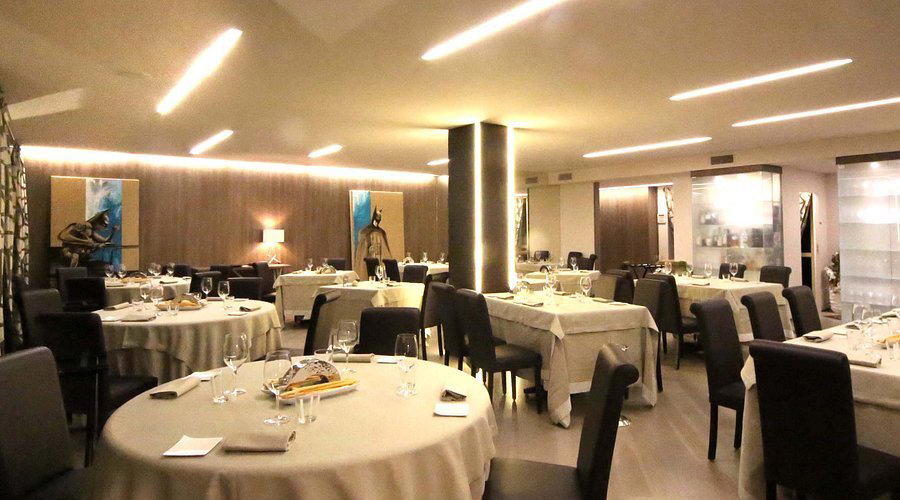
Bars in Carrù
Browse all →
Hotels in Carrù
Browse all →
At a Glance
- Rustic
- Classic
- Cozy
- Elegant
- Group Dining
- Family
- Celebration
- Special Occasion
- Private Event
- Wine Cellar
- Private Dining
- Historic Building
- Standalone
- Extensive Wine List
- Local Sourcing
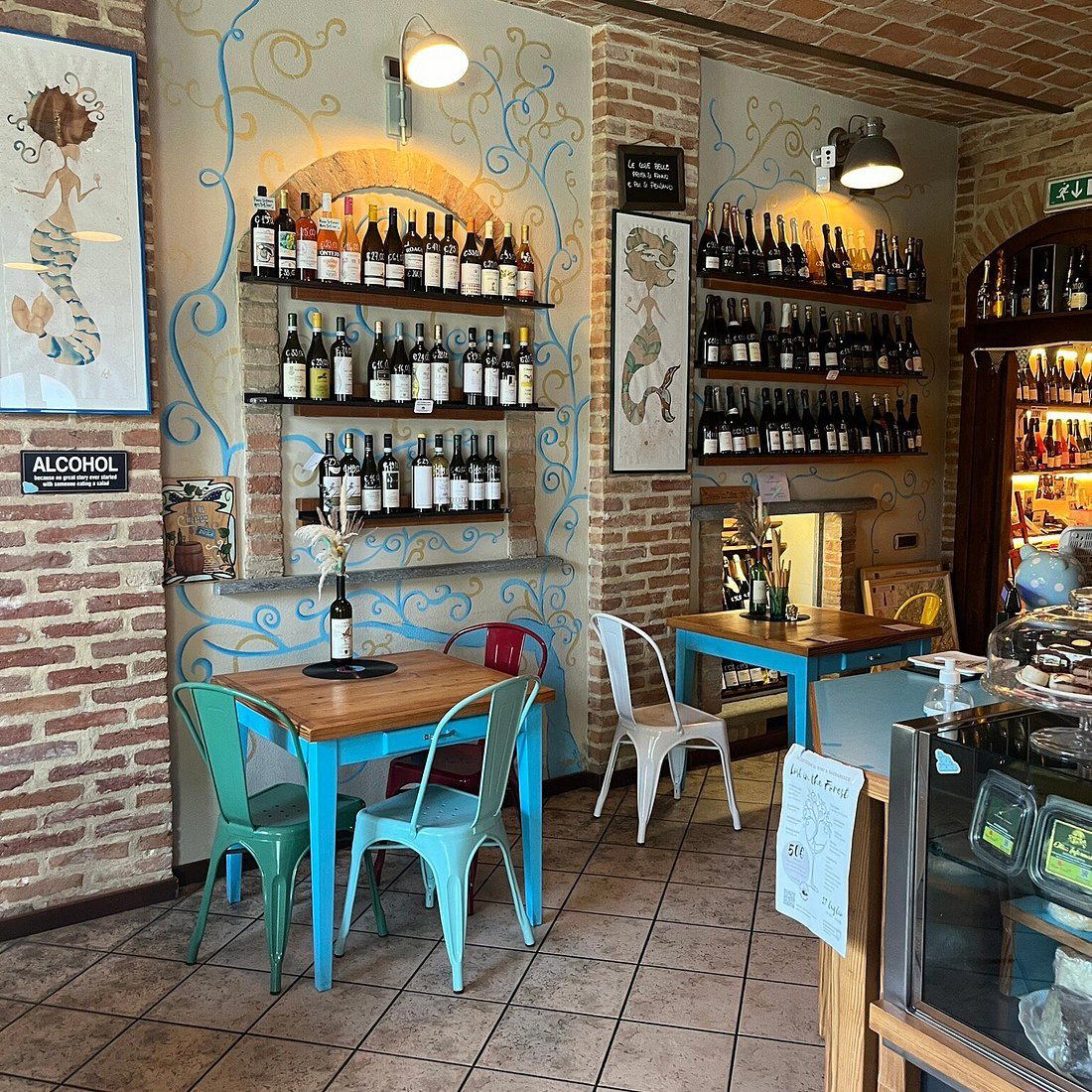
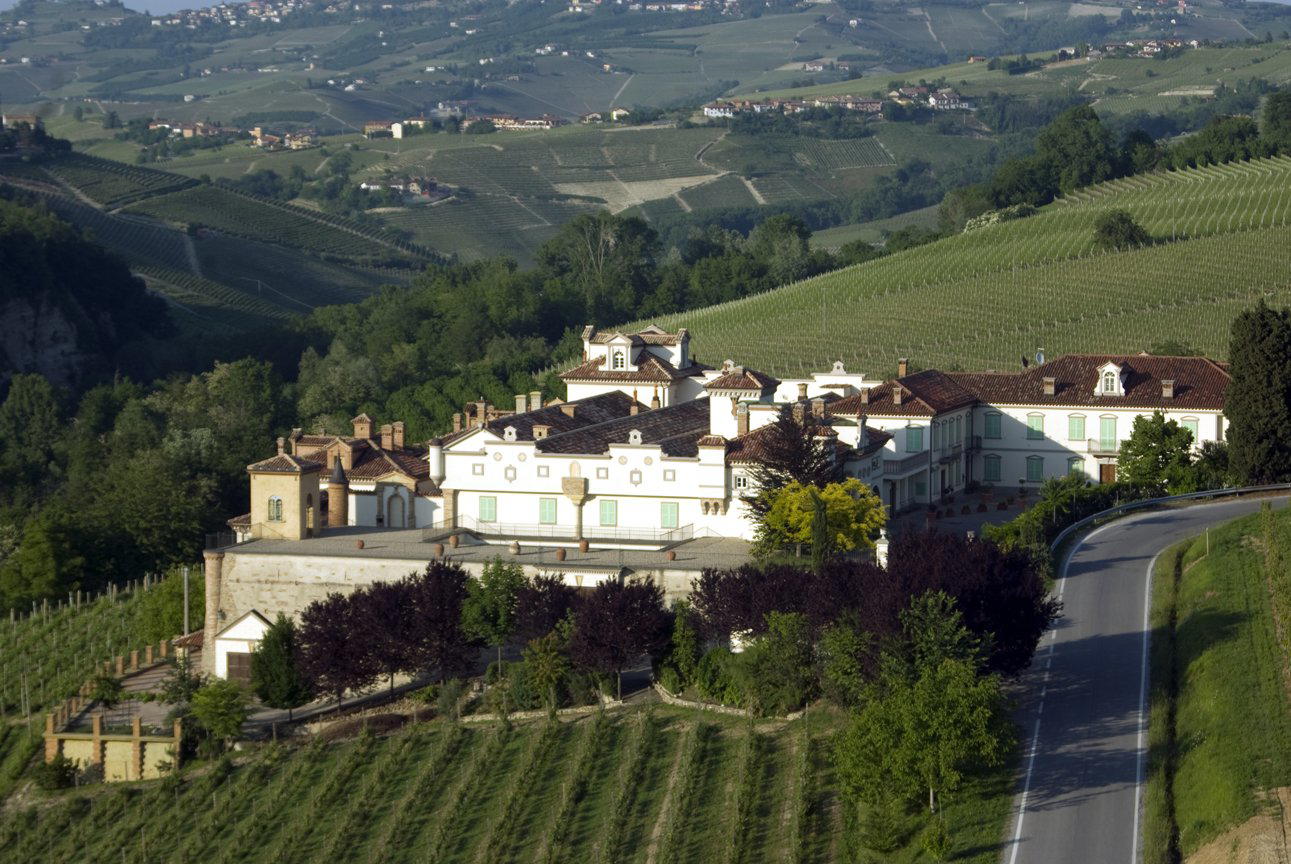
Rustic yet bright and elegant setting with historical rooms divided into multiple cozy, tastefully decorated spaces featuring a fireplace, creating a warm and convivial atmosphere.