Our verdict
Japanese Cooking in the South Pacific: What It Means to Source Well in Port Vila Port Vila sits at an unusual culinary crossroads. The capital of Vanuatu draws its food culture from French colonial history, Melanesian tradition, and a steady...

Pearl is the En Primeur Club membership app, where members save venues, book tables and use the concierge.
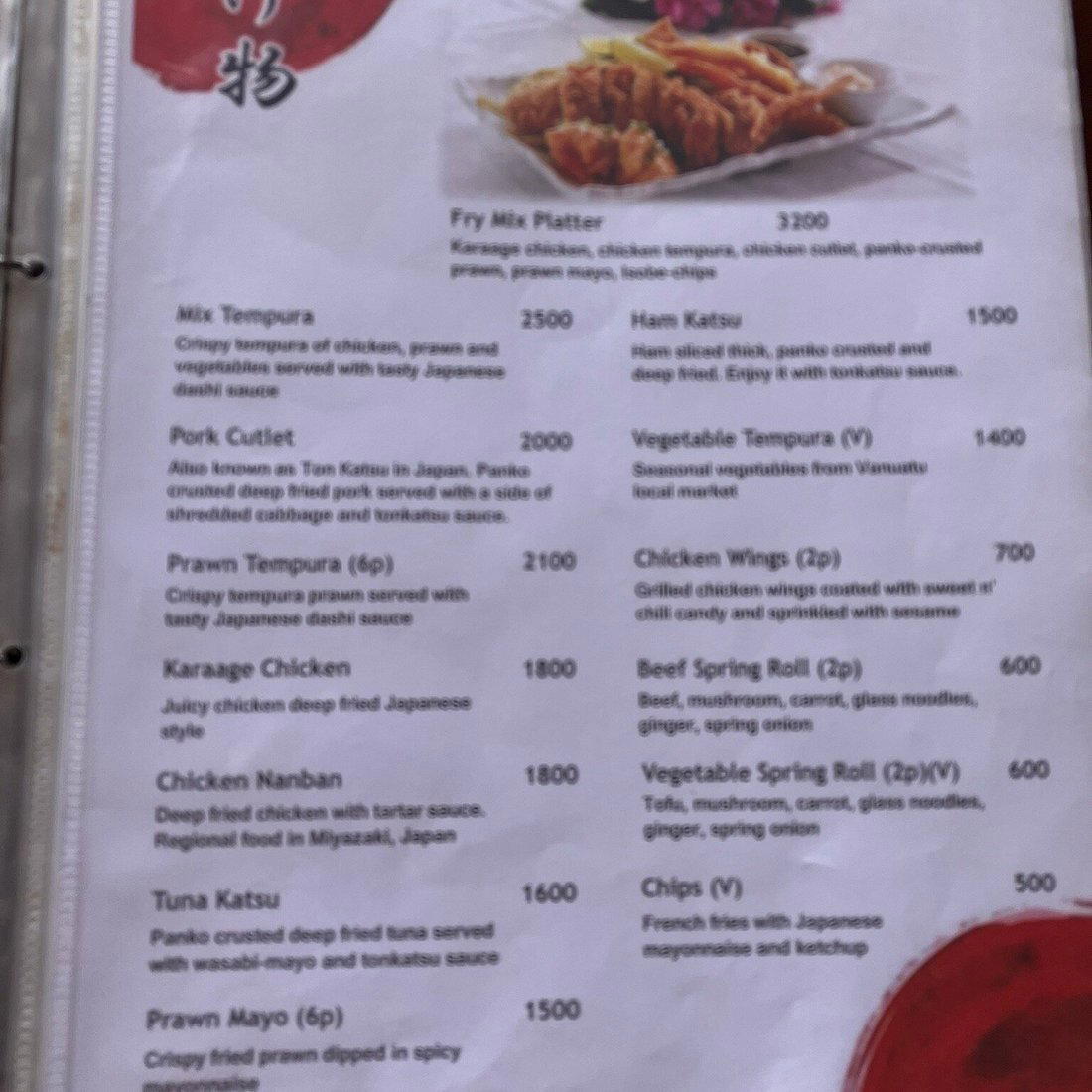
The menu
What to order
- Fresh tuna sushi
- Sashimi
- Ramen
- Ginger pork
Japanese Cooking in the South Pacific: What It Means to Source Well in Port Vila
Port Vila sits at an unusual culinary crossroads. The capital of Vanuatu draws its food culture from French colonial history, Melanesian tradition, and a steady stream of international residents who keep the restaurant scene more diverse than its size might suggest. Within that context, Japanese cuisine occupies a specific position: it is a category where ingredient sourcing determines almost everything, and where the gap between a kitchen that takes procurement seriously and one that does not is immediately apparent on the plate. Van Japanese Restaurant operates in this environment, making sourcing decisions that carry extra weight given Port Vila's geography and supply chain realities.
Getting quality fish, aged proteins, or specialist Japanese pantry items to a Pacific island nation is not a logistical footnote. It is the central editorial fact about any Japanese kitchen operating this far from Osaka or Tokyo. Vanuatu's own waters produce fish, and the question any Japanese restaurant here must answer is how it uses that local marine resource alongside the imported ingredients that define the cuisine's foundational techniques. That balance, between the Pacific larder on the doorstep and the Japanese pantry that must travel a long way to arrive, shapes the kind of cooking that is possible in a place like Port Vila.
The Dining Scene Van Japanese Restaurant Belongs To
Port Vila's restaurant offer is concentrated enough that each serious kitchen occupies a distinct slot. Akiriki Restaurant and Yumi Restaurant represent other points on the city's dining map, each addressing different appetites and price expectations. For a broader picture of how those kitchens fit together, the EP Club Port Vila restaurants guide maps the full scene. Van Japanese Restaurant sits within this competitive set as the city's dedicated Japanese option, which makes it the default reference point for anyone seeking the cuisine in Vanuatu's capital.
Compare that to what a Japanese restaurant contends with elsewhere in the Pacific. Si Chuan Restaurant in Luganville, Vanuatu's second city, represents the kind of specialist Asian kitchen that thrives in island contexts where one or two serious operators fill a gap that larger markets take for granted. The dynamic is similar for Van: in a city without a cluster of Japanese restaurants competing on technical detail, the single serious practitioner carries a different kind of responsibility than it would in Sydney or Auckland.
Ingredient Sourcing as the Central Argument
Japanese cuisine's sourcing logic is unusually public. The origin of fish, the provenance of rice, the grade of soy and miso: these are not background details in serious Japanese kitchens but part of the conversation between the kitchen and the guest. At the three-Michelin-star level, operations like Le Bernardin in New York or Amber in Hong Kong have built sourcing narratives into their identities in ways that affect supplier relationships across their supply chains. That transparency of origin is a benchmark that any serious Japanese kitchen aspires to, regardless of geography.
For a kitchen in Port Vila, the sourcing argument takes a different shape. Vanuatu's Exclusive Economic Zone covers approximately 680,000 square kilometres of ocean, and the domestic fishery produces yellowfin tuna, mahi-mahi, and other pelagic species that are, by any measure, closer to genuinely fresh than most fish served in Japanese restaurants in landlocked cities. The question is whether the kitchen's technique meets the quality of that raw material. At acclaimed addresses like Aponiente in El Puerto de Santa María, the argument for hyper-local marine sourcing has been made at the highest level. The principles are transferable even if the formal recognition is not.
Imported Japanese staples present the other half of the sourcing equation. Proper dashi components, sake for cooking, quality nori, specialist condiments: these travel long supply chains to reach the Pacific, and their freshness and quality on arrival depend on freight logistics that smaller markets handle with less regularity than major hub cities. A kitchen that manages this supply chain carefully produces noticeably different results from one that works with whatever the freight schedule delivers. That difference is legible to anyone who eats Japanese food with any regularity.
Placing Van in a Global Frame
The gap between Van Japanese Restaurant and the genre's formal upper tier is considerable and worth naming plainly. Restaurants like Atomix in New York, 8½ Otto e Mezzo Bombana in Hong Kong, or Arzak in San Sebastián operate inside systems of supplier relationships, technical staffing, and critical infrastructure that take decades to build. Arpège in Paris and Alléno Paris at Pavillon Ledoyen represent what happens when sourcing obsession meets the full resources of a major metropolitan food economy. Van Japanese Restaurant is not competing in that bracket, and the editorial point is not that it should be.
The relevant comparison is within Port Vila's own market and within the category of Japanese kitchens operating in small Pacific island capitals. Lazy Bear in San Francisco and Atelier Crenn have made a virtue of seasonal constraint in their respective American contexts. The constraint that defines cooking in Port Vila is geographic and logistical rather than seasonal, but the discipline it demands from a kitchen is comparable.
Planning a Visit
Visitors planning a meal should confirm current hours and booking arrangements on arrival or through local hotel concierge services, as operational details for restaurants in smaller Pacific markets can shift with the tourist season. The broader Port Vila dining picture, including how Van fits alongside Akiriki and Yumi, is covered in the EP Club city guide. For travellers moving between Vanuatu's islands, Si Chuan in Luganville represents the equivalent specialist Asian kitchen option on Santo.
Among the broader reference points in EP Club's global coverage, operations like Alinea in Chicago, Aqua in Wolfsburg, Alain Ducasse at Louis XV in Monte Carlo, and Emeril's in New Orleans illustrate the range of what serious restaurant practice looks like across different market contexts. Van Japanese Restaurant belongs to a very different tier, but the criteria that matter, sourcing integrity, kitchen consistency, and honest alignment between ambition and execution, are the same ones that apply at every level of the form.
Frequently asked questions
Is Van Japanese Restaurant okay with children?
Port Vila's dining culture is generally relaxed by Pacific standards, and Japanese restaurants in this tier tend to operate without the counter-only formality that makes Tokyo venues less child-friendly. The city's compact dining scene means alternatives are close by if the fit isn't right.
What's the overall feel of Van Japanese Restaurant?
Van Japanese Restaurant occupies a specific slot in Port Vila's concentrated dining scene, where each serious kitchen serves a distinct purpose. The setting is in a city shaped by French colonial history, Melanesian tradition, and a transient expat community, which gives the local restaurant culture an informality that sits beneath even the more focused kitchens. Expect a room that leans toward neighbourhood utility rather than ceremonial dining, though the sourcing discipline Japanese cuisine demands gives the kitchen a more deliberate character than the surroundings might suggest.
How does Van Japanese Restaurant fit into the broader Japanese dining offer across the Pacific Islands?
Formal Japanese restaurants operating outside major Asia-Pacific hubs are rare enough that Port Vila's version occupies a category almost by default. The gap between Van Japanese Restaurant and the genre's upper tier in cities like Sydney or Tokyo is considerable, but that framing misses the point: in Vanuatu, the discipline required to source and prepare Japanese cuisine at any consistent level is a credential in itself. For travellers moving through the South Pacific rather than Japan's main corridors, Van represents one of the few places in the region where Japanese cooking is treated as a serious kitchen proposition rather than a hospitality afterthought.
What should I order at Van Japanese Restaurant?
What is documentable is the broader logic of Japanese cooking in the South Pacific: the kitchen's sourcing decisions, particularly around fish and protein, given Vanuatu's maritime position, are where the most interesting editorial argument lives. Ask staff what is local and what is imported that week, and order accordingly.
| Venue | Cuisine | Price |
|---|---|---|
| Van Japanese RestaurantThis venue (the venue you are viewing) | Authentic Japanese Sushi & Ramen | $20–30 |
| Akiriki Restaurant | Pacific Smoke & Grill Steakhouse | $20–30 |
| Yumi Restaurant | Authentic Korean BBQ | $20–30 |
| Si Chuan Restaurant | Authentic Si Chuan Chinese | $10–20 |
Continue exploring
More in Port Vila
Restaurants in Port Vila
All restaurants in Port Vila →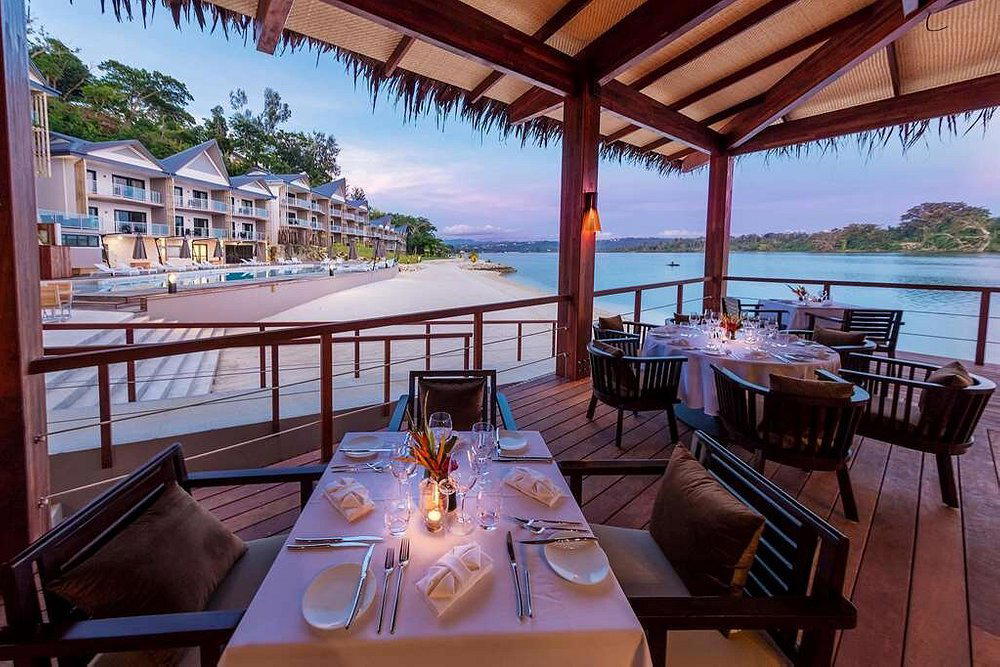
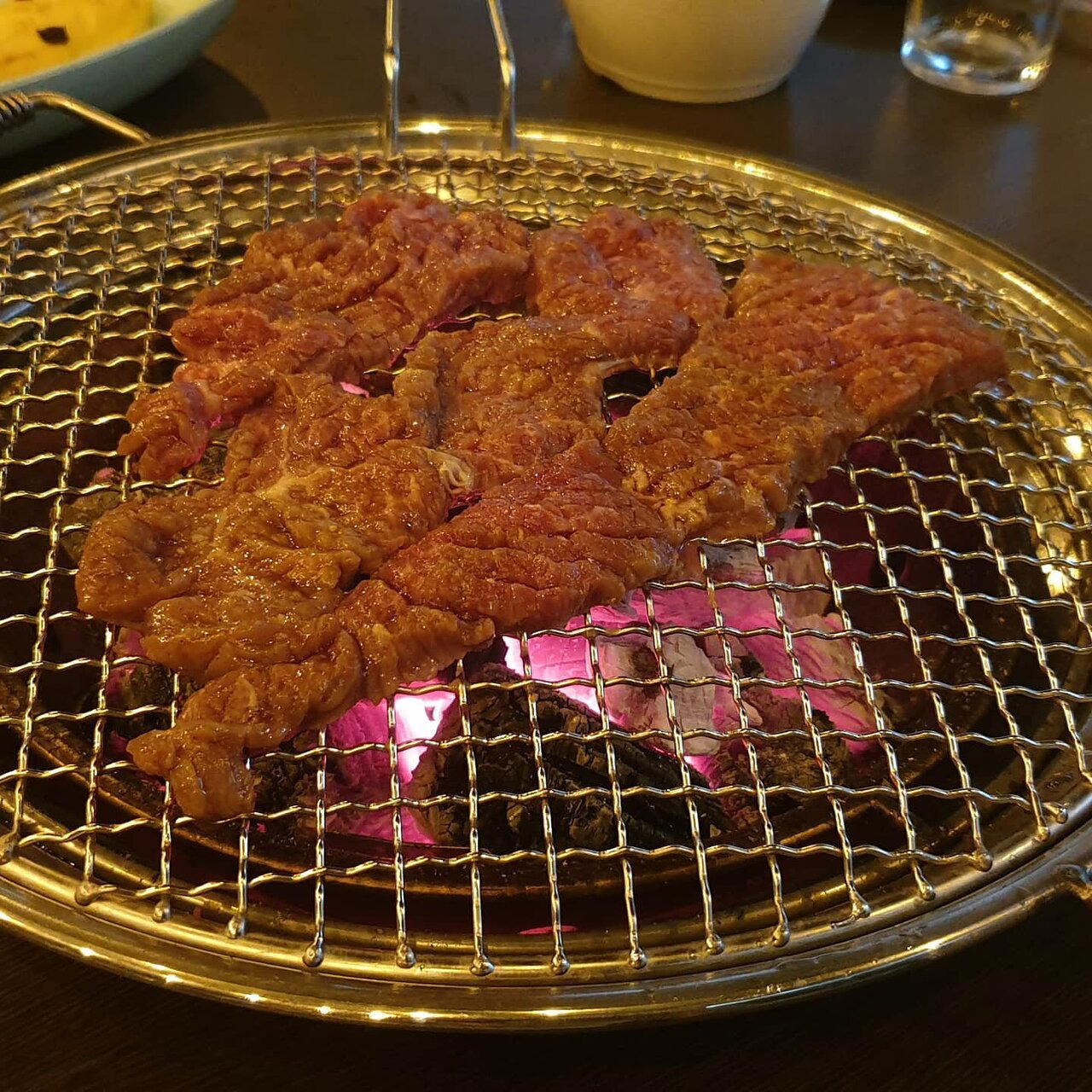
Hotels in Port Vila
Browse all →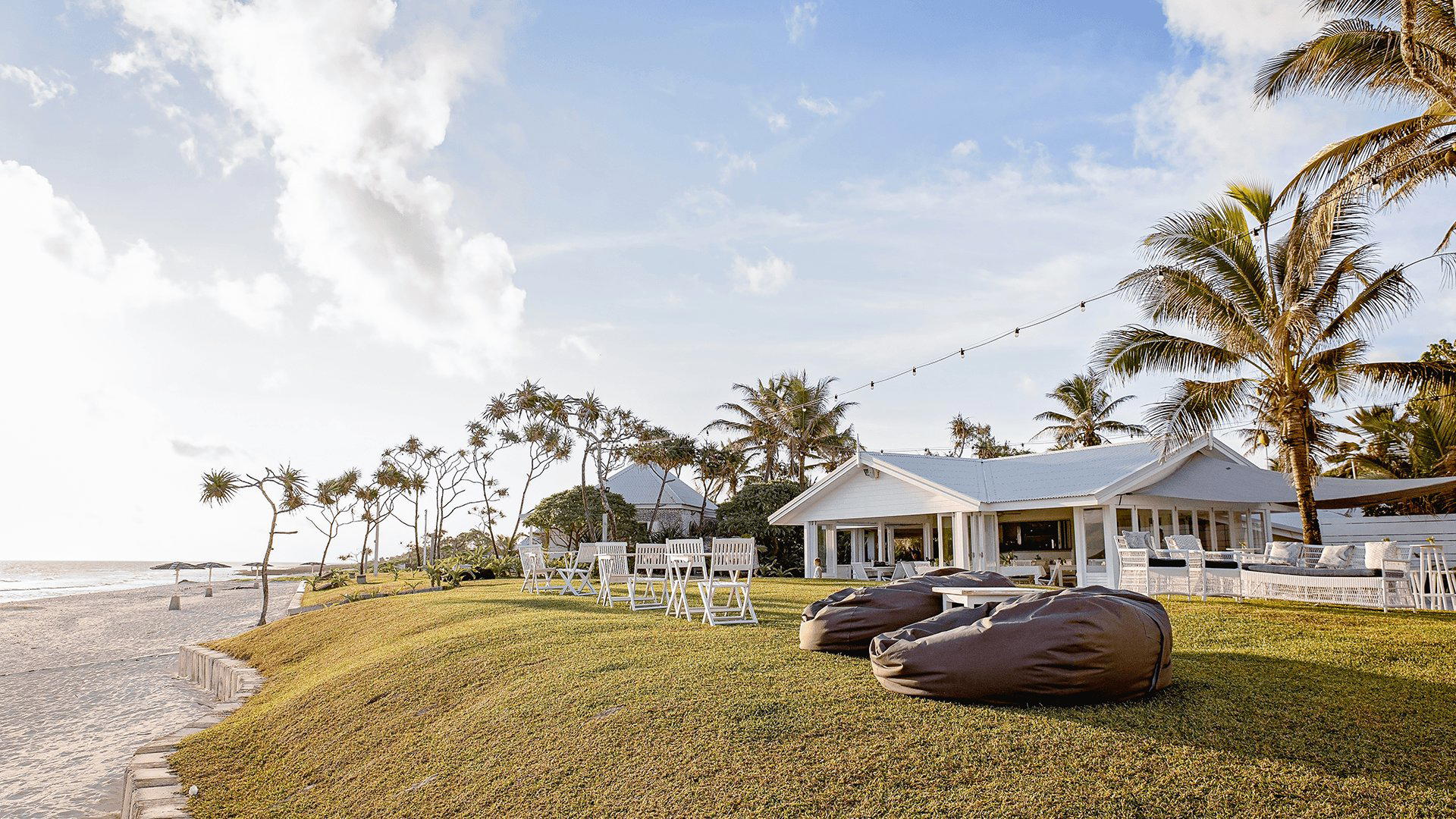
Details
- Cozy
- Modern
- Date Night
- Family
- Casual Hangout
- Waterfront
- Open Kitchen
- Sake Program
- Local Sourcing
- Waterfront
- A La Carte
- Sake Program
- Vegetarian Friendly
- Vegan Options
Warm atmosphere with majestic ocean views of the bay and sunset, open indoor/outdoor seating on a deck under mango trees.