Our verdict
Yumi Restaurant serves Authentic Korean BBQ in Port Vila, with Bulgogi, Bibimbap, Goma Chicken, Raw Fish Salad, and Japjae on the menu.

Pearl is the En Primeur Club membership app, where members save venues, book tables and use the concierge.
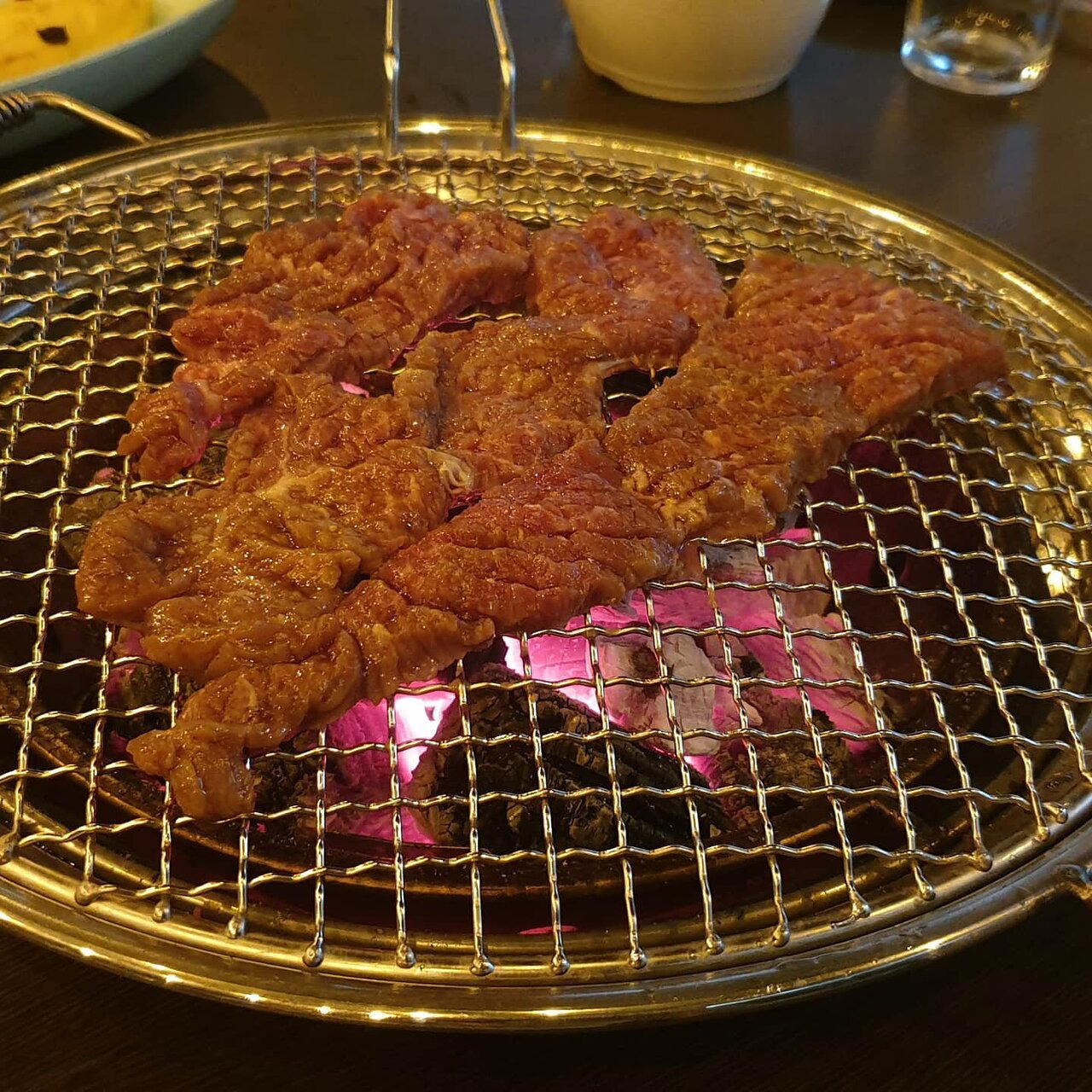
The menu
What to order
- Bulgogi
- Bibimbap
- Goma Chicken
- Raw Fish Salad
- Japjae
Port Vila's Dining Scene and Where Yumi Fits
Port Vila sits at an interesting culinary crossroads. The capital of Vanuatu draws its food culture from Melanesian tradition, French colonial influence, and the steady arrival of Asian cuisines that have taken root across the Pacific. The result is a restaurant scene smaller than its regional neighbours but more layered than most visitors expect. Within that scene, a handful of locally oriented restaurants sit alongside hotel dining rooms and the kind of casual seafood spots that face the harbour. Yumi Restaurant is among the names that come up when residents talk about where to eat with some intention rather than convenience.
The dining options in Port Vila tend to cluster into two broad groups: places built around international visitors staying at resorts, and places that have developed a following among the city's permanent and semi-permanent population. The latter cohort tends to be more grounded in local ingredient traditions and less dependent on the fluctuating tourist cycle. Akiriki Restaurant and Van Japanese Restaurant represent different points on that spectrum in Port Vila, with Van demonstrating how Asian culinary traditions have found sustained audiences in the city. Yumi occupies its own position in this mix, drawing on the cultural specificity that the name itself signals: "yumi" is a Bislama word meaning "us" or "we," a detail that positions the restaurant within a local frame rather than an outward-facing tourism one.
The Cultural Weight of a Name
Naming a restaurant after a collective pronoun in Vanuatu's national creole language is an editorial choice. Bislama functions as the lingua franca across Vanuatu's 80-plus inhabited islands, carrying more than 100 distinct languages into a shared register. When a dining space takes that word as its identity, it signals something about orientation: toward the local, the communal, the internally referenced. Pacific island dining culture has long centred on communal eating, on food as the medium through which belonging is expressed. That tradition runs through Melanesian feasting practice and resurfaces in contemporary Port Vila restaurants that work with local produce rather than importing the frameworks of European fine dining wholesale.
The broader Pacific restaurant scene has seen increasing editorial and critical attention in recent years, as diners and writers look beyond the established circuits of Le Bernardin in New York City, Arpège in Paris, or Amber in Hong Kong toward places where the relationship between ingredient, culture, and table is less mediated by global fine dining conventions. Port Vila is not yet part of that critical conversation in a formal sense, but the conditions that make it interesting are present: geographic specificity, ingredient provenance, and a cultural identity that does not map neatly onto European dining frameworks.
Vanuatu Ingredients and the Question of Local Sourcing
Vanuatu's agricultural richness is not widely documented in international food media, but it is substantial. The archipelago produces kava, coconut, taro, breadfruit, and a range of tropical fruits and root vegetables that form the base of traditional Ni-Vanuatu cooking. The country also has significant fishing grounds, with fresh catches available through local markets that supply restaurants across Port Vila. Island beef, particularly from Vanuatu's relatively low-intervention cattle sector, has attracted some regional attention for its quality. Any restaurant in Port Vila that works with these ingredients seriously is operating with a supply chain that has inherent provenance advantages over kitchens that import primary ingredients from Australia or New Zealand.
For context on how local ingredient sourcing functions in small-island dining economies, the comparison is instructive: operators in geographically isolated markets often face a binary choice between building menus around what is locally available at high quality or absorbing the cost and quality compromise of importing. Restaurants that commit to the former tend to develop a more coherent culinary identity over time. This is the pattern that has defined credible small-market dining from the Caribbean to the Indian Ocean, and it applies to the Pacific equally. Comparable scenes in places like Luganville, Vanuatu's second city, show the same dynamic: Si Chuan Restaurant in Luganville demonstrates how imported culinary traditions adapt to local supply realities in ways that produce something distinct from their source cuisines.
How Yumi Compares Within Port Vila
Port Vila's restaurant count is modest relative to comparable Pacific capitals. The city does not have the volume of dining options found in Suva or Noumea, which means individual restaurants carry more weight within the local ecosystem. Venues that develop consistent quality and a stable local following tend to become reference points for both residents and the returning visitor segment, which in a small destination like Port Vila often drives more of the reliable revenue than first-time tourists.
That absence of formal critical infrastructure cuts both ways. It means no Michelin star or 50 Best listing to anchor a visit decision, but it also means that the restaurants operating in Port Vila are accountable primarily to the people who eat in them regularly. That accountability structure tends to produce different results than the performance dynamic created when restaurants orient toward external critics and guide inspectors.
Planning a Visit
Port Vila is accessible via direct flights from Sydney, Brisbane, Auckland, and Noumea, with Bauerfield International Airport serving as the entry point. The city is compact enough that most restaurants are reachable within a short taxi or van ride from the main hotel areas around the waterfront. Vanuatu operates on local time (UTC+11), and dining hours in Port Vila tend to follow a pattern common to Pacific island capitals, with lunch service typically running midday and dinner from early evening. Given the limited public information currently available about Yumi Restaurant's booking method, hours, and contact details, the practical approach is to ask at your accommodation for current operating status and reservation practice, as local hotel staff maintain up-to-date knowledge of which restaurants are operating and how to reach them. This kind of local referral network functions as the effective booking infrastructure for much of Port Vila's dining scene. For a broader orientation to the city's restaurants before you arrive, our full Port Vila restaurants guide maps the range of options across different neighbourhoods and cuisines.
Frequently asked questions
Is Yumi Restaurant a good option for travellers wanting to eat local ingredients in Port Vila?
Port Vila sits within an archipelago that produces kava, coconut, taro, and fresh seafood, yet Vanuatu's agricultural depth is rarely covered in international food media. Yumi Restaurant, positioned in the Vanuatu capital and named using the Bislama language, represents the kind of venue where engagement with local sourcing is more plausible than at the city's French-colonial-influenced alternatives. Travellers specifically seeking Melanesian produce on the plate will find Port Vila's smaller, locally oriented restaurants the more reliable starting point.
What dish is Yumi Restaurant famous for?
Specific signature dishes have not been publicly documented for Yumi Restaurant. What is consistent with Port Vila's broader dining culture is a reliance on Vanuatu's agricultural output: coconut, taro, fresh reef fish, and produce unique to the archipelago's volcanic soils. Any visit to Yumi should be treated as an opportunity to engage with these ingredients on their own terms.
What's the best way to book Yumi Restaurant?
No phone number, website, or online booking platform is currently listed for Yumi Restaurant in Port Vila. For travellers arriving in Vanuatu, the practical approach is to contact your accommodation in Port Vila ahead of arrival and ask staff to make a direct enquiry, which remains the most reliable method for securing a table at smaller restaurants in the capital.
What has Yumi Restaurant built its reputation on?
Yumi's name is drawn from Bislama, Vanuatu's national creole language, where it functions as a collective first-person pronoun. That choice signals an orientation toward local identity rather than the French colonial dining register that also runs through Port Vila's food scene. In a city with a modest restaurant count relative to Pacific capitals like Suva or Noumea, a venue that anchors itself explicitly in Melanesian culture occupies a distinct position.
A Pricing-First Comparison
Comparable venues nearby, for context on price, style, and recognition.
| Venue | Cuisine | Price | Notes |
|---|---|---|---|
| Yumi RestaurantThis venue (the venue you are viewing) | Authentic Korean BBQ | $20–30 | Not listed |
| Van Japanese Restaurant | Authentic Japanese Sushi & Ramen | $20–30 | Port Vila, Authentic Japanese Sushi & Ramen |
| Akiriki Restaurant | Pacific Smoke & Grill Steakhouse | $20–30 | 1st Lagoon, Paray, Pacific Smoke & Grill Steakhouse |
| Pad Thai Port Vila | Authentic Thai | Not listed | Seafront, Authentic Thai |
| Si Chuan Restaurant | Authentic Si Chuan Chinese | $10–20 | Luganville, Authentic Si Chuan Chinese |
Continue exploring
More in Port Vila
Restaurants in Port Vila
All restaurants in Port Vila →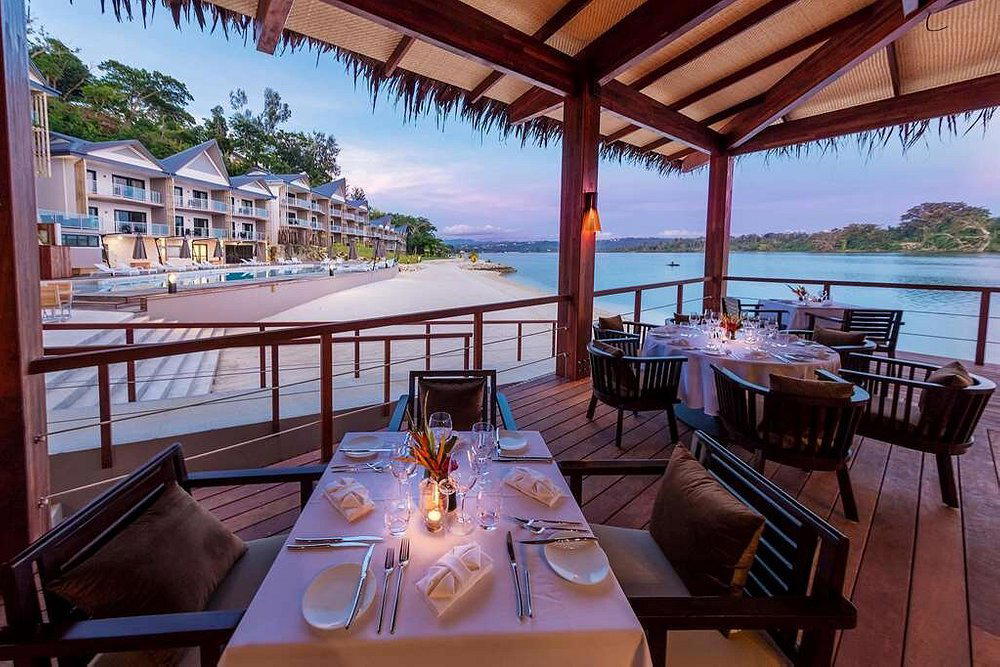
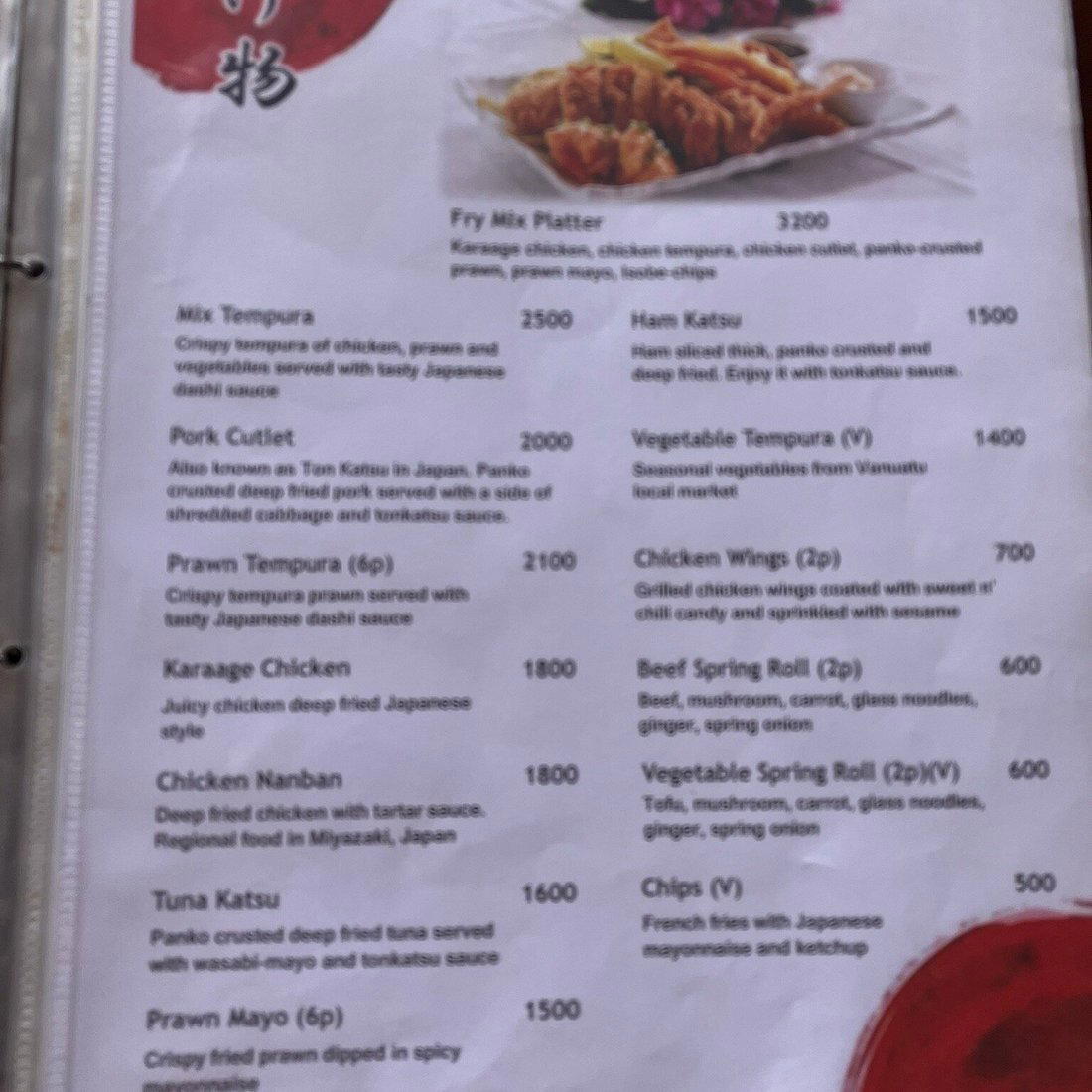
Hotels in Port Vila
Browse all →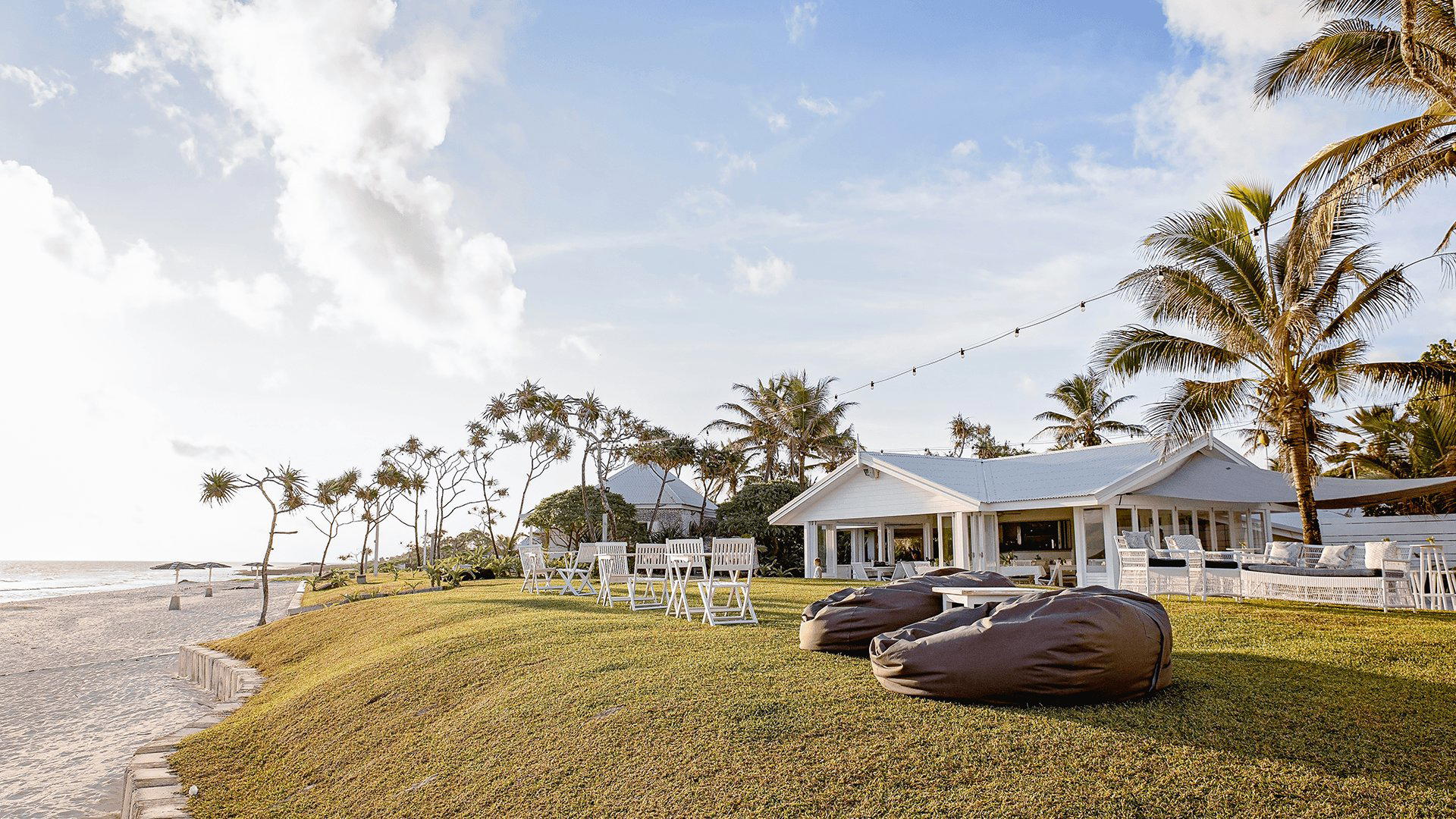
Details
- Cozy
- Group Dining
- Casual Hangout
- Date Night
- Open Kitchen
- Family Style
- A La Carte
- Soju
- Vegetarian Friendly
Clean, well-maintained interior with individual power fans at each table; described as exceptionally clean by guests, creating a comfortable dining environment despite tropical heat.