Utopia Cafe
Our verdict
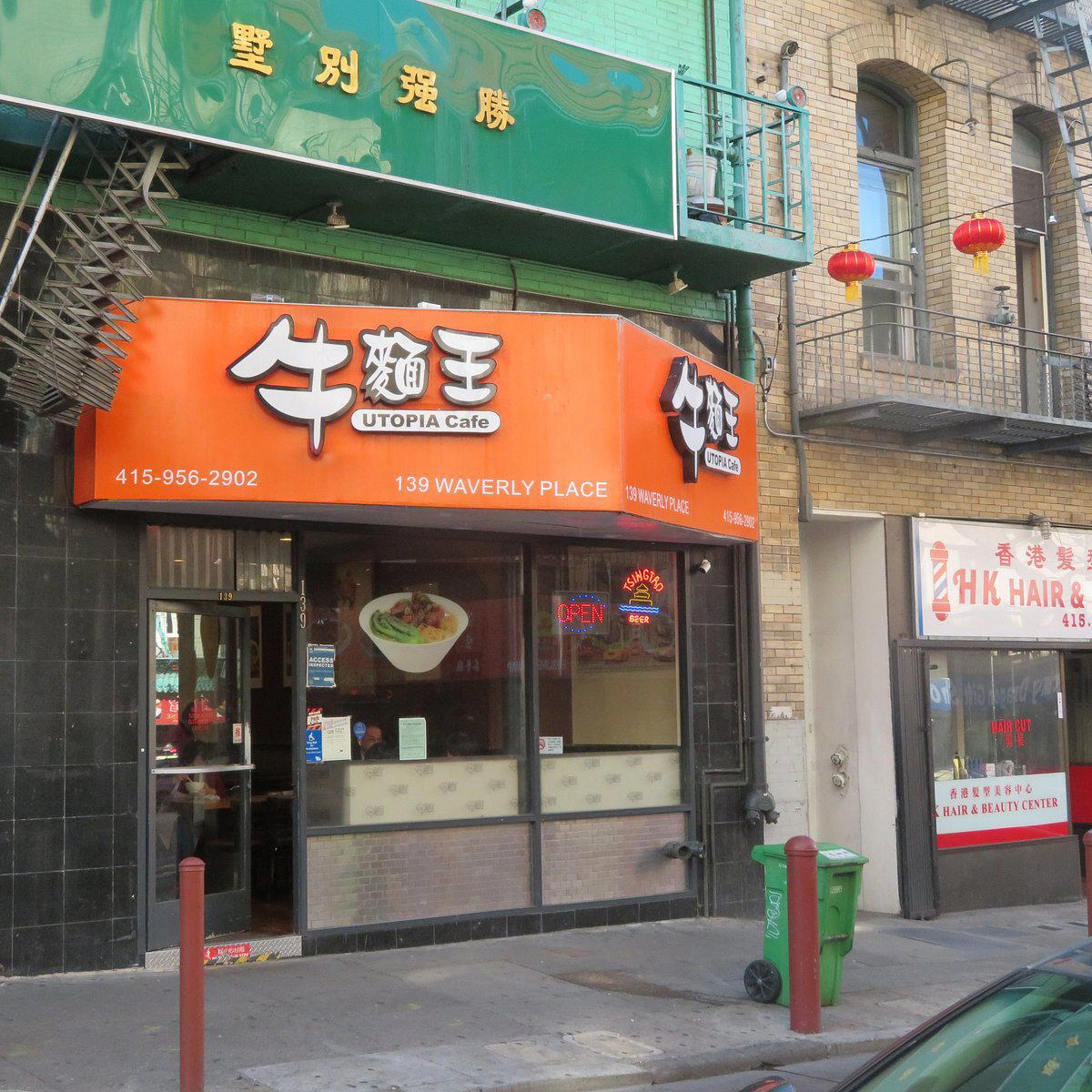
On a narrow lane off Grant Avenue in Chinatown, Utopia Cafe occupies a slice of San Francisco that most visitors pass without noticing. The address, 139 Waverly Place, puts it on one of the city's oldest pedestrian alleys, a corridor that has fed the neighborhood for generations. For context on where it sits within San Francisco's broader dining scene, the EP Club San Francisco guide covers the full range.

Pearl is the En Primeur Club membership app, where members save venues, book tables and use the concierge.
The menu
What to order
- Clay Pot Rice
- Egg Roll
- Wonton Noodles
Waverly Place and the Architecture of Continuity
San Francisco's Chinatown is one of the oldest in North America, and Waverly Place is its most concentrated expression of layered time. The alley runs one block, lined with painted balconies and the faded signage of associations that predate the 1906 earthquake reconstruction. Restaurants here do not announce themselves. They occupy inherited spaces, narrow frontages, low ceilings, rooms that have fed successive generations of the same families, and the physical container shapes what happens inside as much as any menu decision does.
Utopia Cafe at 139 Waverly Pl sits inside this tradition of compressed, functional space. Chinatown's working dining rooms were not designed around atmosphere as a marketing concept; atmosphere arrived incidentally, as a byproduct of density, longevity, and the particular light that falls through alley-facing windows in the afternoon. That context matters more than any individual venue detail when you are deciding whether to seek this address out.
The Physical Logic of the Room
Chinatown's older cafe formats follow a consistent spatial grammar: tables arranged for efficient turnover, walls that carry decades of accumulated decisions about color and signage, and a counter or service station positioned for a kitchen with no room to spare. These are rooms built around feeding people, not around impressing them, and the distinction registers the moment you step inside.
The design angle here is not minimalism or deliberate rusticity, both of which are aesthetic choices made by designers, but rather the absence of design as a project. The space reads as it does because it has been used, continuously, by a neighborhood that treated it as infrastructure rather than destination. That quality is increasingly scarce in San Francisco, where even mid-market dining rooms now arrive with a considered visual identity. Waverly Place's cafes, including this one, represent a counter-current: spaces whose character is the product of time rather than concept.
For travelers calibrated to San Francisco's higher-end contemporary dining, the tasting-menu rooms occupied by Lazy Bear, Atelier Crenn, Benu, Quince, and Saison, all of which price and present at the top of the city's range, Utopia Cafe operates in a register so different that comparison almost misses the point.
Chinatown's Cafe Tradition and Where It Now Sits
San Francisco's Chinatown once supported dozens of dai pai dong-adjacent cafes: casual, fast, built around Cantonese staples adapted for a diaspora community working long hours in a city that was not always hospitable. The category has contracted significantly. Rising rents and generational turnover have closed many of the rooms that defined this format, and what remains carries the weight of that attrition.
The cafes that survive on and around Waverly Place are, in a practical sense, documents of continuity, not as a romantic claim, but as a verifiable fact about what the neighborhood has retained. The broader American dining scene has seen parallel preservation debates play out in other cities: the Cantonese seafood palaces of Los Angeles, the red-sauce Italian rooms of New York, the Creole lunch counters of New Orleans. In each case, the surviving examples carry significance disproportionate to their size or ambition because the category itself is shrinking. Utopia Cafe sits inside that pattern.
For reference on how American dining preservation debates have played out at the premium end, the contrast is legible across the country's most discussed rooms: Le Bernardin in New York City, Emeril's in New Orleans, Alinea in Chicago, Single Thread Farm in Healdsburg, The French Laundry in Napa, Providence in Los Angeles, Blue Hill at Stone Barns in Tarrytown, Addison in San Diego, The Inn at Little Washington, Bacchanalia in Atlanta, Atomix in New York City, and 8 1/2 Otto e Mezzo Bombana in Hong Kong all sit at the formal, investment-heavy end of the preservation conversation. Waverly Place's cafes represent the opposite pole: survival through inertia, community need, and low overhead rather than through critical recognition or premium pricing.
Practical Planning
Frequently asked questions
How far ahead should I plan for Utopia Cafe?
What makes Utopia Cafe's location on Waverly Place significant within San Francisco's Chinatown?
Reputation First
Comparable venues nearby, for context on price, style, and recognition.
| Venue | Cuisine | Price | Awards | Notes |
|---|---|---|---|---|
| Utopia CafeThis venue (the venue you are viewing) | Cantonese Clay Pot | $10–20 | Not listed | Not listed |
| Lucky Creation | Vegetarian Cantonese | $10–20 | Not listed | Chinatown |
| Yuanbao Jiaozi | Handmade Chinese Dumpling House | $10–20 | New York Times Best Restaurants in San Francisco | Outer Sunset |
| Koi Palace Express | Cantonese Dim Sum and Fast Chinese | $10–20 | Not listed | San Bruno |
| Dol Ho | Authentic Cantonese Dim Sum | $10–20 | Not listed | Chinatown |
| Sam Wo Restaurant | Authentic Cantonese | $10–20 | Not listed | Chinatown |
Continue exploring
More in San Francisco
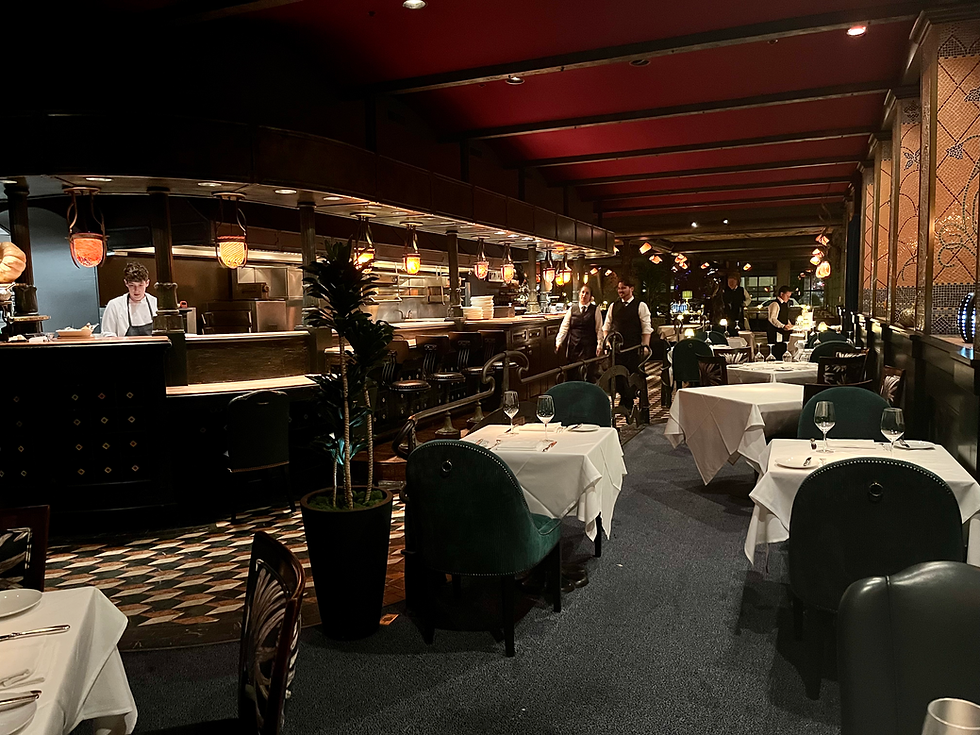
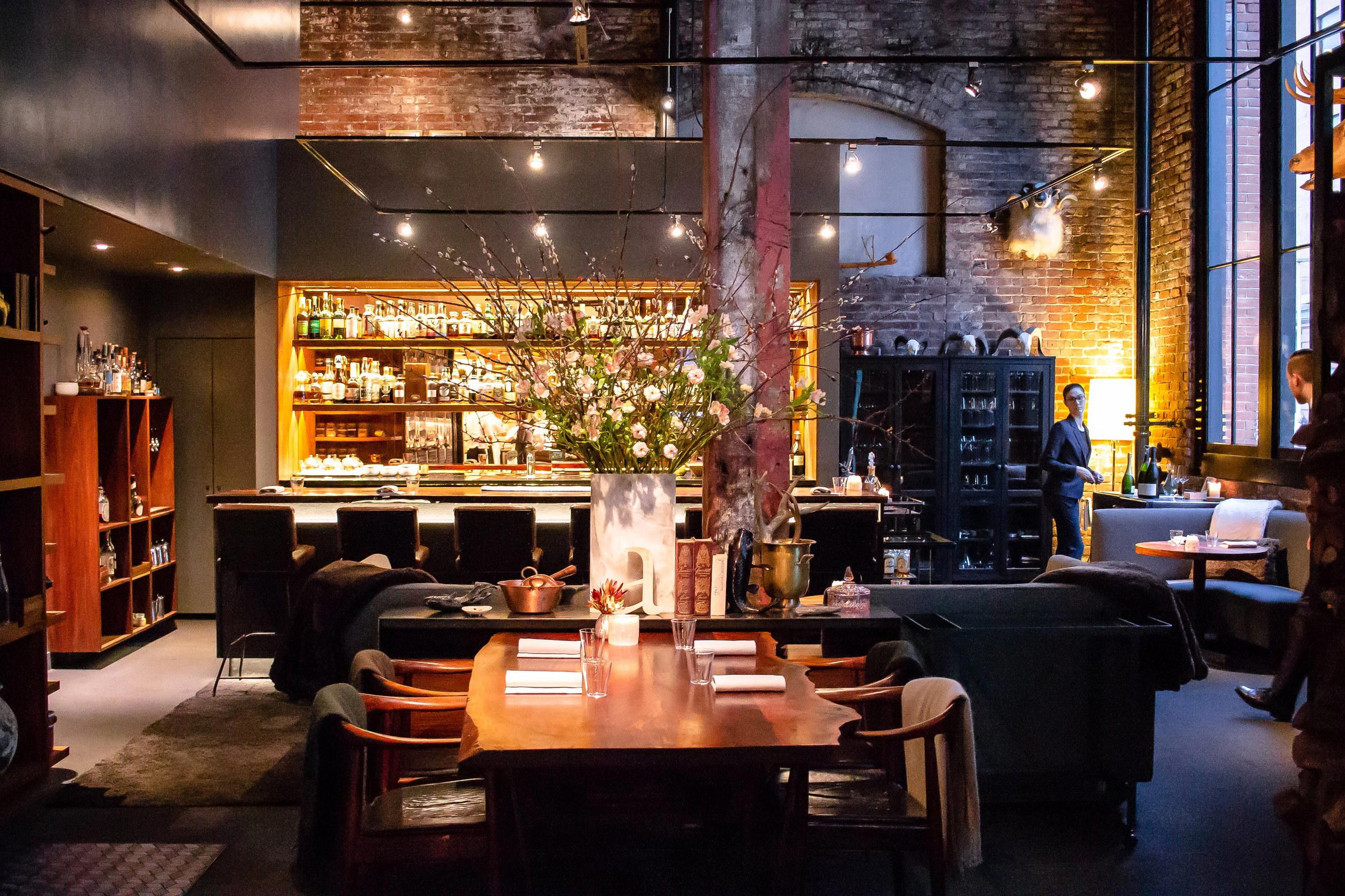
Restaurants in San Francisco
All restaurants in San Francisco →
Bars in San Francisco
All bars in San Francisco →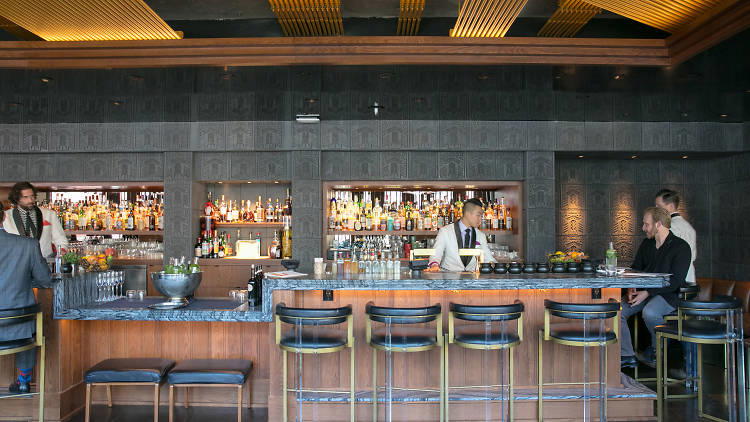
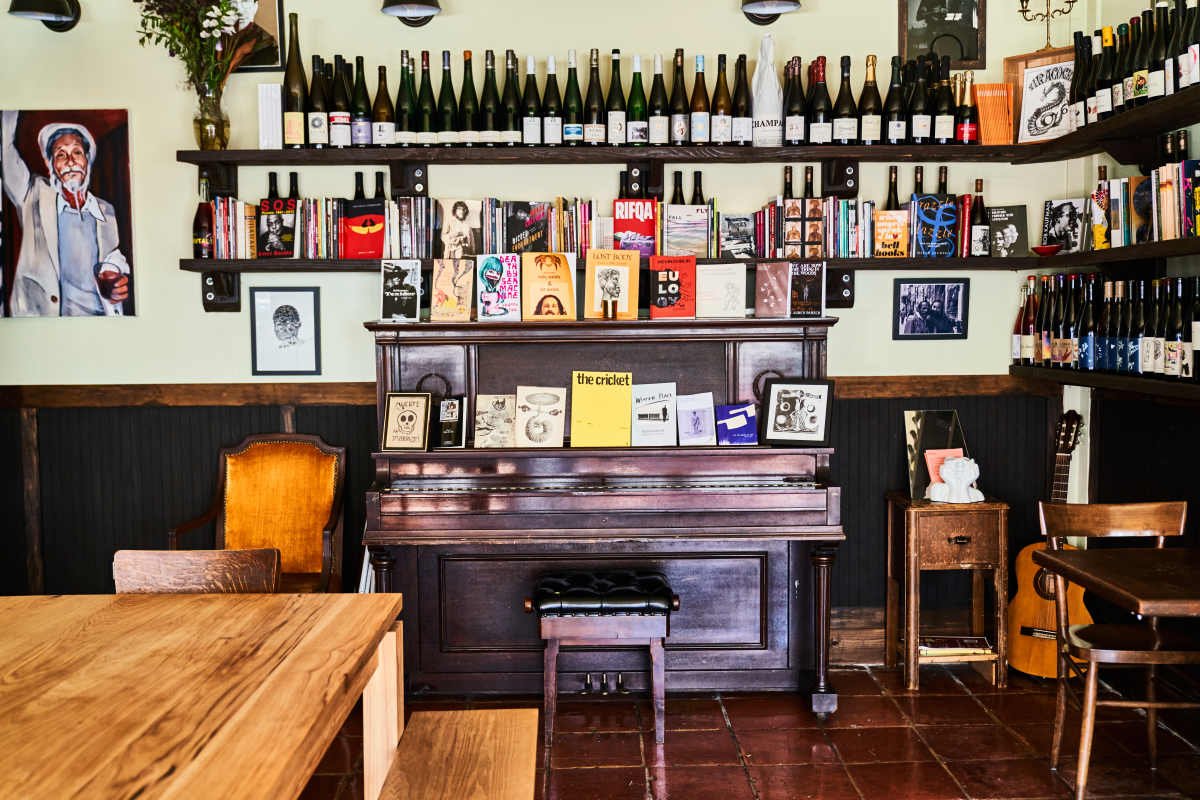
Details
- Casual Hangout
- A La Carte
Current opening hours
- Monday
- 9:30 AM–7 PM
- Tuesday
- Closed
- Wednesday
- 9:30 AM–7 PM
- Thursday
- 9:30 AM–7 PM
- Friday
- 9:30 AM–7 PM
- Saturday
- 9:30 AM–7 PM
- Sunday
- 9:30 AM–7 PM
Hours can change for holidays and private events. Hours as of .
Casual and clean with basic Chinatown cafe atmosphere, focused on food rather than decor.