Sam Wo Restaurant
Sam Wo Restaurant on Clay Street is one of Chinatown San Francisco's most enduring dining addresses, carrying decades of neighbourhood history through a format that resists the trend cycles reshaping the city's broader dining scene. Where San Francisco's upper tier has converged around tasting menus and sourcing narratives, Sam Wo holds a different kind of ground, one defined by consistency, community, and the specific gravity of a place that has outlasted nearly everything around it.
Pearl is the En Primeur Club membership app — saves, bookings, and concierge access live there. Same editors, same standards.
- Address
- 713 Clay St, San Francisco, CA 94108
- Phone
- (415) 989-8898
- Website
- samworestaurant.com
- Directions
- Get directions
 Saves & bookings on Pearl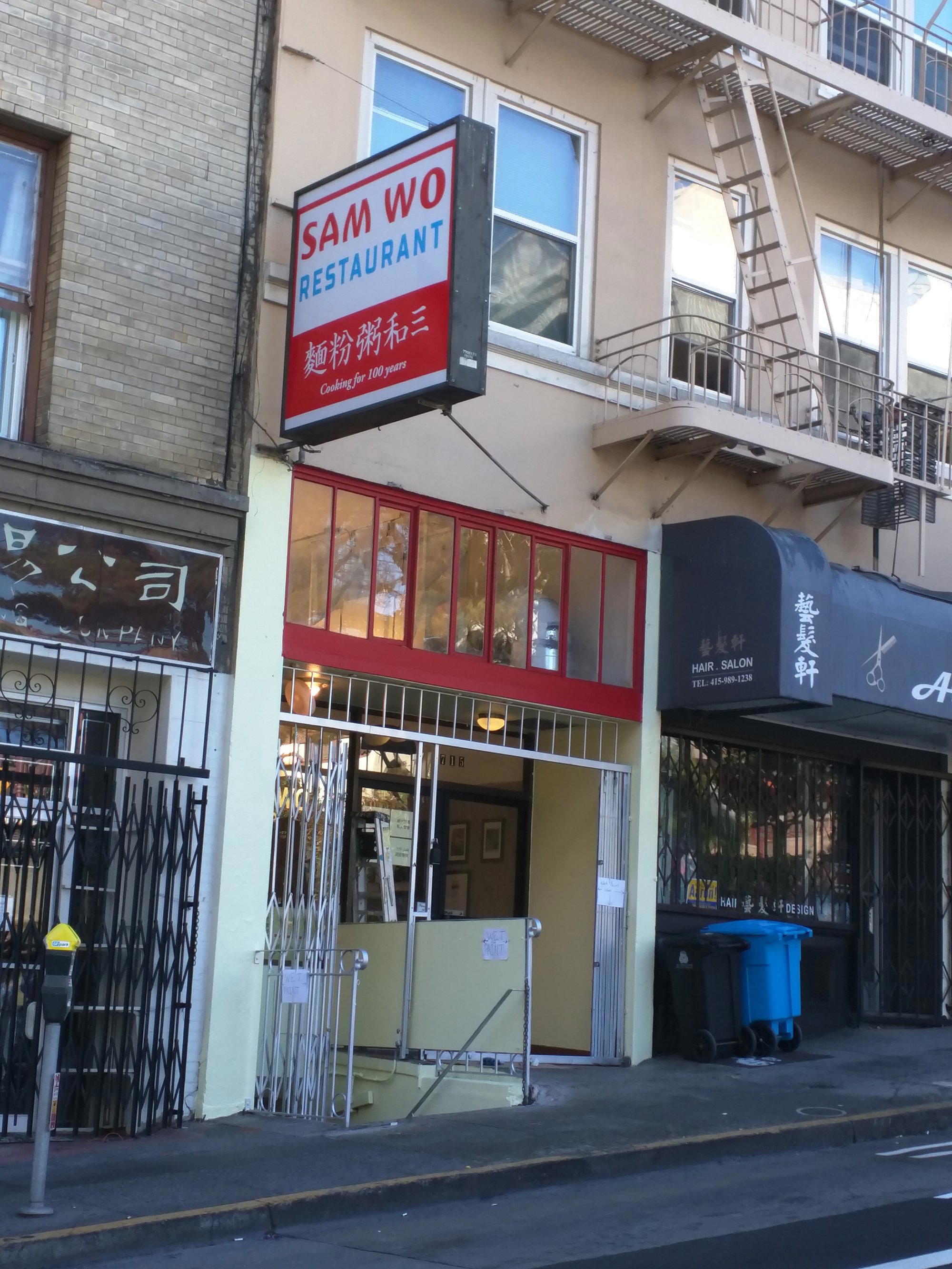
Clay Street and the Weight of Chinatown's Dining History
San Francisco's Chinatown is the oldest in North America, and its restaurant culture reflects that longevity in complicated ways. The neighbourhood has weathered displacement, demographic shifts, and the relentless upward pressure of the city's dining economy, which now places venues like Lazy Bear, Atelier Crenn, and Benu at the summit of a market where tasting menus routinely exceed $300 per person. Sam Wo Restaurant is a casual Cantonese restaurant at 713 Clay Street in San Francisco. It is a Chinatown institution in a literal sense, known for its affordable, walk-in-friendly dining.
Walking toward Clay Street from Grant Avenue, the transition from tourist-facing storefronts to working neighbourhood happens within half a block. The block-level character here is dense and functional rather than curated, and Sam Wo sits within that context without apology. Its presence on the street reads as matter-of-fact, a restaurant that is simply there, as it has been for well over a century, serving the people who live and work nearby.
Where Sam Wo Sits in the San Francisco Dining Spectrum
San Francisco's dining scene has stratified considerably over the past decade. At one end, the city's four-star tier, represented by addresses like Quince and Saison, operates with cellar programs, sommelier teams, and wine lists that run to hundreds of selections. Sam Wo takes a simpler approach, and that is precisely where its editorial interest lies.
The American dining canon has its share of long-standing institutions that resist categorisation by the usual metrics. Le Bernardin in New York City and The French Laundry in Napa hold their authority through awards and critical consensus. Emeril's in New Orleans and Alinea in Chicago built theirs through culinary innovation. Sam Wo's authority is of a different provenance: it is communal rather than critical, built through generations of neighbourhood use rather than any single transformative dining moment. That distinction matters when situating it against the broader national context of places like Blue Hill at Stone Barns in Tarrytown or Bacchanalia in Atlanta, where the institutional weight is still primarily critical.
The Question of Drinks at a Neighbourhood Standard-Bearer
The editorial angle of wine list depth and sommelier curation is, in most discussions of Sam Wo, beside the point, and that itself is a significant editorial statement. The venues where cellar depth defines the experience, places like Providence in Los Angeles, Addison in San Diego, Atomix in New York City, or Single Thread Farm in Healdsburg, are defined by a fundamentally different relationship between the meal and the bottle. At those addresses, the beverage program is a co-author of the experience, with allocated producers, aged vintages, and pairing sequences that require dedicated staff to execute.
At a Chinatown institution like Sam Wo, the drinks proposition has historically tracked a different set of priorities. Traditional Cantonese dining culture, from which most of San Francisco's oldest Chinatown restaurants descend, did not place wine at the centre of the table experience in the same way European fine dining did. Tea service, soup, and the pacing of shared plates across the table have been the structural logic of the meal. This is not an absence of sophistication; it is a different sophistication, one organised around hospitality rhythms that predate the sommelier as a professional category in American restaurants. For readers approaching Sam Wo, the value proposition is understood differently, as a function of food, price, and neighbourhood access.
The broader Chinatown dining scene in San Francisco does occasionally intersect with the city's wine culture, particularly at newer operators and hybrid formats. But particularly traditional addresses on and around Grant Avenue and Clay Street have maintained beverage programs scaled to their clientele and price points, with beer and tea remaining the dominant pairing logic. Sam Wo sits within that tradition. Readers looking for the kind of list depth associated with 8 1/2 Otto e Mezzo Bombana in Hong Kong or The Inn at Little Washington should calibrate expectations accordingly, and find that the trade-off in favour of direct, affordable Cantonese cooking is its own case.
Understanding the Institutional Weight
One of the more instructive exercises in San Francisco dining is to map which restaurants have survived across generational timelines and ask what structural factors explain that survival. The city's earthquake history, its cycles of demographic and economic change, and the specific pressures of Chinatown's land economics have all filtered the neighbourhood's restaurant population in ways that national food media rarely addresses. The venues that remain are not simply the ones that served good food; they are the ones embedded deeply enough in community function that their absence would register as a neighbourhood loss, not merely a business closure.
Sam Wo belongs to that category. Its address at 713 Clay Street is not incidental; it is part of the institution. Chinatown addresses carry accumulated meaning in a way that a restaurant in a newer mixed-use development does not. The building, the block, and the history of who has eaten there across different decades of the city's life give Sam Wo a kind of context that cannot be replicated through critical recognition or awards. For readers planning a visit to San Francisco's dining scene and consulting our full San Francisco restaurants guide, Sam Wo represents a distinct category of destination: not the place you visit for the wine list or the tasting menu, but the place that explains something about how the city actually eats, has eaten, and continues to eat beneath the layer of celebrated fine dining addresses that attract national attention.
Planning Your Visit
Sam Wo Restaurant is located at 713 Clay Street in San Francisco's Chinatown, among the more walkable and transit-accessible neighbourhoods in the city. Chinatown sits between the Financial District and Nob Hill, and the Clay Street address is reachable on foot from both BART and Muni stops. As a neighbourhood institution with a community-focused clientele, timing a visit to avoid the peak lunch and dinner rushes on weekends is sensible practice. The restaurant draws both long-standing regulars and visitors aware of its history, and the balance of those two groups shifts across the week. Current operating hours are Tue-Sun 11 AM-9 PM; Monday is closed.
Quick reference: 713 Clay St, San Francisco, CA 94108. Walk-ins are welcome.
- BBQ Pork Rice Noodle Roll
- Chow Mein
- Kung Pao Chicken
- Wonton Soup
- Duck Fried Rice
- Salt & Pepper Chicken Wings
Comparison Snapshot
Comparable venues nearby, for context on price, style, and recognition.
| Venue | Cuisine | Price | Notes |
|---|---|---|---|
| Sam Wo RestaurantThis venue — the venue you are viewing | Authentic Cantonese | $ | Not listed |
| Koi Palace Express | Cantonese Dim Sum and Fast Chinese | $ | San Bruno |
| Wing Lee Bakery | Cantonese Dim Sum Bakery | $ | Inner Richmond |
| Old Mandarin Islamic Restaurant | Halal Northern Chinese (Uyghur) | $ | Sunset/Parkside |
| Utopia Cafe | Cantonese Clay Pot | $ | Chinatown |
| Hải Ký Mì Gia | Traditional Teochew Noodles | $$ | Tenderloin |
Continue exploring
More in San Francisco
Restaurants in San Francisco
Browse all →
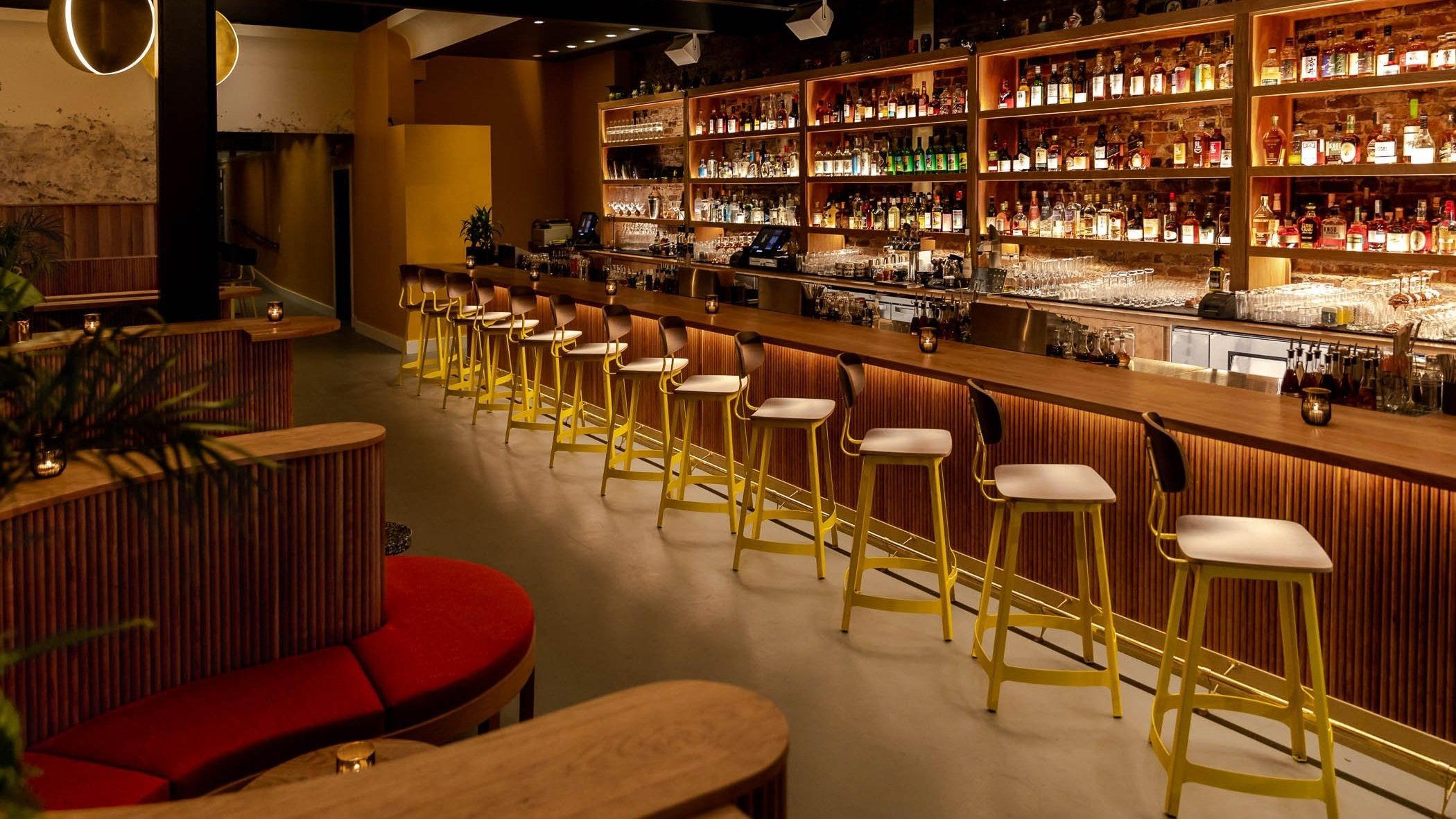
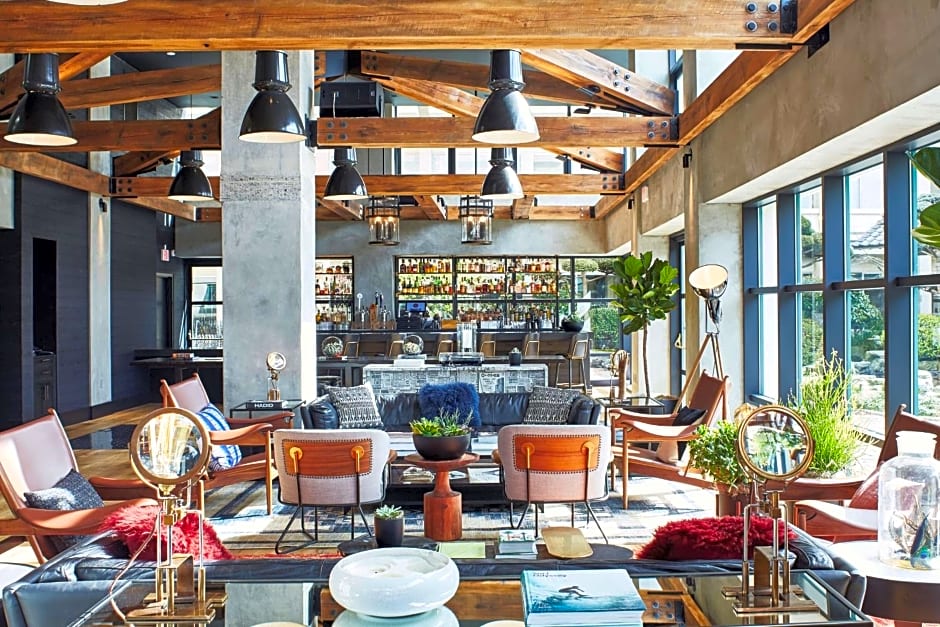
Bars in San Francisco
Browse all →
Hotels in San Francisco
Browse all →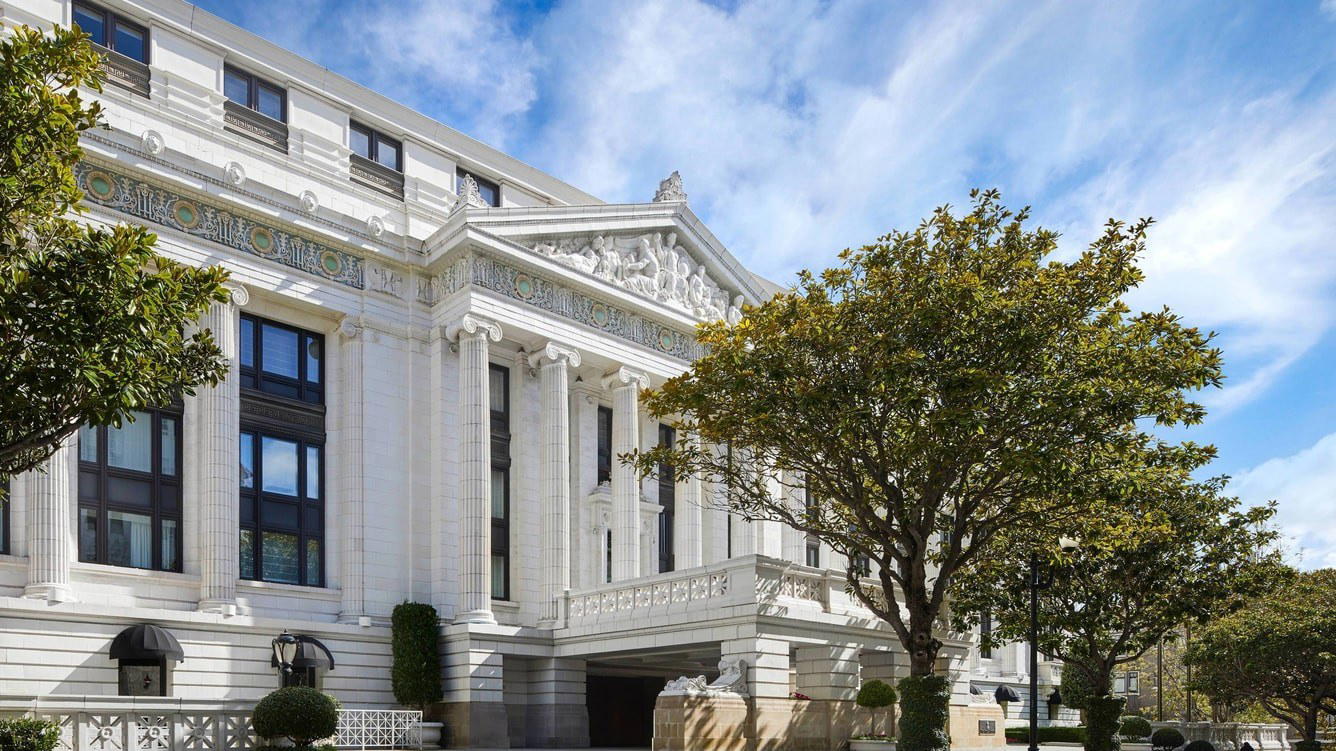
At a Glance
- Well Known
- Classic
- Casual
- Casual Hangout
- Group Dining
- Historic Building
- Standalone
- Beer Program
Current opening hours
- Monday
- Closed
- Tuesday
- 11 AM–9 PM
- Wednesday
- 11 AM–9 PM
- Thursday
- 11 AM–9 PM
- Friday
- 11 AM–9 PM
- Saturday
- 11 AM–9 PM
- Sunday
- 11 AM–9 PM
Hours can change for holidays and private events. Last verified .
Quaint, unassuming interior with historic memorabilia on walls; small tables and benches with limited seating (approximately 20 seats); modest decor that feels authentically nostalgic and casual.