Dol Ho
Dol Ho at 808 Pacific Ave sits at the quieter end of San Francisco's Chinatown dining circuit, where old-school dim sum formats and cash-only counters have survived decades of neighbourhood change. The room is spare, the hours lean toward morning, and the format rewards those who arrive early and know what they are ordering. Context, timing, and street-level awareness matter here more than a reservation.
Pearl is the En Primeur Club membership app — saves, bookings, and concierge access live there. Same editors, same standards.
- Address
- 808 Pacific Ave, San Francisco, CA 94133
- Phone
- +14153922828
- Website
- dolhorestaurant.com
- Directions
- Get directions
 Saves & bookings on Pearl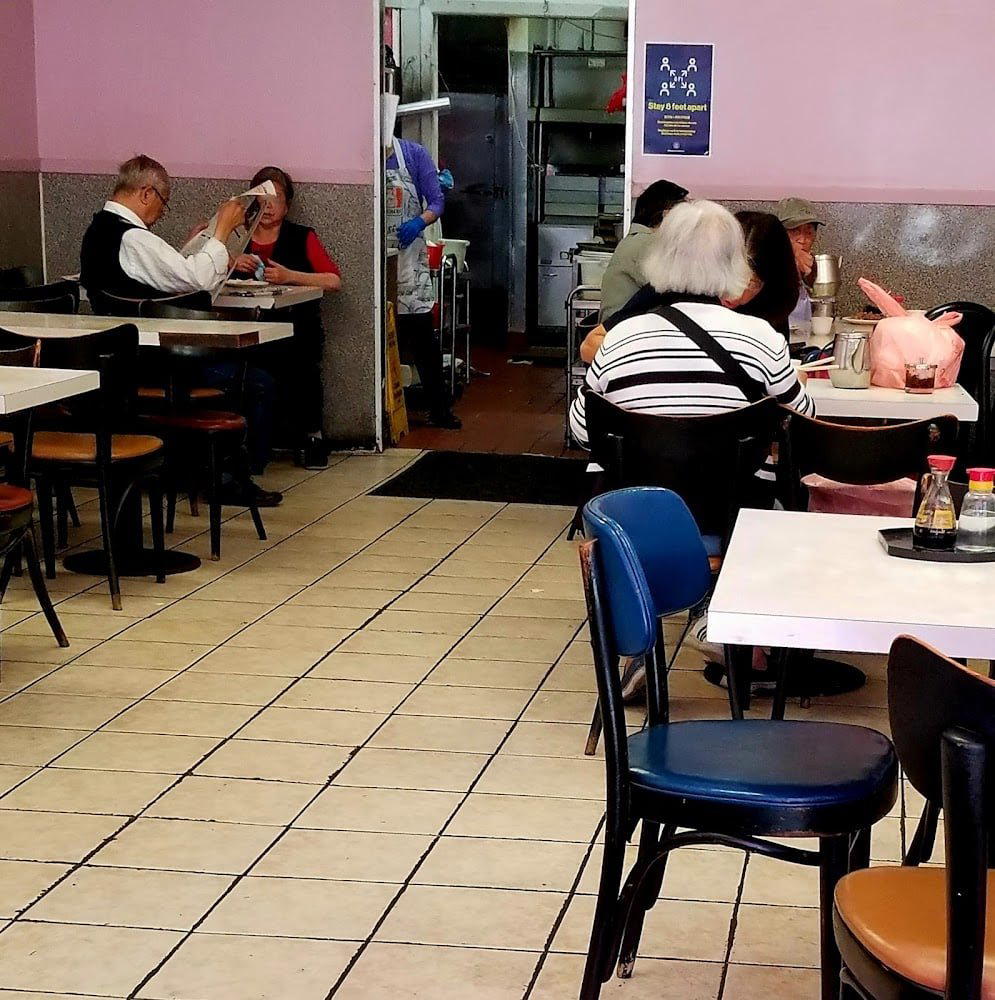
San Francisco's Chinatown Dining Format, and Where Dol Ho Fits
San Francisco's Chinatown is one of the oldest in North America, and its dining culture reflects that layered history in a way that newer arrivals to the city's restaurant scene do not. The neighbourhood has run parallel to the $$$$ tasting-menu tier represented by places like Benu, Atelier Crenn, and Quince for decades, operating on entirely different economic logic: low price points, high turnover, and a format built around the morning hours rather than the dinner service. Dol Ho, at 808 Pacific Ave, is one of the surviving examples of that older Chinatown format, the kind of counter-and-cart dim sum operation that predates the city's current fine-dining reputation by a generation or more.
Understanding why a place like Dol Ho matters requires stepping back from the city's headline dining tier. San Francisco has produced particularly formally ambitious restaurants in the United States, from Lazy Bear to Saison, each operating with multi-week booking windows, tasting menus priced well above $200, and kitchen teams drawing on European classical training. Dol Ho occupies a position at the other structural end of that spectrum, and that contrast is, in itself, informative about how San Francisco's food culture has always contained multitudes.
The Physical Reality of Arriving at 808 Pacific Ave
Pacific Avenue runs along the northern edge of Chinatown, one block above Broadway, and the approach on foot from Columbus Avenue carries you through a stretch of the neighbourhood that sees considerably less tourist foot traffic than Grant Avenue's main corridor. The dining room at Dol Ho is small and functional, with the kind of no-frills setup that characterises this category of establishment across American Chinatowns from San Francisco to New York. There are no design gestures, no ambient lighting choices made with Instagram in mind, no host stand fielding requests for preferred seating. The operation communicates its priorities through the absence of those things.
In cities like New York, a comparable Cantonese dim sum format at the neighbourhood level would be understood in relation to the larger banquet-hall operations in Flushing or Sunset Park. In San Francisco, the reference point is the Richmond District's dim sum row, where larger and more recently renovated venues have taken some of the foot traffic that neighbourhoods like Chinatown once held by default. What remains in Chinatown proper tends to be smaller, older, and less interested in competing on any axis other than the food itself.
The Booking Experience, or Rather the Absence of One
The editorial angle most relevant to a visitor planning around Dol Ho is timing rather than a booking window. This is a walk-in format, and the operative planning variable is timing. The Chinatown dim sum circuit in San Francisco runs heaviest on weekend mornings, and the better-regarded smaller operations in the neighbourhood reach capacity before most visitors have finished breakfast at their hotel. Arriving by 9 a.m. on a Saturday is a reasonable baseline; arriving later and expecting a short wait is optimistic.
This contrasts sharply with the logistical profile of the city's higher-end restaurants. A table at Benu requires planning weeks in advance and navigating an online reservation system at a specific release time. The same general principle applies to comparable operations nationally: The French Laundry in Napa, Le Bernardin in New York City, Smyth in Chicago, and Atomix in New York City all operate with structured advance booking as a core part of the dining experience. Dol Ho's version of the booking experience is simply arriving before the room fills, and that requires a different kind of planning: building the morning around the venue rather than building the venue into an evening itinerary.
Chinatown Dim Sum in Context: What the Format Delivers
Traditional Cantonese dim sum at the neighbourhood scale, the format Dol Ho represents, is among the more studied and documented food traditions in American culinary history. The category spans everything from the large Hong Kong-style banquet halls that dominate suburban Cantonese dining in cities like Los Angeles and Houston to the smaller, older, walk-in operations concentrated in the original urban Chinatowns. San Francisco's Chinatown, established in the 1850s, is one of the oldest and densest of those original formations, and it has retained more of its pre-gentrification dining character than comparable neighbourhoods in most major American cities.
The dim sum served in this format, typically har gow, siu mai, cheung fun, and turnip cake among the staples, represents a canon that has been refined over more than a century of Cantonese cooking in the United States. The quality ceiling in this category is set by technique, ingredient sourcing, and volume management rather than by elaboration or tasting-menu architecture. Internationally, the reference standard for this format sits in Hong Kong's older teahouse culture, where dim sum has been served at street level for well over a century. In European terms, a comparison would be the relationship between a neighbourhood bistro in Lyon and the formal restaurant tier represented by places like Atelier Moessmer Norbert Niederkofler in Brunico: different tiers, different ambitions, the same city-level importance.
For visitors building a wider picture of American regional dining, the format at places like Dol Ho is as relevant to understanding San Francisco's food culture as the tasting-menu tier.
Planning Your Visit
Dol Ho is a walk-in operation at 808 Pacific Ave in San Francisco's Chinatown. Weekend mornings before 9 a.m. are strongly advisable; the room moves quickly and waits on busy mornings can be long.
A Pricing-First Comparison
Comparable venues nearby, for context on price, style, and recognition.
| Venue | Cuisine | Price | Notes |
|---|---|---|---|
| Dol HoThis venue — the venue you are viewing | Chinatown, Authentic Cantonese Dim Sum | $ | Not listed |
| Yuanbao Jiaozi | Not listed | $ | Outer Sunset, Handmade Chinese Dumpling House |
| Ton Kiang | Richmond, Hakka Dim Sum | $$ | Not listed |
| Hot Pot Garden | Richmond, Chinese Hot Pot | $$ | Not listed |
| Fang | Not listed | $$ | Financial District/South Beach, Modern Chinese |
| Dragon Well | Marina, Authentic Chinese | $$ | Not listed |
Continue exploring
More in San Francisco
Restaurants in San Francisco
Browse all →
Bars in San Francisco
Browse all →
Hotels in San Francisco
Browse all →
At a Glance
- Lively
- Classic
- Casual Hangout
- Family
- Open Kitchen
Current opening hours
- Monday
- 9:30 AM–3:30 PM
- Tuesday
- 9:30 AM–3:30 PM
- Wednesday
- Closed
- Thursday
- 9:30 AM–3:30 PM
- Friday
- 9:30 AM–3:30 PM
- Saturday
- 9:30 AM–3:30 PM
- Sunday
- 9:30 AM–3:30 PM
Hours can change for holidays and private events. Last verified .