Ursula Brooklyn
On Nostrand Avenue in Crown Heights, Ursula Brooklyn operates within a Brooklyn dining tradition that prizes direct sourcing and seasonal discipline over spectacle. The room is low-key; the kitchen's relationship with its ingredient supply chain is not. For New York diners who track where their food comes from as closely as how it's cooked, this address belongs on the shortlist.
Pearl is the En Primeur Club membership app — saves, bookings, and concierge access live there. Same editors, same standards.
- Address
- 387A Nostrand Ave, Brooklyn, NY 11216
- Phone
- +1 347 365 4905
- Website
- ursulabk.com
- Directions
- Get directions
 Saves & bookings on Pearl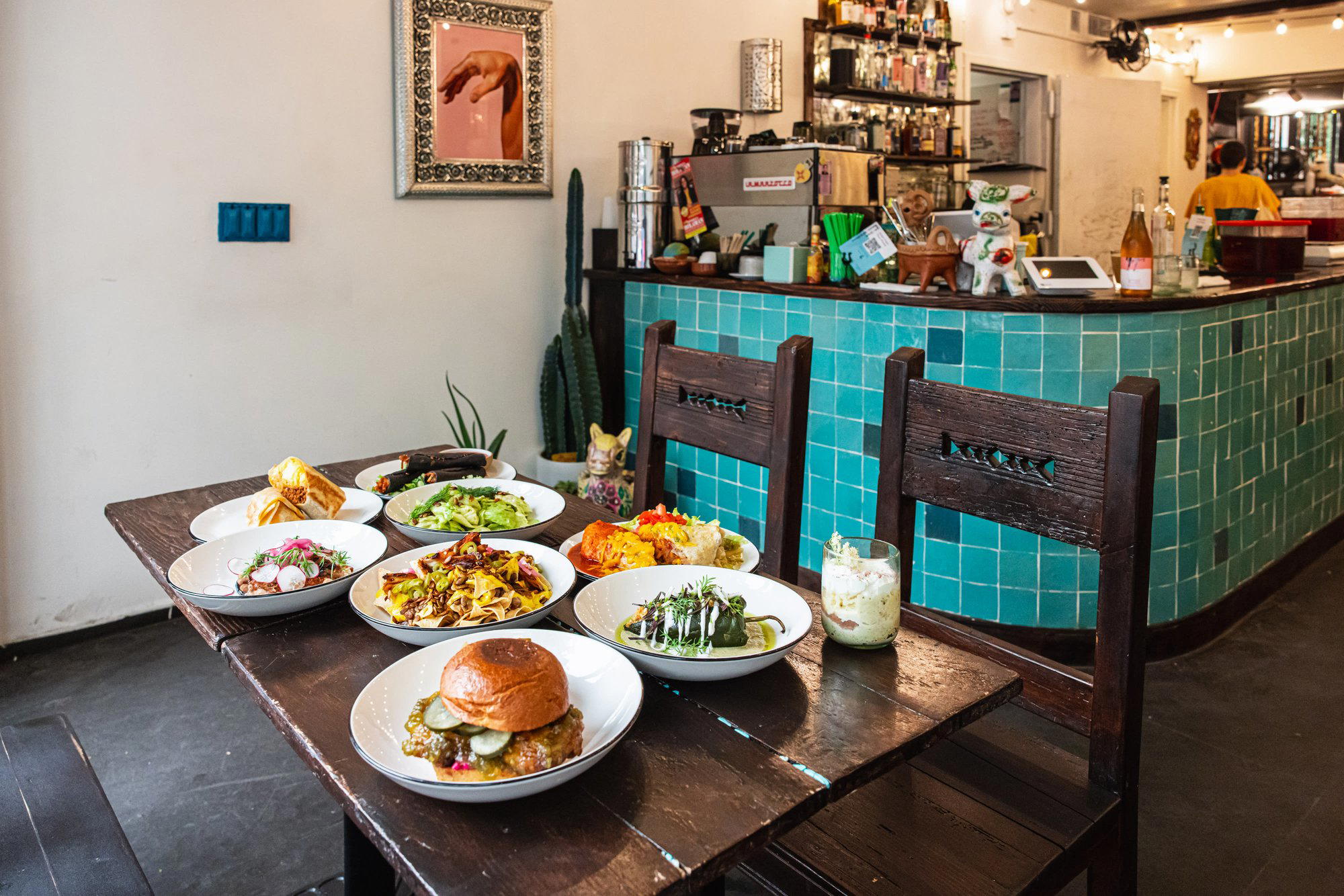
Crown Heights and the Sourcing-First Kitchen
Ursula Brooklyn is a New Mexican restaurant in Crown Heights, Brooklyn, at 387A Nostrand Ave. A cluster of kitchens across Crown Heights, Bed-Stuy, and Prospect Heights has quietly reoriented around the question of supply: who grew it, where, under what conditions, and how that shapes what ends up on the plate. Ursula Brooklyn, at 387A Nostrand Avenue, sits inside that shift. The address is Crown Heights, a neighbourhood whose food culture has moved well past the novelty phase and into something closer to a durable culinary identity, one defined less by any single chef and more by a collective preference for sourced specificity over imported prestige.
This matters because ingredient-led cooking is easy to claim and hard to execute. The difference between a kitchen that lists farm names on a menu and one that actually builds its cooking around the rhythms of local growing seasons is legible on the plate. Brooklyn's most credible sourcing-first kitchens tend to show it through restraint: shorter menus, more vegetable weight, proteins that rotate with availability rather than anchor a permanent section. That discipline, when it holds, produces cooking that reads as honest rather than performed.
What the Address Tells You About the Food
Nostrand Avenue between Atlantic and Eastern Parkway has become one of the more instructive stretches in Brooklyn for tracking how neighbourhood dining evolves. The corridor carries both long-established Caribbean and West African food culture and a newer layer of destination restaurants drawing from further afield. Ursula Brooklyn operates in that layered context, which means its sourcing decisions carry local weight, this isn't a kitchen importing a farm-to-table framework from another city's dining culture. It's working within a neighbourhood that already has strong opinions about where food comes from and what it should taste like.
For diners coming from Manhattan, the comparison set shifts considerably once you cross into Brooklyn. The $$$$ tier in New York, places like Le Bernardin, Atomix, Eleven Madison Park, Masa, and Per Se, anchors itself around formal service architecture and extensive wine programs. Brooklyn's sourcing-forward kitchens generally operate in a different register: the investment is in the ingredient supply chain rather than the front-of-house ceremony. That's a different value proposition, and for a certain kind of diner, it's the more compelling one.
The Broader Context: Farm Proximity and Urban Kitchens
New York sits within striking distance of some of the Northeast's most productive farming regions: the Hudson Valley, Long Island's North Fork, and the New Jersey highlands all supply serious product to the city's kitchens. The question isn't availability, it's commitment. Kitchens that genuinely orient around seasonal sourcing build supplier relationships that constrain the menu by design. A kitchen that sources dry-farmed tomatoes from a single Hudson Valley grower in August can't offer that dish in March, and shouldn't try.
This is the framework that connects the restaurant to a wider national conversation about what sourcing-first cooking actually means. Blue Hill at Stone Barns in Tarrytown made the argument at the fine-dining register. Single Thread Farm in Healdsburg extended it across hospitality. Smyth in Chicago applies it to a tasting menu format. At the neighbourhood level, the same logic plays out with less ceremony and more direct impact on daily eating. Brooklyn's sourcing-forward kitchens, Ursula among them, are running that experiment in real time, in rooms without white tablecloths, for a clientele that reads menus carefully.
Across the country, restaurants that have built durable reputations around ingredient provenance share a common structure: direct producer relationships, menus that signal seasonal change rather than resist it, and cooking that treats the raw material as the story rather than the technique. Lazy Bear in San Francisco, Providence in Los Angeles, and Addison in San Diego each approach this from different category positions. What they share is legibility: a diner can understand, from the menu alone, what the kitchen values and why.
Seasonal Timing and When to Visit
For ingredient-led kitchens in the Northeast, the cooking calendar runs in two dominant phases. Late spring through early autumn brings the fullest range of local product, stone fruit, corn, tomatoes, summer squash, fresh herbs, and is typically when sourcing-forward menus are at their most expressive. The winter months test a kitchen's commitment: do they pivot to root vegetables, preserved and fermented product, and cold-weather proteins, or do they quietly import ingredients that undermine the sourcing premise? The kitchens worth tracking are those that treat the colder months as a design problem rather than a liability.
Crown Heights dining generally picks up in the warmer months as outdoor seating extends the capacity of smaller rooms, but the neighbourhood's restaurant culture runs year-round. Booking a meal at Ursula in October or November, as the autumn harvest peaks and before the menu contracts for winter, tends to catch sourcing-forward kitchens at a particularly considered moment.
Internationally, the sourcing-first argument finds its clearest expression at places like Atelier Moessmer Norbert Niederkofler in Brunico and Dal Pescatore in Runate, where ingredient geography shapes every element of the menu. Domestically, The French Laundry in Napa, Emeril's in New Orleans, Frasca Food & Wine in Boulder, and The Inn at Little Washington in Washington each demonstrate how ingredient commitment at different price tiers shapes what a restaurant can claim about itself.
Know Before You Go
Address: 387A Nostrand Ave, Brooklyn, NY 11216
Neighbourhood: Crown Heights, Brooklyn
Getting There: The A/C trains stop at Franklin Ave; the 3/4 trains stop at Kingston Ave. Both are within walking distance of Nostrand Ave.
Hours: Hours: Wed 8 AM-2 PM; Thu 8 AM-2 PM; Fri 8 AM-2 PM, 5-10 PM; Sat 9 AM-2 PM, 5-10 PM; Sun 9 AM-2 PM.
Price Range: About $20 per person.
Peers in This Market
Comparable venues nearby, for context on price, style, and recognition.
| Venue | Cuisine | Price | Notes |
|---|---|---|---|
| Ursula BrooklynThis venue — the venue you are viewing | New Mexican | $$ | Not listed |
| Border Town | Sonoran Flour Tortilla Tacos | $$ | Greenpoint |
| Beto's Carnitas & Guisados | Mexico City-Style Carnitas & Guisados | $$ | Lower East Side |
| La Esquina | Modern Mexican Brasserie | $$ | Midtown-Times Square |
| Ojalá -Authentic Mexican | Authentic Mexican | $$ | Clinton Hill |
| La Palapa | Authentic Mexico City Mexican | $$ | East Village |
Continue exploring
More in New York City
Restaurants in New York City
Browse all →
Bars in New York City
Browse all →
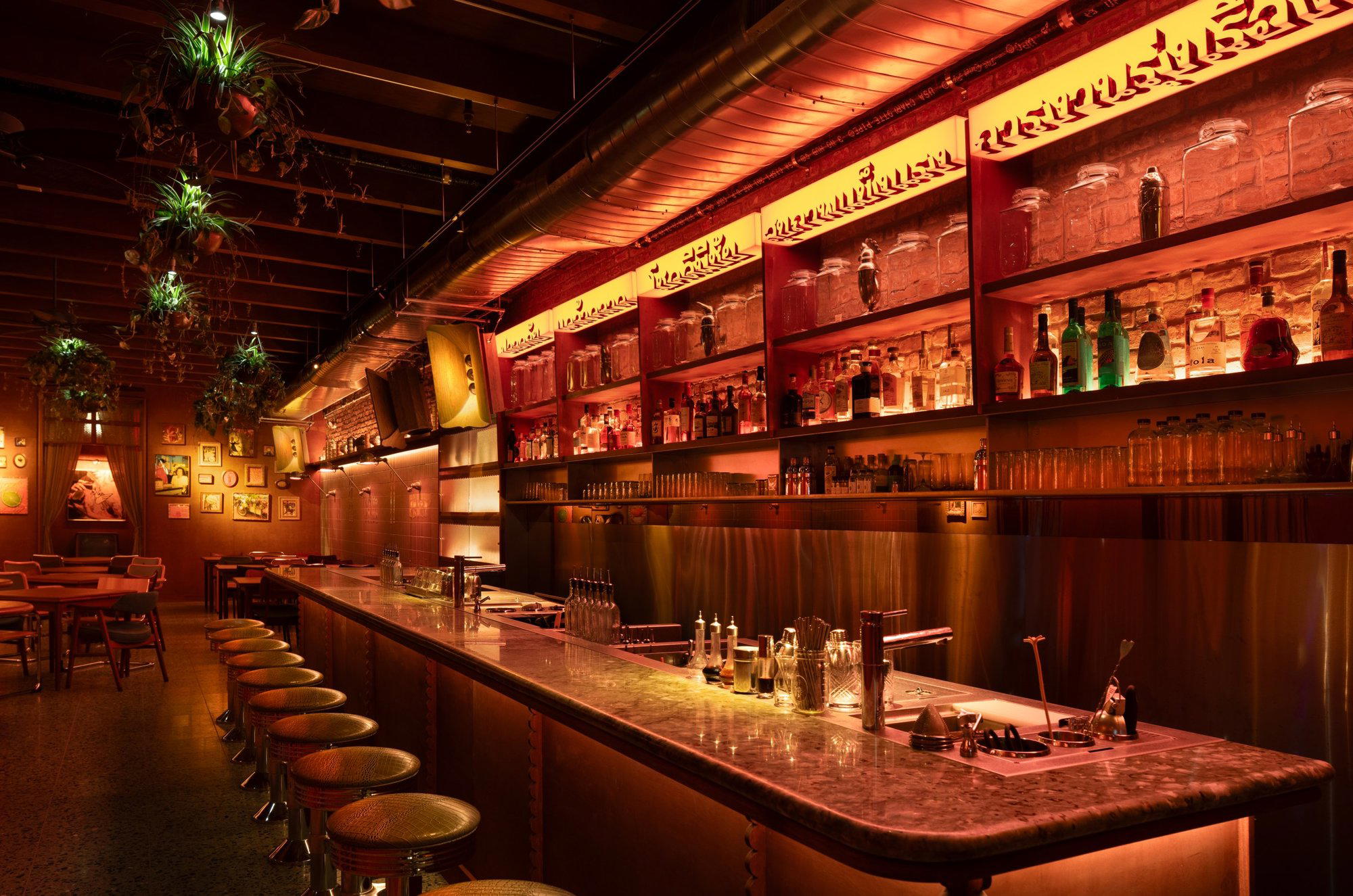
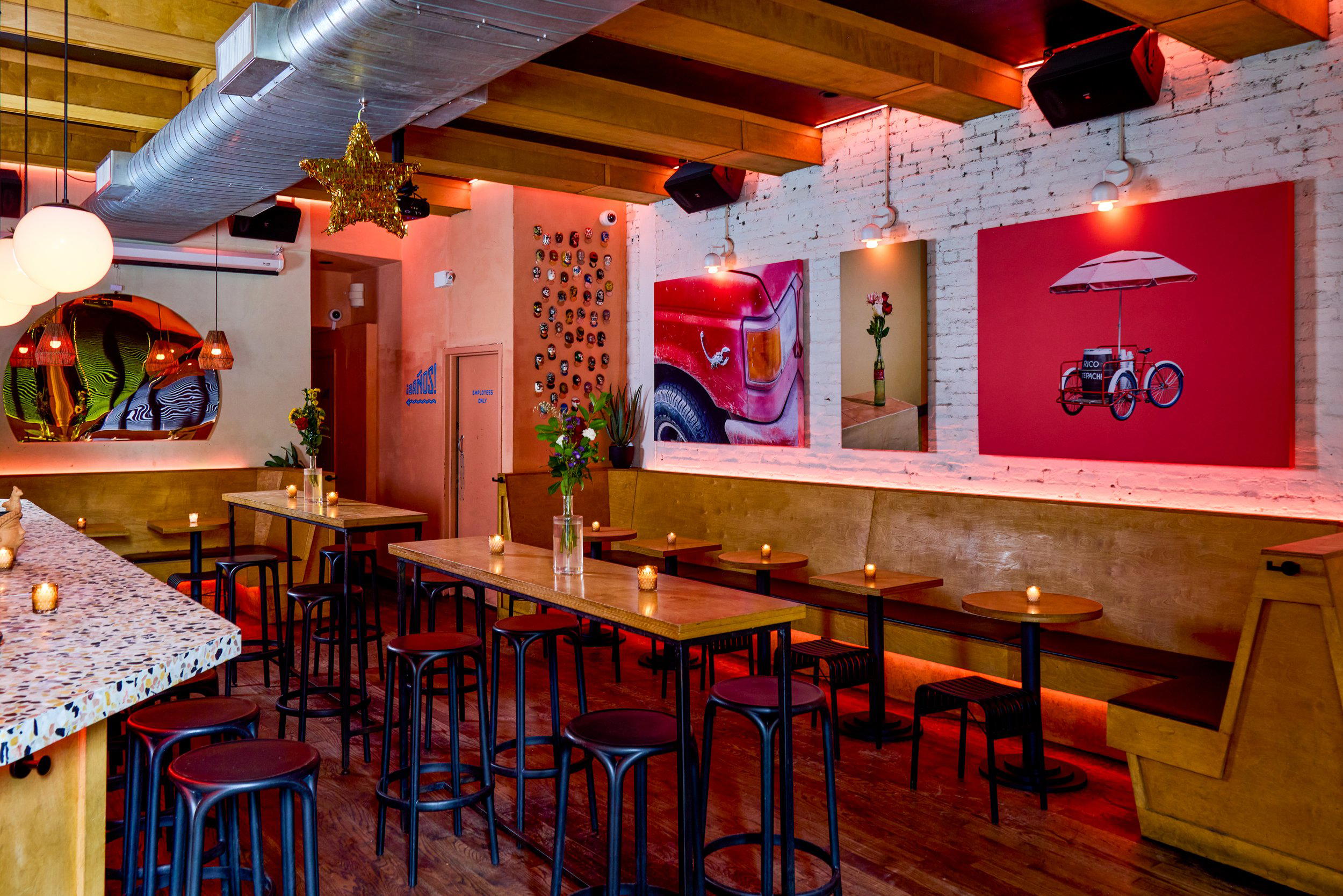
Hotels in New York City
Browse all →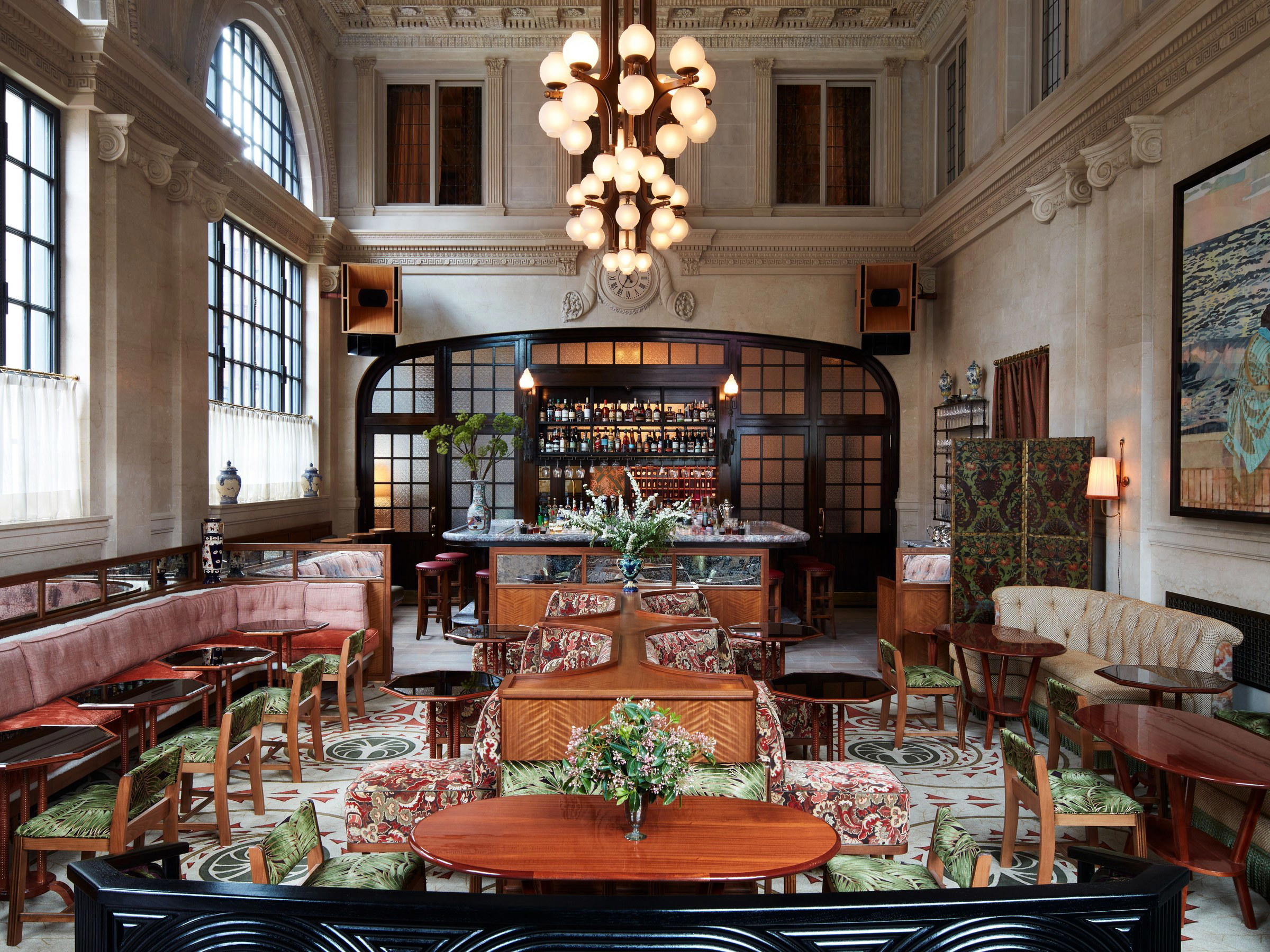
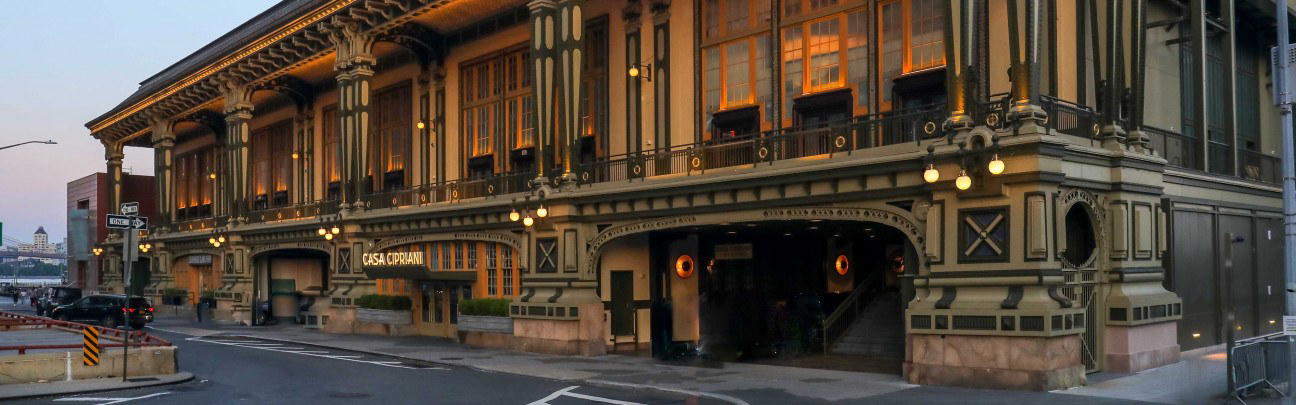






At a Glance
- Cozy
- Trendy
- Modern
- Brunch
- Casual Hangout
- Open Kitchen
- Craft Cocktails
Current opening hours
- Monday
- Closed
- Tuesday
- Closed
- Wednesday
- 8 AM–2 PM
- Thursday
- 8 AM–2 PM
- Friday
- 8 AM–2 PM, 5–10 PM
- Saturday
- 9 AM–2 PM, 5–10 PM
- Sunday
- 9 AM–2 PM
Hours can change for holidays and private events. Last verified .
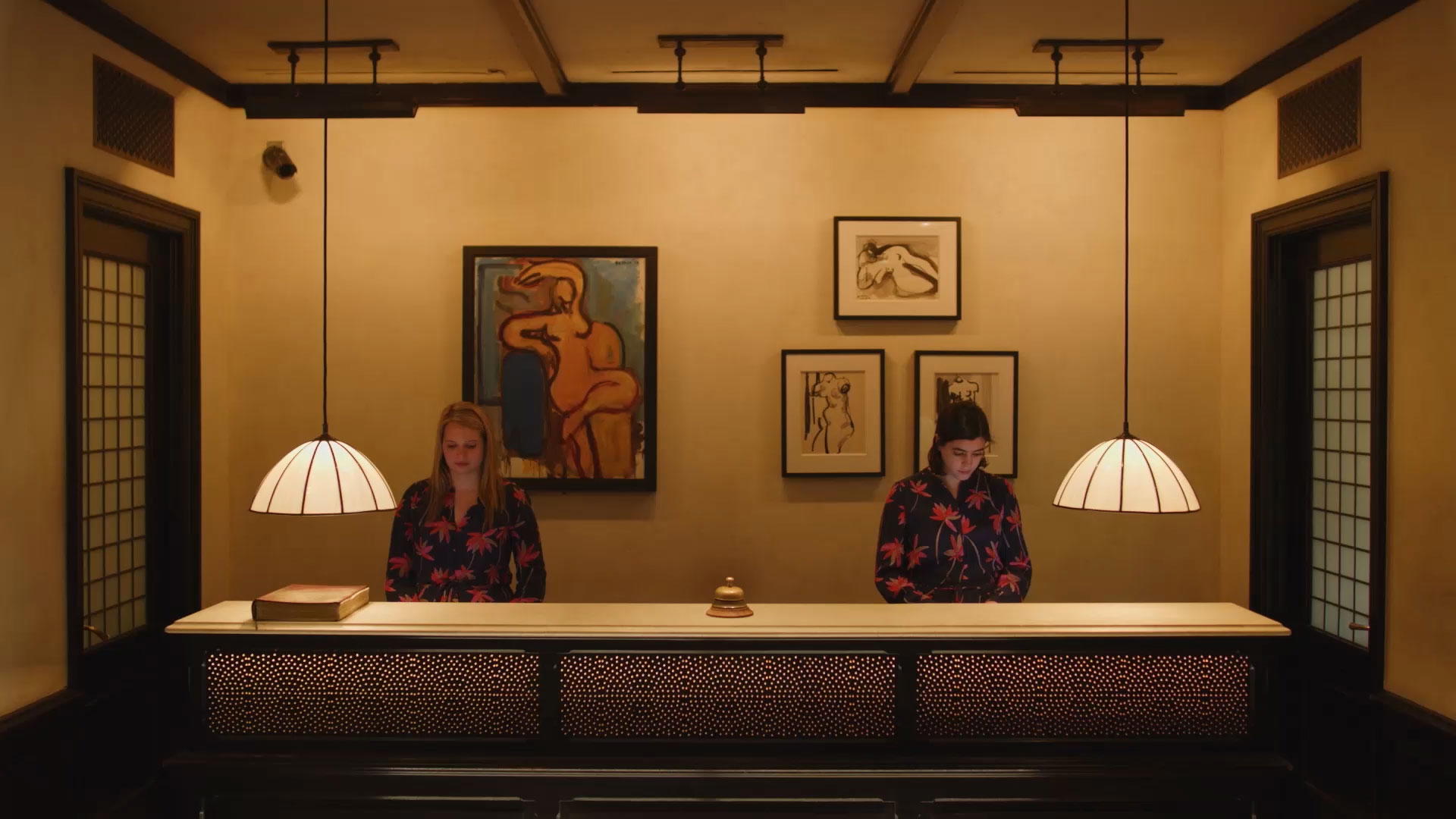
Warm, whitewashed diner atmosphere blending Southwestern comfort with Brooklyn creativity and community hospitality.