
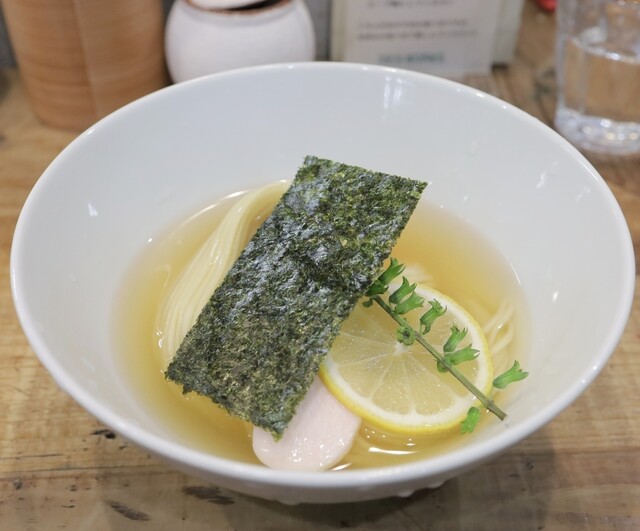
United Noodle Amenooto gives Sano ramen a contemporary, sourcing-aware reading without losing the city’s everyday noodle-shop grammar. Its Tabelog Ramen EAST “Tabelog 100” selections in 2024 and 2025 place it among the eastern Japan ramen rooms worth tracking, especially for travelers comparing Sano’s hand-made noodle culture with newer regional ramen styles.
Pearl is the En Primeur Club membership app — saves, bookings, and concierge access live there. Same editors, same standards.
- Address
- 栃木県佐野市堀米町455-1 シルフィード 1F
- Phone
- +81283869882
- Website
- ameblo.jp
 Saves & bookings on Pearl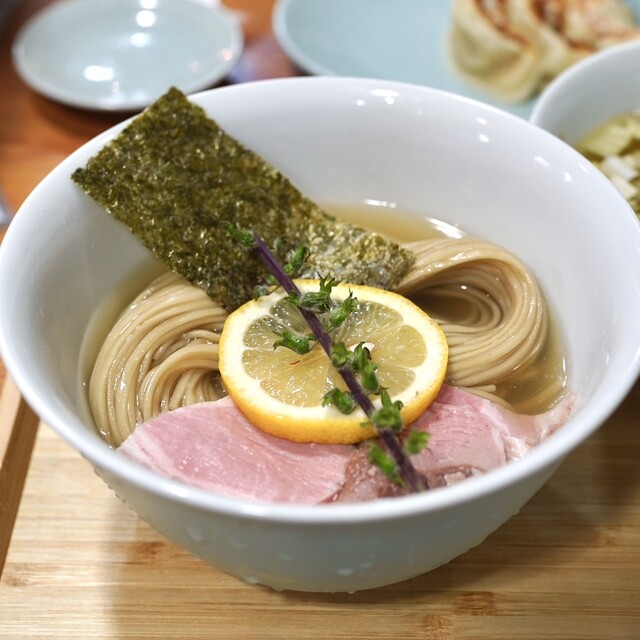
Horigome’s ramen streets are not built for spectacle. The rhythm is low-rise, local, and practical: parking lots, short queues, families moving in and out, solo diners taking counter seats, bowls arriving with the speed of a town that treats ramen as routine rather than ceremony. United Noodle Amenooto belongs to that register, but its national attention changes the way the room reads. In Sano, where a bowl can be both lunch and civic identity, a shop selected for Tabelog Ramen EAST “Tabelog 100” in 2024 and 2025 is not just another stop; it is a useful gauge of how the city’s noodle tradition now travels beyond Tochigi.
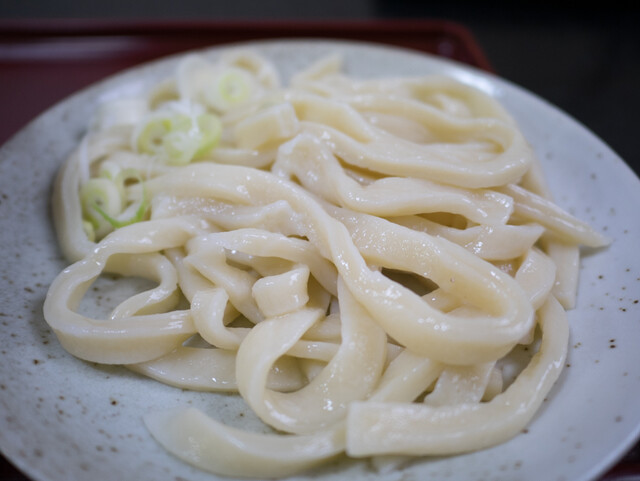
Sano’s ramen reputation rests on a deceptively simple equation: springy noodles, clear-leaning soup, and a preference for balance over density. The local style grew around hand-worked noodles, often associated with bamboo-beaten dough, and that texture remains the city’s calling card. What matters at this level is not garnish count or theatrical plating. It is how the wheat, water, stock, and fat behave together in a bowl that has to satisfy regulars as much as destination eaters.
Sano ramen, viewed through wheat, broth, and restraint
The more interesting question here is sourcing, not novelty. Ramen shops in regional Japan increasingly compete on ingredient decisions that may not be obvious at first glance: noodle flour selection, soup base clarity, seasoning concentration, and how much richness a bowl can carry before it stops feeling local. In Sano, that conversation is especially sharp because the noodle itself has cultural weight. A shop can modernize the bowl, but if the noodle loses its bounce and hand-made identity, the city notices.
United Noodle Amenooto’s place in the Tabelog 100 ramen selection signals that the shop has crossed from neighborhood utility into broader ramen discourse. That matters because the award’s EAST category groups it with serious ramen addresses across eastern Japan, a competitive field where regional shops sit beside urban specialists. The distinction does not make the bowl expensive or formal; it makes the sourcing and execution choices more visible. For a traveler, that is the reason to pay attention.
Within Sano, the comparison set is instructive. Aodake Teuchi Ramen Hinataya and Menya Yosuke sit close to the city’s hand-made noodle identity, while Nomura Ya Honten and Ramen Ogane show how broad the local comfort-food spectrum can be at modest prices. United Noodle Amenooto reads as the contemporary branch of that same tree: less useful as a museum piece, more useful as evidence that Sano ramen can absorb outside attention without becoming a tasting-menu product.
A compact ramen room with national attention
The format is small enough to preserve the ramen-shop cadence: counter seating for solo diners, table seating for groups, and a total capacity that keeps turnover central to the experience. That matters in Sano, where ramen is not framed as a long lunch. The room’s appeal comes from compression: a focused kitchen, a direct bowl-to-diner relationship, and a customer mix that can include local families, noodle pilgrims, and travelers treating Tochigi as more than a transit province.
The Tabelog score of 3.88 gives another clue about positioning. In Japan’s user-review culture, scores around this level in ramen often indicate sustained attention beyond casual neighborhood approval. Combined with repeat Tabelog 100 selection, the signal is stronger than a single burst of online enthusiasm. It places the shop in a tier where execution has to be consistent enough for repeat scrutiny, not merely photogenic enough for a passing crowd.
Practical edge is also part of the editorial case. This is not a luxury-ratio meal where price, ceremony, and scarcity do all the framing. The listed budget remains under JPY 999, and the room is marked as family friendly and solo-dining friendly. That combination is central to why ramen culture travels so well in Japan: a bowl can be studied seriously without requiring fine-dining behavior. The absence of private rooms and private-use format reinforces the point. This is public, quick-turnover dining, with the counter functioning as a democratic space rather than a chef’s-table stage.
How to place it in a Sano eating day
For visitors building a Sano food itinerary, the wiser move is to treat ramen as a comparative exercise rather than a single trophy stop. The city rewards side-by-side thinking: noodle texture at one shop, soup clarity at another, local dining rhythm at a third. Our full Sano restaurants guide is the natural planning base, particularly if the day also includes old-school local dining rather than ramen alone.
Travelers staying in town can pair the meal with our full Sano hotels guide, while those mapping a fuller evening should check our full Sano bars guide. Sano is not a wine-region destination in the way Yamanashi or parts of Nagano can be, but our full Sano wineries guide keeps the category organized for wider regional planning, and our full Sano experiences guide helps turn a ramen stop into a broader Tochigi day.
The broader Japan comparison is useful, too. A ramen lunch in Sano occupies a different register from beef sukiyaki at -Grilled beef Sukiyaki- KAMAKURA TANUKIAN 鎌倉 たぬき庵 in Kamakura, izakaya-style tuna and charcoal cooking at. 鮪と炭火焼き うお炭 秋葉原店 in Tokyo, cafe culture at.cafe in Osaka, and contemporary dining at.know in Kumamoto. The point is not hierarchy. It is scale. Japan’s serious eating culture ranges from sub-JPY 1,000 bowls to specialist counters, and Sano ramen proves how much technique can live at the lower end of the price spectrum.
For readers following casual Asian food formats across cities, the comparison can stretch further: (Shoku) Vietnam in Kawasaki, [Curry Senmon Ten] Maruyama Kyoju. in Sapporo, and [ki:] in Kyoto each show a different way modest formats carry serious intent. Even outside Japan, Jōdo Saké Bar in Los Angeles and Onigiri Time in Pasadena point to how Japanese casual dining language travels. The restaurant is valuable because it anchors that conversation back in a regional city where the noodle itself remains the main evidence.
Fast Comparison
Comparable venues by cuisine and price in the same metro.
| Venue | Cuisine | Price | Notes |
|---|---|---|---|
| United Noodle AmenootoThis venue — the venue you are viewing | Modern Ramen & Tsukemen | $ | Not listed |
| Ramen Ogane | Traditional Sano-style ramen | $ | Ohashicho |
| Aodake Teuchi Ramen Hinataya | Traditional Sano-style aodake hand-rolled ramen | $ | Sano |
| Nomura Ya Honten | Japanese Noodle Shop | $ | Sano |
| Menya Yosuke | Sano-Style Ramen | $ | Tajima-cho |
| Tsurukamedo Zenzai | Okinawan Shaved Ice (Zenzai) | $ | Yomitan Village |
Recognition history
Dated appearances from independent guides and award organizations, with the underlying list record or original source where available.
Tabelog 100 #59 · No. 59
Tabelog · Tabelog 100 - Ramen - EAST - 2025
Continue exploring
More in Sano
Restaurants in Sano
Browse all →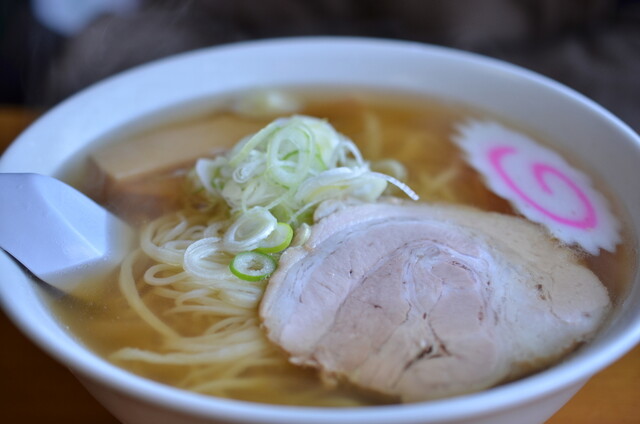
At a Glance
- Modern
- Trendy
- Cozy
- Lively
- Solo
- Casual Hangout
- Family
- Group Dining
- Late Night
- Standalone
- Beer Program