
Nomura Ya Honten puts Sano’s noodle culture into a broader Tochigi frame, where wheat, buckwheat, and regional cooking matter as much as ramen fame. Its selection for Tabelog 100 Udon EAST in 2024, with prior selections in 2022 and 2020, gives this modestly priced room a clear reason to sit on a serious noodle itinerary.
Pearl is the En Primeur Club membership app — saves, bookings, and concierge access live there. Same editors, same standards.
- Address
- 2819 Aioicho, Sano, Tochigi 327-0023, Japan
- Phone
- +81 283-22-0396
- Website
- instagram.com
- Directions
- Get directions
 Saves & bookings on Pearl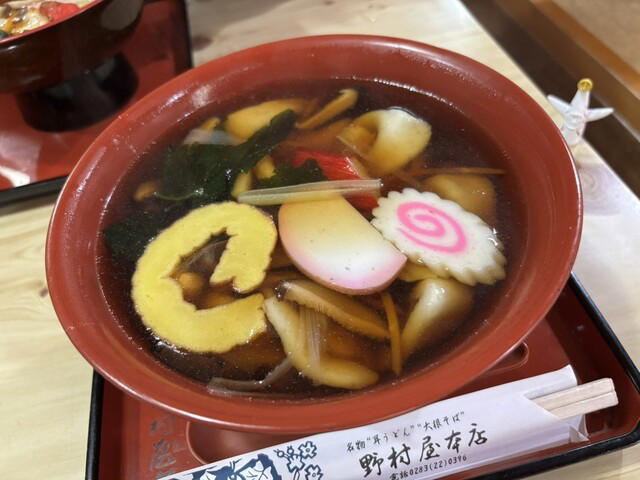
Approach Sano through its noodle reputation and the first reference point is usually ramen: hand-pulled, soy-led, and deeply tied to the city’s water and wheat culture. Nomura Ya Honten shifts that conversation sideways. The room belongs to the everyday Japanese noodle-house tradition rather than the destination tasting-menu circuit, but its place in Sano is not incidental. This is where udon, soba, and regional cooking share the same local table, reminding visitors that Tochigi’s noodle identity is broader than a single bowl style.
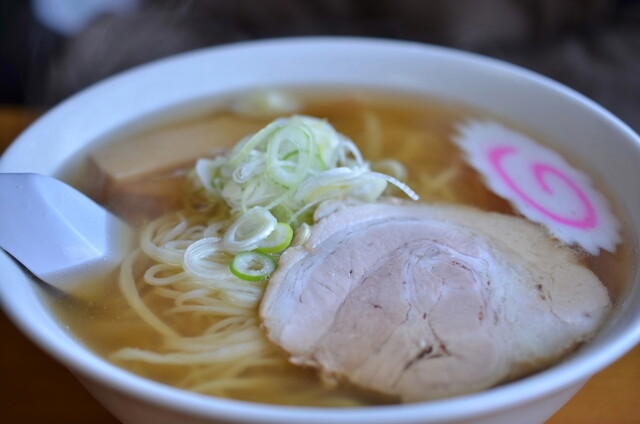
Sano’s ramen circuit is well represented by places such as Aodake Teuchi Ramen Hinataya, Menya Yosuke, Ramen Ogane, and United Noodle Amenooto. Those counters help define the city for many travelers. Nomura Ya Honten works differently: it pulls attention toward wheat noodles, buckwheat noodles, and the regional cooking that sits around them. For readers mapping the city beyond ramen, our full Sano restaurants guide is the right companion piece.
Wheat, buckwheat, and the local noodle grammar of Sano
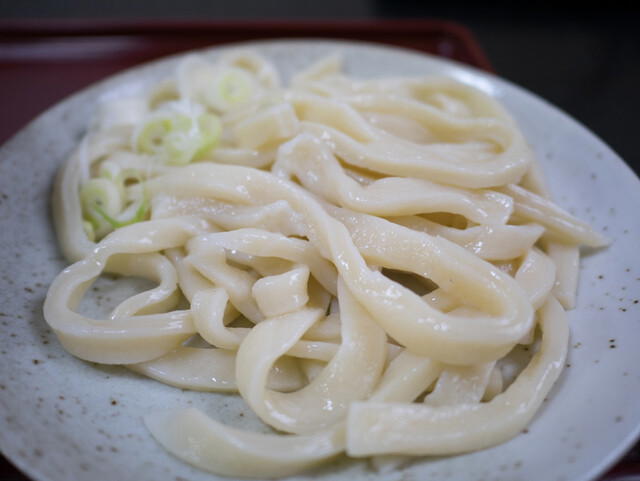
The ingredient story here begins with grain rather than garnish. Udon and soba are not interchangeable Japanese comfort foods; they carry different textures, regional associations, and expectations of broth, dipping sauce, and pacing. In a city better known outside Tochigi for ramen, a kitchen working across udon, soba, and regional cuisine points to a fuller local grammar: wheat for chew and breadth, buckwheat for aroma and restraint, and side dishes that keep the meal rooted in place rather than in trend.
That matters because regional noodle shops in Japan often act as local archives. They preserve a practical form of eating: quick enough for weekday lunch, structured enough for a family meal, and priced within the range that keeps regulars in the room. Nomura Ya Honten’s public price band sits at JPY 1,000 to JPY 1,999, which places it far from luxury dining but not outside serious culinary interest. The Tabelog 100 Udon EAST 2024 selection, alongside 2022 and 2020 selections, gives the shop a credential that is useful precisely because the format is so everyday.
The comparison within Sano is instructive. Menya Yosuke and Aodake Teuchi Ramen Hinataya sit in the city’s ramen conversation at a lower listed price band, while Ramen Ogane lands in the same JPY 1,000 to JPY 1,999 bracket. The restaurant is not trying to win the ramen argument. It is useful because it changes the itinerary from “which ramen shop?” to “what does Sano’s broader noodle culture look like?”
An everyday room with serious noodle credentials
The useful way to read the Tabelog recognition is not as luxury validation, but as evidence of consistency inside a category where small differences matter. Udon shops live or die by texture, temperature discipline, broth balance, and the ability to keep a simple format from becoming anonymous. A Tabelog 100 Udon EAST selection places the venue inside a wider eastern Japan conversation, where regional specialists compete less through spectacle than through repetition and control.
Format also explains the atmosphere. This is not a hushed counter built around a chef biography or a choreographed tasting sequence. The public details point to a practical noodle house with 52 seats, no private rooms, and a family-friendly posture that includes children but not strollers inside. That combination says a great deal about the experience: local, orderly, functional, and meal-focused. The detail about cash-only payment belongs to the same world. Visitors expecting Sano’s food culture to behave like central Tokyo hospitality will misread the room.
For a premium-travel audience, the value is not luxury signaling. It is specificity. Sano can easily become a ramen stop between larger destinations; this address argues for a slower read of the city. Pairing a meal here with ramen-focused addresses gives a clearer sense of the local grain-and-noodle ecosystem than chasing a single famous queue. For broader trip planning around the city, EP Club’s Sano coverage also separates the supporting pieces: hotels, bars, wineries, and experiences.
How to place it on a Japan food itinerary
The restaurant belongs on an itinerary that treats regional noodle culture as seriously as sushi counters, kappo rooms, and urban izakaya. The point is not to compare a Sano noodle house with -Grilled beef Sukiyaki- KAMAKURA TANUKIAN 鎌倉 たぬき庵 in Kamakura. 鮪と炭火焼き うお炭 秋葉原店 in Tokyo, or [ki:] in Kyoto as if they were interchangeable. The sharper move is to use them as markers of how broad Japanese dining can be: beef, charcoal, contemporary cooking, noodles, and regional staples all require different critical lenses.
That same lens helps with casual addresses elsewhere in Japan, from.cafe in Osaka and.know in Kumamoto to (Shoku) Vietnam in Kawasaki and [Curry Senmon Ten] Maruyama Kyoju. in Sapporo. Price alone does not define seriousness. Ingredient focus, category discipline, and local relevance do. Even outside Japan, places such as Jōdo Saké Bar in Los Angeles and Onigiri Time in Pasadena show how Japanese food formats travel, but Sano’s value is that the context remains close to the source.
The practical reading is simple: this is a low-cost, high-context stop for travelers who want Sano beyond ramen shorthand. The award history supplies confidence, the categories explain the draw, and the room’s everyday structure keeps the experience grounded. Go for the grain culture, not for ceremony.
In Context: Similar Options
Comparable venues by cuisine and price in the same metro.
| Venue | Cuisine | Price | Notes |
|---|---|---|---|
| Nomura Ya Honten | Japanese Noodle Shop | $ | Sano |
| United Noodle Amenooto | Modern Ramen & Tsukemen | $ | Horigome |
| Ramen Ogane | Traditional Sano-style ramen | $ | Ohashicho |
| Aodake Teuchi Ramen Hinataya | Traditional Sano-style aodake hand-rolled ramen | $ | Sano |
| Menya Yosuke | Sano-Style Ramen | $ | Tajima-cho |
| 利尻富士町レストハウス | Japanese Lakeside Seafood | $ | 利尻富士町 |
Recognition history
Dated appearances from independent guides and award organizations, with the underlying list record or original source where available.
Tabelog 100 #9 · No. 9
Tabelog · Tabelog 100 - Udon - EAST - 2024
At a Glance
- Classic
- Cozy
- Solo
- Family
- Casual Hangout
- Standalone
- Street Scene
Current opening hours
- Monday
- 11 AM–2:30 PM, 4:30–7:30 PM
- Tuesday
- 11 AM–2:30 PM, 4:30–7:30 PM
- Wednesday
- 11 AM–2:30 PM, 4:30–7:30 PM
- Thursday
- Closed
- Friday
- 11 AM–2:30 PM, 4:30–7:30 PM
- Saturday
- 11 AM–2:30 PM, 4:30–7:30 PM
- Sunday
- 11 AM–2:30 PM, 4:30–7:30 PM
Hours can change for holidays and private events. Last verified .
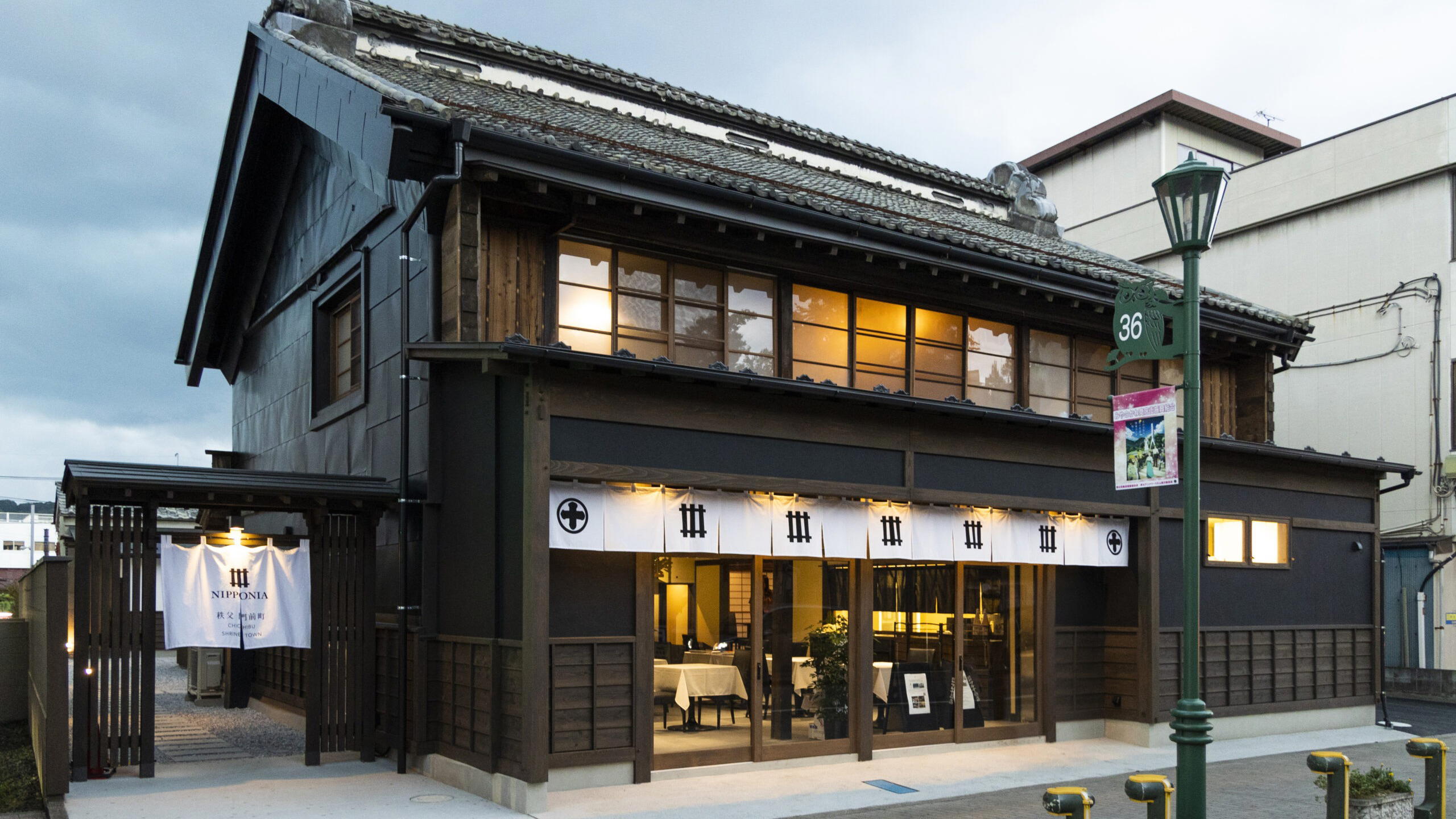
A traditional, locally rooted noodle shop atmosphere with a casual, old-school feel.