
Sano ramen is defined by hand-worked noodles and local repetition rather than luxury signals. Menya Yosuke belongs to that tradition, with ramen, rice bowls and dumplings in a casual setting that has been selected for Tabelog Ramen EAST “Tabelog 100” across multiple years, including 2025.
Pearl is the En Primeur Club membership app — saves, bookings, and concierge access live there. Same editors, same standards.
- Address
- 232 Tajimacho, Sano, Tochigi 327-0031, Japan
- Phone
- +81 283-85-9221
- Website
- instagram.com
 Saves & bookings on Pearl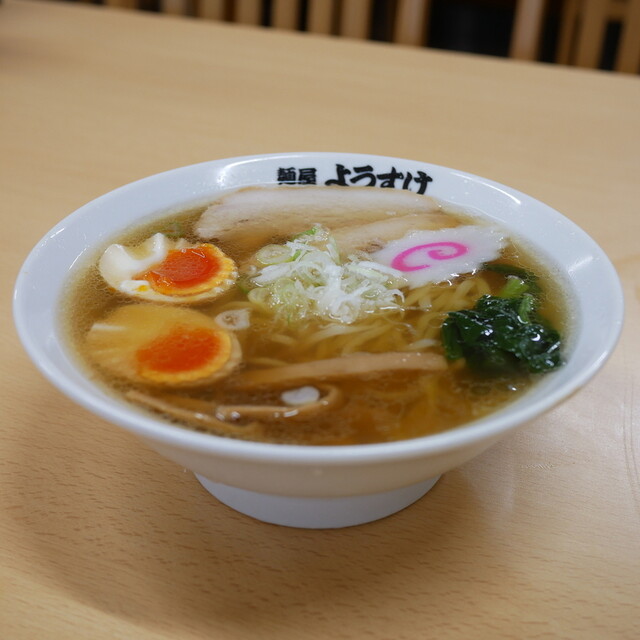
Approaching a Sano ramen shop, the cues are plain: a road-facing building, the rhythm of local traffic, families moving in and out, and the expectation that the bowl will be judged on noodle texture before ceremony. This is not the Tokyo counter model of hushed sequencing and chef-led theatre. Sano’s ramen culture is built around a regional craft, aodake teuchi, in which bamboo-assisted handwork gives the noodles their irregular pull and bounce. Menya Yosuke sits firmly inside that local language, where sourcing and technique matter because the food is measured in directness rather than ornament.
The relevant comparison is not with luxury ramen tasting formats, but with nearby Sano specialists that keep the city’s noodle identity legible. Aodake Teuchi Ramen Hinataya keeps the hand-made noodle tradition close to its name; Ramen Ogane occupies a slightly higher everyday spend band; Nomura Ya Honten broadens the local dining picture beyond ramen alone; and United Noodle Amenooto shows how contemporary noodle houses can work at the same accessible end of the market. Against that field, Menya Yosuke’s repeated Tabelog Ramen EAST “Tabelog 100” selections from 2018 through 2025 give it a durable signal in a city where small differences in noodle handling carry real weight.
Sano ramen puts the noodle before the garnish
Sano’s ramen identity depends on wheat, water, kneading and cut rather than luxury toppings. The city’s aodake teuchi style is associated with hand-worked noodles, usually prized for uneven edges, elasticity and a lighter eating rhythm than dense urban bowls. That matters for sourcing because the raw material is not a supporting actor. Flour quality, hydration and handling decide whether the bowl reads as regional craft or generic ramen.
Menya Yosuke’s category listing, ramen with donburi and dumplings, places it in the broad local meal format rather than a single-product tasting room. That combination is important. In Sano, ramen restaurants often function as practical neighbourhood dining rooms as much as destination stops for noodle obsessives. A rice bowl or gyoza order does not dilute the ramen focus; it reflects how regional shops feed mixed groups, children and repeat local customers without turning the meal into a chef’s performance.
The restaurant’s Tabelog score of 3.75 and its 2025 Ramen EAST “Tabelog 100” selection should be read as category evidence, not as a luxury badge. Tabelog’s ramen lists are useful because they sort thousands of casual shops through a diner-review ecosystem that is particularly strong in Japan. The signal here is consistency across years. A one-year appearance can track a surge of attention; an eight-year run from 2018 to 2025 suggests sustained relevance within eastern Japan’s ramen conversation.
A casual room built for regional repetition
The room format tells as much about the meal as the award history. A 52-seat setup with counter seats, table seats and raised tatami tables points to a shop designed for turnover without abandoning family use. That arrangement is common in regional Japan, where a ramen stop is a solo lunch, a weekend family meal or a detour by car from a nearby interchange. The counter gives single diners a fast lane; the tatami tables make the same food workable for children and groups.
Cash-only payment and unavailable reservations put the experience closer to everyday ramen culture than to managed destination dining. The practical lesson is simple: the food may carry national recognition, but the operating model remains local. Diners should treat the meal as a queue-and-eat proposition, especially because service can run only until supply is gone. For travellers building a Sano food day, that makes timing part of the editorial decision. Ramen first, wandering later, is the safer order.
Location also shapes the visit. Tajima Station on the Tobu Sano Line is close enough to make the restaurant approachable without a car, while parking for more than 50 vehicles reflects the way many regional ramen trips happen in Tochigi. That dual access matters in Sano, a city where serious ramen is not confined to dense station-front alleys. The ramen map spreads across roads, residential edges and practical buildings; the reward is a food culture less polished by tourism than by repeat use.
How to place it in a Sano itinerary
For travellers using ramen as the anchor, Sano rewards comparison more than checklist dining. Pairing the restaurant with another aodake specialist clarifies the city’s range: noodle thickness, broth weight and side-order habits become easier to read when tasted across shops. The accessible price tier also makes that comparison realistic, though appetite and queue tolerance will decide how many bowls fit into one day.
EP Club’s city pages are useful for widening that map beyond one lunch. Start with Our full Sano restaurants guide for the local dining field, then use Our full Sano hotels guide, Our full Sano bars guide, Our full Sano wineries guide and Our full Sano experiences guide to turn a ramen detour into a fuller Tochigi stop. Readers comparing Japanese casual dining across cities can also contrast the ramen format with -Grilled beef Sukiyaki- KAMAKURA TANUKIAN 鎌倉 たぬき庵 in Kamakura. 鮪と炭火焼き うお炭 秋葉原店 in Tokyo.cafe in Osaka.know in Kumamoto, (Shoku) Vietnam in Kawasaki, [Curry Senmon Ten] Maruyama Kyoju. in Sapporo, [ki:] in Kyoto, Jōdo Saké Bar in Los Angeles and Onigiri Time in Pasadena.
The editorial case is clear: the restaurant is not compelling because it behaves like a grand restaurant. It matters because Sano ramen is a regional craft where sourcing, handwork and everyday usability meet in the bowl, and this shop has kept enough public recognition to sit near the center of that conversation.
A Quick Peer Check
Comparable venues by cuisine and price in the same metro.
| Venue | Cuisine | Price | Notes |
|---|---|---|---|
| Menya YosukeThis venue — the venue you are viewing | Sano-Style Ramen | $ | Not listed |
| Ramen Ogane | Traditional Sano-style ramen | $ | Ohashicho |
| United Noodle Amenooto | Modern Ramen & Tsukemen | $ | Horigome |
| Nomura Ya Honten | Japanese Noodle Shop | $ | Sano |
| Aodake Teuchi Ramen Hinataya | Traditional Sano-style aodake hand-rolled ramen | $ | Sano |
| Marusho Gyoza | Traditional Japanese Gyoza Specialist | $ | Daito City |
Recognition history
Dated appearances from independent guides and award organizations, with the underlying list record or original source where available.
Tabelog 100 #62 · No. 62
Tabelog · Tabelog 100 - Ramen - EAST - 2025
Continue exploring
More in Sano
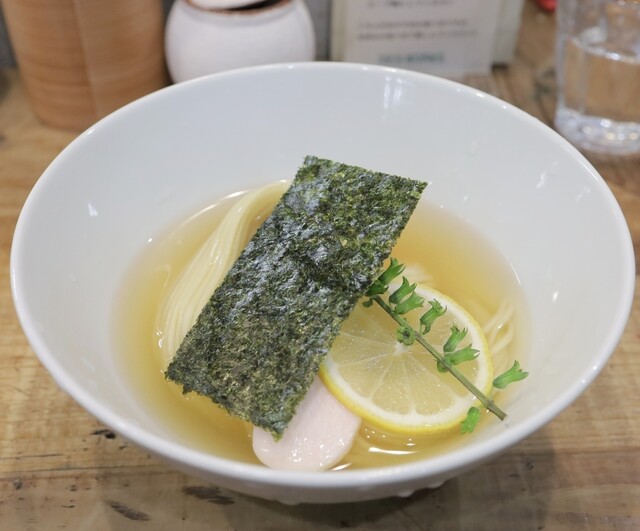
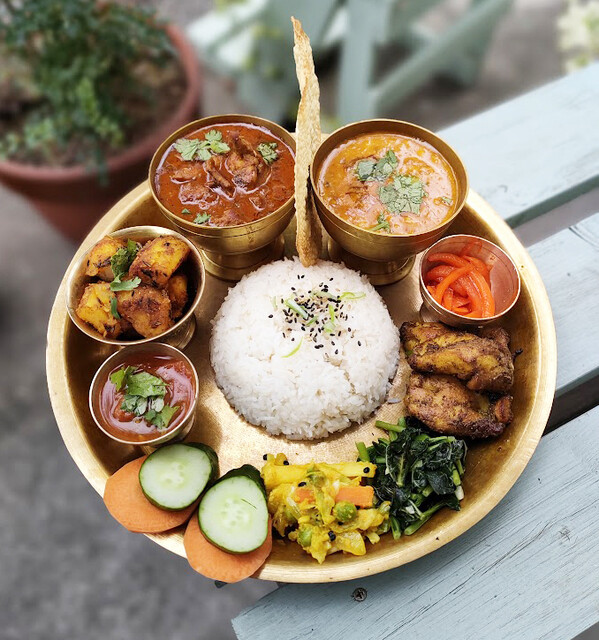
Restaurants in Sano
Browse all →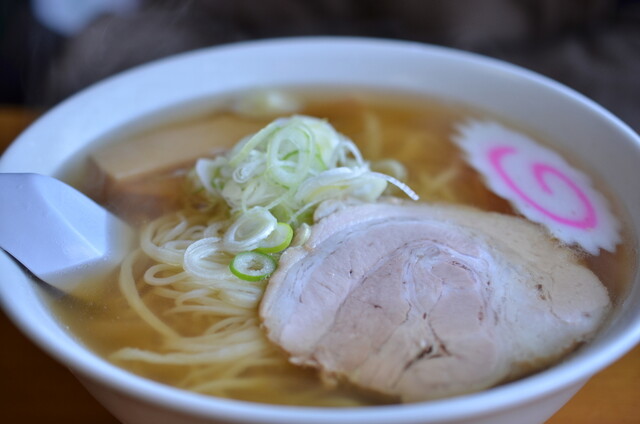
Hotels in Sano
Browse all →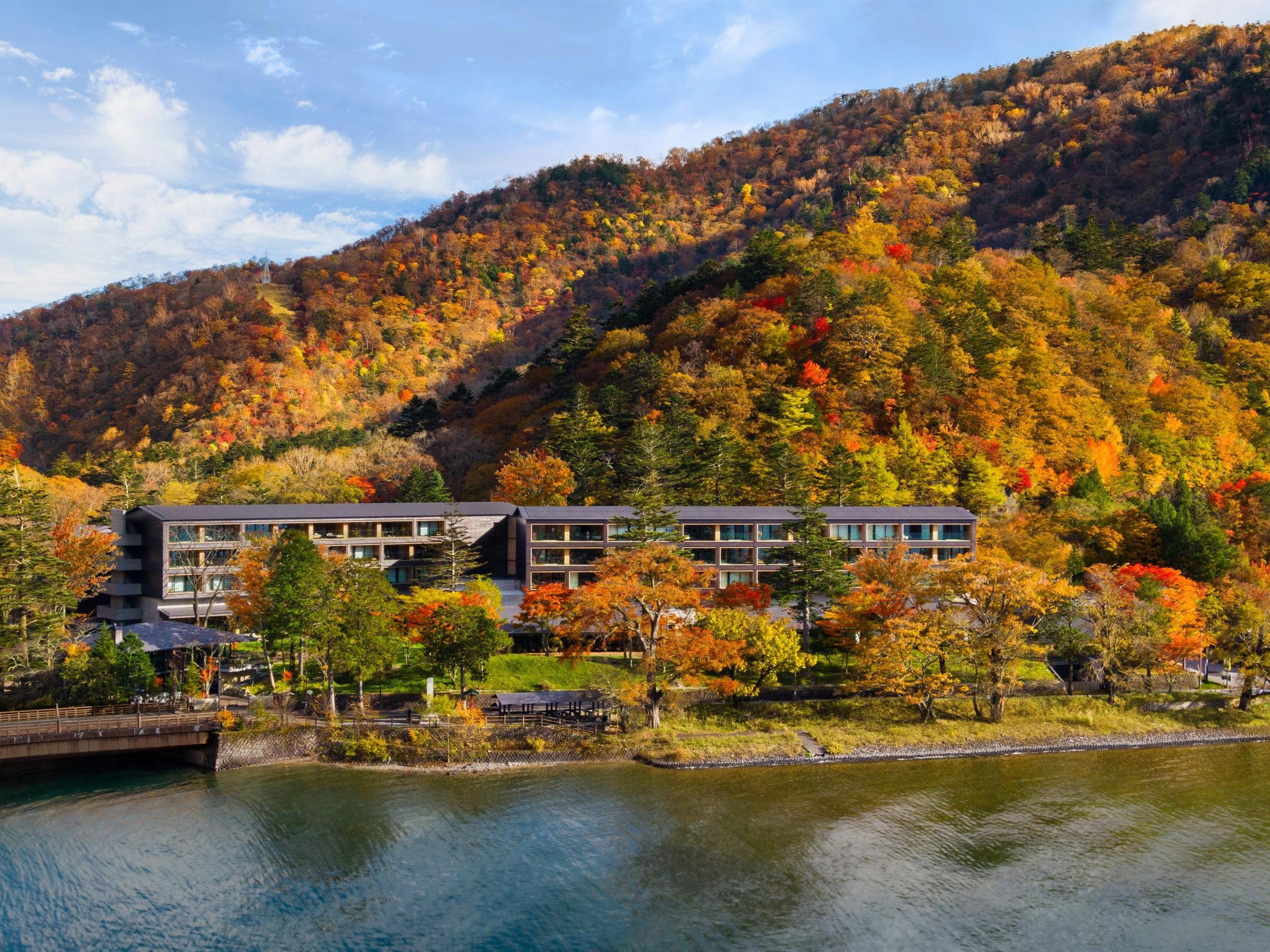
Wineries in Sano
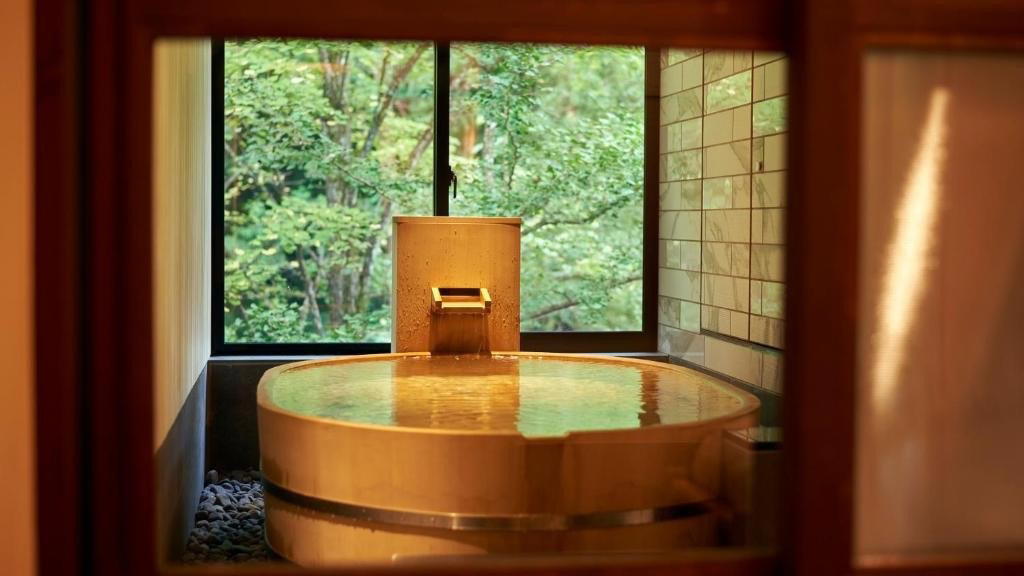
Browse all →
At a Glance
- Classic
- Cozy
- Solo
- Family
- Casual Hangout
- Group Dining
- Standalone
- Street Scene
Current opening hours
- Monday
- 11 AM–2:30 PM, 5–8:45 PM
- Tuesday
- 11 AM–2:30 PM, 5–8:45 PM
- Wednesday
- 11 AM–2:30 PM, 5–8:45 PM
- Thursday
- Closed
- Friday
- 11 AM–2:30 PM, 5–8:45 PM
- Saturday
- 11 AM–8:45 PM
- Sunday
- 11 AM–8:45 PM
Hours can change for holidays and private events. Last verified .
Casual, busy ramen-house atmosphere with a direct, no-frills setting focused on fast turnover and a local following.