Unagiya Shubo Gasou Echigoya

Tabelog 100 #29
Our verdict
A serious unagi address in Tokorozawa, Unagiya Shubo Gasou Echigoya belongs to the older Japanese tradition of restaurants judged by sourcing, grill discipline, and repeat local use rather than spectacle. Its Tabelog Unagi 100 selection in 2024 and earlier Tabelog Award Bronze recognition place it in a selective eel category outside central Tokyo.

Pearl is the En Primeur Club membership app, where members save venues, book tables and use the concierge.
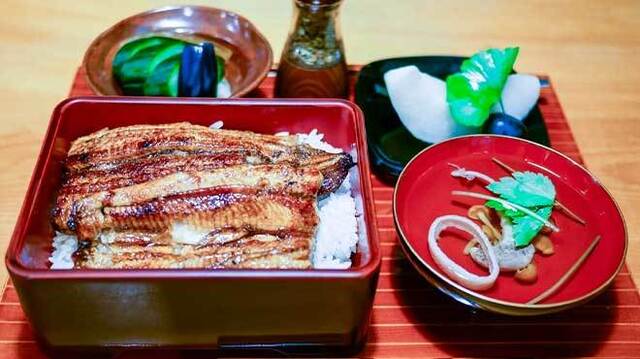
The menu
What to order
- Charcoal-grilled Unajū Iro
- Charcoal-grilled Unajū Sora
- Mitsuzoroi Unajū
- Course Ao (introductory unagi kaiseki)
- Course Ju (mid-level unagi kaiseki)
- Course Ryū (pinnacle unagi kaiseki)
The approach to a suburban unagi house sets a different expectation from central-city counter dining. Tokorozawa is not chasing the theatre of central Tokyo dining or the architectural polish of hotel-style restaurants; its stronger meals often sit closer to the rhythms of family tables, station-area regulars, and specialists who have survived because a single craft can carry a room. In that setting, Unagiya Shubo Gasou Echigoya reads as part of a Japanese dining tradition where the ingredient comes first and the room follows.
Unagi is a cuisine of supply as much as technique. The decisive questions start before the grill: how consistently the eel can be handled, and whether the kitchen treats fish quality as the foundation rather than a garnish to presentation. The restaurant’s category signals that emphasis clearly: unagi. That matters in Saitama, where a destination eel meal does not need to mimic Tokyo luxury dining to carry authority. It needs procurement discipline, a confident grill, and a format that can serve both planned meals and local repeat occasions.
Tokorozawa's unagi lane runs on sourcing, not spectacle
Japan’s eel houses occupy a narrow but demanding category. They are judged less by novelty than by repetition: rice, tare, doneness, pacing, and the ability to keep standards steady across lunch and dinner service. The 2024 Tabelog Unagi 100 selection places Unagiya Shubo Gasou Echigoya within a national conversation around specialist eel restaurants, with a listed Tabelog score of 3.69 adding a useful public-facing signal for readers weighing specialist dining in Tokorozawa.
That recognition is useful because unagi can be difficult for travellers to read from the outside. Menus may look concise, dining rooms may feel domestic rather than theatrical, and the price gap between everyday eel and serious specialist eel can be hard to parse without context. In Tokorozawa, the comparison is especially sharp: casual addresses such as CHOPPERS HAMBURGER & CAFE, local specialists such as Udonya Kazu, and focused rooms such as Sayama Okina occupy different lanes, while a destination unagi meal sits in a more deliberate bracket. That does not make it formal dining; it makes it ingredient-led dining with a higher cost base.
The city’s restaurant map is broader than many Tokyo visitors assume. Other Tokorozawa dining rooms, CP RESTAURANT, noodle specialists, and other local kitchens point to a scene built from specialists rather than a single fine-dining strip. Against that backdrop, eel has a particular role: it is celebratory without needing ceremony, familiar without being casual fast food, and tied to a supply chain that rewards restaurants able to buy and handle fish with consistency.
A specialist house format suits eel better than performance dining
The room format reinforces the point. Rather than reading the restaurant as a stage for performance dining, it is better understood as a practical specialist house whose appeal depends on the eel itself. That breadth of use is not incidental. Unagi in Japan has long carried a dual identity: everyday comfort for locals and a marked-occasion dish when the fish quality and preparation justify the spend.
A Tokorozawa eel house can serve reserved meals, family occasions, and unhurried gatherings without abandoning the specialist identity. This is where Tokorozawa differs from central Tokyo’s narrower premium formats. A serious eel restaurant here does not need to behave like a luxury counter to feel purposeful; it needs to deliver the category clearly and consistently.
Drink service, when kept in proportion, should fit the category rather than distract from it. The point is not a grand beverage program; it is a Japanese dining rhythm that understands what grilled eel asks for. The restaurant’s listed dinner budget of JPY 5,000 - JPY 5,999 and lunch budget of JPY 4,000 - JPY 4,999 also help place it: serious enough to plan around, but still grounded in the specialist eel-house tradition.
How to place it within a Tokorozawa itinerary
For travellers, the decision is less about chasing novelty and more about allocating one meal to a Japanese specialist category that rarely translates well abroad. Tokorozawa has enough range to build a full day of eating around noodle shops, casual cafés, and more formal restaurants, but an unagi meal changes the pace. It is slower, more deliberate, and more dependent on the kitchen’s relationship to a single ingredient.
The practical read is simple: this is a planned meal rather than a spontaneous snack stop. Its location in Tokorozawa keeps it accessible within western Saitama dining, especially for readers already looking beyond central Tokyo. For wider planning, see Our full Tokorozawa restaurants guide, plus the city guides for Tokorozawa hotels, Tokorozawa bars, Tokorozawa wineries, and Tokorozawa experiences.
Readers comparing Japanese specialist meals can also look across Tokorozawa itself, from STEAK HOUSE BRASE Tokorozawa ten to Udonya Kazu, Sayama Okina, casual meals at CHOPPERS HAMBURGER & CAFE, and more composed dining at CP RESTAURANT. The useful comparison is not cuisine-to-cuisine similarity, but commitment to a tight format. Unagiya Shubo Gasou Echigoya belongs in that specialist camp: a fish-first restaurant whose appeal depends on category depth rather than decorative ambition.
Frequently asked questions
Does Unagiya Shubo Gasou Echigoya work for a family meal?
Unagiya Shubo Gasou Echigoya is best understood as a planned unagi meal in Tokorozawa. For family dining, confirm current seating and service details directly with the restaurant before visiting.
Is Unagiya Shubo Gasou Echigoya formal or casual?
It reads as a specialist unagi restaurant rather than a high-formality dining room. The listed budget is Dinner: JPY 5,000 - JPY 5,999; Lunch: JPY 4,000 - JPY 4,999, which places it in a practical eel-house bracket for a planned meal.
What's the price range at Unagiya Shubo Gasou Echigoya?
Pricing at Unagiya Shubo Gasou Echigoya is listed as Dinner: JPY 5,000 - JPY 5,999; Lunch: JPY 4,000 - JPY 4,999.
What is Unagiya Shubo Gasou Echigoya known for?
Unagiya Shubo Gasou Echigoya is known for unagi in Tokorozawa and appears in the 2024 Tabelog Unagi 100 selection.
Comparable Spots, Quickly
Comparable venues by cuisine and price in the same metro.
| Venue | Cuisine | Price | Awards | Notes |
|---|---|---|---|---|
| Unagiya Shubo Gasou EchigoyaThis venue (the venue you are viewing) | Traditional Unagi & Kaiseki | $50–100 | Tabelog 100 #29 | Not listed |
| Udonya Kazu | Udon and tempura shop | $10–20 | Tabelog 100 #57 | Kotesashi |
| Musashino Dentou no Aji Ryotaro | Japanese Udon | Not listed | Tabelog 100 #88 | Tokorozawa |
| STEAK HOUSE BRASE Tokorozawa ten | Steakhouse | Not listed | Tabelog 100 #87 | Shintokorozawa |
| 中国割烹旅館 掬水亭 | Chinese Kappo Ryokan Dining | $50–100 | Not listed | 山口 |
| Sayama Okina | Traditional Japanese soba | Not listed | Tabelog 100 #96 | Shimo-Yamaguchi |
Recognition history
Dated appearances from independent guides and award organizations, with the underlying list record or original source where available.
Tabelog 100 #29 · No. 29
Tabelog · Tabelog 100 - Unagi - 2024
Continue exploring
More in Tokorozawa
Restaurants in Tokorozawa
All restaurants in Tokorozawa →



Bars in Tokorozawa
Browse all →



Hotels in Tokorozawa
Browse all →



Wineries in Tokorozawa
Browse all →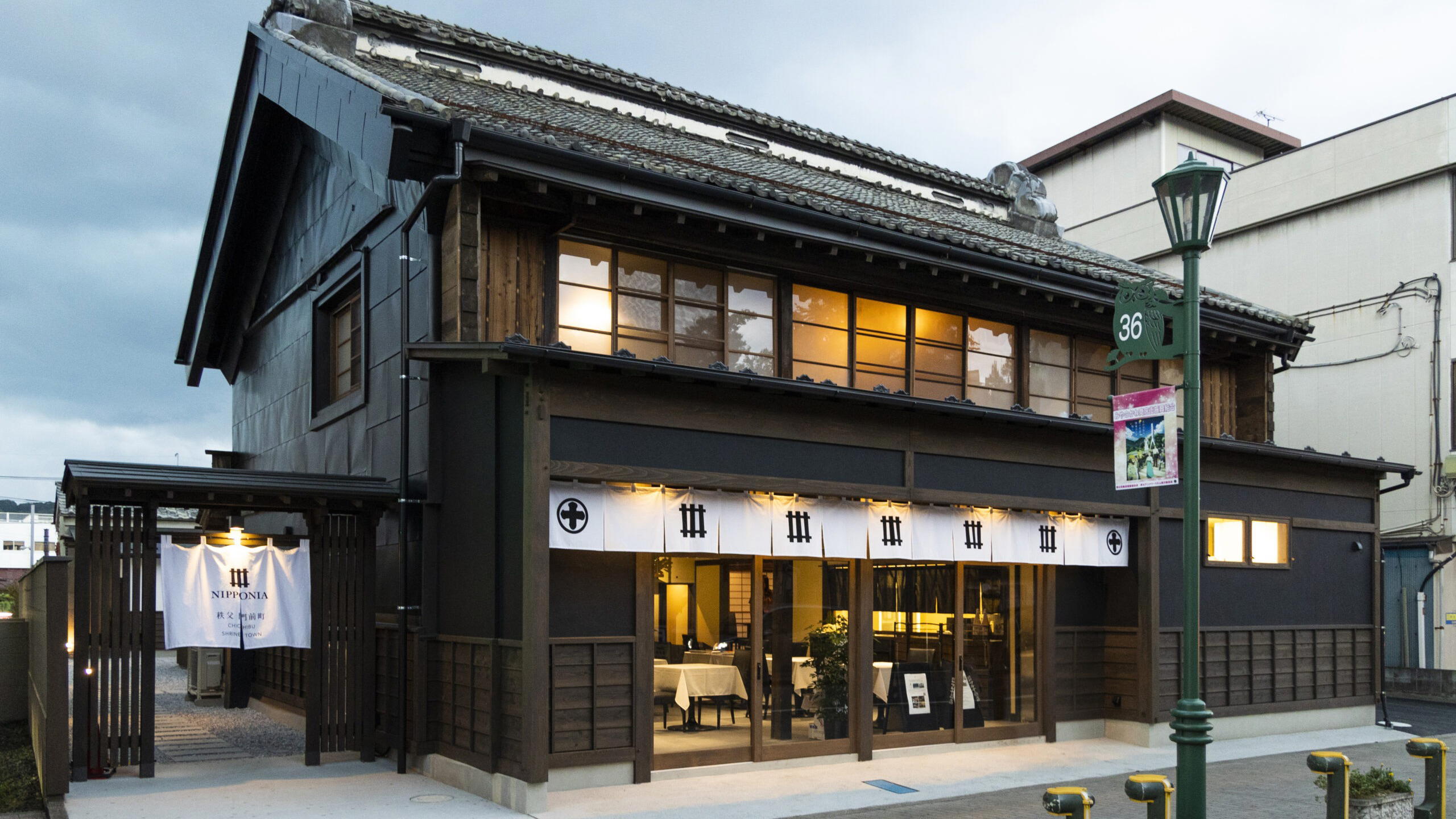
Details
- Elegant
- Quiet
- Scenic
- Cozy
- Intimate
- Date Night
- Special Occasion
- Business Dinner
- Group Dining
- Garden
- Design Destination
- Standalone
- Sake Program
- Sustainable Seafood
- Local Sourcing
- Garden
- Tasting Menu
- A La Carte
- Omakase
- Set Menu
- Sake
- Beer
- Pescatarian Friendly
Current opening hours
- Monday
- Closed
- Tuesday
- Closed
- Wednesday
- 12–2 PM, 6–9:30 PM
- Thursday
- 12–2 PM, 6–9:30 PM
- Friday
- 12–2 PM, 6–9:30 PM
- Saturday
- 12–2 PM, 6–9:30 PM
- Sunday
- 12–2 PM, 6–9:30 PM
Hours can change for holidays and private events. Last verified .
Calm and refined, with warm lighting, bamboo garden views, and the subtle presence of charcoal smoke, creating a tranquil retreat from daily noise and a strong sense of seasonality.