
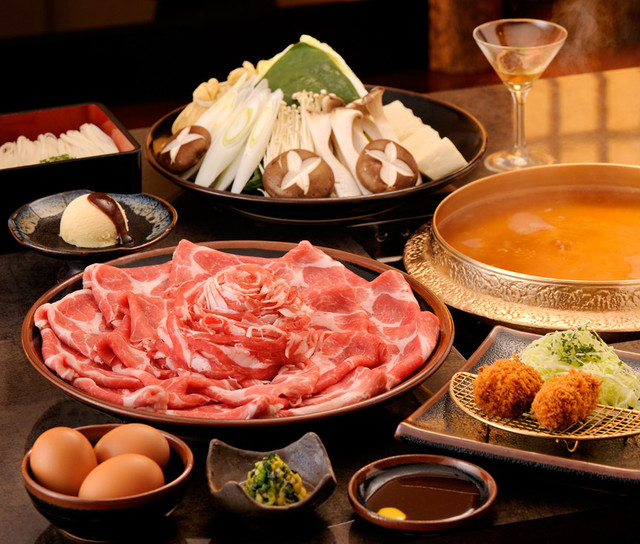
Umeya places Kagoshima’s shabu-shabu tradition in a serious but accessible register, with local black pork, black beef, beef tongue and local chicken built into a course format. The room suits small groups as much as families, and its Tabelog 100 Hot Pot 2024 selection gives the restaurant a clear quality signal within Japan’s hot pot category.
Pearl is the En Primeur Club membership app — saves, bookings, and concierge access live there. Same editors, same standards.
- Address
- Japan, 〒892-0838 Kagoshima, Shinyashikicho, 27−1 チェリービル 2F
- Phone
- +81 99-227-7488
- Website
- kagoshima-umeya.com
 Saves & bookings on Pearl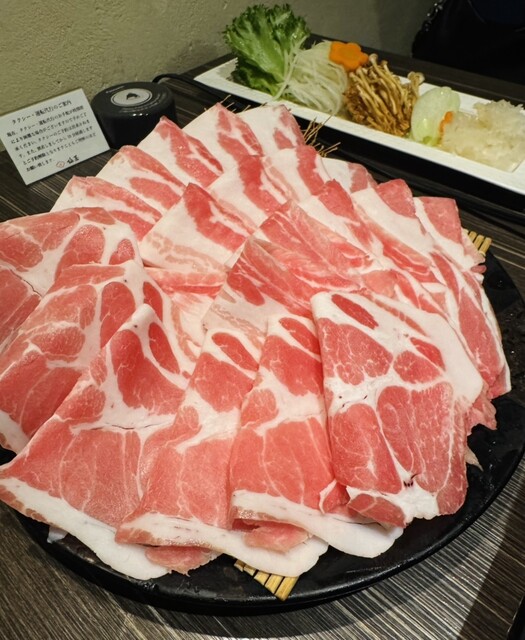
Shabu-shabu is a room-temperature decision before it is a dining choice: steam on the table, conversation lowered by the rhythm of shared pots, and a style of eating that asks everyone to move at the same pace. In Kagoshima, that format carries extra weight because the prefecture’s brand meats are not background ingredients. Black pork and black beef are part of the region’s food identity, and a dedicated hot pot counterpoint to tonkatsu, yakitori and market seafood tells a different story about how the city eats after dark.
Umeya sits in that tradition rather than trying to modernise it beyond recognition. The restaurant’s shabu-shabu course format uses Kagoshima Black Pork, Kagoshima Black Beef, beef tongue and local chicken, supported by broth options that include kombu, katsuobushi and saba dashi, tomato-based broth, sukiyaki-style broth and a seasonal broth. That range matters: shabu-shabu can collapse into simple meat-and-dip repetition when the kitchen treats the broth as a vessel. Here, the format gives diners several routes through the same regional argument.
Kagoshima hot pot built around local meat, not ceremony for its own sake
Japan’s hot pot culture is often discussed as winter comfort, but shabu-shabu is also a useful test of ingredient confidence. Thin slices, brief cooking and shared timing leave little room for disguise. In Kagoshima, where pork, beef and chicken all have strong local reputations, the format becomes a direct expression of place. Umeya’s inclusion in Tabelog 100 Hot Pot 2024 places it inside a national conversation about sukiyaki and shabu-shabu specialists, not merely among neighbourhood dinner rooms.
The course requirement is part of the discipline. Each guest orders one course, which keeps the table aligned and prevents the meal from becoming a casual add-on to drinks. That is a different proposition from Kagoshima’s more fragmented evening routes: yakitori at places priced around JPY 5,000 to JPY 5,999, budget ramen such as Ramen Kokinta, or pork cutlet meals at Aji no Tonkatsu Maruichi. Hot pot asks for a longer table commitment and rewards groups willing to eat collectively.
The vegetable focus gives the format another local inflection. The owner is identified as a certified vegetable sommelier, and the restaurant’s stated approach gives vegetables a central role rather than treating them as garnish for meat. That aligns with a broader Japanese hot pot logic: balance is not achieved through restraint alone, but through sequencing, broth, greens and shared pacing. For travellers who know Kagoshima mainly through kurobuta cutlets or charcoal cooking, shabu-shabu offers a cleaner reading of the same regional ingredients.
A Tenmonkan-adjacent dinner room for groups, families and slower meals
Setting is built for table dining rather than counter theatre. With 40 seats, semi-private rooms for four separated by bamboo blinds, private use for groups of 20 to 50, and a non-smoking policy, the restaurant sits in a useful middle category: structured enough for a planned dinner, relaxed enough for family use. Children are welcome, which is not a minor detail in a city where many serious evening venues are calibrated for adults drinking late.
That makes Umeya a practical cultural choice as much as a culinary one. Families can read the appeal through the shared-pot format and the JPY 6,000 to JPY 7,999 dinner range; groups can read it through the course structure and semi-private seating. Friends who might otherwise split between charcoal chicken at Akadori Sumiyaki Daiyasu, set-meal cooking at Charcoal-grilled Fish & Clay Pot-cooked Rice Ochawan, Japanese Set Meal Diner, or market-driven eating at Ichiba Shokudo Jounan ten will find this meal more coordinated, with the table itself becoming the format.
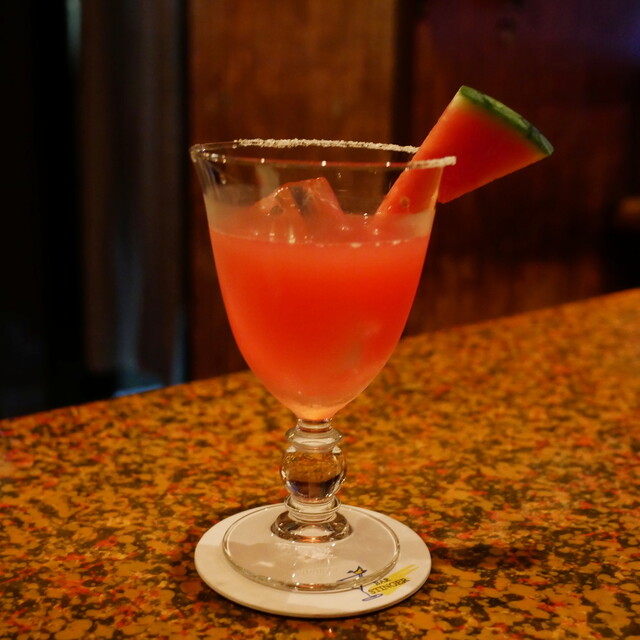
The drinks position also reflects Kagoshima rather than a generic hot pot template. Wine is available, but the stronger local signal is attention to sake and shochu. In southern Kyushu, shochu is not an afterthought; it is part of the social architecture of dinner. For a visitor building an evening around food rather than bar-hopping, that matters more than a long cocktail list. Those continuing the night can place the meal before a dedicated bar such as BAR STINGER, but the restaurant itself is designed to hold the main event.
How to place Umeya in a Kagoshima dining itinerary
Kagoshima rewards diners who resist treating the city as a single-dish destination. Tonkatsu explains the prefecture’s pork culture in fried form; yakitori and charcoal chicken explain smoke, skewers and shochu; hot pot explains patience, shared eating and regional meat without heavy seasoning. Umeya is the choice when the evening calls for a seated, course-led meal rather than a quick rotation through small plates.
Within Kagoshima’s price spread, the restaurant occupies a considered dinner tier. It is above ramen and casual set meals, close to some serious yakitori counters, and below the spend often associated with sushi omakase in larger Japanese cities. That positioning is useful for travellers planning one substantial local dinner: the spend buys structure, local ingredient focus and a recognised hot pot specialism rather than international luxury signals.
For broader planning, compare the city’s food routes in Our full Kagoshima restaurants guide, then anchor the rest of the trip through Our full Kagoshima hotels guide, Our full Kagoshima bars guide, Our full Kagoshima wineries guide and Our full Kagoshima experiences guide. Readers mapping Japanese regional dining beyond Kyushu can also compare shabu-shabu and sukiyaki culture with -Grilled beef Sukiyaki- KAMAKURA TANUKIAN 鎌倉 たぬき庵 in Kamakura, urban seafood and charcoal formats at. 鮪と炭火焼き うお炭 秋葉原店 in Tokyo, café dining at.cafe in Osaka, contemporary Kyushu drinking culture at.know in Kumamoto, Vietnamese cooking in Japan at (Shoku) Vietnam in Kawasaki, curry specialism at [Curry Senmon Ten] Maruyama Kyoju. in Sapporo, sake-bar translation in California at Jōdo Saké Bar in Los Angeles, and casual Japanese comfort food at Onigiri Time in Pasadena.
Booking and Cost Snapshot
Nearby venues at a similar price tier for orientation.
| Venue | Cuisine | Price | Notes |
|---|---|---|---|
| UmeyaThis venue — the venue you are viewing | Not listed | $$$ | Not listed |
| Yakitori Senmyou | Not listed | $$$ | Tenmonkan / Koto Chugakko Mae area, Traditional Yakitori |
| Tenjin Boumarushin | Not listed | $$ | Tenmonkan / Tenmonkandori, Traditional handmade soba |
| Washoku Tei | Chuocho, Japanese Set-Meal Restaurant | $$ | Not listed |
| Karen Kagoshima ten | Not listed | $$$ | Tenmonkan, Kagoshima wagyu & Kurobuta shabu-shabu and sukiyaki |
| Tonkatsu Kawakyu | Chuocho, Kagoshima Black Pork Tonkatsu | $$ | Not listed |
Recognition history
Dated appearances from independent guides and award organizations, with the underlying list record or original source where available.
Tabelog 100 #54 · No. 54
Tabelog · Tabelog 100 - Hot Pot - 2024
Continue exploring
More in Kagoshima
Restaurants in Kagoshima
Browse all →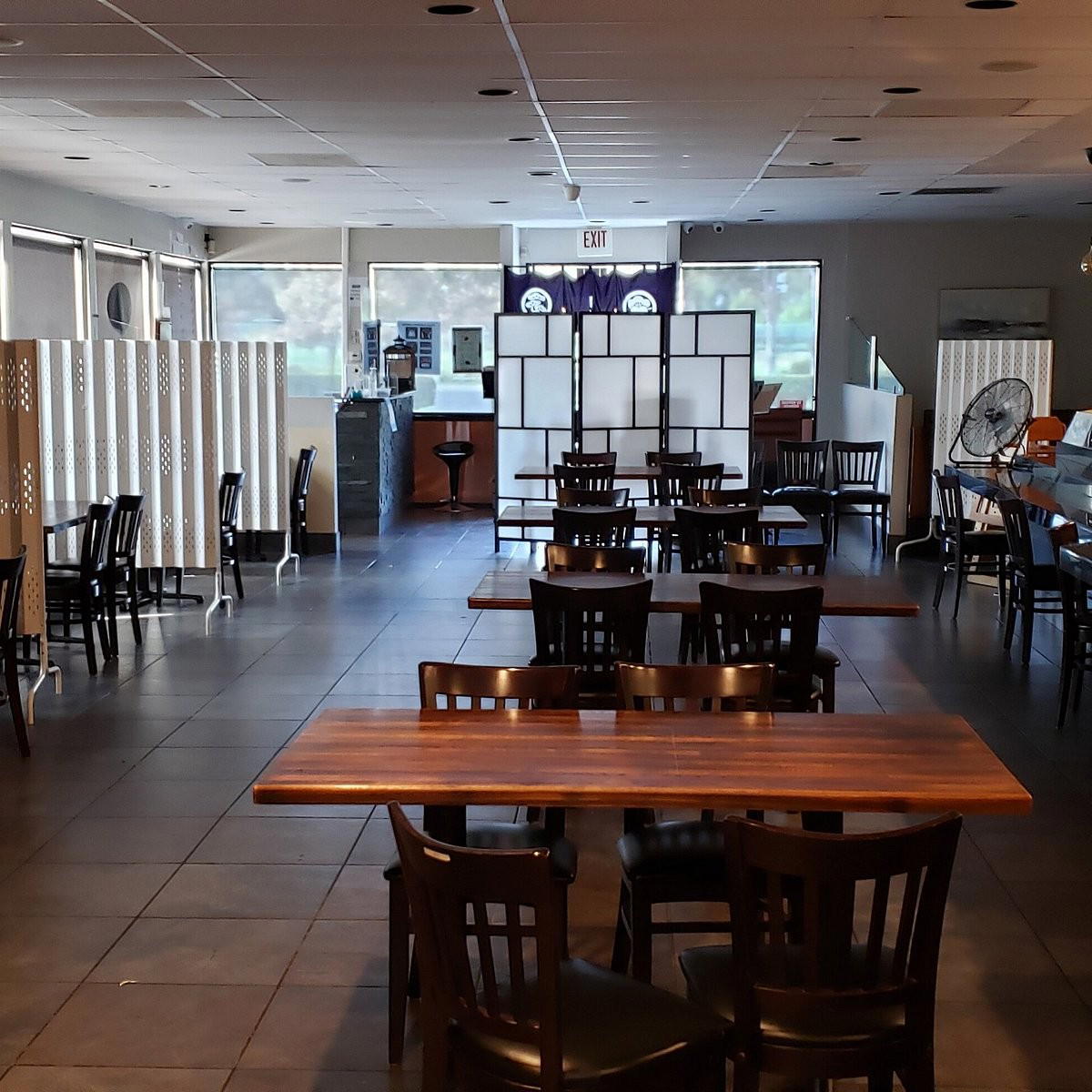
Hotels in Kagoshima
Browse all →
Wineries in Kagoshima
Browse all →
At a Glance
- Cozy
- Classic
- Intimate
- Date Night
- Group Dining
- After Work
- Casual Hangout
- Special Occasion
- Standalone
- Sake Program
- Natural Wine
- Beer Program
- Local Sourcing
- Natural Wine
Current opening hours
- Monday
- 5:30–9 PM
- Tuesday
- 5:30–9 PM
- Wednesday
- 5:30–9 PM
- Thursday
- 5:30–9 PM
- Friday
- 5:30–9 PM
- Saturday
- 5:30–9 PM
- Sunday
- 5:30–9 PM
Hours can change for holidays and private events. Last verified .
Traditional, quietly lively shabu-shabu dining room with warm service, where guests cook premium Kagoshima meats in refined dashi at the table and linger over shochu in a relaxed, unhurried setting.