Umbria
Umbria occupies a prominent address on Hanover Street in Boston's North End, positioning it inside among the more Italian-saturated dining corridors on the East Coast. The restaurant draws on the culinary traditions of its namesake Italian region, offering a reference point for Umbrian cooking within a neighbourhood that runs heavily toward Roman and Neapolitan conventions. For visitors working through the North End's dense dining options, it represents a geographically and culinarily specific choice.
Pearl is the En Primeur Club membership app — saves, bookings, and concierge access live there. Same editors, same standards.
- Address
- 250 Hanover St, Boston, MA 02113
- Phone
- +16178651265
- Website
- umbrianorthend.com
- Directions
- Get directions
 Saves & bookings on Pearl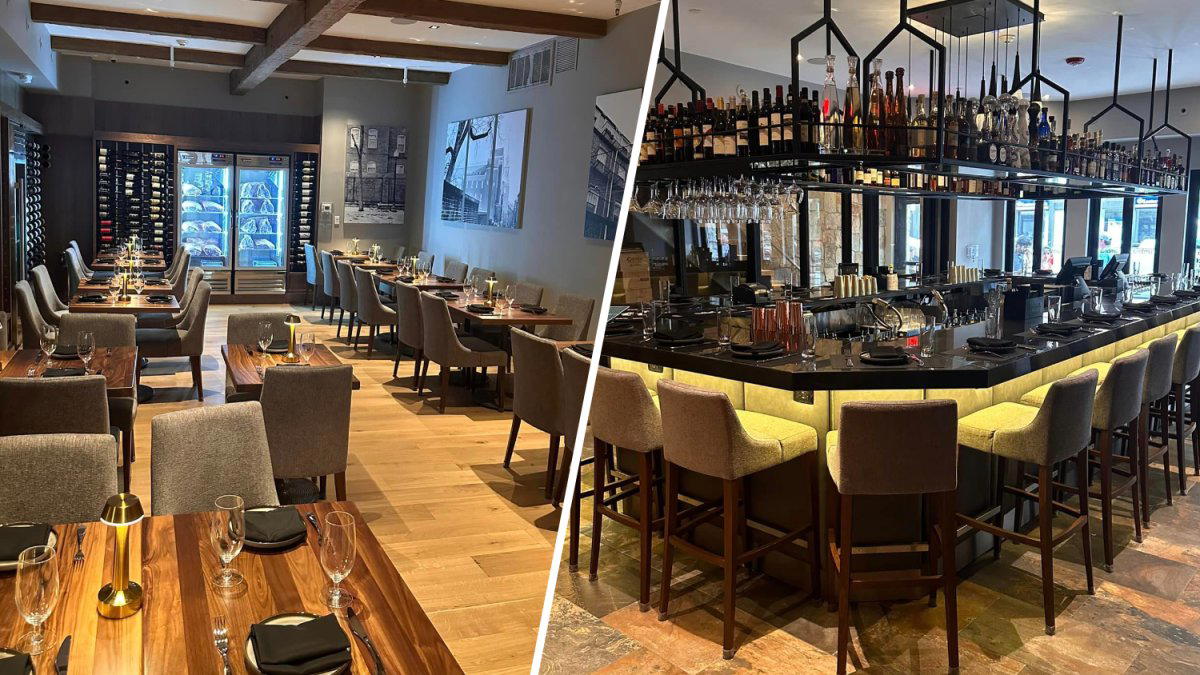
Hanover Street and the Weight of the North End
Boston's North End is among the more compressed Italian-American dining districts in the country. Along Hanover Street and its immediate side streets, the density of red-sauce trattorias, pastry counters, and wine bars is comparable to the Italian enclaves of New York's Belmont neighbourhood or the Federal Hill corridor in Providence. That density creates its own editorial challenge: within a neighbourhood where nearly every block offers a version of the same culinary story, the question worth asking is which establishments have carved out a distinct identity rather than simply occupying a familiar category.
Umbria, at 250 Hanover St, sits at the commercial heart of that corridor. Its address places it in direct proximity to the pedestrian traffic that defines the North End's character, particularly on evenings when the street fills with visitors moving between restaurants and the neighbourhood's historic sites. That physical context shapes how the restaurant functions. It is not a destination that requires effort to reach; it is one that a diner encounters, either by design or by the logic of walking Hanover Street itself. The decision, then, is whether it offers something the surrounding blocks do not.
Umbrian Cooking Inside a Neapolitan Neighbourhood
The restaurant takes its name from Umbria, the landlocked central Italian region whose culinary identity differs from the coastal and southern traditions that dominate the North End's kitchens. Umbrian cooking centres on cured meats, truffles, legumes, and game, with a weight and earthiness that separates it from the tomato-forward conventions of Campanian or Sicilian cooking. In a neighbourhood where Neapolitan-style pizza and Roman pasta preparations are the default reference points, a restaurant anchored to Umbrian tradition represents a structural departure, not merely a stylistic one.
Italian regional specificity is, in fact, a broader trend across American fine dining. Restaurants that once operated under the umbrella of generic "Italian" have increasingly narrowed their focus to particular provinces, producing a clearer editorial position and a more coherent menu logic. That pattern appears in different price tiers: from casual osterie to tasting-menu formats. For a Boston diner comparing options across the North End, the regional frame matters as context for what to expect on the plate.
The North End in the Context of Boston's Wider Dining Scene
Boston's restaurant geography has diversified considerably in the past decade. The Seaport District now anchors a cluster of higher-end seafood and steakhouse formats, with venues like 75 on Liberty Wharf and 1928 Rowes Wharf drawing diners away from the older Italian corridors. The city's more technically ambitious counters, including 311 Omakase and the Portuguese-inflected chef's counter format at Agosto, operate in a different register altogether, closer to the tasting-menu discipline found at Alinea in Chicago or Atomix in New York City than to a neighbourhood trattoria.
The North End, by contrast, has remained largely stable in its dining identity. It continues to attract visitors looking for a particular kind of Italian-American experience: recognisable formats, convivial room energy, and a sense of neighbourhood continuity that newer districts cannot replicate. That stability is both an asset and a constraint. Diners who arrive expecting the precision of The French Laundry or the sourcing rigour of Blue Hill at Stone Barns are looking at the wrong neighbourhood. Those who want a restaurant embedded in a living urban Italian quarter will find the North End a credible setting.
Within the North End itself, Umbria's positioning on Hanover Street places it alongside heavier foot traffic than the quieter side streets typically offer. That is a different experience from dining at a smaller room on a residential block, and it affects the ambient register of the meal.
Italian Fine Dining as a National Category
Italian cooking occupies an unusual space in American fine dining. At the summit of the market, it competes with French technique-led formats and multi-course tasting menus. Restaurants like Le Bernardin in New York City set a benchmark for how European culinary tradition translates at the highest American price tier. Italian restaurants that operate below that register but above the casual trattoria category occupy a middle tier that has proven commercially durable but editorially harder to define.
Regional Italian, when executed with clarity, sidesteps some of that definitional ambiguity. A kitchen organised around Umbrian sourcing and technique has a more legible identity than one offering a broad survey of Italian regions. That legibility matters to diners who value a clear regional frame. In that sense, a restaurant named for and organised around Umbria is making a positioning argument, whether or not the execution fully delivers on it. Comparable regional specificity appears in the way West Coast restaurants like Single Thread Farm in Healdsburg or Addison in San Diego anchor their menus to a specific geographic and sourcing logic.
Planning a Visit
Umbria is located at 250 Hanover Street in the North End, accessible on foot from the Haymarket MBTA stop and within a short walk of the waterfront. The North End operates on compressed street parking and heavy pedestrian flow on weekends, so arriving on foot or by public transit is the practical approach. For dining comparisons outside the Italian corridor, Abe and Louie's offers a steakhouse alternative in the Back Bay.
Boston's North End sits at a different point on the formality and ambition curve than Italian fine dining in New York, Chicago, or the broader fine-dining circuit. The North End's value is neighbourhood character and density of options, not tasting-menu ambition.
The Minimal Set
Comparable venues nearby, for context on price, style, and recognition.
| Venue | Cuisine | Price | Notes |
|---|---|---|---|
| UmbriaThis venue — the venue you are viewing | North End, Italian Steakhouse | $$$$ | Not listed |
| TABLE | Not listed | $$$$ | North End, Authentic Italian Family-Style |
| Venezia Restaurant | Dorchester, Classic Italian Waterfront | $$$$ | Not listed |
| casarecce | North End, Rustic Italian Pasta | $$$ | Not listed |
| Euno | Not listed | $$$ | North End, Authentic Sicilian & Mediterranean |
| The Red Fox | North End, Classic Italian-American | $$$ | Not listed |
Continue exploring
More in Boston
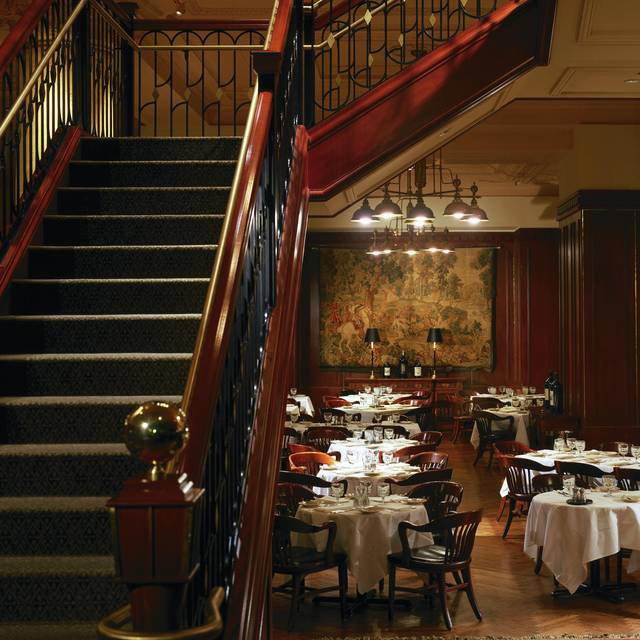
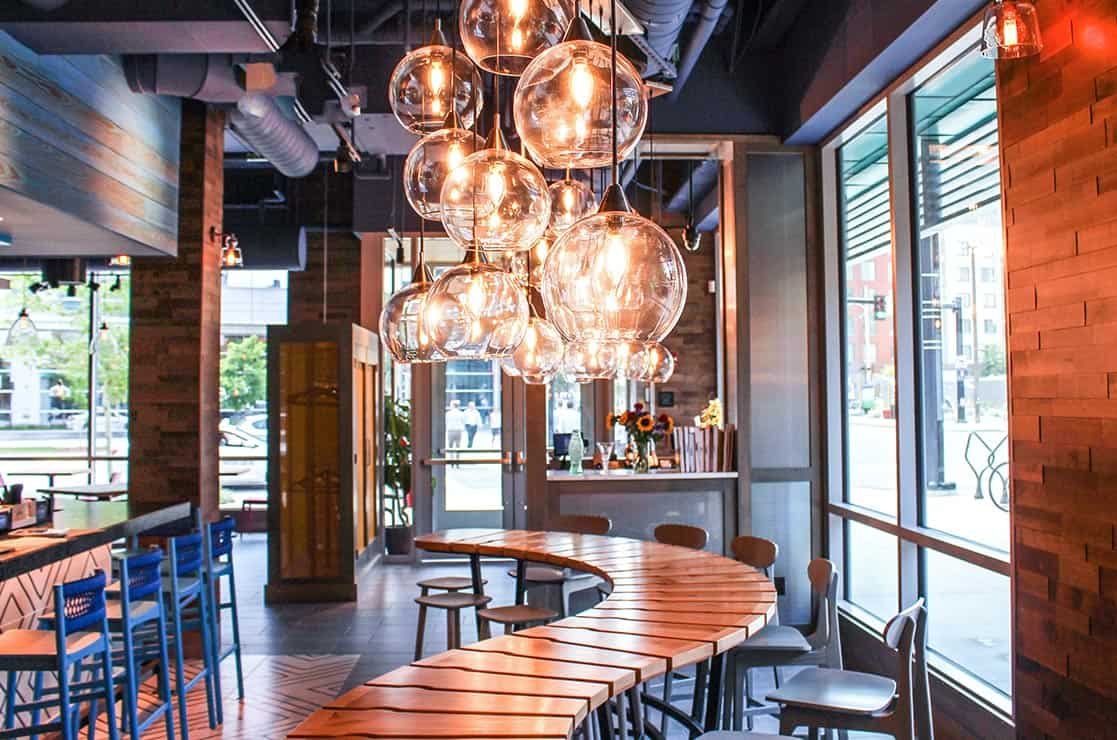
Restaurants in Boston
Browse all →
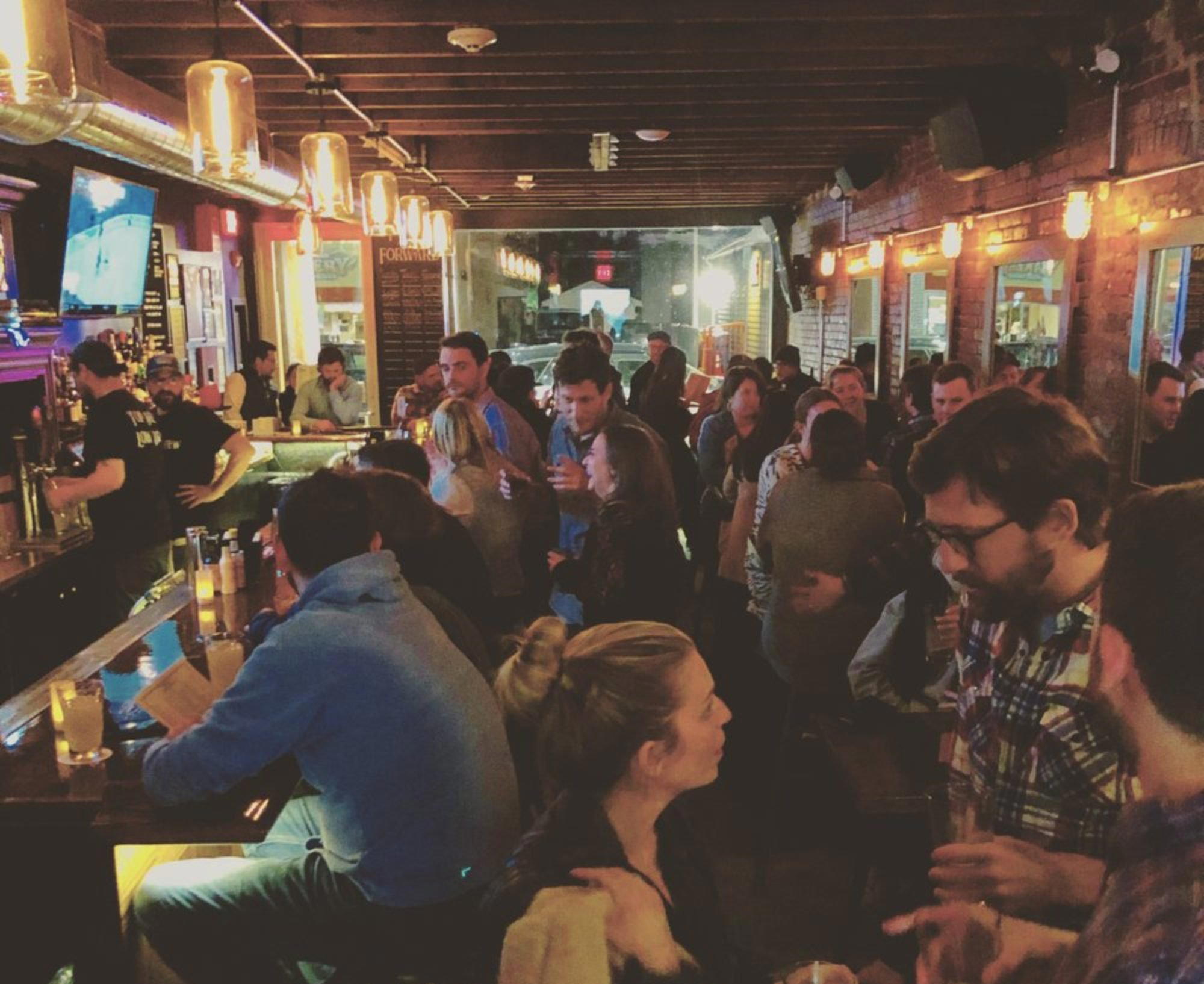
Bars in Boston
Browse all →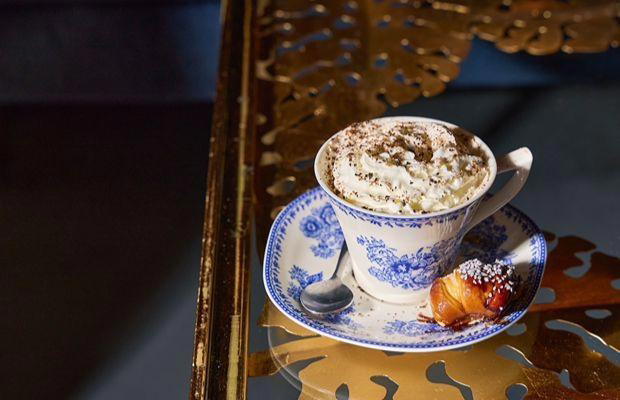
Hotels in Boston
Browse all →
Wineries in Boston
Browse all →
At a Glance
- Rustic
- Elegant
- Classic
- Date Night
- Special Occasion
- Business Dinner
- Rooftop
- Extensive Wine List
- Craft Cocktails
- Street Scene
Current opening hours
- Monday
- 4 PM–1 AM
- Tuesday
- 4 PM–1 AM
- Wednesday
- 4 PM–1 AM
- Thursday
- 4 PM–1 AM
- Friday
- 4 PM–1 AM
- Saturday
- 4 PM–1 AM
- Sunday
- 4 PM–1 AM
Hours can change for holidays and private events. Last verified .
Sophisticated and pretty dining rooms blending classic Italian steakhouse elegance with modern twists.