Umai Yakiniku's Wenxin Road location sits in Taichung's Nantun District, where the city's appetite for Japanese-style grilled meat has produced a competitive cluster of yakiniku venues. The branch draws regulars from the surrounding residential and commercial corridors, operating in a category where tableside grilling ritual and meat sourcing carry more weight than décor gestures.
Pearl is the En Primeur Club membership app — saves, bookings, and concierge access live there. Same editors, same standards.
- Address
- No. 436號, Section 1, Wenxin Rd, Nantun District, Taichung City, Taiwan 408
- Phone
- +886423106699
- Website
- umai.tw
- Directions
- Get directions
 Saves & bookings on Pearl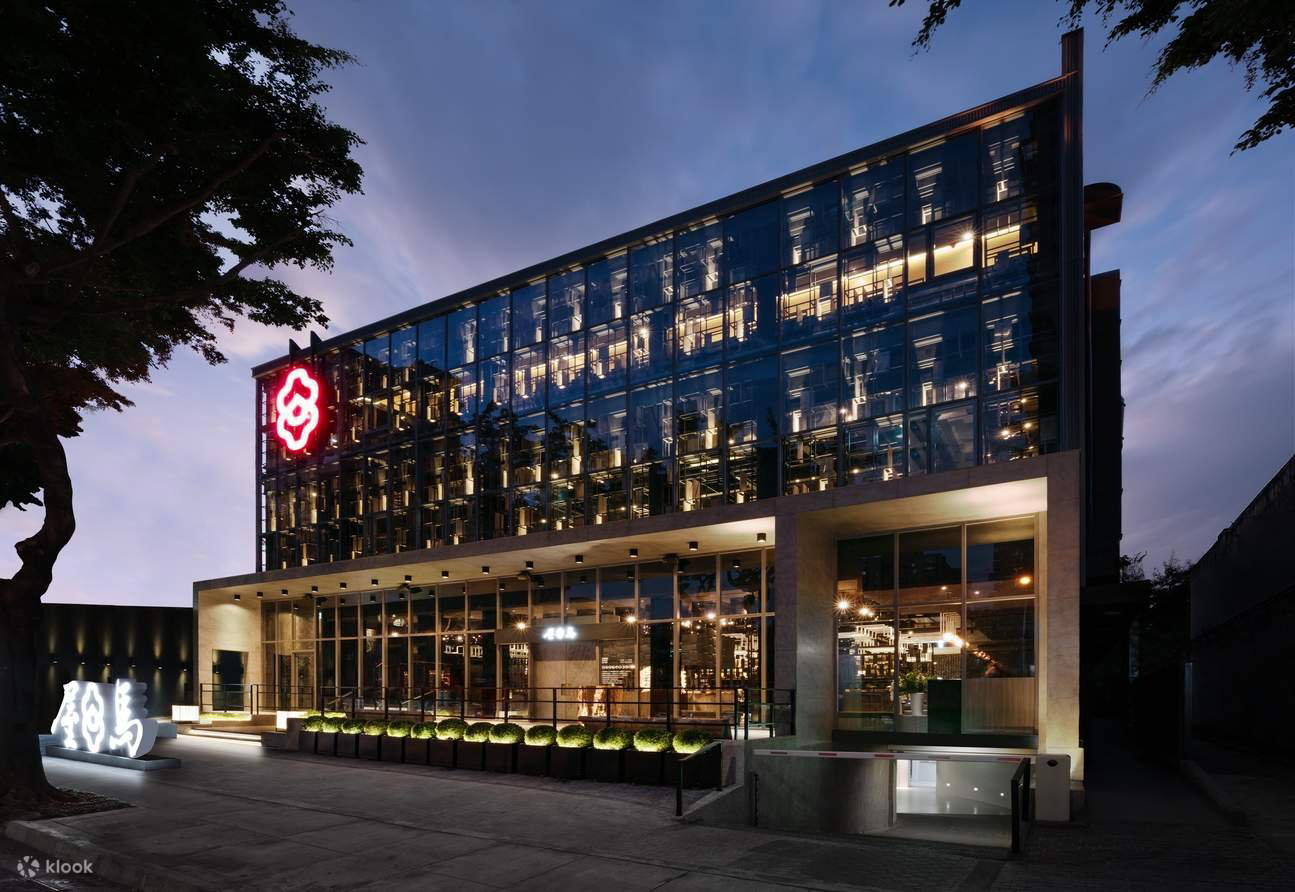
Yakiniku in Taichung: The Nantun Context
Taichung's yakiniku scene has developed along a different axis than Taipei's. Where the capital concentrates premium grilled-meat concepts around Xinyi and Da'an, Taichung distributes them across neighbourhood corridors, Wenxin Road being one of the denser ones. The stretch through Nantun District carries a mix of Japanese-influenced dining formats that reflect the city's sustained affinity for East Asian food culture, and yakiniku sits near the centre of that. Umai Yakiniku's Wenxin Branch occupies that corridor, drawing from a catchment that includes both office workers and residential regulars who treat the format as a midweek ritual rather than a special-occasion spend.
The Yakiniku Format and What It Demands
Yakiniku, as it has evolved in Taiwan, borrows the Japanese tableside-grilling structure but applies it through a distinctly local lens on value, pacing, and meat variety. In Japan's higher-tier yakiniku rooms, the kind that price individual cuts at multiples of a full Taiwanese set menu, the experience is modulated by a front-of-house team that times service, controls grill temperature, and sometimes grills on your behalf. That model rarely transfers wholesale to Taiwan's dining culture, where the expectation leans toward guest autonomy at the grill and a wider spread of cuts at accessible price points.
What this means in practice is that the quality of a yakiniku operation gets assessed less on the theatrics of tableside service and more on the internal coordination between kitchen sourcing, grill management, and the rhythm of how plates arrive at the table. The team dynamic, how the floor staff read table pace, how quickly replenishment happens, and whether someone is monitoring grill conditions before they deteriorate, separates the venues that feel polished from those that plateau at functional. This is where yakiniku differs from more passive dining formats: the front-of-house role is active and ongoing through the meal, not front-loaded at the point of seating. Venues like Abura Yakiniku in Taichung operate in a comparable register, and the comparison is instructive for understanding what the category's baseline expectations look like locally.
Wenxin Road and the Surrounding Dining Cluster
The Wenxin Road corridor in Nantun has accumulated enough dining density that regulars navigate it by format rather than by individual venue. Japanese concepts, ramen, izakaya, yakiniku, share the strip with Taiwanese staples and café formats. Among the latter, cafe crotchet represents the area's appetite for neighbourhood anchors that sit outside obvious categories. For something more classically Taiwanese, A Kun Mian and DIN YUE RESTAURANT each reflect different ends of the local dining spectrum. Burger Joint fills out the casual international tier. The point is that Umai's Wenxin Branch is not operating in isolation, it sits inside a competitive cluster where regulars have clear alternatives, which sharpens the operational standard required to maintain repeat business.
Where Umai Wenxin Sits in the Taichung Yakiniku Tier
Taichung's yakiniku offerings span a range from all-you-can-eat formats targeting high-volume throughput to single-origin wagyu counters positioned at the premium end. Umai positions itself as a multi-location operation, with the Zhonggang Branch serving as a comparison point for how the brand scales across different neighbourhood contexts. Multi-branch yakiniku groups in Taiwan face a consistency challenge that single-site operators avoid: replicating the same sourcing standards, grill quality, and service rhythm across locations requires a more formalised internal structure than most neighbourhood independents maintain.
For travellers building a broader Taiwan dining itinerary, the reference points extend well beyond Taichung. JL Studio in Taichung represents the city's highest-profile fine dining register, while logy in Taipei and GEN in Kaohsiung anchor the island's formal dining conversation. Further south, A Xia in Tainan draws on a different culinary tradition entirely. These are not direct competitors to a Nantun yakiniku branch, but they calibrate the reader's sense of where different spending thresholds and format expectations sit across Taiwan's dining geography. Internationally, venues like Le Bernardin in New York City and Atomix in New York City set benchmarks for what service team coordination looks like at the highest tier, a useful frame for understanding why front-of-house choreography matters even in casual grilling formats.
Reading the Room: Front-of-House in a Grilling Format
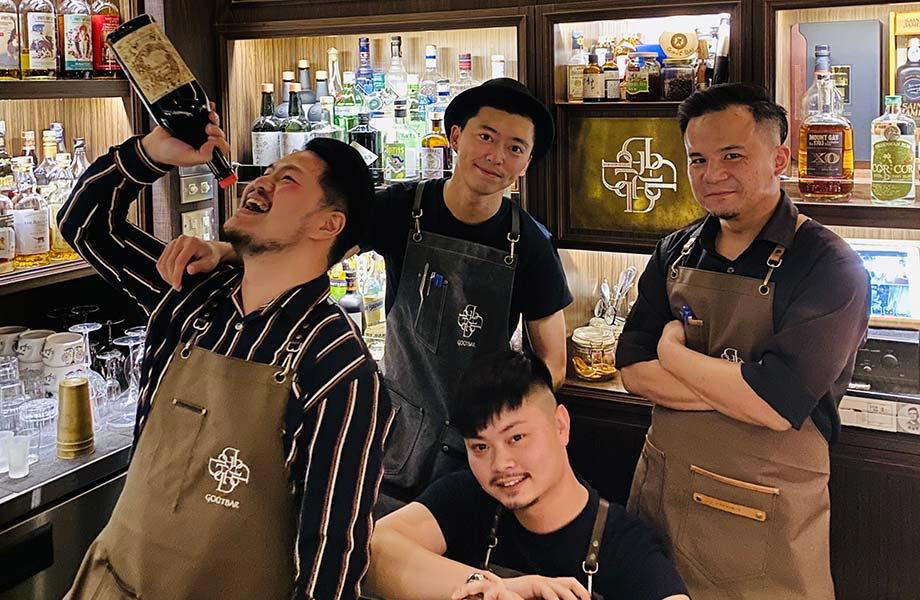
The editorial angle worth pressing on here is team dynamics, because yakiniku is the format where the distinction between good and forgettable service is most legible in real time. In tasting-menu formats, a misstep in pacing can be absorbed across a long meal. At a grill table, the feedback loop is immediate: meat that arrives too fast before the previous round is finished, a grill grate that goes unattended past its useful life, a water glass that empties without notice, these are not abstract service failures but visible disruptions to the central activity of the meal. The front-of-house team in a functioning yakiniku operation is essentially managing a cooking process on behalf of guests who may or may not know optimal grill temperatures for different cuts.
Taiwan's yakiniku culture has generally trended toward greater floor attentiveness over the past decade, partly in response to the premium positioning of Japanese import concepts that raised the category's baseline expectation. Whether that shift has filtered evenly across neighbourhood-tier operations like the Wenxin Branch is harder to assess without current operational data, but the structural question, how well does the team read table rhythm and grill status, is the right lens for evaluating any venue in this format.
For other dining formats worth considering in the broader Taiwan context, å»å£é´¨é¦é£¯ in Hsinchu City, åºå°äºé¯è飯 in Sanchong District, GARDENh in Yonghe District, Volcanic rock in Zhubei City, Chenggong Douhua in Chenggong, and æåç²é£ in Hengshan each represent different facets of the island's dining range.
Planning a Visit
Umai Yakiniku's Wenxin Branch is located at No. 436, Section 1, Wenxin Road, Nantun District, Taichung City. As with most neighbourhood yakiniku operations in Taichung, weekend evenings attract the highest table turnover, and visiting on a weekday allows more settled pacing. Reservations are recommended, and the branch is open daily from 11 AM to 12 AM. The address is No. 436號, Section 1, Wenxin Rd, Nantun District, Taichung City, Taiwan 408.
Cost and Credentials
Comparable venues nearby, for context on price, style, and recognition.
| Venue | Cuisine | Price | Awards | Notes |
|---|---|---|---|---|
| Umai Yakiniku Wenxin BranchThis venue — the venue you are viewing | Daye, Japanese Yakiniku | $$$ | Not listed | Not listed |
| 響海鮮 | Not listed | $$$ | Not listed | Chaoyang, Modern Japanese Seafood Omakase |
| Abura Yakiniku | Jilong, Japanese Yakiniku | $$$ | Not listed | Not listed |
| UNA-VERSE | Not listed | $$$ | Not listed | Wenxin, Modern Taiwanese-French Dessert Tasting |
| 春日宴 粵菜喜宴 | Songzhu, Traditional Japanese Kaiseki | $$$ | Not listed | Not listed |
| Torien Yakitori | Gongping, Authentic Japanese Yakitori | $$$ | Michelin Plate | Not listed |
At a Glance
- Lively
- Cozy
- Group Dining
- Family
- Celebration
- Casual Hangout
- Open Kitchen
- Sake Program
Current opening hours
- Monday
- 11 AM–12 AM
- Tuesday
- 11 AM–12 AM
- Wednesday
- 11 AM–12 AM
- Thursday
- 11 AM–12 AM
- Friday
- 11 AM–12 AM
- Saturday
- 11 AM–12 AM
- Sunday
- 11 AM–12 AM
Hours can change for holidays and private events. Last verified .
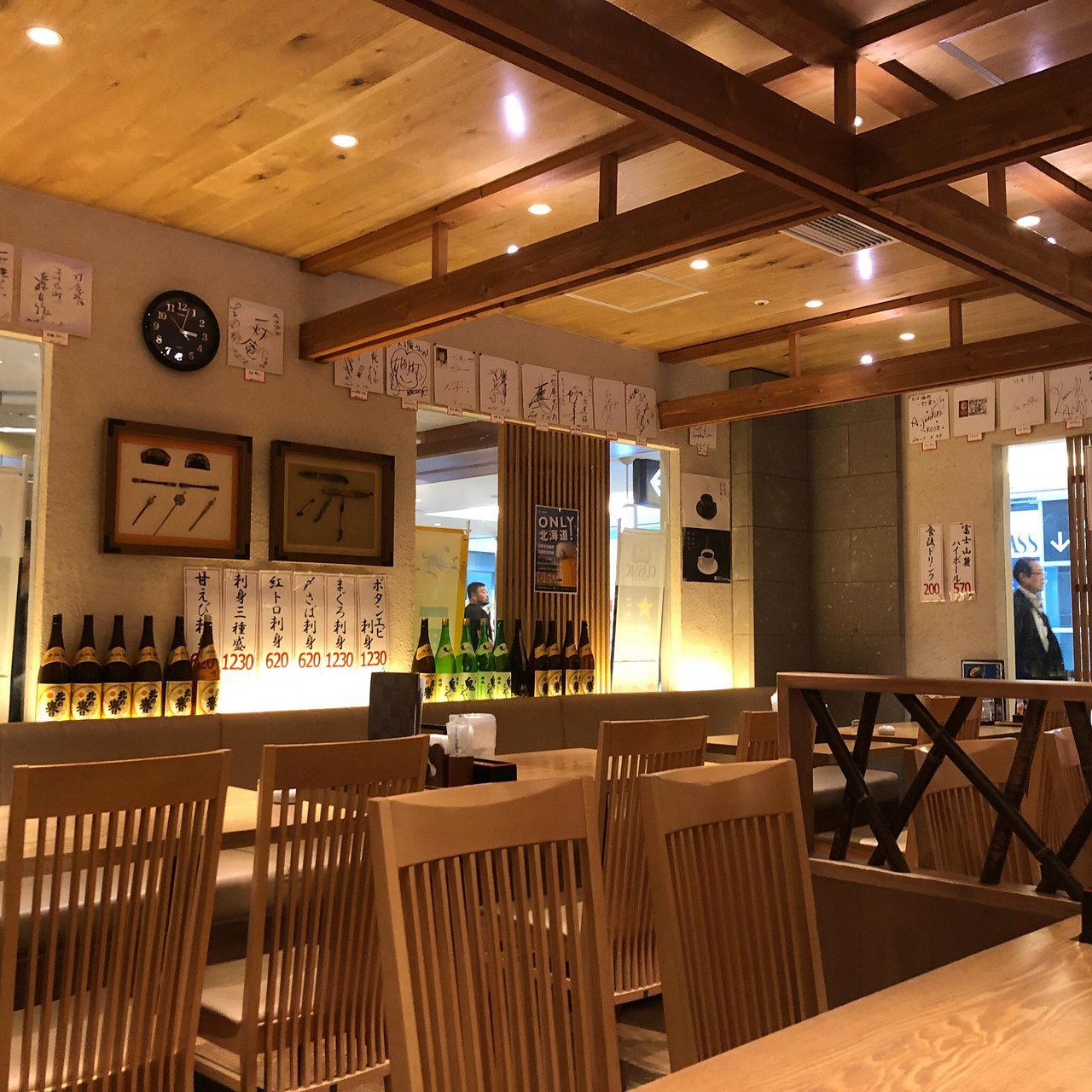
Lively and relaxed atmosphere with attentive service in a casual, comfortable space.