
Osaka’s udon culture is often judged by texture, broth discipline, and how well a small shop handles repeat local demand. Udon to Osake Karahori Kinugawa belongs to the serious end of that conversation, with Tabelog Udon WEST 100 selections in 2022 and 2024 and a compact format that suits solo diners as much as small groups.
Pearl is the En Primeur Club membership app — saves, bookings, and concierge access live there. Same editors, same standards.
- Address
- 大阪府大阪市中央区谷町7-6-35
- Phone
- +81667617744
- Website
- ameblo.jp
 Saves & bookings on Pearl
Karahori has a different tempo from the station-front eating districts that dominate many Osaka itineraries. The approach is lower-slung and more residential: old shopping-street rhythms, narrow plots, and small dining rooms where the meal is measured less by spectacle than by whether the noodles justify the queue. In that setting, Udon to Osake Karahori Kinugawa reads as part of a particular Osaka tradition: everyday food treated with enough seriousness to earn repeat scrutiny.
Udon in western Japan is not a single style so much as a set of expectations. Osaka and the Kansai region tend to prize balance over force: wheat, broth, seasoning, and temperature need to sit in proportion. The city’s stronger dining identity may travel through okonomiyaki, kushikatsu, and late-night counter drinking, but its noodle shops reveal a quieter local standard. Selection for the Tabelog Udon WEST 100 in 2022 and 2024 places this address inside that specialist tier, where the benchmark is not luxury but consistency under everyday conditions.
Karahori's udon lane has moved from neighborhood utility to specialist dining
The restaurant’s own evolution matters because it mirrors a wider shift in Osaka casual dining. A shop that moved from Furukawabashi into Karahori is no longer just serving a station catchment; it is now part of a district increasingly read by diners as a slower alternative to Namba, Umeda, and Shinsaibashi. Karahori’s appeal is not isolation. It is the way small food businesses sit among older streets without being flattened into a tourist circuit.
That context changes how to read the menu categories. Udon, curry udon, and oden point to a format that can work across lunch, dinner, and drinking occasions rather than a single tasting-menu narrative. Sake matters here as a signal, too. In Osaka, udon shops that take nihonshu seriously occupy a useful middle ground between noodle counter and izakaya, allowing a simple bowl to become part of an evening rather than a rushed refuel.
The competitive set around Karahori reinforces that point. Kyu Yam Tei Karahori ten operates in the same broad neighborhood price conversation, while nearby Japanese and Italian addresses such as Kirari, il Centrino, and DELI a Casa show how compact Osaka dining often rewards specificity over scale. This is not the city’s grand-room version of hospitality. It is a map of small formats, each asking diners to understand what the room is built to do.
The signal is texture, restraint, and a room scaled for repeat diners
At udon shops with national recognition, the critical question is usually not invention. It is whether the fundamentals hold: noodle texture, broth clarity, curry balance, and pacing in a small room. The Tabelog 100 recognition is useful because it filters for category credibility rather than general fame. A score of 3.71 on Tabelog sits in a competitive band for a focused udon specialist, particularly in a city where noodle opinions are granular and local.
The room’s scale supports that reading. With 17 seats, including table seating and a small counter, the format is closer to neighborhood craft than high-capacity noodle hall. That matters for travelers because small Kansai specialists often reward flexible timing and modest expectations about ceremony. The appeal is not a long performance. It is a concise meal where udon can carry the argument without luxury signposting.
The sake-and-oden axis gives the restaurant a second identity after the lunch rush. Oden has a natural affinity with restrained drinking: simmered, warming, and built for incremental ordering. Paired with udon, it places the shop in a lineage of Osaka comfort food that is more adult than nostalgic. The decision point is simple: go for noodle focus, or treat it as a compact dinner built around udon, oden, and sake.
For readers building a wider Osaka itinerary, this is the kind of address that should be understood alongside the city’s category specialists rather than its headline restaurants. A bakery such as 52CHO-ME BAKERY, a casual institution like 551 Horai (551蓬莱), and tightly focused kitchens such as 99 Pizza Napoletana Gourmet or a canto (Italian) all point to the same Osaka truth: the city is at its strongest when the format is legible and the specialty is narrow.
How to place it in an Osaka food day
This is not a venue that needs to dominate an itinerary. It works better as a precise Karahori anchor, especially for travelers who want Osaka’s food culture beyond the neon shorthand. Pair the area with a coffee stop such as .cafe, then use the meal to understand how the city’s everyday dishes become serious without becoming formal.
Osaka rewards this style of planning: one specialist meal, one neighborhood walk, and a second stop in another category. For broader mapping, use Our full Osaka restaurants guide for dining, Our full Osaka bars guide for drinking, Our full Osaka hotels guide for where to stay, Our full Osaka experiences guide for cultural planning, and Our full Osaka wineries guide if the trip extends into wine-focused stops.
in Sapporo.know in Kumamoto, (Shoku) Vietnam in Kawasaki. 鮪と炭火焼き うお炭 秋葉原店 in Tokyo, and -Grilled beef Sukiyaki- KAMAKURA TANUKIAN 鎌倉 たぬき庵 in Kamakura. Overseas, Japanese drinking and comfort-food formats take different shapes at Jōdo Saké Bar in Los Angeles and Onigiri Time in Pasadena, but the underlying appeal is similar: narrow focus, clear identity, and a meal that does not need grand staging to make its point.
Comparison Snapshot
Comparable venues side-by-side for orientation.
| Venue | Cuisine | Price | Notes |
|---|---|---|---|
| Udon to Osake Karahori KinugawaThis venue — the venue you are viewing | Udon and Sake | $$ | Not listed |
| カドヤ食堂 本店 | Classic Osaka Chuukasoba Ramen | $$ | Nishi-Ku / Nishi-Nagahori |
| Yakiyaki Okamoto | Teppanyaki & Okonomiyaki | $$ | Tennōji |
| Stand Tsumamigui | Standing Japanese izakaya & curry bar | $$ | Naniwa |
| Miyabi Tei | Japanese Teppanyaki | $$ | Kita |
| Onomichi Murakami | Japanese Teppan-Yaki / Okonomiyaki | $$ | Kita |
Recognition history
Dated appearances from independent guides and award organizations, with the underlying list record or original source where available.
Tabelog 100 #9 · No. 9
Tabelog · Tabelog 100 - Udon - WEST - 2024
Continue exploring
More in Osaka
Restaurants in Osaka
Browse all →




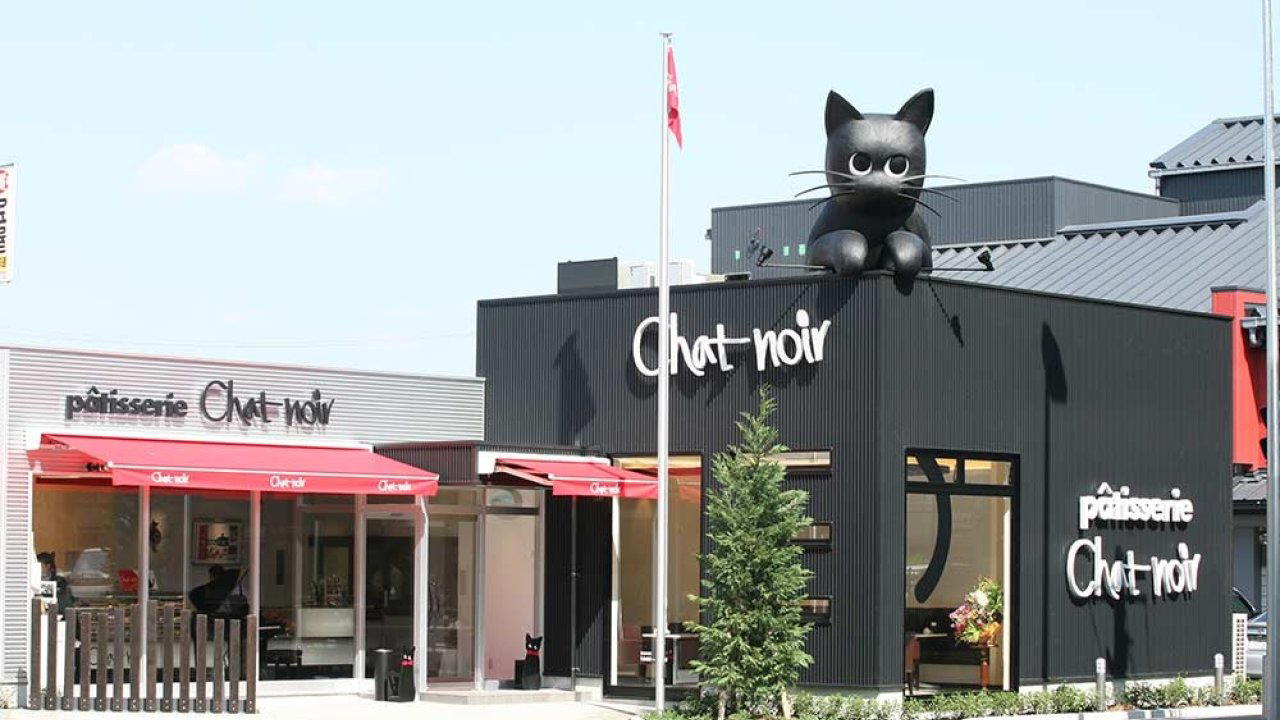
Bars in Osaka
Browse all →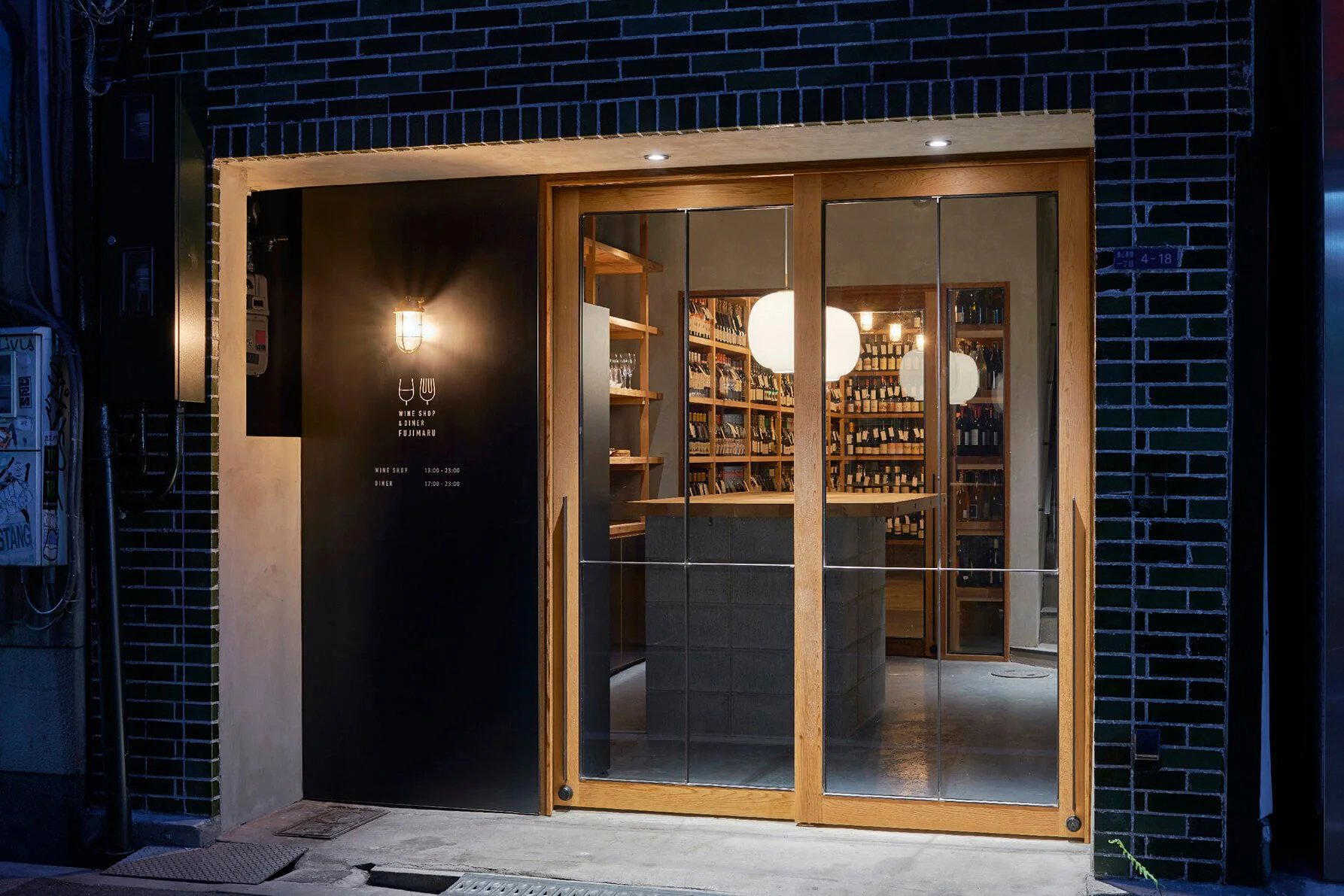

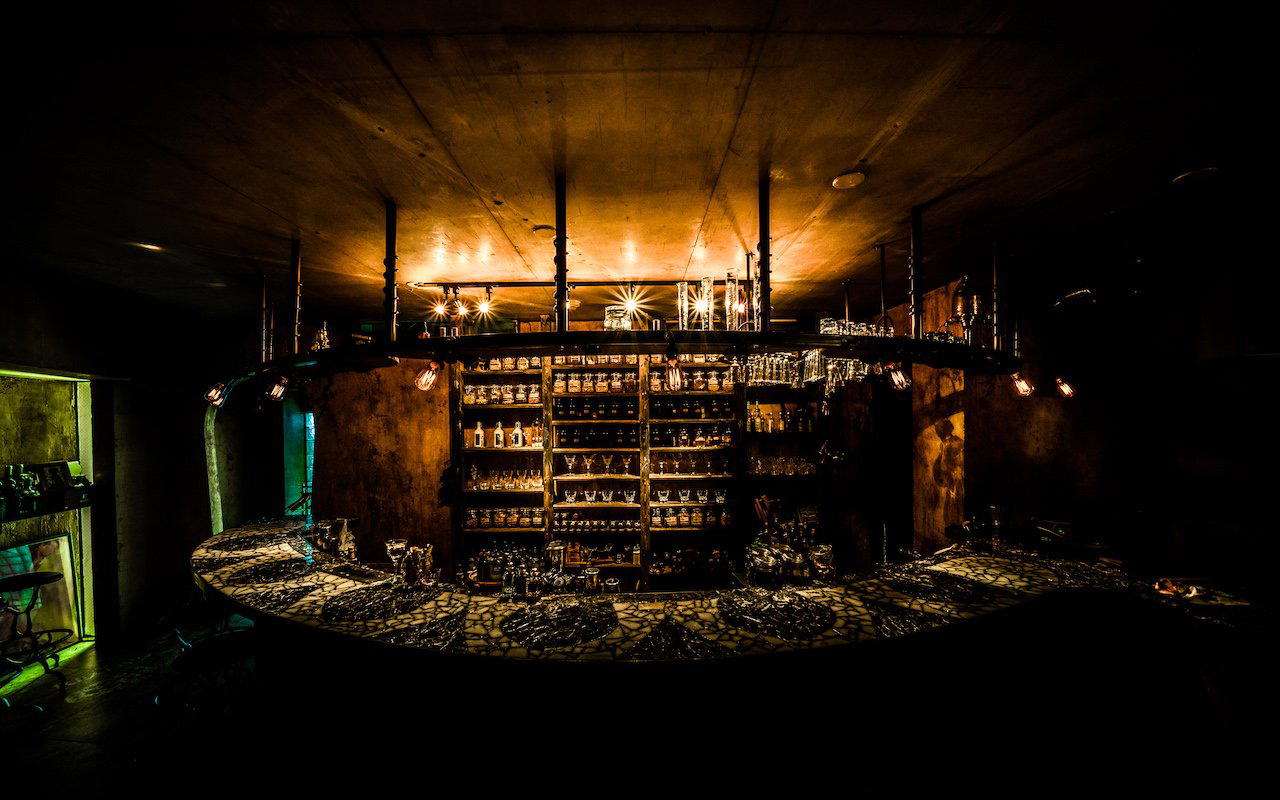

Hotels in Osaka
Browse all →
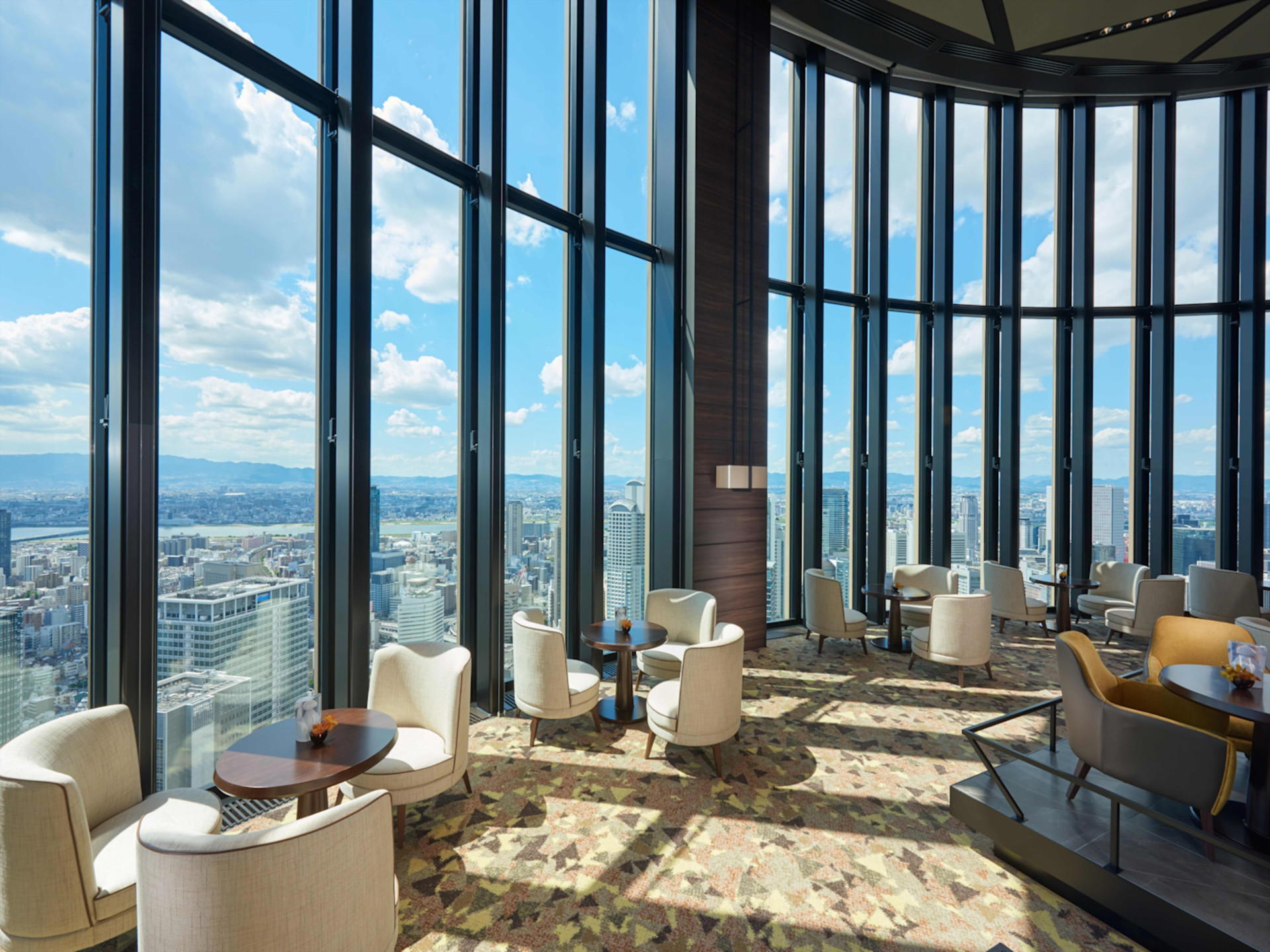



Wineries in Osaka
Browse all →
At a Glance
- Cozy
- Classic
- Solo
- Casual Hangout
- After Work
- Standalone
- Sake Program
A compact 17-seat udon shop tucked inside the traditional Karahori shopping street, with a warm, low-key atmosphere that feels like a classic local eatery where guests linger over bowls of noodles and sake rather than a quick commuter stop.