
Osaka’s tachinomi culture rewards speed, economy, and sharp menu editing, and Stand Tsumamigui sits in that conversation with Tabelog 100 Tachinomi 2025 recognition. The format crosses stand-up bar, izakaya, and curry, making it a Namba counter for drinkers who read a short menu as a point of view rather than a constraint.
Pearl is the En Primeur Club membership app — saves, bookings, and concierge access live there. Same editors, same standards.
- Address
- 大阪府大阪市浪速区難波中3-3-10 ナンバ清水ビル 1F
- Website
- tabelog.com
 Saves & bookings on Pearl
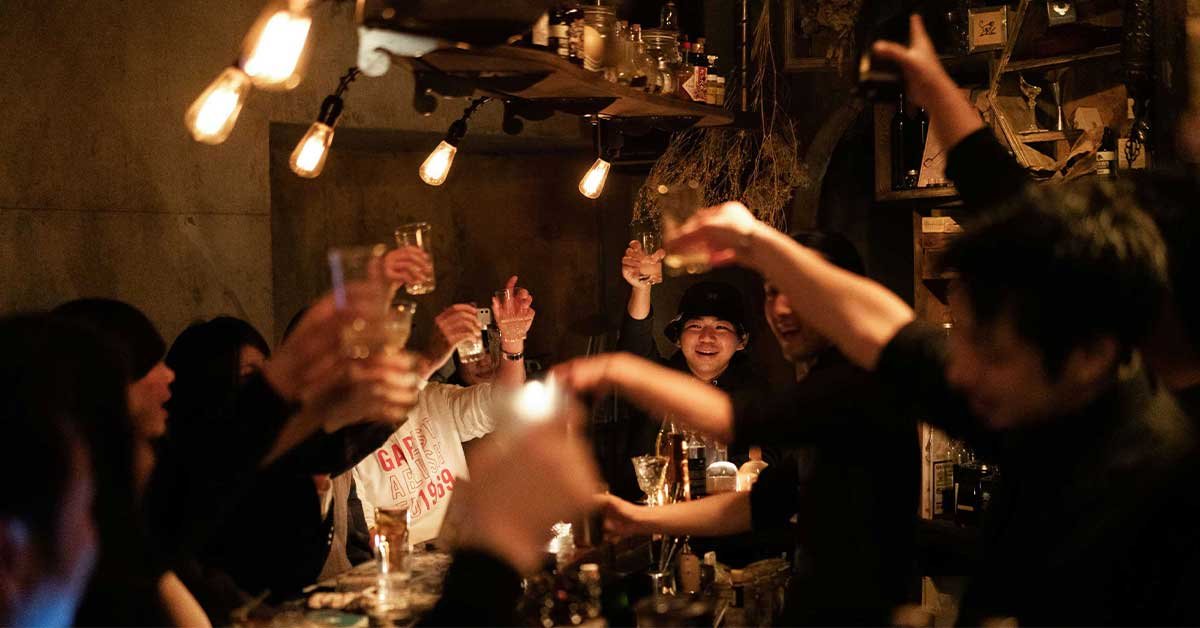
In Namba, the stand-up counter is not a compromise version of dinner. It is a separate grammar: close quarters, fast decisions, small plates built for drinking, and a bill that usually stays below the city’s formal kappo and sushi rooms. Stand Tsumamigui belongs to that Osaka lineage, where the room matters less as theater than as pressure. A compact standing format forces the menu to declare itself quickly, and here the categories tell the story before any plate arrives: tachinomi, izakaya, curry.
That combination says a great deal about contemporary Osaka drinking. Tachinomi has always been democratic, but the stronger modern examples are not merely cheap places to linger with beer. They edit. They understand pacing. They give enough food structure for a proper stop without turning the counter into a full-service restaurant. Tabelog’s Tachinomi 100 selection for 2025 places this address in a national conversation around stand-up drinking rooms, a category that can be easy to underestimate from the outside because its craft is measured in compression rather than ceremony.
A standing counter where the menu does the editing
The useful way to read this place is through menu architecture. Izakaya cooking gives the format range, curry gives it ballast, and the stand-up bar frame keeps the experience clipped and social. In Osaka, that balance matters. The city has deep traditions of snack-led drinking, from kushikatsu circuits to neighbourhood sake counters, but Namba’s centrality brings a sharper turnover and a mixed crowd of office workers, late shoppers, and visitors moving between stations and entertainment blocks.
Against that background, a tachinomi counter with curry in its identity occupies an interesting middle lane. Curry is not just a lunch staple in Japan; it can act as a closing argument after alcohol, a practical anchor when small plates alone feel too scattered. The format therefore reads less like a bar with incidental food and more like a drinking room with a defined appetite curve. That is the distinction worth noticing.
Compared with Osaka peers in the same standing-drink orbit, the positioning is relatively disciplined. Tachinomi Tekken sits in a lower dinner budget band, while Tahei aligns closer on spend. RUGGERI appears at the snack-price edge of the field. Stand Tsumamigui’s appeal is not that it replaces those choices, but that it occupies a more food-forward part of the tachinomi spectrum, with izakaya breadth and curry as a structural signal rather than a novelty.
Why Namba is the right setting for this style
Namba suits this kind of room because the district rewards short, decisive meals. The area around Nankai Namba and Namba Station is built for movement: department stores, underground passages, comedy theaters, shopping arcades, and late-night eating streets sit close enough that a full evening can fracture into several stops. Tachinomi fits that geography because it does not ask the diner to surrender the night to one table.
Osaka’s stronger casual counters also resist the false divide between serious and informal. A standing bar can be technically modest and culturally precise at the same time. The recognition from Tabelog’s 2025 tachinomi list is useful because it names the category on its own terms, not as a consolation prize beneath fine dining. For travelers used to reservation-led meals, that shift in expectation is the point: the value is in fluency, not polish.
There is also a practical hierarchy to how this stop fits into a city itinerary, even without treating it as a logistics exercise. It makes more sense as part of a Namba evening than as a destination dragged across town from northern Osaka. Pair it with other casual food stops, a bar crawl, or a post-shopping meal, and the format works as intended. Force it to behave like a long dinner reservation and the appeal becomes harder to read.
How to place it inside an Osaka food day
For a broader Osaka plan, this is the sort of address that benefits from contrast. Morning and afternoon can lean bakery, coffee, or department-store eating before the evening tightens into counters and bars. Readers building that rhythm might compare the city’s range through .cafe, 52CHO-ME BAKERY, 551 Horai (551蓬莱), 99 Pizza Napoletana Gourmet, and a canto (Italian). The point is not to rank them against a tachinomi counter, but to see how Osaka moves between speed, specialization, and appetite.
The same logic applies beyond restaurants. The city is easier to understand when food, hotels, bars, and cultural time are planned together rather than as separate checklists. Use Our full Osaka restaurants guide, Our full Osaka hotels guide, Our full Osaka bars guide, Our full Osaka wineries guide, and Our full Osaka experiences guide to map that wider rhythm.
For readers comparing Japanese casual formats across cities, the category also travels in revealing ways. Beef sukiyaki in Kamakura, charcoal tuna in Tokyo, curry in Sapporo, sake-bar dining in Los Angeles, and onigiri in Pasadena each show how narrow formats can carry serious editorial weight. See -Grilled beef Sukiyaki- KAMAKURA TANUKIAN 鎌倉 たぬき庵 in Kamakura. 鮪と炭火焼き うお炭 秋葉原店 in Tokyo.know in Kumamoto, (Shoku) Vietnam in Kawasaki, [Curry Senmon Ten] Maruyama Kyoju. in Sapporo, [ki:] in Kyoto, Jōdo Saké Bar in Los Angeles, and Onigiri Time in Pasadena.
The editorial read is clear: Stand Tsumamigui is for diners who understand that Osaka’s casual food culture is not a warm-up act. The stand-up format compresses the night, the izakaya frame keeps choices flexible, and the curry element gives the menu a firmer spine than many drinking counters attempt. Within Namba, that makes it a sharp, category-specific stop rather than a generic prelude to dinner.
- assorted curry
- gyudon
- sashimi
- ramen
- oden
- bagels
Comparison Snapshot
Comparable venues to anchor price and recognition.
| Venue | Cuisine | Price | Notes |
|---|---|---|---|
| Stand TsumamiguiThis venue — the venue you are viewing | Standing Japanese izakaya & curry bar | $$ | Not listed |
| Okonomi Tamachan Viva | Okonomiyaki, Teppanyaki & Korean Izakaya | $$ | Nishi |
| Okonomiyaki Omoni Honten | Osaka okonomiyaki house-restaurant | $$ | Ikuno |
| Ginza Kagari Ruku a oosaka ten | Modern Japanese Ramen | $$ | Kita |
| Tsukiro | Japanese Udon | $$ | Nishinari |
| Gomenne JIRO | Yoshoku (Japanese-style Western cuisine) bistro | $$ | Kita |
Recognition history
Dated appearances from independent guides and award organizations, with the underlying list record or original source where available.
Tabelog 100 #23 · No. 23
Tabelog · Tabelog 100 - Tachinomi - 2025
Continue exploring
More in Osaka
Restaurants in Osaka
Browse all →




Bars in Osaka
Browse all →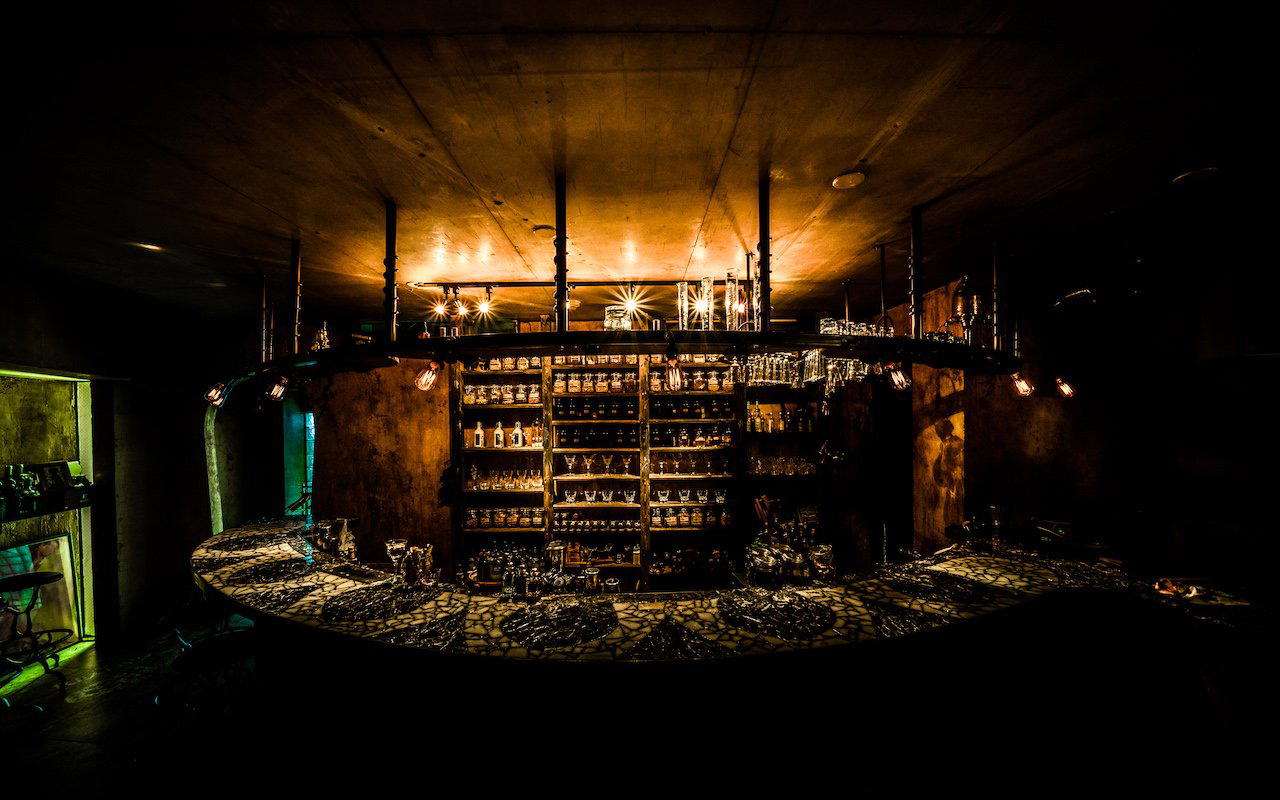
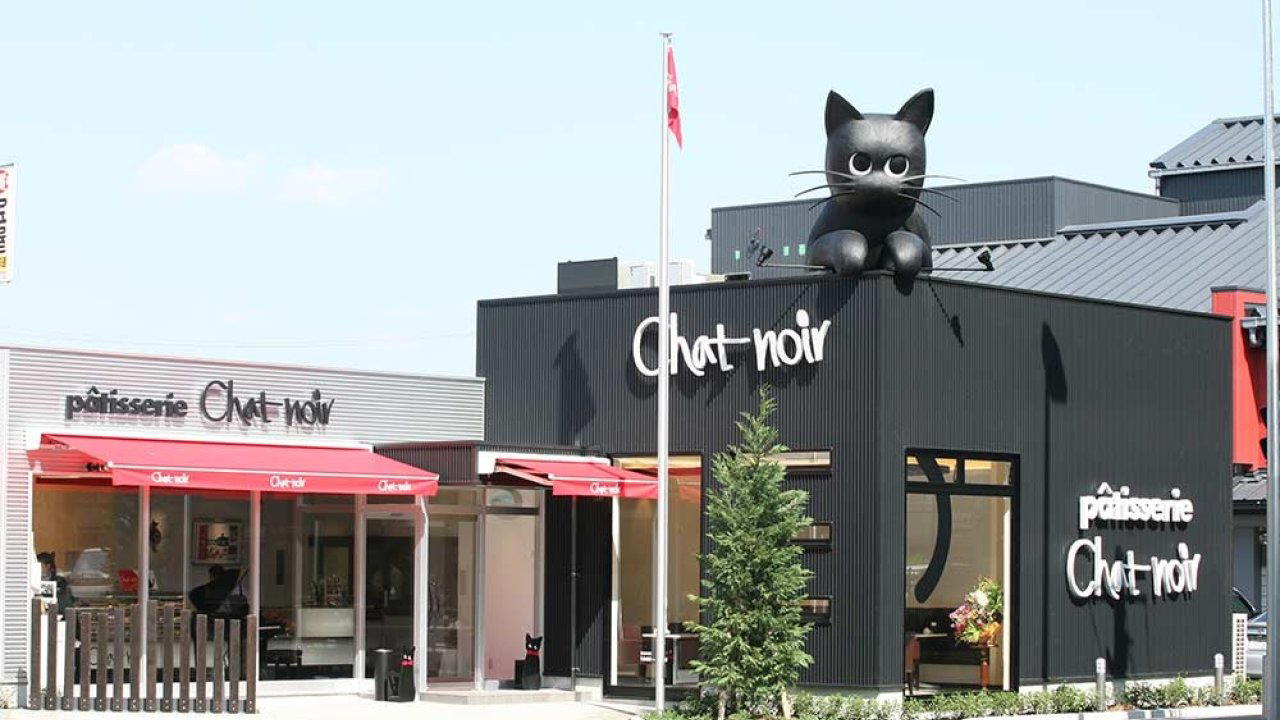

Hotels in Osaka
Browse all →



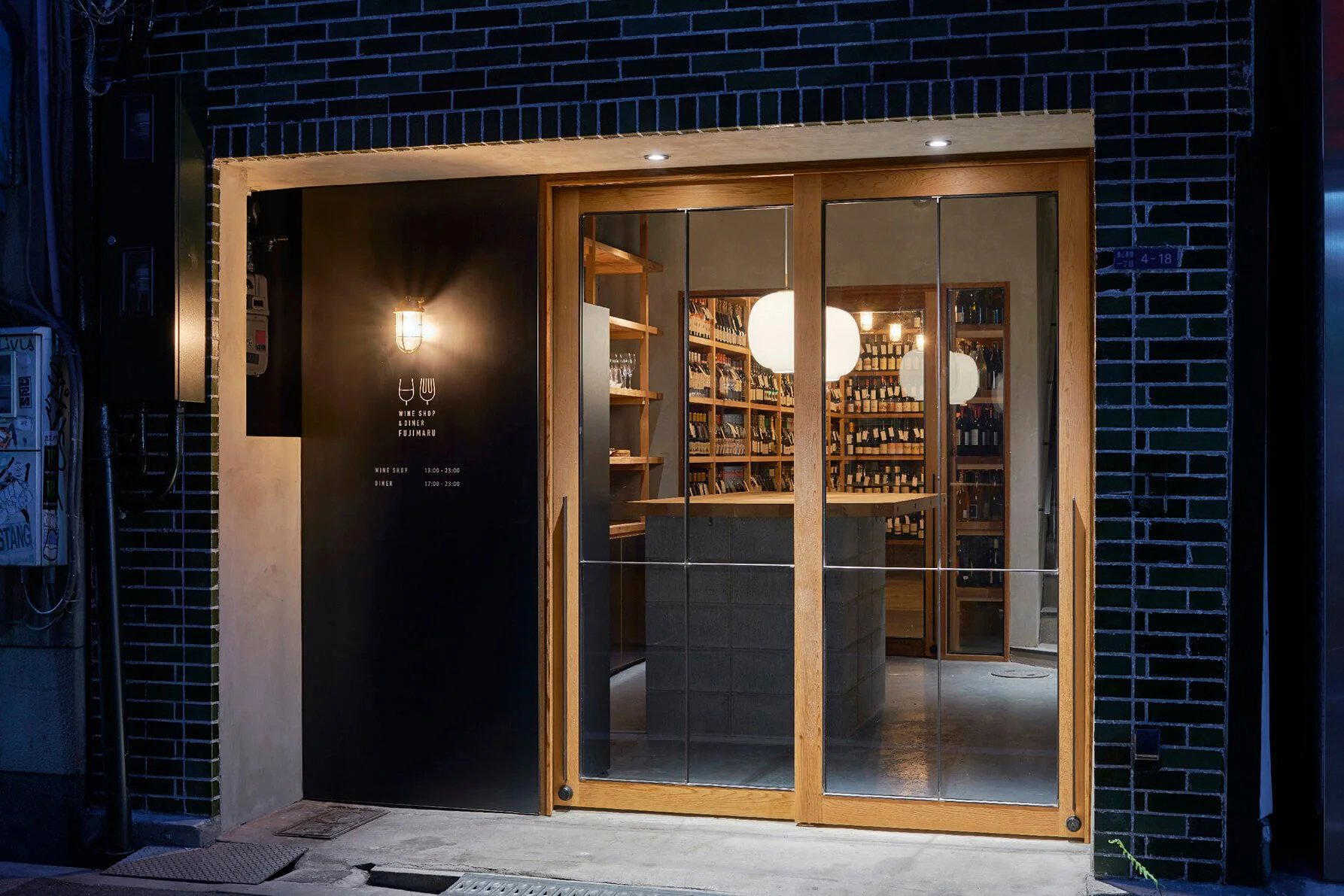
Wineries in Osaka
Browse all →
At a Glance
- Lively
- Trendy
- Cozy
- Energetic
- After Work
- Casual Hangout
- Solo
- Late Night
- Standalone
- Sake Program
- Beer Program
A compact, stylish standing bar with a casual, energetic izakaya feel—guests pack in shoulder-to-shoulder around the counter for quick drinks and plates in a bright, buzzy atmosphere.