
Onomichi Murakami brings Onomichi-yaki into Osaka’s Kitashinchi dining orbit, placing Hiroshima-area griddle culture beside the district’s more expensive yakitori, kushiage and late-night counter formats. Its Tabelog Okonomiyaki 100 selections in 2018, 2019, 2024 and 2025 give it a clear credential in a category often judged by regulars rather than ceremony.
Pearl is the En Primeur Club membership app — saves, bookings, and concierge access live there. Same editors, same standards.
- Address
- Japan, 〒530-0003 Osaka, Kita Ward, Dojima, 1 Chome−3−9 1F
- Phone
- +81 6-6343-7317
- Website
- onomichimurakami.com
 Saves & bookings on Pearl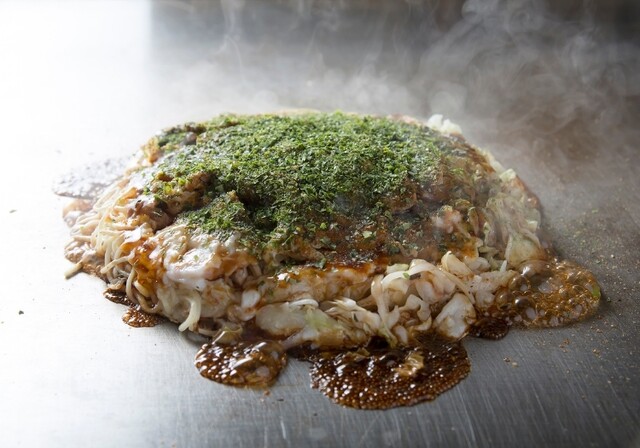
Kitashinchi changes character after office hours: elevator lobbies brighten, narrow buildings start releasing the smell of grilled batter and sauce, and counter seats become the city’s after-work theatre. In that setting, okonomiyaki is not a casual fallback. It is Osaka’s democratic griddle language, served in a district better known for expense-account kappo, yakitori and kushiage. Onomichi Murakami matters because it brings a Hiroshima-prefecture lineage, Onomichi-yaki, into a neighbourhood where the usual comparison set can run much higher in price and formality.
Osaka has long treated flour, cabbage and heat as serious civic material. The city’s okonomiyaki culture is often described as local comfort food, but that undersells the discipline: batter ratio, cabbage cut, griddle temperature and timing separate a merely filling plate from a shop with repeat value. Hiroshima-style okonomiyaki, and regional variants connected to the Seto Inland Sea, shift the conversation again through layering, noodles and a different architecture of texture. Onomichi-yaki belongs to that wider family, and its presence in Kitashinchi gives the room a sharper cultural purpose than another general izakaya.
Onomichi-yaki in a Kitashinchi room built for griddle regulars
The format sits between okonomiyaki shop and izakaya, a useful hybrid in Osaka. The category listing includes okonomiyaki, izakaya and restaurants, while the drinks range covers sake, shochu and wine. That combination signals a meal designed less around a formal tasting arc than around griddle cooking, shared plates and drinks that can stretch a weekday evening. Counter seating adds the important visual dimension: okonomiyaki is a cuisine where process carries much of the pleasure, because the cooking surface is part of the room rather than hidden behind a kitchen door.
The recognition gives the claim weight. Onomichi Murakami was selected for Tabelog’s Okonomiyaki 100 in 2018, 2019, 2024 and 2025, a repeated category signal rather than a single-year spike. Tabelog’s Hyakumeiten lists tend to reward depth within a specific genre, and okonomiyaki is a particularly localised field. A selection here places the restaurant inside a national conversation about specialist griddle cooking, not just Osaka nightlife.
That distinction matters in Kitashinchi. Nearby premium formats can ask much more of the diner: Yakitori Shidare is listed at JPY 20,000 to JPY 29,999, Kitashinchi Mikazuki at JPY 15,000 to JPY 19,999, and Tori Yaki Saji at JPY 10,000 to JPY 14,999. Against that backdrop, an okonomiyaki counter with category recognition occupies a different lane: less ceremonial, more vernacular, but still curated enough to justify planning around it. For a broader read on the city’s dining range, see Our full Osaka restaurants guide, with adjacent city planning in Our full Osaka hotels guide, Our full Osaka bars guide, Our full Osaka wineries guide and Our full Osaka experiences guide.
Why the recognition belongs to the cuisine, not the ceremony
Okonomiyaki’s cultural strength is its resistance to over-formalisation. It can absorb regional identity, late-night drinking, family memory and counter technique without turning into a luxury ritual. The Onomichi reference is important because it anchors the cooking to a city better associated with coastal Hiroshima Prefecture than Osaka’s own batter canon. That makes the meal a small act of regional translation: Kansai diners recognise the griddle grammar, while the Onomichi-yaki identity points west toward another tradition.
The practical reading is equally clear. A 38-seat room and counter seating make it suited to small groups rather than large private dining. Private rooms and private use are not part of the format, and the listed maximum party size is 10 seated. Take-out is available, but this is a style of cooking that gains meaning when the griddle is visible and the timing is part of the evening. Smoking is allowed, which will be a deciding factor for some travellers and a familiar part of certain Japanese izakaya settings for others.
The restaurant opened in 2001, giving it more than two decades of operating history in a district where turnover can be unforgiving. That longevity, combined with repeated Tabelog Okonomiyaki 100 recognition, is a stronger signal than decorative language. It suggests a shop that has kept faith with a specific regional style while surviving in one of Osaka’s more competitive evening neighbourhoods.
How to place it within an Osaka eating itinerary
Onomichi Murakami is better understood as a specialist stop than as a substitute for Osaka’s haute counters. Put it on an itinerary when the point is regional griddle culture, not ceremony. The same trip might include pork buns at 551 Horai (551蓬莱), bakery scouting at 52CHO-ME BAKERY, coffee at.cafe, Italian cooking at a canto (Italian), or Neapolitan-style pizza at 99 Pizza Napoletana Gourmet. Read that way, Osaka becomes less a checklist of famous dishes and more a city of tightly held formats, each with its own rules.
Travellers extending the comparison beyond Osaka can use the same lens across Japan and beyond: beef sukiyaki at -Grilled beef Sukiyaki- KAMAKURA TANUKIAN 鎌倉 たぬき庵 in Kamakura, charcoal-led casual dining at. 鮪と炭火焼き うお炭 秋葉原店 in Tokyo, contemporary regional cooking at.know in Kumamoto, Vietnamese cooking in Kanagawa at (Shoku) Vietnam in Kawasaki, curry specialisation at [Curry Senmon Ten] Maruyama Kyoju. in Sapporo, Kyoto dining at [ki:] in Kyoto, sake culture in California at Jōdo Saké Bar in Los Angeles, and rice-ball craft at Onigiri Time in Pasadena. The useful thread is not prestige for its own sake, but the way a narrow format can carry place, habit and technique.
A Tight Comparison
Comparable venues for orientation by cuisine and category.
| Venue | Cuisine | Price | Notes |
|---|---|---|---|
| Onomichi MurakamiThis venue — the venue you are viewing | Not listed | $$ | Not listed |
| Yakiniku fujimoto Umeda ohatsu tenjin ten | Not listed | $$ | Kita, Yakiniku (Japanese BBQ) |
| Yakiniku Dote | Kita, Japanese Yakiniku | $$ | Not listed |
| Takada Noageage | Chūō, Osaka stand-up fried foods bar | $$ | Not listed |
| Jikaseimen Tsukiyomi | Not listed | $$ | Higashiyodogawa, Japanese Ramen / Tsukemen |
| Kissa Ichi | Senri Chuo, Japanese Kissaten | $$ | Not listed |
Recognition history
Dated appearances from independent guides and award organizations, with the underlying list record or original source where available.
Tabelog 100 #36 · No. 36
Tabelog · Tabelog 100 - Okonomiyaki - 2025
Continue exploring
More in Osaka
Restaurants in Osaka
Browse all →




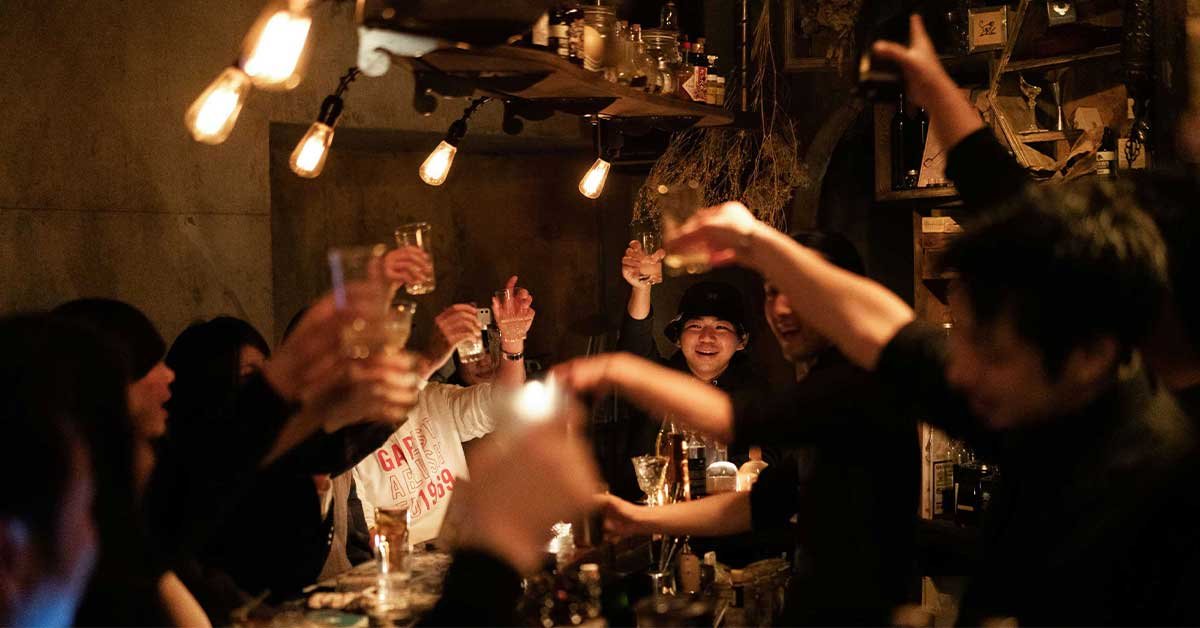
Bars in Osaka
Browse all →



Hotels in Osaka
Browse all →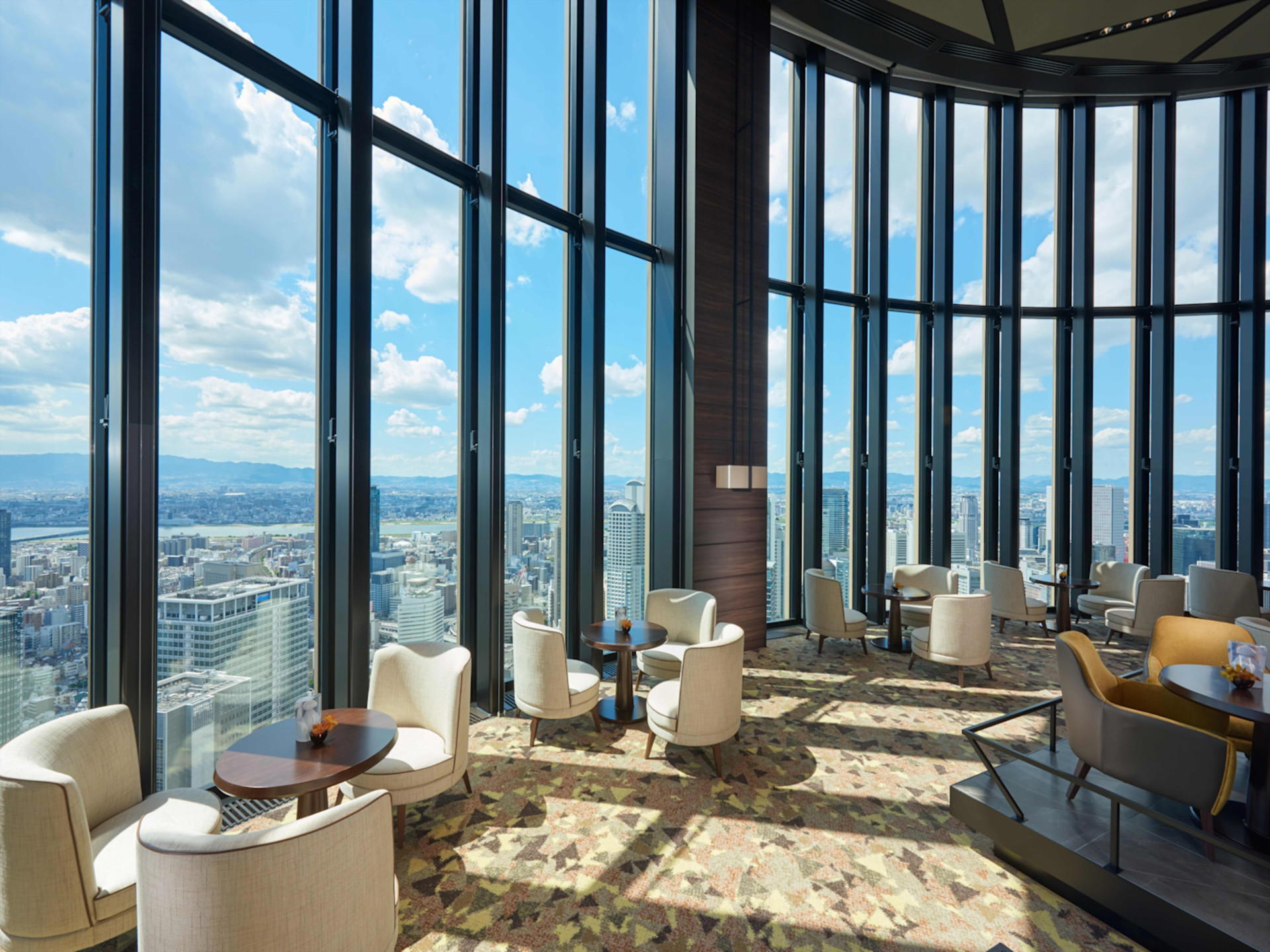




Wineries in Osaka
Browse all →
At a Glance
- Cozy
- Energetic
- Classic
- Casual Hangout
- Group Dining
- After Work
- Open Kitchen
- Standalone
- Beer Program
Current opening hours
- Monday
- 5:30 PM–4 AM
- Tuesday
- 5:30 PM–4 AM
- Wednesday
- 5:30 PM–4 AM
- Thursday
- 5:30 PM–4 AM
- Friday
- 5:30 PM–4 AM
- Saturday
- Closed
- Sunday
- Closed
Hours can change for holidays and private events. Last verified .
Cozy, hidden-gem teppan restaurant atmosphere with a lively late-night feel and counter-style energy around the grill.