Txalupa
Our verdict
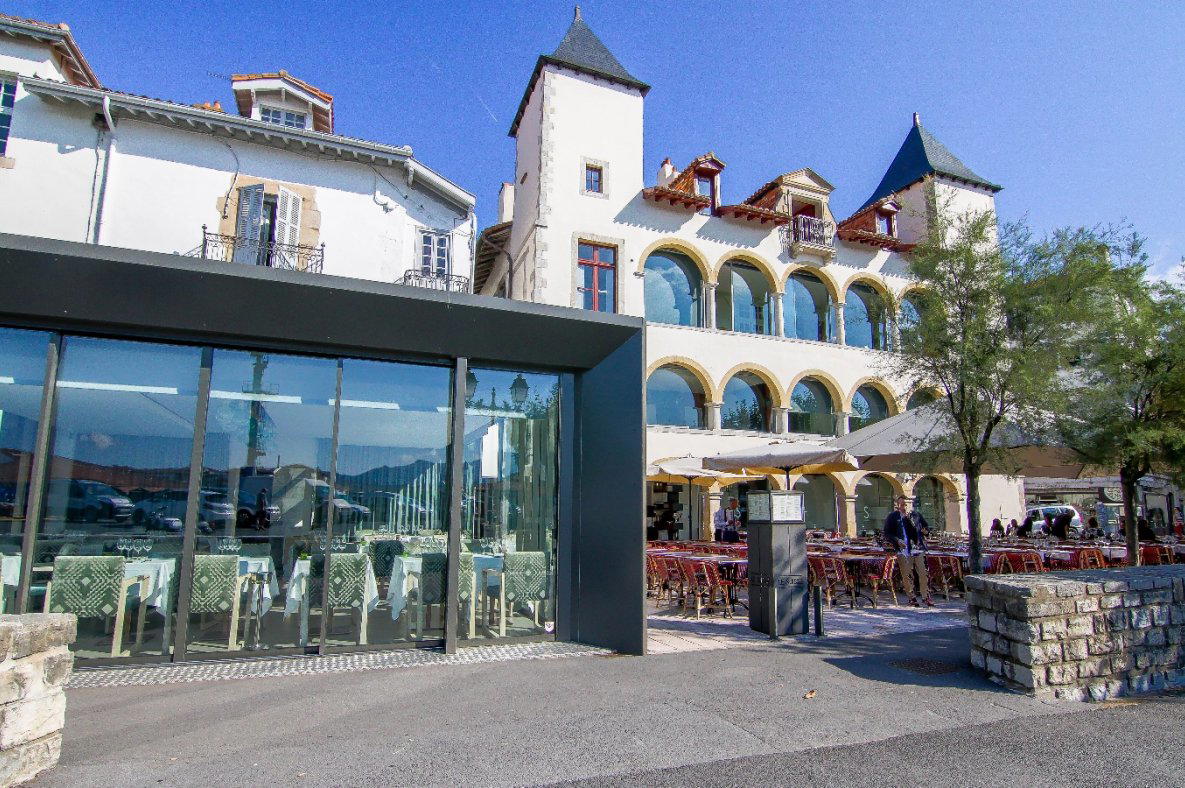
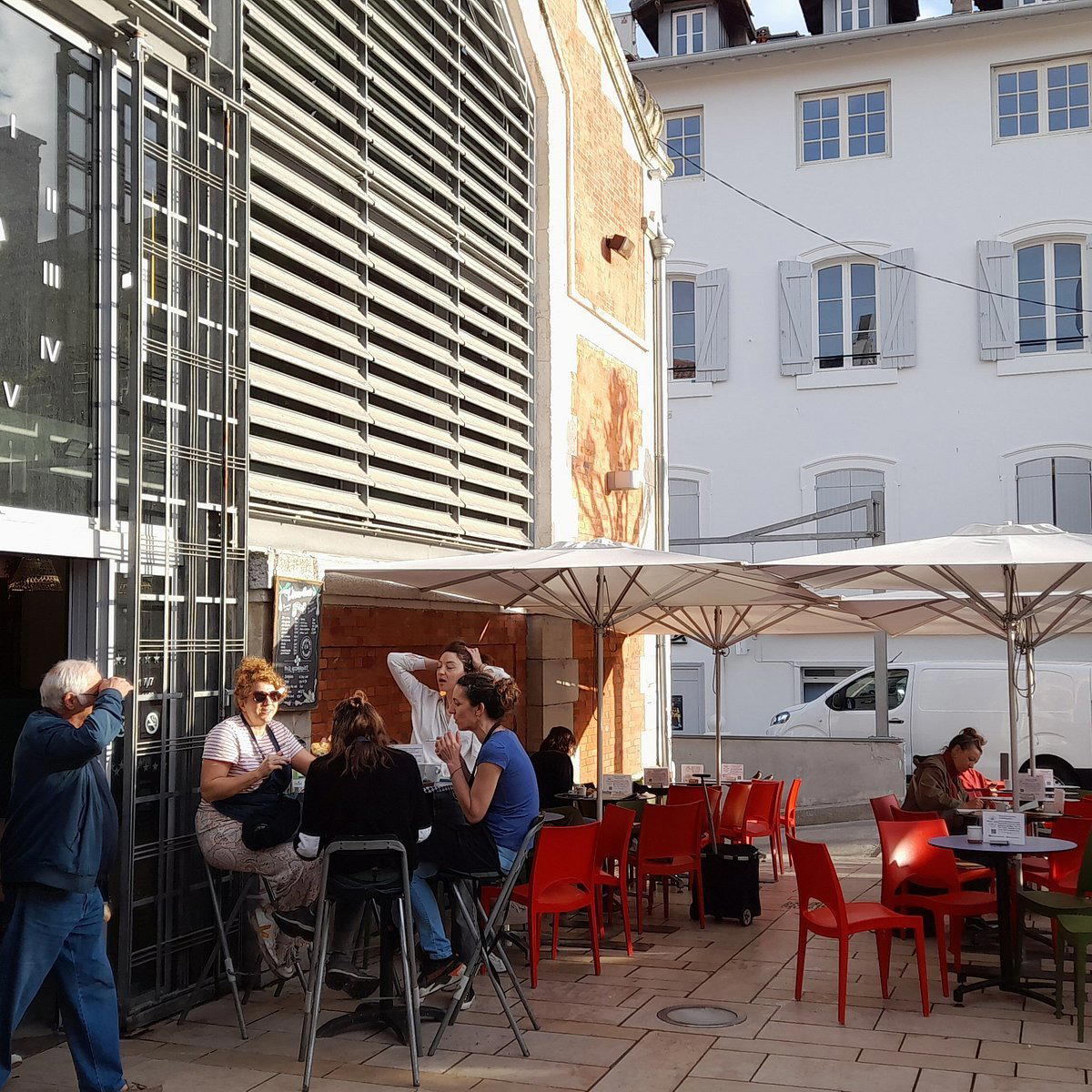
On the corsairs' square in Saint-Jean-de-Luz, Txalupa sits at the edge of the Basque fishing port where the Atlantic sets the menu as much as any kitchen. The address puts you directly inside the town's market-to-table rhythm, where the catch landed that morning shapes what arrives on the plate. For visitors tracing the Basque coast's seafood tradition, it is a practical and atmospheric entry point.

Pearl is the En Primeur Club membership app — saves, bookings, and concierge access live there. Same editors, same standards.
- Address
- Place Corsaires, Rue du 8 Mai 1945, 64500 Saint-Jean-de-Luz, France
- Phone
- +33559518552
- Hours
- Mon–Fri 12–3 PM, 7–11 PMSat 12–3 PM, 7–10:30 PMSun 12–3 PM, 7–11 PM
- Website
- txalupagastroleku.com
- Directions
- Get directions
The menu
What to order
- Plateau de Fruits de Mer
- Sole à la Plancha
- Axoa de Veau
- Chipirons à la Plancha
- Piperade
Where the Port Defines the Plate
Saint-Jean-de-Luz has one of the few working fishing harbours left on the French Basque coast that still feeds its own restaurants directly. The tuna fleet that made the town prosperous in the 17th century has contracted, but the commercial fishing activity remains, and on most mornings the quayside market sets the day's culinary direction before any kitchen has opened its doors. Txalupa sits on Place Corsaires, a square whose name alone signals proximity to that maritime history. Approaching along Rue du 8 Mai 1945, the salt air arrives before the building does, and the framing of the port through the square gives a clear sense of what kind of eating this is: coastal, unsentimental, grounded in what the water produced overnight.
Along the French Basque coast, the most convincing restaurants tend to be those that work within this constraint rather than around it. The fishing calendar, the weather, and the seasonal patterns of the Bay of Biscay are the real menu architects here. Autumn brings the return of the albacore; spring shifts attention toward shellfish and smaller species. Venues that accept that seasonal logic rather than importing year-round consistency tend to produce meals with a specificity that fixed menus cannot replicate.
The Basque Seafood Tradition as Context
To understand a place like Txalupa, it helps to understand the broader Basque seafood tradition on both sides of the Franco-Spanish border. The Basque Country — the seven provinces spanning the Pyrenees — has a seafood culture built on a handful of preparations that have been refined over centuries rather than reinvented by each generation. Salt cod in its multiple forms, grilled fish over wood or charcoal, the concentrated fish broths that anchor the local kitchen: these are techniques with centuries of institutional memory behind them. The French side of the border, centred on Saint-Jean-de-Luz and nearby Ciboure, tends toward slightly lighter preparations than the Spanish side's pintxo-bar intensity, but the underlying reverence for the product is the same.
Saint-Jean-de-Luz as a dining town sits in an interesting position relative to the wider French restaurant circuit. The multi-starred destinations further north and east, venues like Mirazur in Menton, Flocons de Sel in Megève, or Alléno Paris au Pavillon Ledoyen, operate in a different register entirely, where technique and concept are the primary language. The Basque coast's strength is a different argument: proximity to the source, simplicity as discipline rather than limitation, and a dining room that looks out at the water that provided the meal. Venues on the Place Corsaires trade in that argument. So do the longer-established names elsewhere on the French landscape, from Auberge de l'Ill in Illhaeusern to Bras in Laguiole, where regional identity and product fidelity carry as much weight as kitchen ambition.
Eating in This Part of Saint-Jean-de-Luz
The corsairs' square and the streets surrounding it form the most concentrated eating area in Saint-Jean-de-Luz. The town is compact enough that the harbour, the covered market on Boulevard Victor Hugo, and the main restaurant cluster are all within a short walk of each other. This geography matters: the fish market and the restaurant supply chain operate in close proximity, which keeps freshness standards high across the neighbourhood rather than at isolated addresses.
Within this quarter, the dining options cover a reasonable range of formats and price points. La Taverne Basque and Chez Pablo represent the more established end of the local repertoire, while Kako Etxea and Café Belardi offer different points of entry into the same Basque seafood idiom. Les Lierres sits slightly outside the immediate harbour cluster, serving a different clientele and format. Txalupa's position on the square itself is one of the more directly atmospheric settings in the group. For a broader overview of how the town's dining fits together, the full Saint-Jean-de-Luz restaurants guide maps the competitive set across neighbourhoods and price tiers.
The Sensory Register of the Square
Eating on or near Place Corsaires in the warmer months carries a particular quality that inland restaurant settings cannot manufacture. The light off the bay in the evening moves from gold to a flat silver as the sun drops behind the headland; the sound register on the square mixes conversation, the ambient noise of a working harbour nearby, and the periodic movement of boats against the quay. The physical environment is the first course. This is why summer bookings along the Basque coast tighten from July through August, when the population of the town swells considerably with visitors from Bordeaux, Paris, and across the Spanish border. Arriving outside the peak season, particularly in late spring or early September, gives access to the same harbour setting with considerably less competition for tables.
The Basque Country's relationship with its food is sufficiently embedded in the local culture that the seasonal calendar drives genuine variation in what is available. The Atlantic albacore tuna season, which traditionally runs from summer into early autumn, is one of the defining food events of the year on this stretch of coast. Dishes built around this catch have a directness and freshness that the same fish, prepared elsewhere at a different time of year, simply does not replicate.
Planning Your Visit
Txalupa is located at Place Corsaires, Rue du 8 Mai 1945, 64500 Saint-Jean-de-Luz. The address places it within the port quarter, easily reached on foot from the town centre or from the Saint-Jean-de-Luz, Ciboure railway station, which sits on the Bordeaux-to-Hendaye line and receives direct services from Bordeaux, Biarritz, and Bayonne. For visitors arriving by road from Biarritz, the drive runs approximately 20 kilometres south along the A63. Reservations during July and August are advisable at virtually every table in the port quarter, as demand consistently outpaces capacity across the neighbourhood.
Visitors moving between the French and Spanish sides of the Basque coast will find that the town's position, a short drive from the border crossing at Biriatou, makes it a natural base for comparing the two distinct expressions of the same food culture. The contrast between the French coast's restaurant format and the Spanish pintxo bar circuit in San Sebastián is one of the more instructive dining comparisons available in this part of Europe, comparable in its own way to the divergences you see between Alsatian and Parisian French cooking, or between the precise technical register of a place like Assiette Champenoise in Reims and the product-led directness of a coastal bistro. The Basque coast version of that divide runs directly through Saint-Jean-de-Luz.
Frequently asked questions
Where is Txalupa in Saint Jean De Luz?
Txalupa is located at Place Corsaires, Rue du 8 Mai 1945, 64500 Saint-Jean-de-Luz, France, Saint Jean De Luz.
What makes Txalupa different from other restaurants on Place Corsaires in Saint-Jean-de-Luz?
Txalupa's position on Place Corsaires, Rue du 8 Mai 1945, places it within the port quarter that links dining directly to one of the few active fishing harbours remaining on the French Basque coast. That geographical fact, rather than any single dish or concept, is what separates the eating experience here from restaurants set further from the water. The Basque seafood tradition it draws on is shared across the border with Spain, giving the menu a cultural depth that goes beyond regional French cooking.
What should I eat at Txalupa?
Saint-Jean-de-Luz is one of the few towns on the French Basque coast where the harbour still supplies restaurants directly, so the focus here is seasonal catch from that port. Local tuna is the reference point for the area, alongside the broader Basque seafood tradition that stretches across the Franco-Spanish border. Order whatever reflects that morning's landing rather than working from a fixed expectation.
Is Txalupa reservation-only?
Given its position on Place Corsaires, the most concentrated eating area in Saint-Jean-de-Luz, demand in the warmer months is likely high. Contacting the restaurant directly before arriving is advisable, particularly for groups or peak summer dates.
What's Txalupa best at?
Txalupa's address on Place Corsaires puts it at the centre of the port quarter, and the cooking draws on a Basque seafood tradition that runs deep on both sides of the French-Spanish border. The working harbour in Saint-Jean-de-Luz is a practical asset: proximity to the catch is a structural advantage that most inland or resort-town restaurants cannot replicate. That direct supply chain is the clearest credential the location offers.
Is Txalupa good for vegetarians?
Txalupa sits within a fishing port context in Saint-Jean-de-Luz where the kitchen's identity is built around seafood from the working harbour on Place Corsaires. Guests with non-seafood requirements should confirm the menu directly with the restaurant before booking.
Similar Picks
Comparable venues nearby, for context on price, style, and recognition.
| Venue | Cuisine | Price | Awards | Notes |
|---|---|---|---|---|
| TxalupaThis venue — the venue you are viewing | Basque Seafood & Regional French | $30–50 | Not listed | Not listed |
| Kako Etxea | Traditional Basque Bistro | $20–30 | Not listed | Halles |
| Café Belardi | Modern French Neo-Bistro | $20–30 | Not listed | downtown |
| Chez Pablo | Traditional Basque Bistro | $20–30 | Not listed | Saint-Jean-de-Luz |
| Maison Amaé | French Basque Tapas & Cocktails | $50–100 | Michelin Plate | Saint-Jean-de-Luz |
| Xaya | Modern French Basque Bistro | $30–50 | Not listed | historic center |
Continue exploring
More in Saint-Jean-de-Luz
Restaurants in Saint-Jean-de-Luz
Browse all →
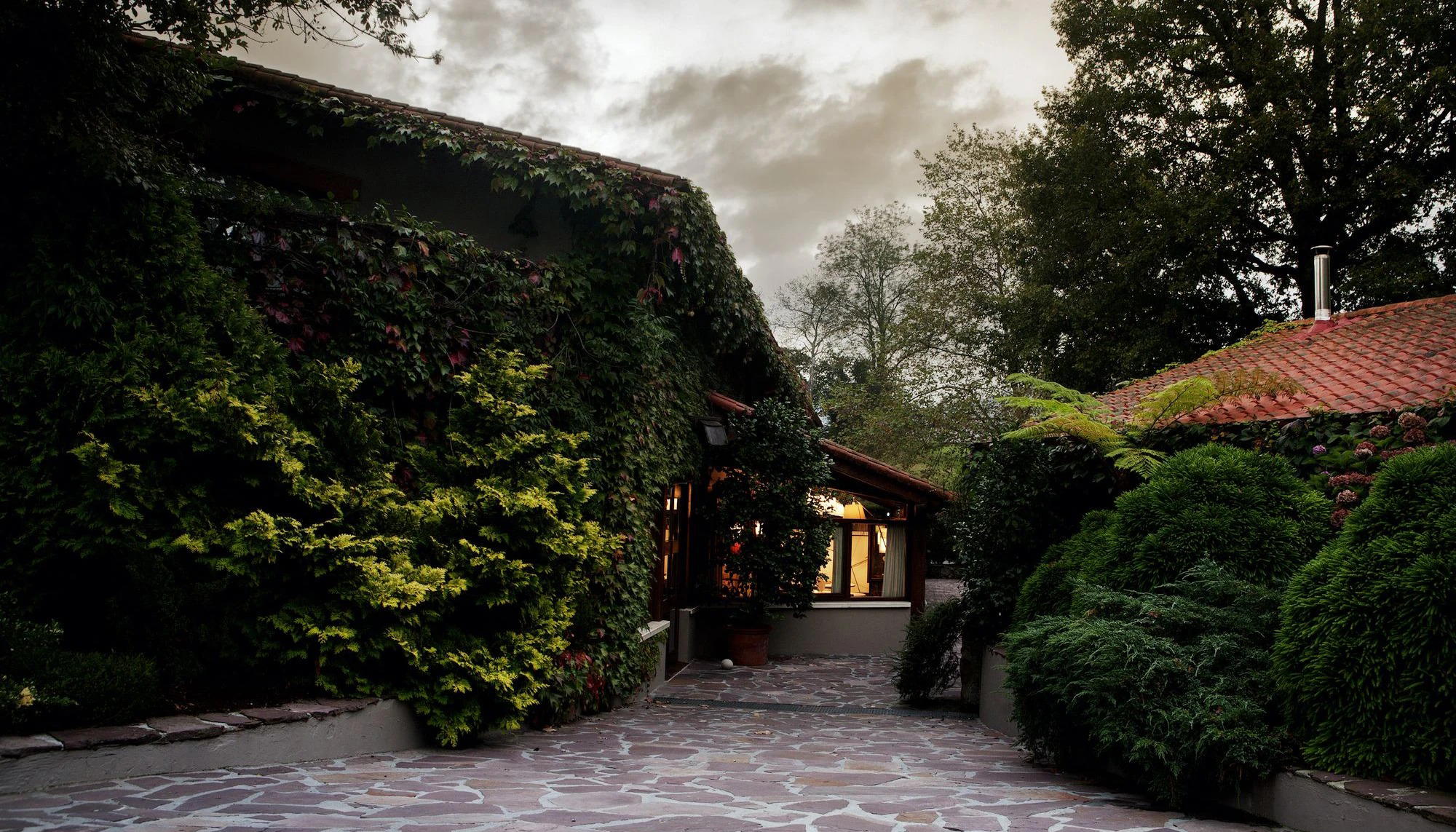
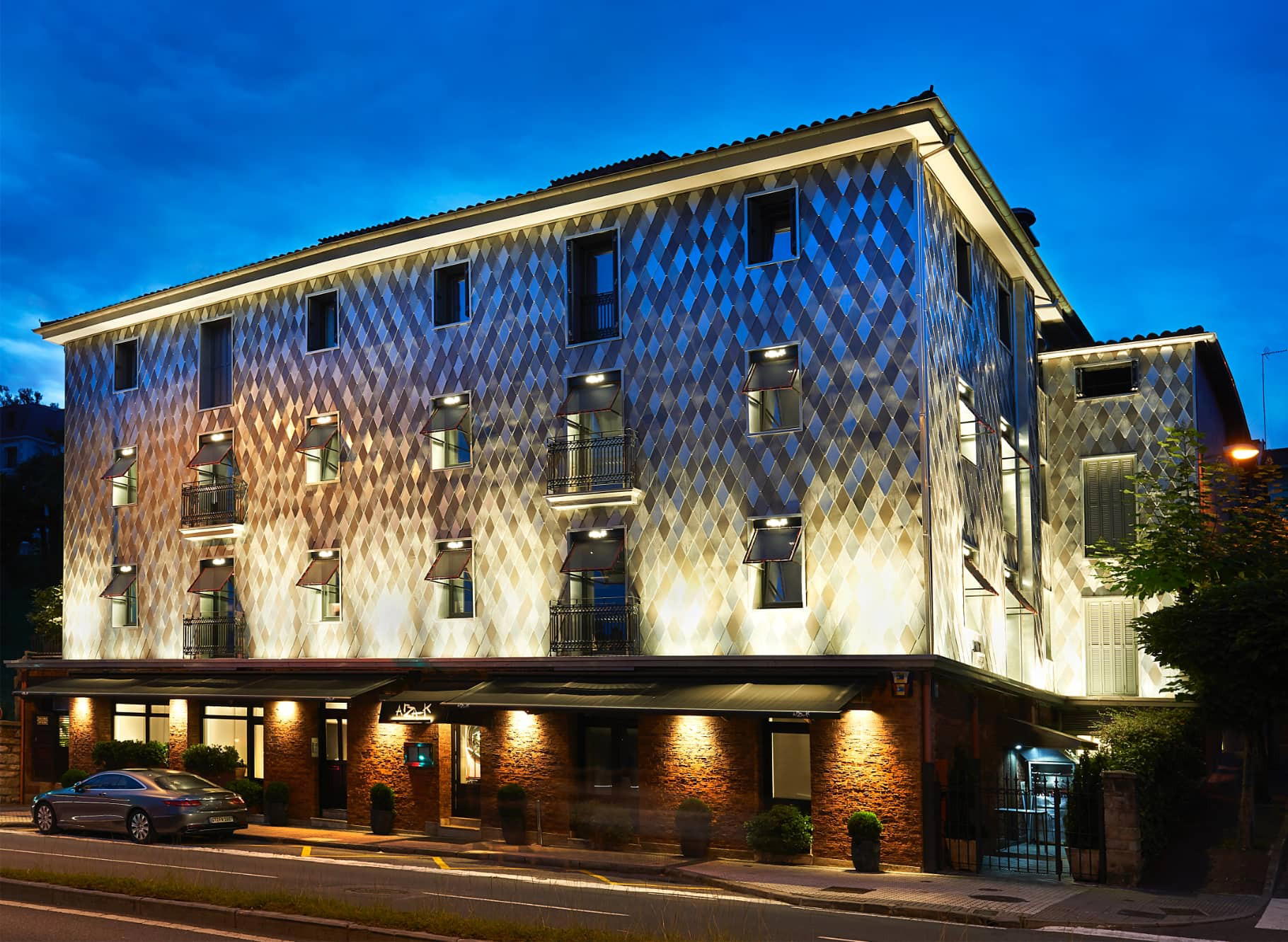
Bars in Saint-Jean-de-Luz
Browse all →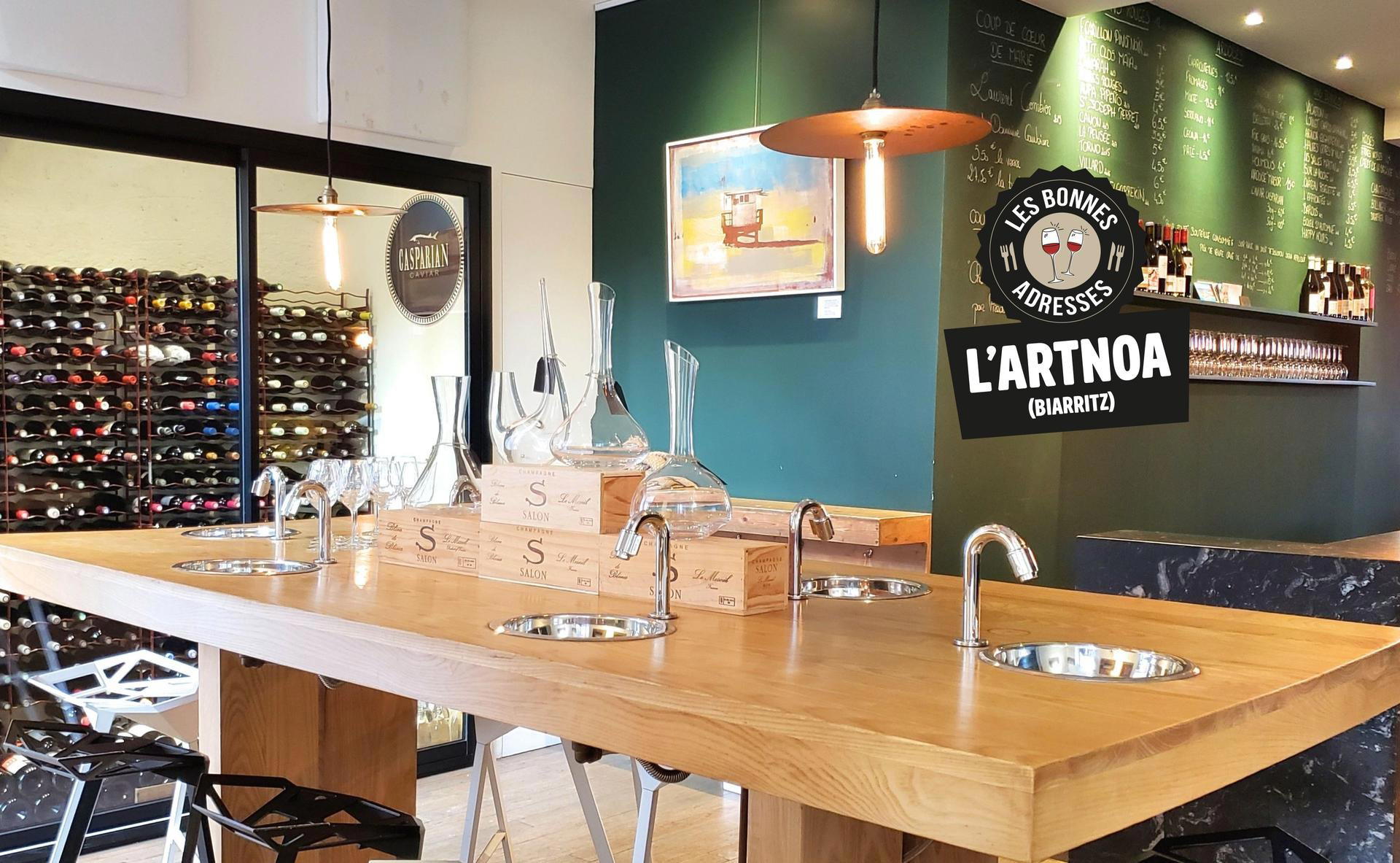
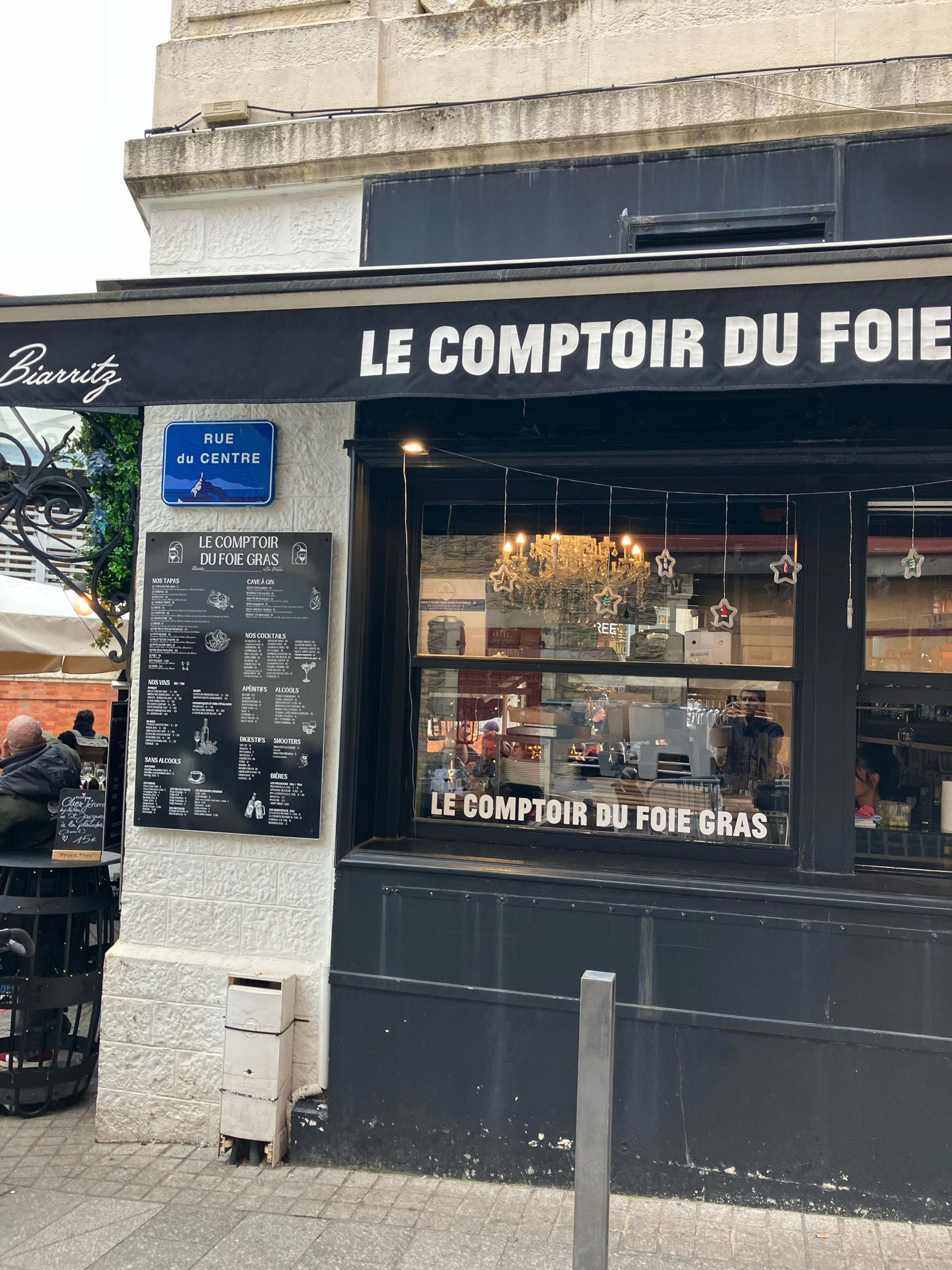
Txalupa
The wine
- Wine program
- Curated wine list
- Natural wine
- Beer program
Details
- Classic
- Cozy
- Scenic
- Casual Hangout
- Group Dining
- Family
- Date Night
- Terrace
- Waterfront
- Standalone
- Natural Wine
- Beer Program
- Local Sourcing
- Sustainable Seafood
- Waterfront
- Street Scene
- A La Carte
- Small Plates
- Local Wines
- Natural Wine
- Regional Beer
- Pescatarian Friendly
Current opening hours
- Monday
- 12–3 PM, 7–11 PM
- Tuesday
- 12–3 PM, 7–11 PM
- Wednesday
- 12–3 PM, 7–11 PM
- Thursday
- 12–3 PM, 7–11 PM
- Friday
- 12–3 PM, 7–11 PM
- Saturday
- 12–3 PM, 7–10:30 PM
- Sunday
- 12–3 PM, 7–11 PM
Hours can change for holidays and private events. Last verified .
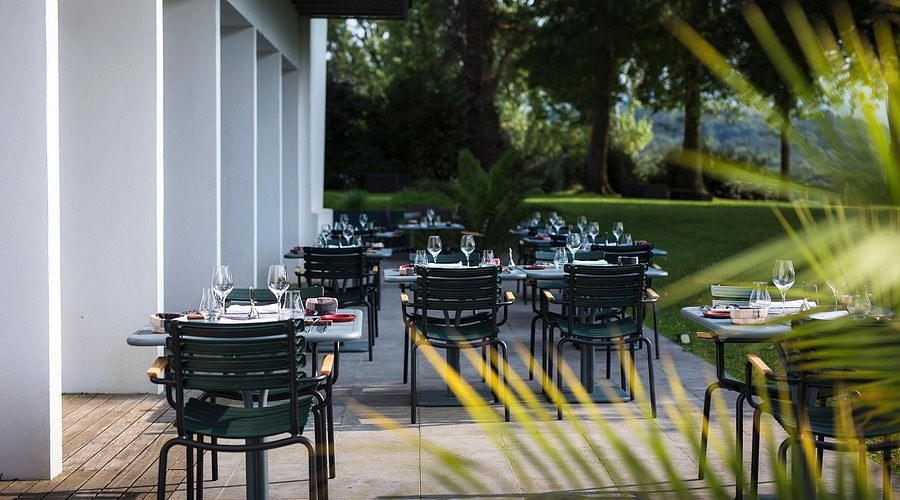
Warm and welcoming Basque atmosphere with careful décor reflecting local spirit; terrace seating with port views and natural light during lunch service facing the Rhune mountain.