Tulsi
Tulsi brings Indian cooking to 20 Walker St in Kittery, Maine, operating within a small-town dining scene that punches above its weight. The restaurant sits in a coastal New England town better known for outlet shopping than subcontinental cuisine, making it a reference point for the kind of independent, cuisine-specific dining that has taken root beyond major metro corridors. Check ahead for current hours and reservations.
Pearl is the En Primeur Club membership app — saves, bookings, and concierge access live there. Same editors, same standards.
- Address
- 20 Walker St, Kittery, ME 03904
- Phone
- +12074519511
- Website
- tulsiindianrestaurant.com
 Saves & bookings on Pearl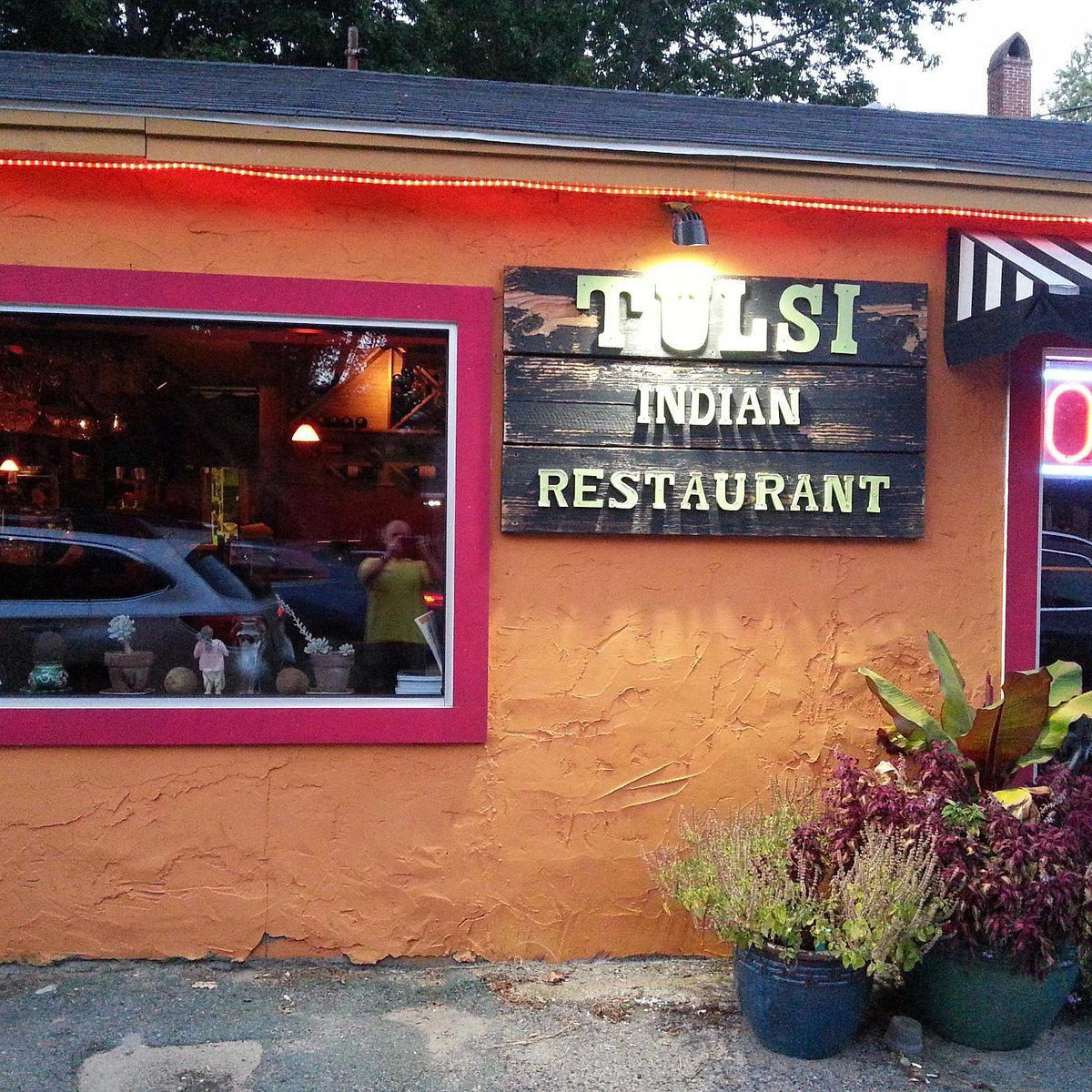
Indian Cooking on the Maine Coast
Kittery's dining identity has long been shaped by its proximity to the ocean and its role as a gateway between New Hampshire and coastal Maine. The town's restaurant row leans predictably toward seafood, with places like Blue Mermaid Island Grill and Robert's Maine Grill anchoring the local scene around what the region's waters provide. Against that backdrop, an Indian restaurant at 20 Walker St represents something of a deliberate counterpoint. Tulsi occupies a category that is genuinely underrepresented in small coastal New England towns, where the default dining grammar is built around lobster rolls and chowder rather than dal, tandoor, and spice-forward sauces that draw on centuries of regional Indian culinary tradition.
That context matters. Indian cooking in America has spent decades being flattened into a handful of familiar dishes, largely because early immigrant-run restaurants had to meet a broad audience where it was. The more interesting shift over the past fifteen years has been the gradual disaggregation of that monolith, as diners in cities like New York and Chicago have grown accustomed to restaurants that distinguish between the butter-rich north, the coconut and tamarind-driven south, the street-food vocabulary of Mumbai, and the slow-cooked traditions of Hyderabad. That disaggregation has been slower to reach smaller markets. A venue operating in Kittery that takes Indian cooking seriously is therefore participating in a larger cultural argument about whether cuisine specificity can survive outside a major metro.
The Cultural Weight of Subcontinental Cooking
Indian cuisine carries one of the longest and most technically layered traditions in the world. Spice usage in the subcontinent was systematized long before European cooking developed its own vocabulary of seasoning, and the interplay of fat, heat, acid, and aromatics that defines a well-made curry involves a sequence of decisions, tempering, blooming, building, that is as rigorous in its own way as the classical French mother sauces that underpin much of the technical canon at places like Le Bernardin in New York City or The French Laundry in Napa.
What separates a competent Indian restaurant from a serious one is usually the sourcing and handling of spice. Pre-ground blends, bought ready-made and added late in the cooking process, produce the flat, one-dimensional heat that gives poorly executed Indian food a bad name. Restaurants that grind whole spices to order, manage their toasting carefully, and layer aromatics in stages produce depth that is structurally different, the way a hand-rolled pasta differs from a dried box. That distinction is less visible than a wine list or a tasting menu format, but it is equally legible to anyone paying attention.
The tandoor, the cylindrical clay oven fired to temperatures that a conventional range cannot approach, adds another axis of technical specificity. Bread leavened and slapped against the clay wall of a tandoor, or protein marinated in spiced yogurt and cooked in that intense dry heat, produces textures and char that are simply not replicable by other methods. The presence or absence of a working tandoor is often the first thing a knowledgeable diner considers when assessing an Indian kitchen's infrastructure.
Kittery in the Wider American Fine Dining Frame
The American dining conversation has increasingly moved away from the assumption that serious cooking only happens in a handful of coastal cities. Restaurants like Lazy Bear in San Francisco, Alinea in Chicago, Single Thread Farm in Healdsburg, Providence in Los Angeles, Blue Hill at Stone Barns in Tarrytown, Addison in San Diego, The Inn at Little Washington, Bacchanalia in Atlanta, Brutø in Denver, Causa in Washington, D.C., and Atomix in New York City have collectively demonstrated that the appetite for ingredient-specific, technique-driven cooking extends well beyond the traditional tier-one markets. What they share, regardless of cuisine type, is a willingness to commit to a culinary identity rather than hedging toward a lowest-common-denominator menu.
A similar argument applies at the regional level. New England's dining scene is not as documented as those of New York or San Francisco, but venues operating in smaller Maine communities have increasingly drawn visitors who are specifically seeking out independent, cuisine-committed restaurants rather than simply eating wherever is convenient. The same cultural pattern that produced destination dining at scale is now operating at a more local radius, with diners driving thirty or forty minutes for a specific meal rather than defaulting to the nearest open door. Kittery, positioned at the Maine border and within an hour of Portland's more established food scene, sits in a geography where that kind of intentional travel is plausible.
For a point of international comparison, the persistence of serious cooking in non-obvious locations is not a uniquely American phenomenon. Restaurants like 8 1/2 Otto e Mezzo Bombana in Hong Kong and Emeril's in New Orleans have demonstrated that culinary seriousness does not require a Manhattan address or a Paris postcode. The common thread is commitment to a cuisine tradition rather than a particular geography.
Planning Your Visit
Tulsi is located at 20 Walker St, Kittery, ME 03904. Confirm hours and reservation details before you go. Kittery's restaurant cluster is compact and walkable once you arrive, so combining a visit with other stops in the Walker Street and Kittery Foreside area is a practical approach. Expect about $25 per person.
Budget Reality Check
Comparable venues nearby, for context on price, style, and recognition.
| Venue | Cuisine | Price | Notes |
|---|---|---|---|
| TulsiThis venue — the venue you are viewing | Not listed | $$ | Not listed |
| Blue Mermaid Island Grill | Not listed | $$ | Kittery, Caribbean-Influenced American Grill |
| Robert's Maine Grill | Kittery Outlets, Maine Seafood Grill | $$ | Not listed |
| 50 Local | Not listed | $$ | downtown Kennebunk, French Bistro with American Influences |
| Lobster Cove | York Harbor, Maine Seafood | $$ | Not listed |
| THAI TREE RESTAURANT | Not listed | $$ | Congress Street, Portland, Authentic Korat & Isaan Thai |


At a Glance
- Cozy
- Elegant
- Date Night
- Casual Hangout
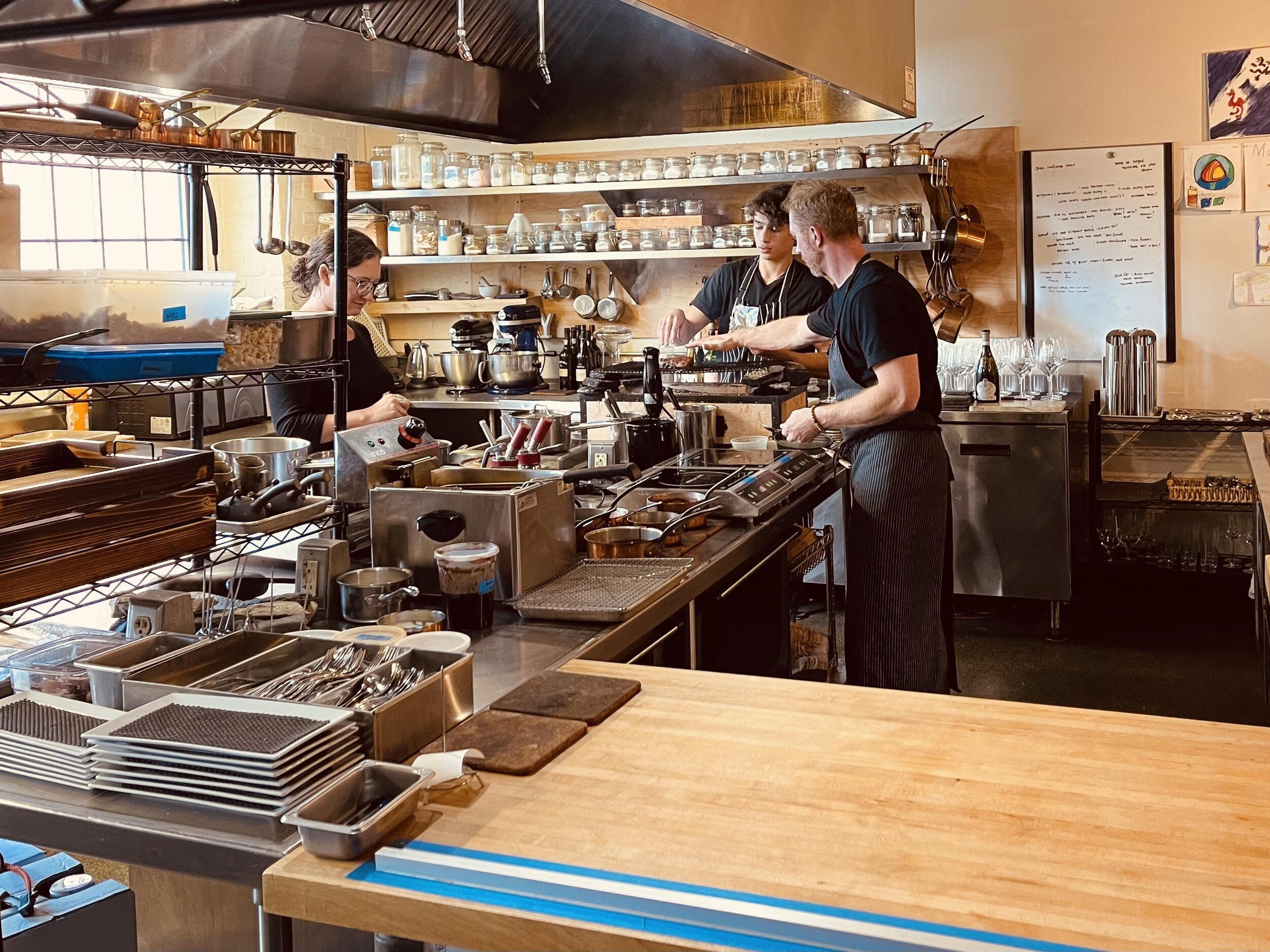
- Open Kitchen
Current opening hours
- Monday
- Closed
- Tuesday
- 11 AM–2 PM, 4–9 PM
- Wednesday
- 4–9 PM
- Thursday
- 4–9 PM
- Friday
- 11 AM–2 PM, 4–9 PM
- Saturday
- 11 AM–2 PM, 4–9 PM
- Sunday
- 12–3 PM, 4–8 PM
Hours can change for holidays and private events. Last verified .
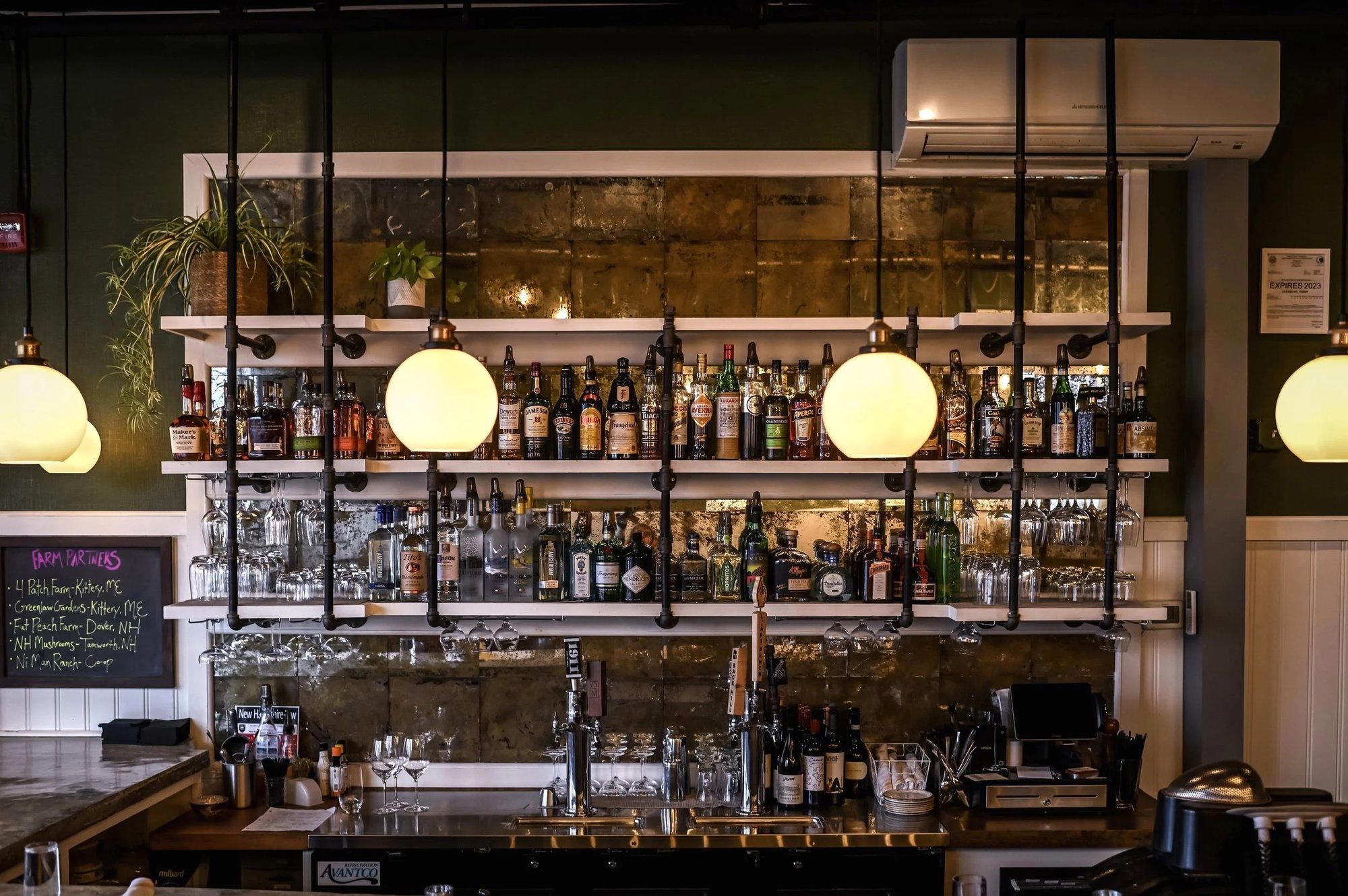
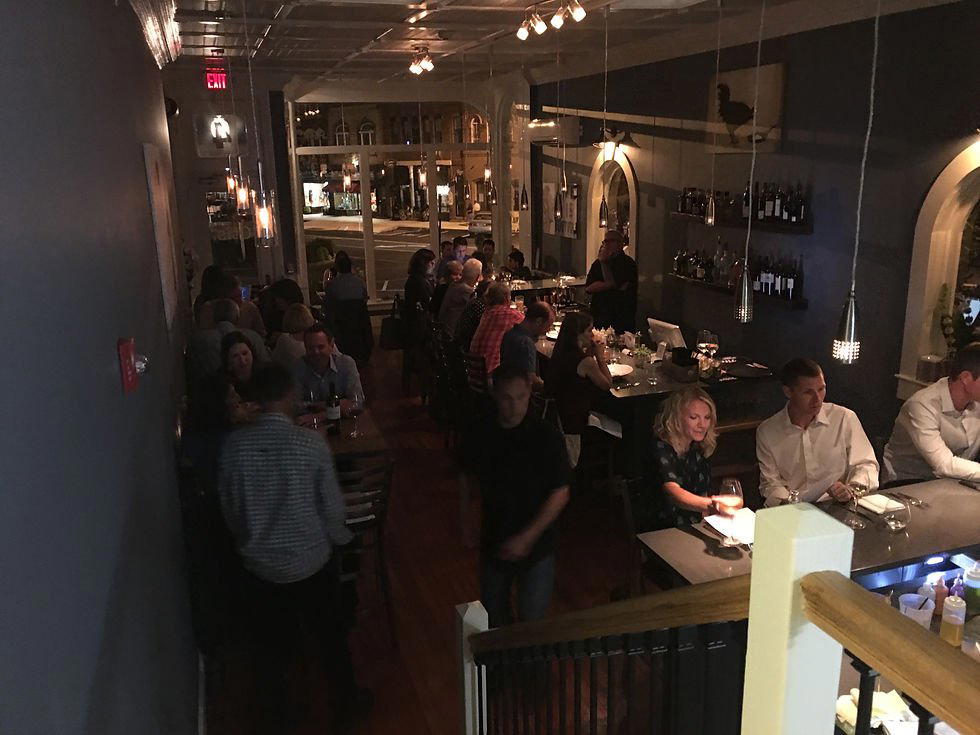
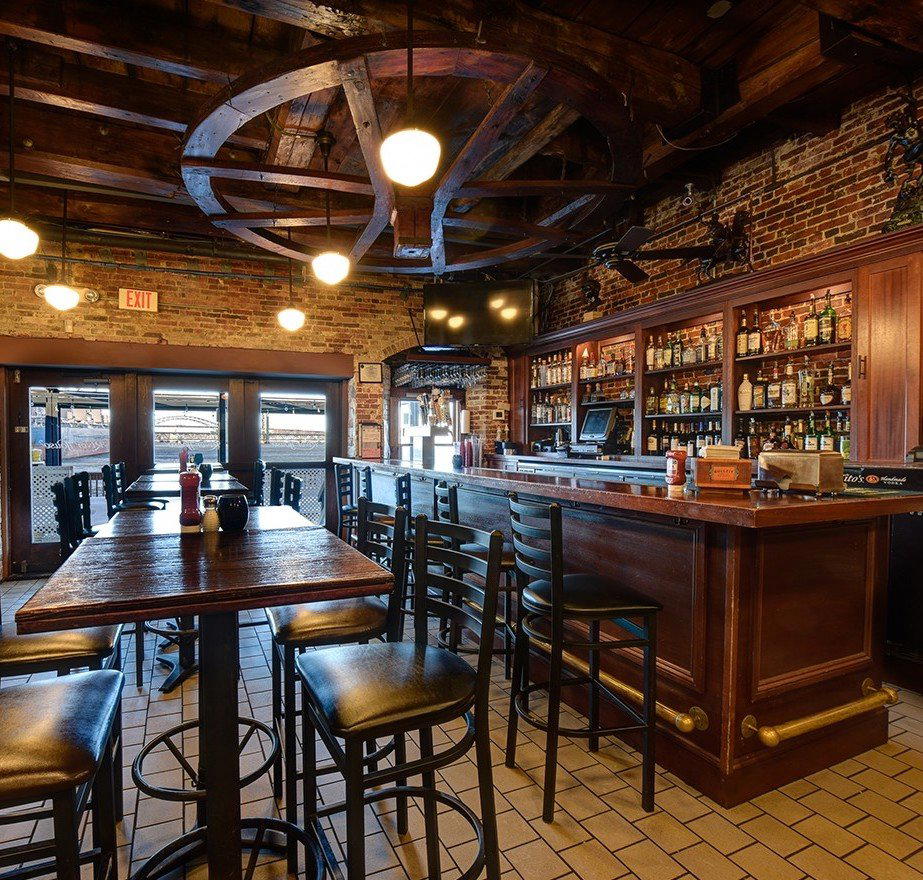
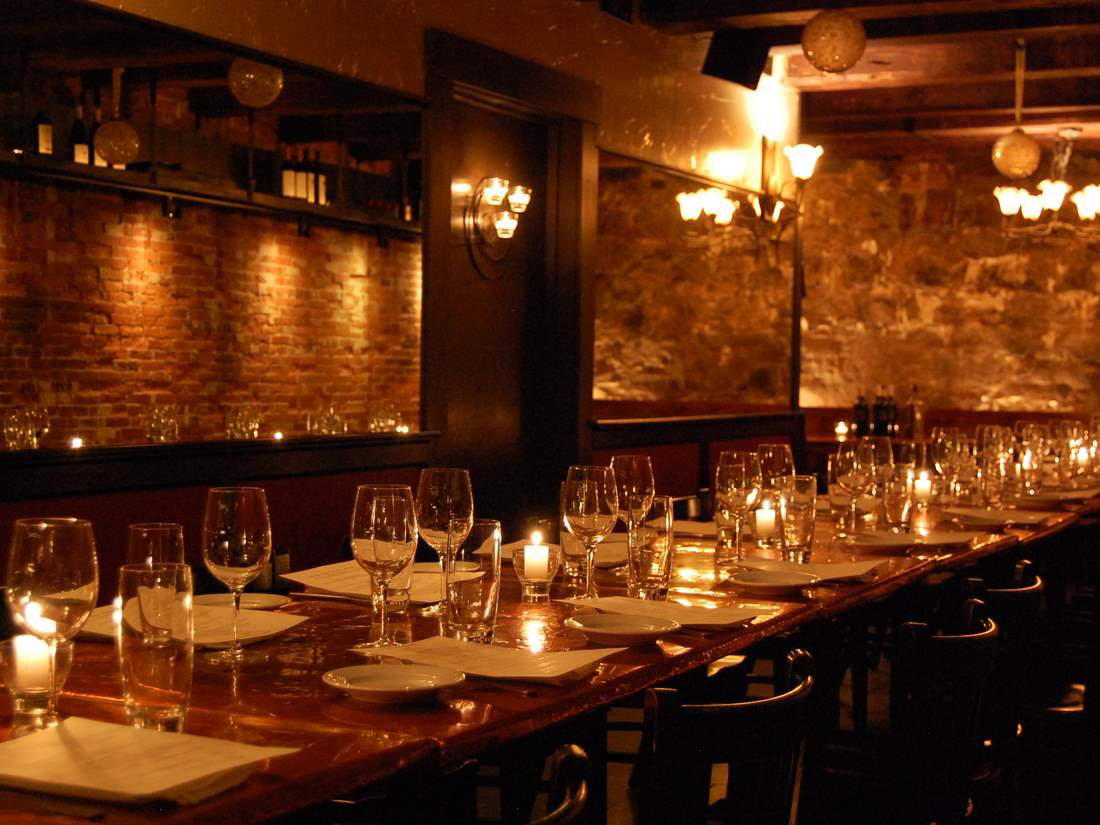
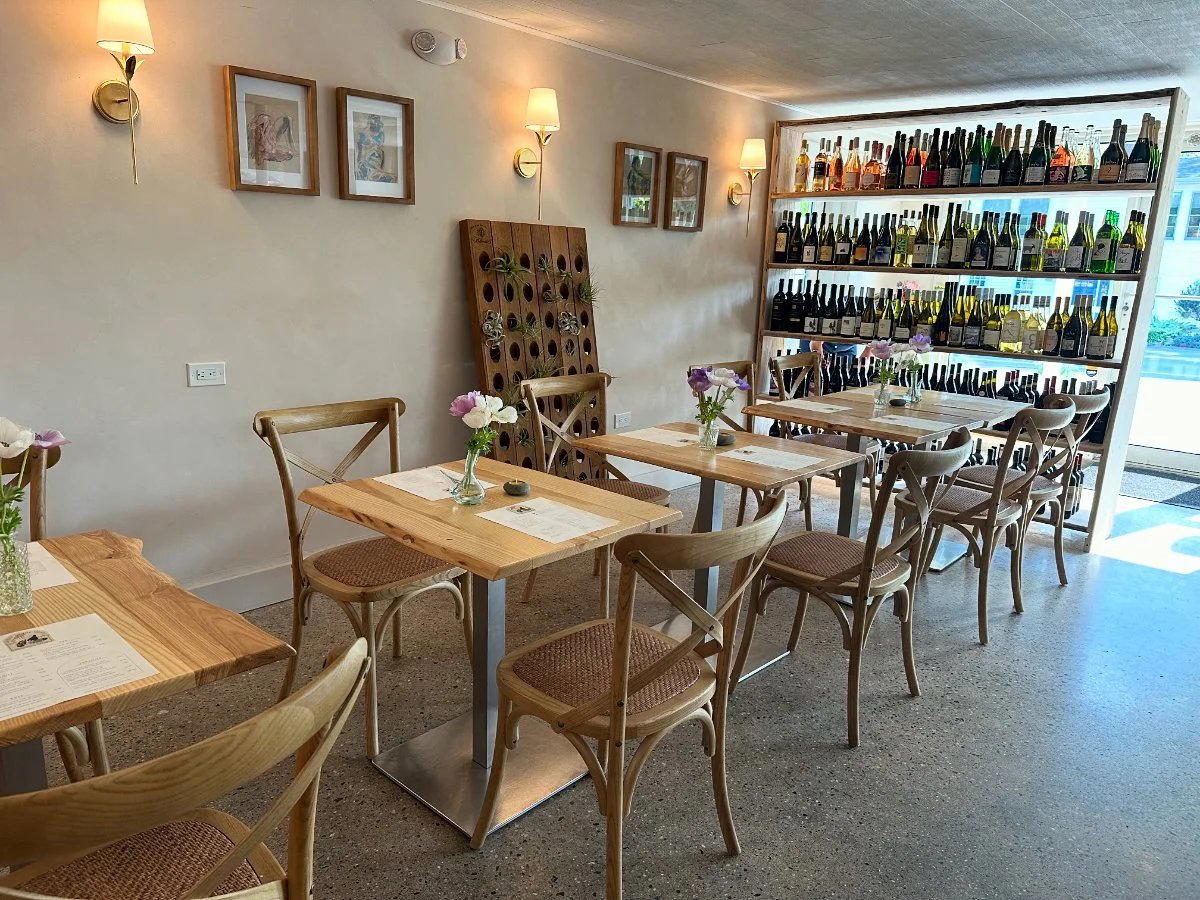
Warm and inviting atmosphere with lovely decor, nice lounge area, and no crowded tables.