
A Portuguese wine bar and restaurant on Da'an's Zhongxiao East Road, TUGA operates in a niche that barely exists elsewhere in Taipei: classic Iberian cooking calibrated to work with serious wine. The format leans hybrid, part wine shop, part dining room, and the kitchen consistently over-delivers against that positioning, producing food that earns its place alongside the bottle list rather than playing second to it.
Pearl is the En Primeur Club membership app — saves, bookings, and concierge access live there. Same editors, same standards.
- Address
- No. 12號, Alley 11, Lane 216, Section 4, Zhongxiao E Rd, Da’an District, Taipei City, Taiwan 106
- Phone
- +886 2 2752 6501
- Website
- lin.ee
- Directions
- Get directions
 Saves & bookings on Pearl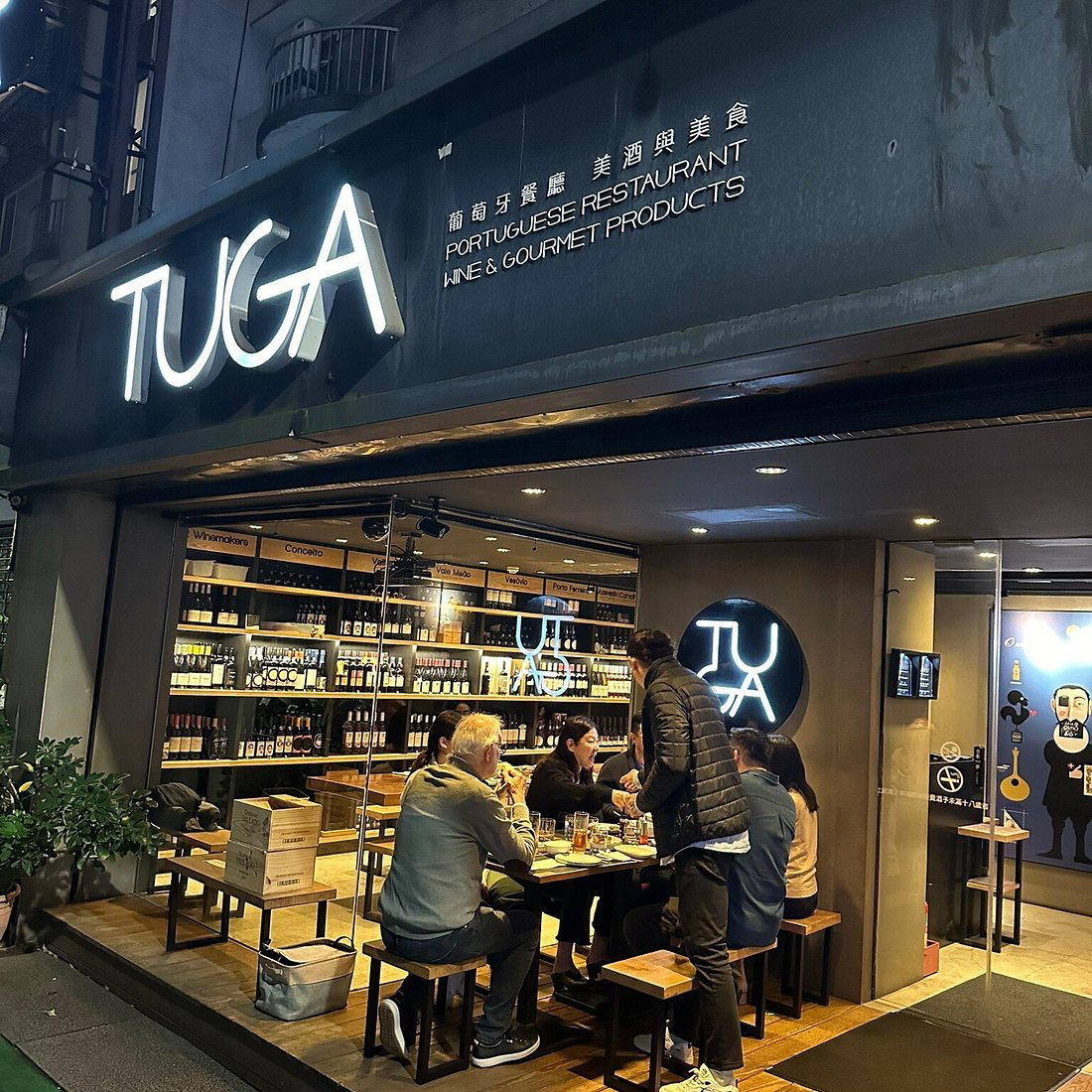
Where Lisbon's Drinking Culture Lands in Da'an
The stretch of Zhongxiao East Road around Section 4 is one of Taipei's more commercially layered corridors, where Japanese chains, local coffee houses, and the occasional specialist operator compete for foot traffic. TUGA sits at No. 12號, Alley 11, Lane 216, Section 4, Zhongxiao E Rd in Da’an District, Taipei City. That separation from the main drag is less about hiding and more about the kind of neighbourhood insert that Da'an does well: residential density within walking distance of good transit, enough foot traffic to sustain a hybrid wine-and-food operation, and a clientele that tends to know why it came.
Portuguese wine culture is built around the table rather than the tasting flight, and the format here reflects that. The space operates simultaneously as a wine shop and a dining room, a pairing that places it in a small cohort of Taipei operators. In a city where serious wine programming is usually attached to high-ticket French or Japanese formats, the Iberian anchor is a genuine point of difference. Vinho Verde, aged reds from the Douro, and the orange and amber wines that have found a stronger audience in Asia over the past decade all carry different food logic than Burgundy or Barolo, and a kitchen built around Portuguese cooking is positioned to make that logic work.
The Architecture of a Portuguese Meal
Traditional Portuguese cooking has a progression logic that Western diners sometimes underestimate. It does not perform in the same register as Spanish cuisine's theatrical small-plate format, nor does it default to the vertical precision of French gastronomy. What it does is sequence: salt cod in multiple registers, cured meats and boards early in the meal, petiscos functioning as Portuguese-inflected bar snacks before the table shifts to heavier protein and deeply reduced sauces. That architecture rewards patience and, critically, rewards wine pairing across multiple acts rather than demanding a single bottle solution.
At TUGA, this progression anchors what distinguishes the kitchen from generic European restaurants operating in Taipei's mid-to-upper tier. Portuguese flavours built around preserved seafood, olive oil, garlic, and long-cooked meats are inherently wine-friendly in ways that match the shop's inventory. The meal moves from lighter, acidic moments into richness without requiring the theatrical reveal structures that tasting menus at spots like logy or Taïrroir are built around. The ambition here is different. Where Molino de Urdániz brings Spanish contemporary technique to a format that demands attention course by course, TUGA's Portuguese framework is more conversational, more oriented around the accumulation of flavour across the table than the individual statement dish.
Wine-First Dining in a French-Dominated City
Taipei's premium restaurant scene defaults heavily to French frameworks. L'Atelier de Joël Robuchon anchors the luxury French end, while Cantonese institutions like Le Palais operate in a separate prestige register altogether. Against that backdrop, a Portuguese operator whose identity runs through the wine shop rather than the dining room represents something relatively rare: a place where the food earns its position within the wine program rather than the wine being curated to support the food.
This is worth noting because it changes who comes and why. The wine-first format tends to generate a specific kind of regular, one who treats the shop inventory as a reason to plan around the visit, who pairs a bottle purchase with a sitting at the table, and who returns when the inventory rotates. Compared to the reservation-led, tasting-menu dominated tier of Taipei dining, TUGA operates with different rhythms. It sits closer in spirit to the kind of wine bar culture that has consolidated in cities like Lisbon, Porto, and increasingly in New York and London, where the distinction between retail bottle and restaurant service has blurred productively.
For context beyond Taiwan, this hybrid format echoes operations at both ends of the dining spectrum globally. The wine-bar-as-restaurant model has delivered serious food in New York at spots like Le Bernardin's peer city, and in New Orleans where Emeril's demonstrated that beverage-forward destinations can anchor serious culinary reputations over decades. In Taiwan specifically, the spectrum of serious dining extends from Taipei into the regions: JL Studio in Taichung and GEN in Kaohsiung both demonstrate that ambition in Taiwan's restaurant scene is not concentrated in the capital, but TUGA's particular niche, Iberian cooking with a wine-retail backbone, remains specific to Taipei's Da'an neighbourhood.
Planning Your Visit
TUGA is located at No. 12, Alley 11, Lane 216, Section 4, Zhongxiao East Road, Da'an District, which puts it in a dense, walkable part of the city with MRT access along the Bannan Line. The alley address means first-time visitors should allow a few extra minutes to locate the entrance. Given the hybrid wine-shop format, visits work well either as a stop timed around browsing the bottle inventory or as a full sitting with food, and the two purposes coexist without forcing a choice. Reservations are recommended, and the restaurant is open daily from 12 to 10:30 PM. Those extending the trip to other parts of Taiwan will find the range wide: from Zhu Xin Ju in Tainan to Akame in Wutai Township, Volando Urai Spring Spa and Resort in Wulai District, and A Gan Yi Taro Balls in New Taipei offer distinct formats across the island.
Same-City Peers
Comparable venues nearby, for context on price, style, and recognition.
| Venue | Cuisine | Price | Notes |
|---|---|---|---|
| TUGA Portuguese RestaurantThis venue — the venue you are viewing | Authentic Portuguese | $$$ | Not listed |
| The zoo vegan food and beverage | Vegan Cafe | $$ | Ciyou |
| Clavius | Modern Taiwanese Vegan | $$$ | Dongchang |
| 大鵬灣食堂 | Premium Taiwanese Seafood & Bluefin Tuna Omakase | $$$ | Da'an District (Taipei) |
| Mu: Taipei | Innovative Taiwanese Fine Dining | $$$ | Sinsing District |
| Buttermilk 摩登美式餐廳 | Modern American | $$$ | Zhongshan |
Recognition history
Dated appearances from independent guides and award organizations, with the underlying list record or original source where available.
Star Wine List
Star Wine List
Continue exploring
More in Taipei
Restaurants in Taipei
Browse all →
Bars in Taipei
Browse all →
Hotels in Taipei
Browse all →
Wineries in Taipei
Browse all →
At a Glance
- Cozy
- Modern
- Elegant
- Intimate
- Date Night
- Business Dinner
- Special Occasion
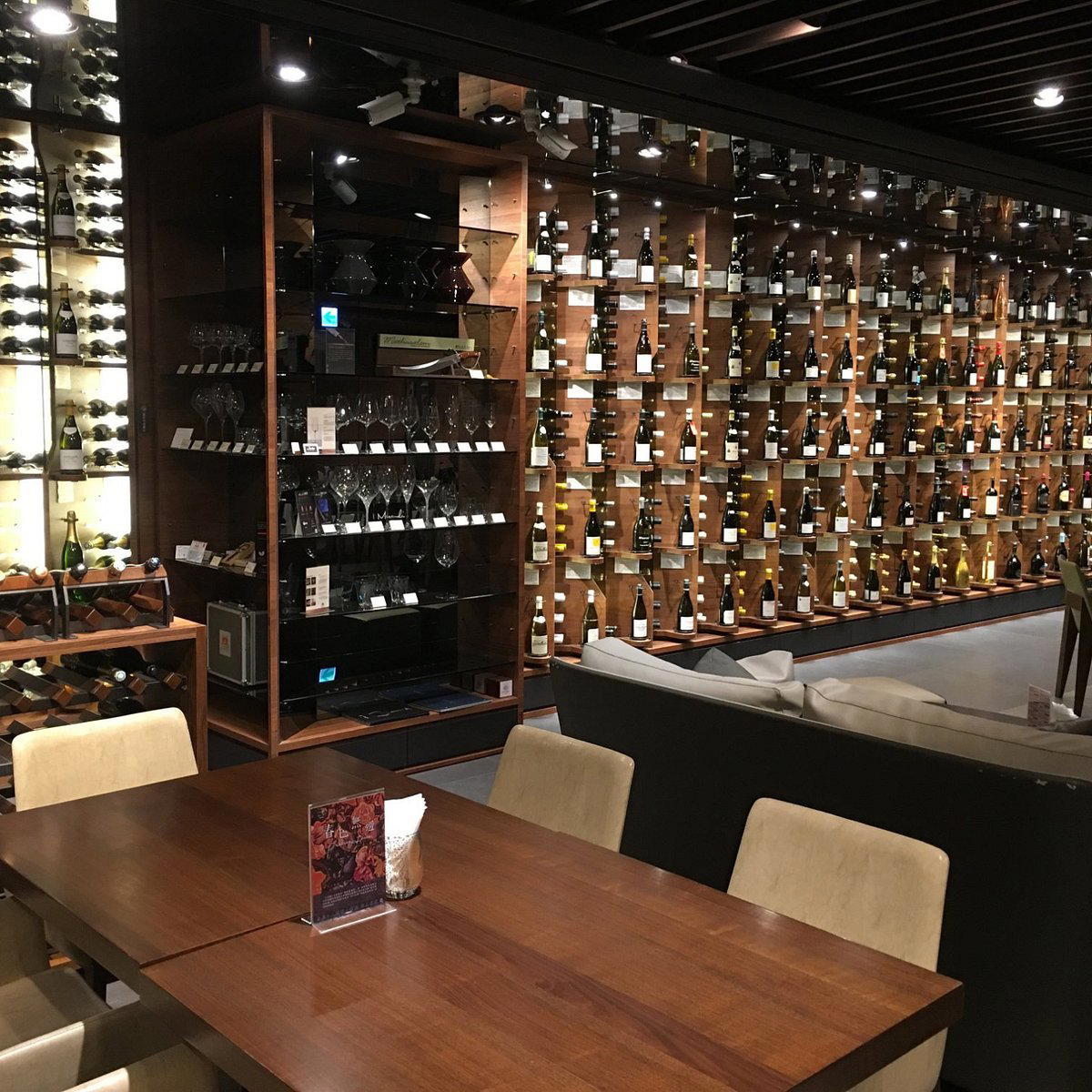
- Wine Cellar
- Extensive Wine List
Current opening hours
- Monday
- 12–10:30 PM
- Tuesday
- 12–10:30 PM
- Wednesday
- 12–10:30 PM
- Thursday
- 12–10:30 PM
- Friday
- 12–10:30 PM
- Saturday
- 12–10:30 PM
- Sunday
- 12–10:30 PM
Hours can change for holidays and private events. Last verified .
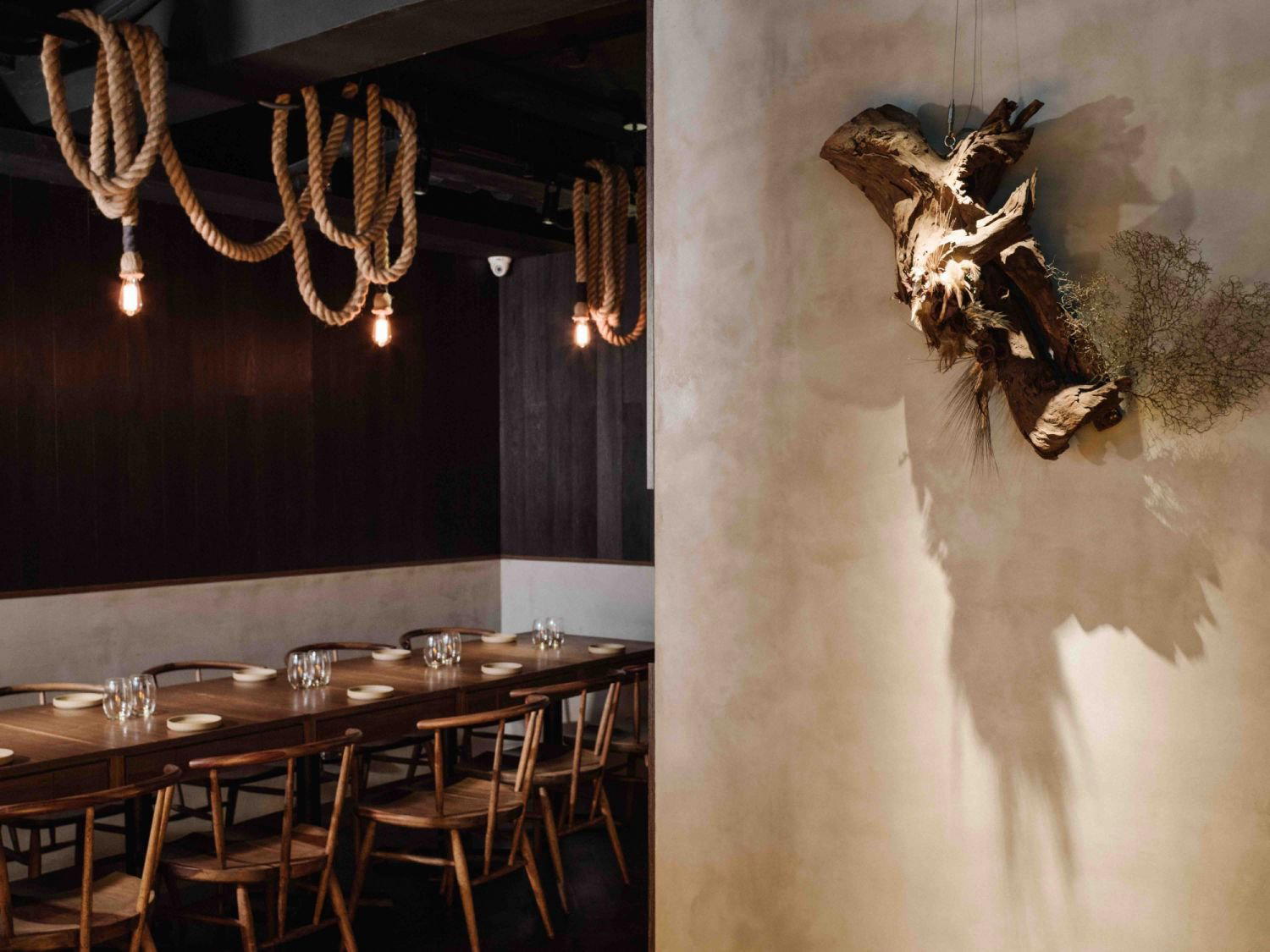
Warm and familiar contemporary atmosphere with modern design, wine shelves, and sparkling cultural elements reflecting Portugal.