
Tabelog 100 #40
Our verdict
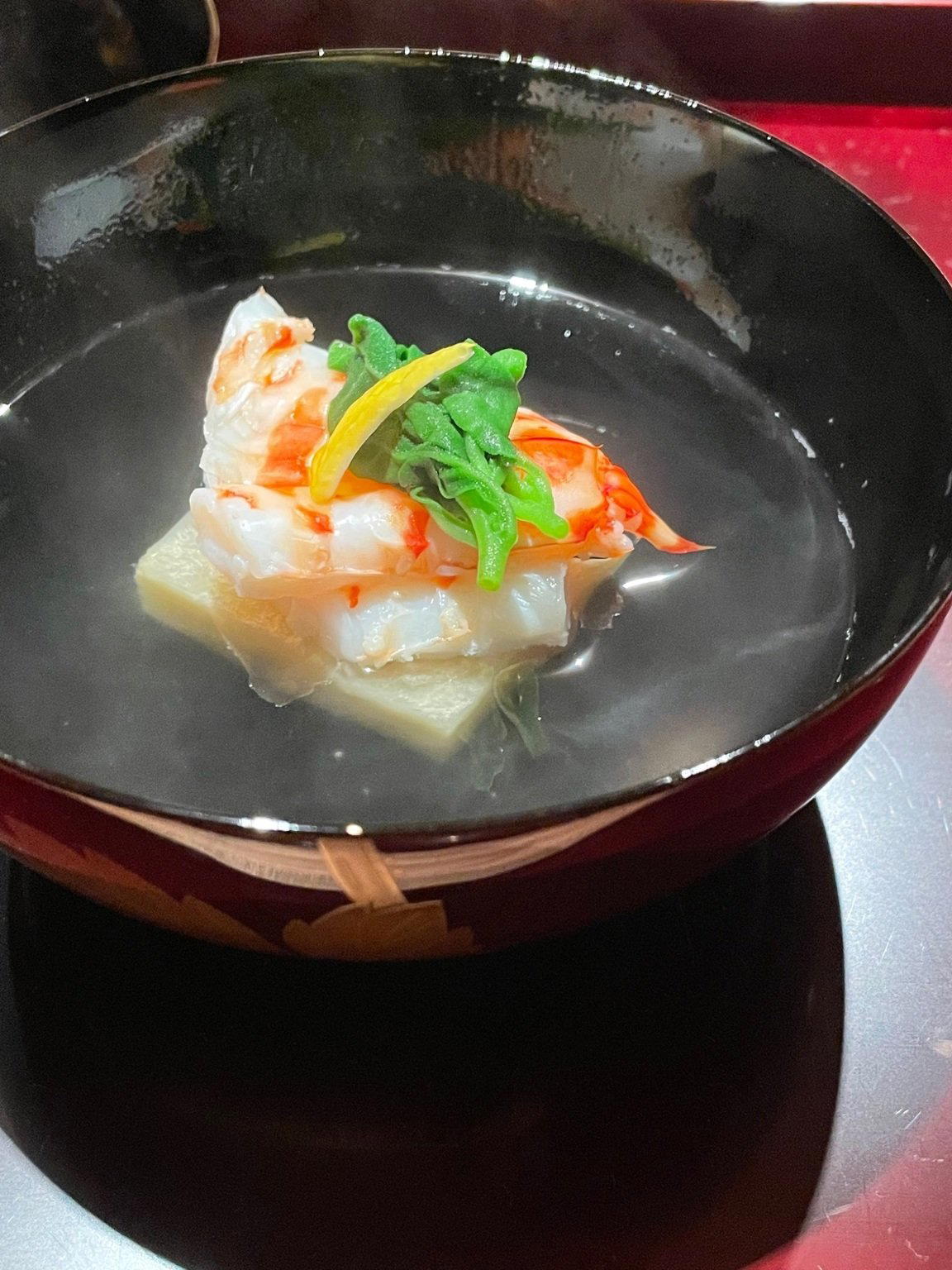
Tsutsui Seijaku brings a private-room Japanese dining format to Nagoya’s Kurumamichi area, with Tabelog Japanese Cuisine EAST 100 selection in 2025 placing it in a tighter regional conversation than the city’s louder dining names. The appeal is not spectacle but planning discipline: small capacity, sake focus, and a meal structure that rewards guests who organise ahead.

Pearl is the En Primeur Club membership app, where members save venues, book tables and use the concierge.
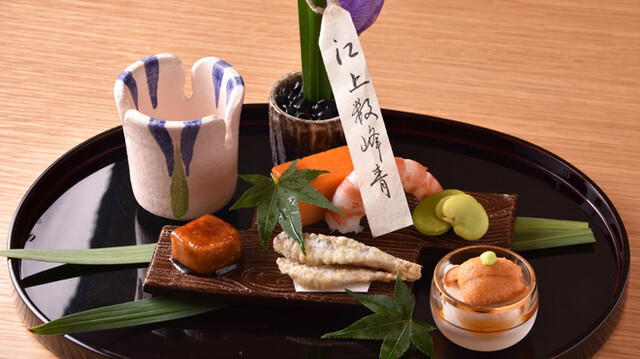
On the quieter side of Nagoya’s dining map, away from the easiest shorthand of station-front meals and late-night grazing, Tsutsui Seijaku sets a more deliberate tone. The city is large enough to reward planning: guests are not simply drifting in between errands, they are choosing a specific restaurant, a specific style of Japanese cooking, and a meal that benefits from deciding ahead rather than improvising at the last minute. In that context, Tsutsui Seijaku belongs to an increasingly visible category in Nagoya: Japanese restaurants where the reservation choice shapes the experience as much as the appetite.
Nagoya is often reduced to miso katsu, tebasaki, kishimen, and the city’s proud, earthy local canon. Serious Japanese dining here works differently. It has to speak to local diners who know regional comfort food intimately, while also meeting the expectations of visitors who increasingly read Nagoya alongside Tokyo, Kyoto, and Kanazawa rather than treating it as a rail stop between them. A 2025 selection for Tabelog Japanese Cuisine EAST 100 gives Tsutsui Seijaku a useful marker in that wider field: not a generic luxury label, but a category-specific recognition within Japanese cuisine.
Serious Japanese dining, judged by timing rather than theatre
The format of a serious Japanese meal matters even when the restaurant keeps the details understated. Conversation, service, and pacing have to work together without relying only on spectacle, and that makes timing one of the clearest measures of confidence. That suits Nagoya’s more discreet high-end dining culture. The city has polished restaurants, but it is less dependent on theatrical scarcity than some better-known dining districts elsewhere; the stronger rooms often make their case through control, hospitality, and repeatable precision.
Tsutsui Seijaku is best approached as a planning-first Japanese restaurant. This is not the kind of place to treat merely as a flexible backup after a day in town. The meal is better understood as structured and deliberate, and the experience works for diners who accept the restaurant’s cadence rather than trying to bend it around a casual schedule. That is the key reader decision: come for a composed Japanese meal in Nagoya, not for an open-ended night of ordering freely.
The drinks decision should be handled with the same restraint. In Japanese restaurants of this tier, beverages are not just an afterthought; they can shape how the meal is read. No specific sake, wine, or pairing format should be assumed in advance, but diners should expect the choices around the meal to matter. The better frame is washoku-led attentiveness rather than a Westernised tasting-menu template imposed from outside.
Where it sits in Nagoya's more serious restaurant conversation
Nagoya’s upper dining tier is not a single lane. Other Nagoya dining rooms point to a city with room for multiple dining modes rather than one dominant luxury style. The comparison venues sharpen the picture: Reminiscence, Tatsufumi Shiten, Sushi Tesaku, Bacio, and Chuka Soba Paikaro all show how varied the city’s restaurant conversation can be. Read together, they are a reminder that Nagoya’s food culture is broad enough to hold destination meals and more everyday dining without forcing them into the same frame.
Against that field, Tsutsui Seijaku reads as a controlled Japanese-cuisine address rather than a broad-access restaurant. The Tabelog score of 3.85 and the 2025 Japanese Cuisine EAST 100 selection matter because they give outside readers a frame for a restaurant that does not need mass visibility to be relevant. In Japan, especially on Tabelog, higher scores in traditional cuisine tend to accumulate cautiously; a number in this range is not casual applause. It signals that diners are evaluating the restaurant against a serious local standard.
The recognition adds another layer. A restaurant appearing in a 2025 category selection should not automatically be read as a finished institution, but it does show that Tsutsui Seijaku has entered a serious regional conversation. For travellers who usually default to the most famous names, that context is part of the appeal: this is a Nagoya Japanese restaurant being measured within a specific cuisine category rather than promoted only through broad luxury language.
How to plan the meal without overcomplicating it
The practical lesson is simple: treat the restaurant as an anchored meal rather than one stop in a loose evening. Nagoya is easy enough to fold into a broader city itinerary, but the experience is better approached with slack around it. A serious Japanese dinner loses its point when guests arrive rushed, late, or mentally halfway to the next bar. Build the night around the meal, then decide whether to continue elsewhere afterward.
Travellers mapping a fuller stay should pair this kind of dinner with a broader view of the city rather than forcing every meal into the same category. Our full Nagoya restaurants guide is the natural starting point for dining context, while Our full Nagoya hotels guide, Our full Nagoya bars guide, Our full Nagoya wineries guide, and Our full Nagoya experiences guide help place the reservation inside a more coherent trip. Readers comparing Japanese dining across the country can also look at other cities generically; the point is not similarity, but how format, category, and local dining culture change expectations.
The right diner for Tsutsui Seijaku is not chasing a trophy counter or a maximalist tasting menu. The stronger case is narrower: a Japanese-cuisine meal in Nagoya where category recognition, a Tabelog score of 3.85, and a dinner budget listed at JPY 20,000 - JPY 29,999 all point toward a controlled, planning-led experience. For a city that rewards travellers who look beyond its shorthand dishes, that is a useful and grown-up proposition.
Frequently asked questions
How much does it cost to eat at Tsutsui Seijaku?
Pricing at Tsutsui Seijaku is listed as Dinner: JPY 20,000 - JPY 29,999; Lunch: JPY 8,000 - JPY 9,999.
Where exactly is Tsutsui Seijaku?
Nagoya.
Do I need a reservation for Tsutsui Seijaku?
For a Japanese restaurant in this price band, it is sensible to plan ahead and confirm availability directly with Tsutsui Seijaku before going.
What do critics highlight about Tsutsui Seijaku?
The clearest marker is its selection for Tabelog 100 Japanese cuisine EAST 2025, alongside a Tabelog score of 3.85 and its listing in the Japanese Cuisine category in Nagoya.
Style and Standing
Comparable venues at the same tier for side-by-side context.
| Venue | Cuisine | Price | Awards | Notes |
|---|---|---|---|---|
| Tsutsui SeijakuThis venue (the venue you are viewing) | Seasonal Japanese Kaiseki in Private Rooms | $150–200 | Tabelog 100 #40 | Not listed |
| Tori Ryori Masa | Yakitori & Chicken Cuisine | $50–100 | Tabelog 100 #69 | Higashi |
| Saitobi Hida Gyu Shabusuki Ya Bakuro Ichidai Nagoya WEST | Hida beef shabu-shabu and sukiyaki | $50–100 | Tabelog 100 #27 | Nishi |
| Yama no I | Sushi Omakase / Japanese Cuisine | $150–200 | Tabelog 100 #30 | Chikusa |
| 雪月花たなかさとる | Modern Japanese Yakiniku | $200–300 | Tabelog Bronze #398 | Naka |
| Tempura Yokoi | Traditional Tempura Restaurant | $50–100 | Tabelog 100 #33 | Moriyama |
Recognition history
Dated appearances from independent guides and award organizations, with the underlying list record or original source where available.
Tabelog 100 #40 · No. 40
Tabelog · Tabelog 100 - Japanese cuisine - EAST - 2025
Continue exploring
More in Nagoya
Restaurants in Nagoya
All restaurants in Nagoya →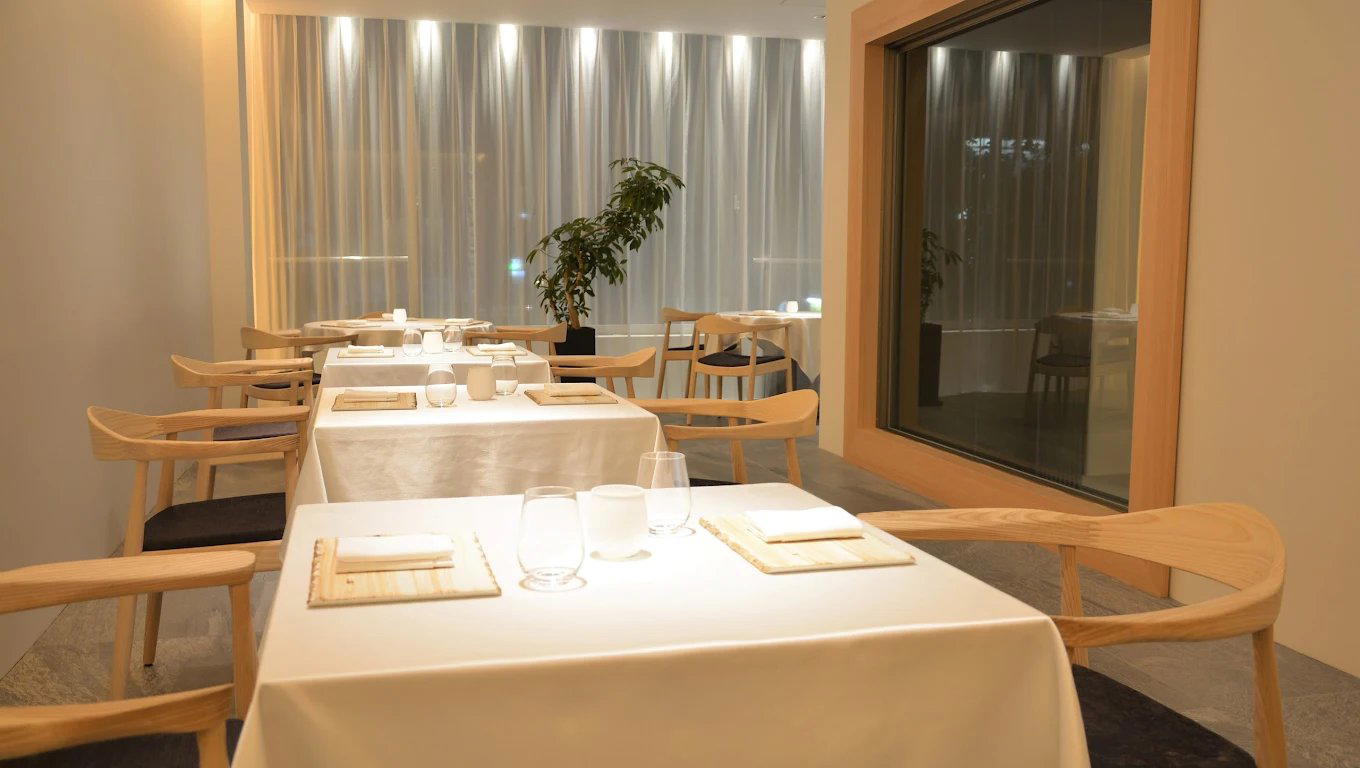

Details
- Intimate
- Quiet
- Elegant
- Cozy
- Date Night
- Business Dinner
- Special Occasion
- Celebration
- Group Dining
- Private Dining
- Standalone
- Design Destination
- Sake Program
- Local Sourcing
- Farm To Table
- Tasting Menu
- Set Menu
- Sake
- Beer
- Wine
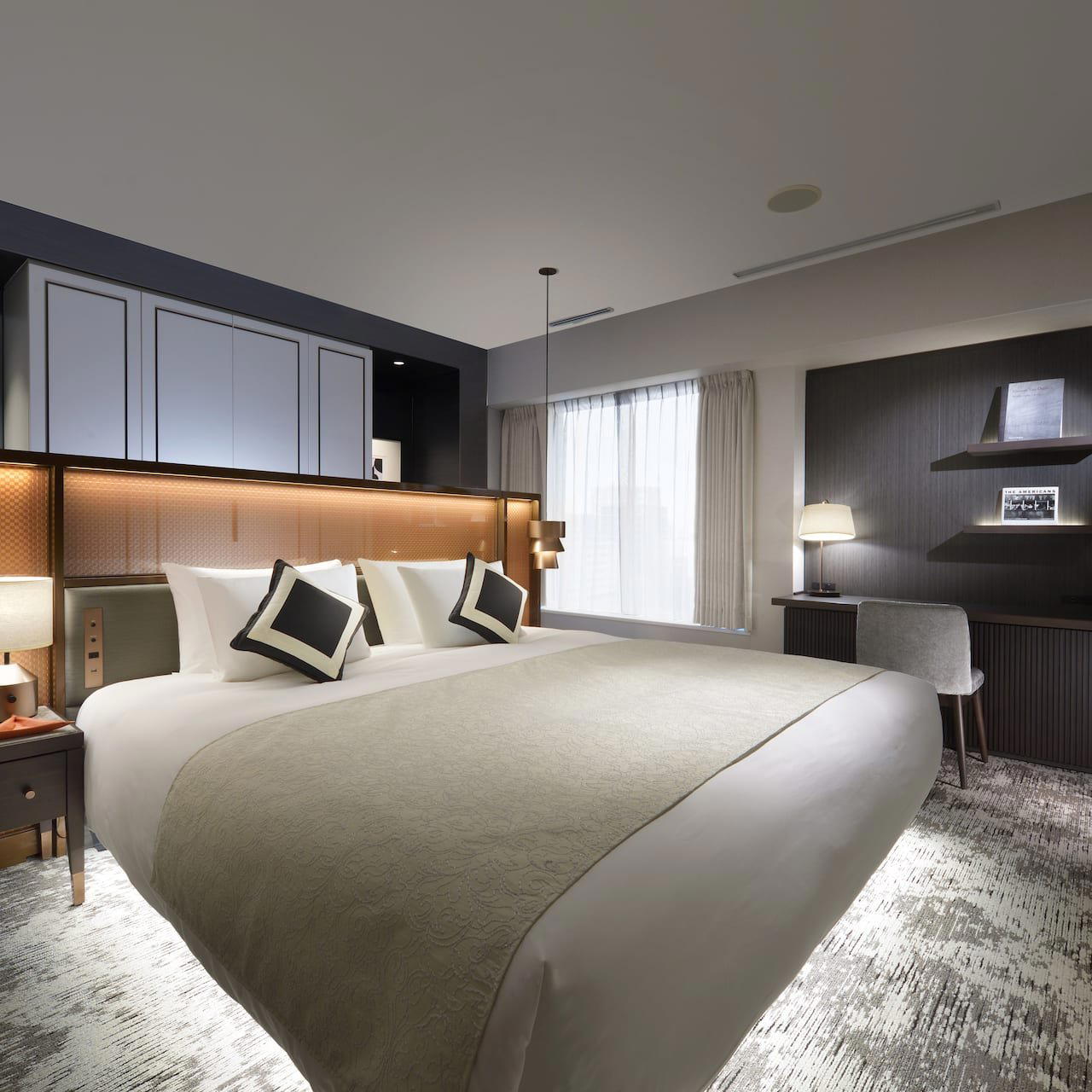
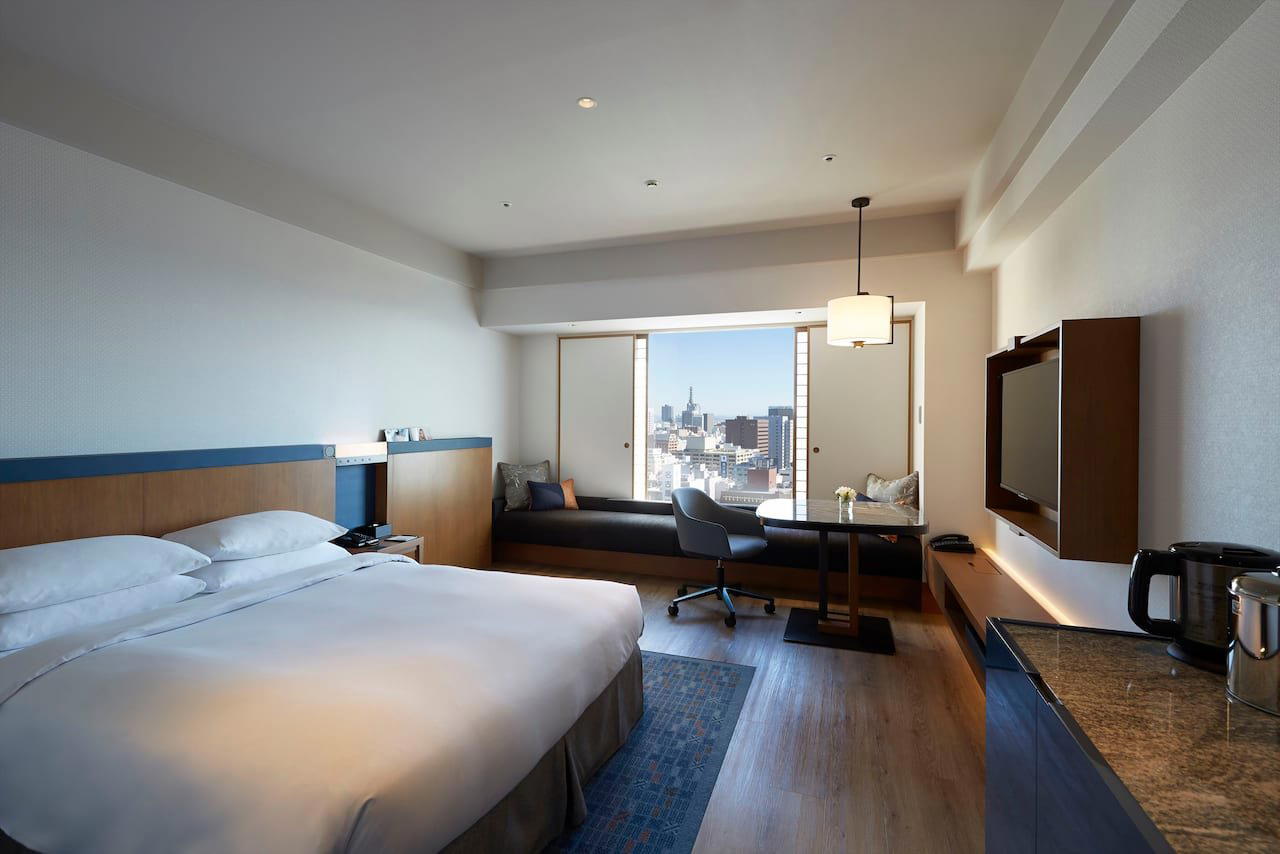
Calm, understated Japanese interiors with fully private rooms, subdued lighting, and a focus on a serene, non-ordinary atmosphere where guests can quietly enjoy seasonal dishes and conversation.