Tsukiyo Sushi
Tsukiyo Sushi occupies a Wilshire Boulevard address in Los Angeles's Koreatown-adjacent corridor, positioning itself within the city's growing tier of serious Japanese counter dining. The format sits alongside venues like Hayato in representing LA's appetite for disciplined, import-quality fish work paired with considered beverage programs. Reservations and current hours are best confirmed directly with the venue.
Pearl is the En Primeur Club membership app — saves, bookings, and concierge access live there. Same editors, same standards.
- Address
- 3959 Wilshire Blvd, Los Angeles, CA 90010
- Phone
- (213) 375-7500
- Website
- tsukiyosushi.com
- Directions
- Get directions
 Saves & bookings on Pearl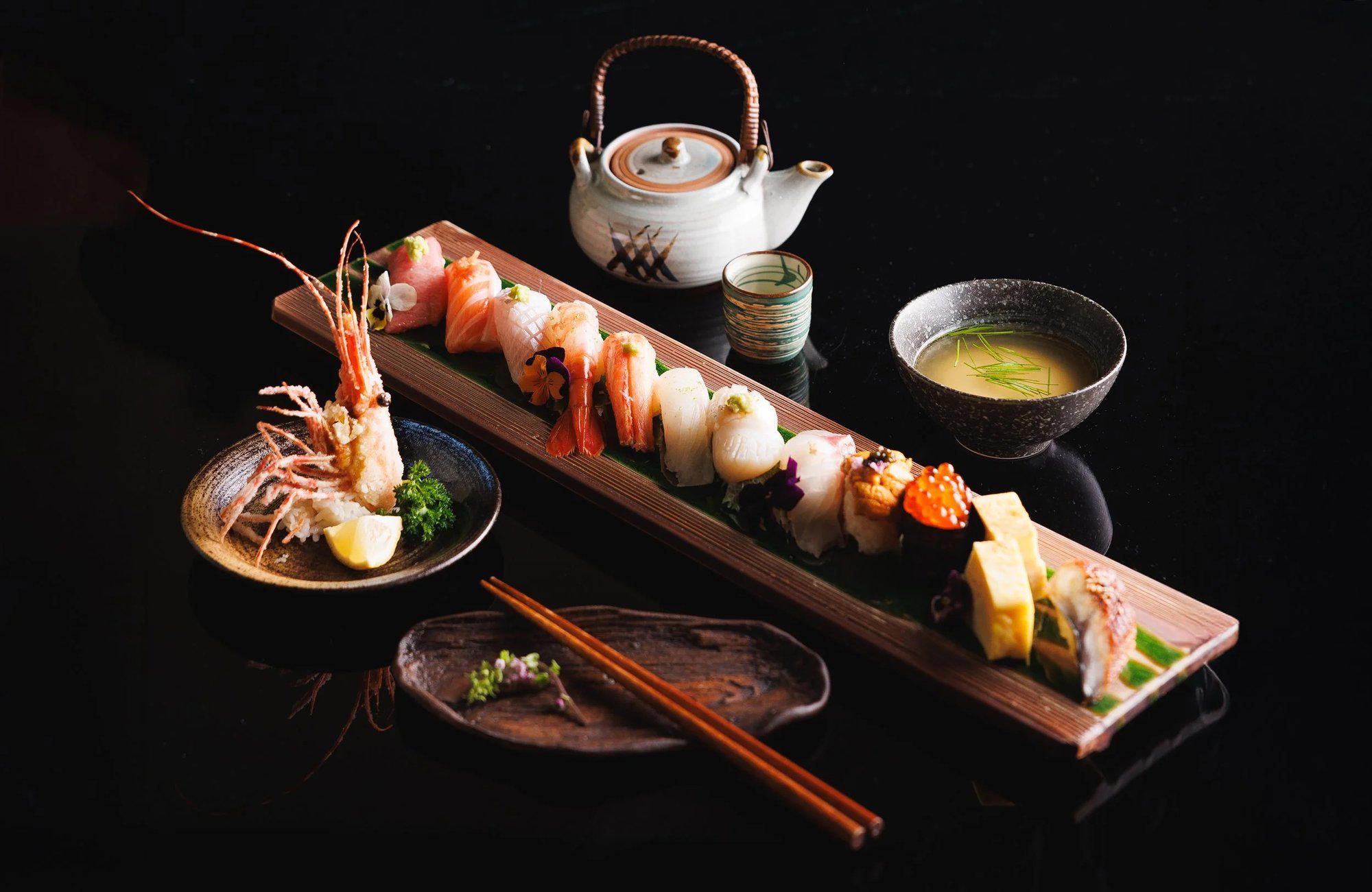
Where Wilshire Boulevard Meets the Sushi Counter
Los Angeles has spent the better part of a decade building a credible high-end sushi tier, and the geography of that tier keeps shifting. For years, the action concentrated in West Hollywood, Beverly Hills, and the South Bay, where Japanese-American communities had long sustained serious fish culture. More recently, counters have begun surfacing along corridors that don't fit that historical map, including the stretch of Wilshire Boulevard running through Koreatown and Mid-Wilshire, where Tsukiyo Sushi holds its address at 3959 Wilshire Blvd. That location alone signals something about the current moment: premium sushi is no longer the exclusive territory of a handful of recognized zip codes.
The broader context matters here. LA's omakase market has stratified into at least three recognizable price bands over the past five years, from approachable neighborhood counters to allocation-only experiences priced above most of their New York peers. Venues like Hayato in the Arts District and Kato in West Adams have demonstrated that serious Japanese-influenced dining can anchor itself outside traditional luxury corridors and still attract a committed, well-informed clientele. Tsukiyo Sushi's Wilshire positioning follows that same logic.
The Wine Angle at a Sushi Counter
One of the more interesting developments in LA's high-end Japanese dining scene is how seriously some counters have begun treating their beverage programs, and specifically wine. The traditional pairing at an omakase table runs through sake, beer, or at most a whisky list. But a small cohort of Los Angeles sushi counters has started building wine lists with genuine cellar depth, responding to a clientele that arrives from wine-forward dinner culture and expects the same level of curation applied to the glass as to the fish.
This shift is not distinctive to sushi. Across LA's upper-tier restaurants, Providence has long maintained one of the city's most serious wine programs for seafood-forward dining, and Somni demonstrated that even highly structured tasting menus could be built around beverage as a co-equal narrative, but it lands differently at a sushi counter, where the restraint of the food demands equal restraint from the sommelier. The leading pairings in this format tend toward high-acid whites, mature Champagne, and the occasional aged red from Burgundy or the Rhône, rather than the heavier allocations that anchor other fine dining lists in the city.
For Tsukiyo Sushi, sitting on a Wilshire corridor rather than in a hotel dining room or a recognized fine dining block, a considered beverage program can shape the evening beyond the omakase sequence. That kind of program draws from the same logic as what Le Bernardin in New York City applies to seafood pairings, or what Single Thread Farm in Healdsburg does with hyper-seasonal beverage curation: the list becomes an editorial statement about what the kitchen values, not just an upsell vehicle.
Sushi Dining in the Mid-Wilshire Corridor
The Mid-Wilshire and Koreatown stretch of Wilshire Boulevard is one of LA's more genuinely mixed dining corridors. Korean barbecue anchors the eastern end; the stretch west of Western Avenue carries a mix of older Japanese restaurants, contemporary Filipino concepts, and a scattering of newer openings that reflect the neighborhood's increasing density of young professional residents. For a sushi counter to plant itself here rather than in Brentwood or Larchmont is a statement about audience: the guests who make the restaurant their regular counter are likely as interested in the neighborhood's food culture broadly as they are in the specific format of the meal.
Compare this to the positioning of Osteria Mozza, which anchored a fine dining identity on Melrose at a time when that block wasn't obvious, or the way Hayato drew a destination audience to the Arts District before the neighborhood fully consolidated its dining identity. Location risk in LA's fine dining market has, historically, rewarded operators who bet on neighborhood trajectories rather than existing prestige addresses.
LA in the National Context
Los Angeles now operates as a genuine peer to New York and Chicago in the fine dining category, not as a secondary market. Alinea in Chicago and Atomix in New York City represent the kind of long-sustained, critically reinforced track record that their respective cities anchor their fine dining identities around. LA's version of that story is still being written, which is part of what makes the current crop of counters and tasting rooms interesting to follow. Somni's return generated significant critical attention precisely because it filled a gap that LA hadn't fully replaced. The city's sushi tier, meanwhile, draws international comparison points: serious omakase culture in LA now benchmarks against Tokyo and Hong Kong rather than just against domestic peers, and counters operating at the higher end are priced and structured accordingly.
For reference, 8 1/2 Otto e Mezzo Bombana in Hong Kong represents the kind of fine dining that integrates European cellar depth with Asian culinary foundations, a model that LA's most ambitious Japanese counters are, in different ways, also attempting. The tension between rigorously traditional omakase formats and a wine-literate, globally mobile clientele is productive: it pushes beverage programs toward genuine expertise rather than gesture.
Cuisine Lens
Comparable venues nearby, for context on price, style, and recognition.
| Venue | Cuisine | Price | Notes |
|---|---|---|---|
| Tsukiyo SushiThis venue — the venue you are viewing | Handcrafted Japanese Sushi | $$ | Not listed |
| Yakitoriya | Traditional Yakitori | $$ | Sawtelle |
| Izakaya Osen | Traditional Japanese Izakaya | $$ | Silver Lake |
| Azai Hand Roll Sushi | Hand Roll Sushi Bar | $$ | Beverly Grove |
| Konbi Ni | Japanese Konbini-Style Sandwiches & Breakfast | $$ | Echo Park |
| Tsujita Annex | Tokyo-Style Tonkotsu Shoyu Ramen | $$ | Sawtelle |
Continue exploring
More in Los Angeles
Restaurants in Los Angeles
Browse all →
Bars in Los Angeles
Browse all →
Hotels in Los Angeles
Browse all →
Wineries in Los Angeles
Browse all →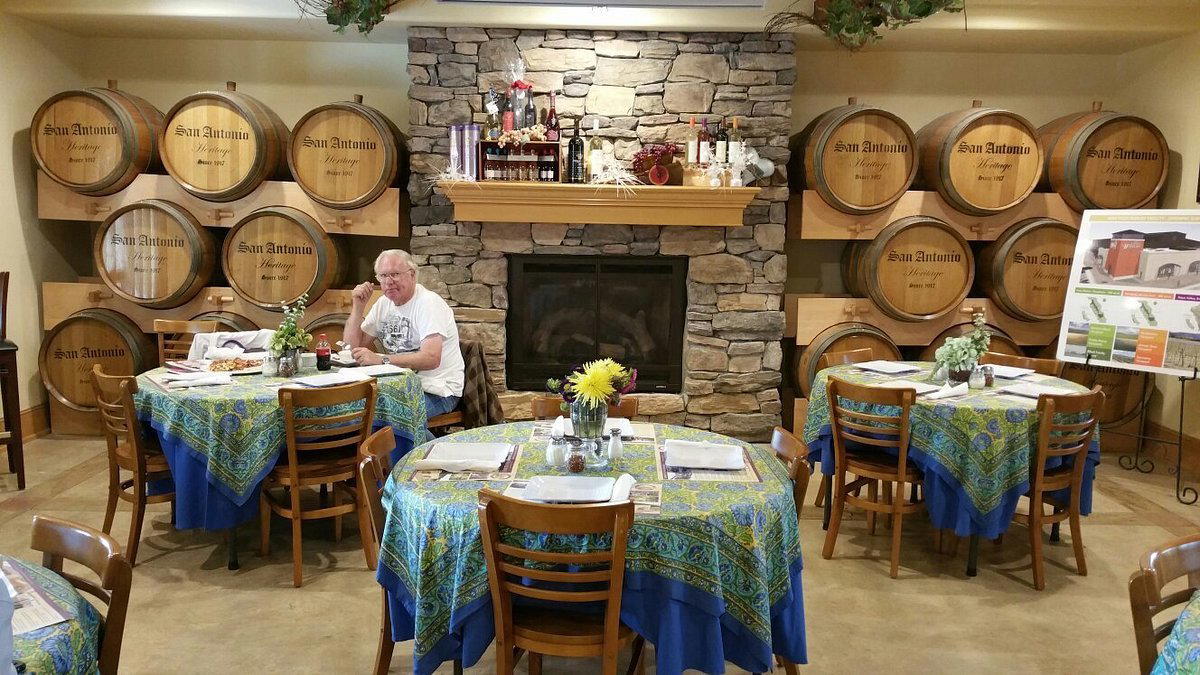
At a Glance
- Cozy
- Elegant
- Intimate
- Casual Hangout
- Group Dining
- Celebration
- Special Occasion
- Private Dining
- Sake Program
Current opening hours
- Monday
- 11:30 AM–10 PM
- Tuesday
- 11:30 AM–10 PM
- Wednesday
- 11:30 AM–10 PM
- Thursday
- 11:30 AM–10 PM
- Friday
- 11:30 AM–11 PM
- Saturday
- 11:30 AM–11 PM
- Sunday
- 11:30 AM–10 PM
Hours can change for holidays and private events. Last verified .
Warm and inviting atmosphere filled with joy and laughter, designed as a gathering spot where every visit becomes a cherished memory.