Yakitoriya
Yakitoriya occupies a strip-mall address on West Olympic Boulevard that understates what the kitchen is doing with skewered chicken. The format follows the Japanese yakitori tradition closely, where different cuts and preparations rotate through a charcoal-driven menu. For Los Angeles diners familiar with the city's serious Japanese dining tier, it sits in a specific and underserved category.
- Address
- 11301 W Olympic Blvd, Los Angeles, CA 90064
- Phone
- +13104795400
- Website
- torihei-usa.com
- Directions
- Get directions
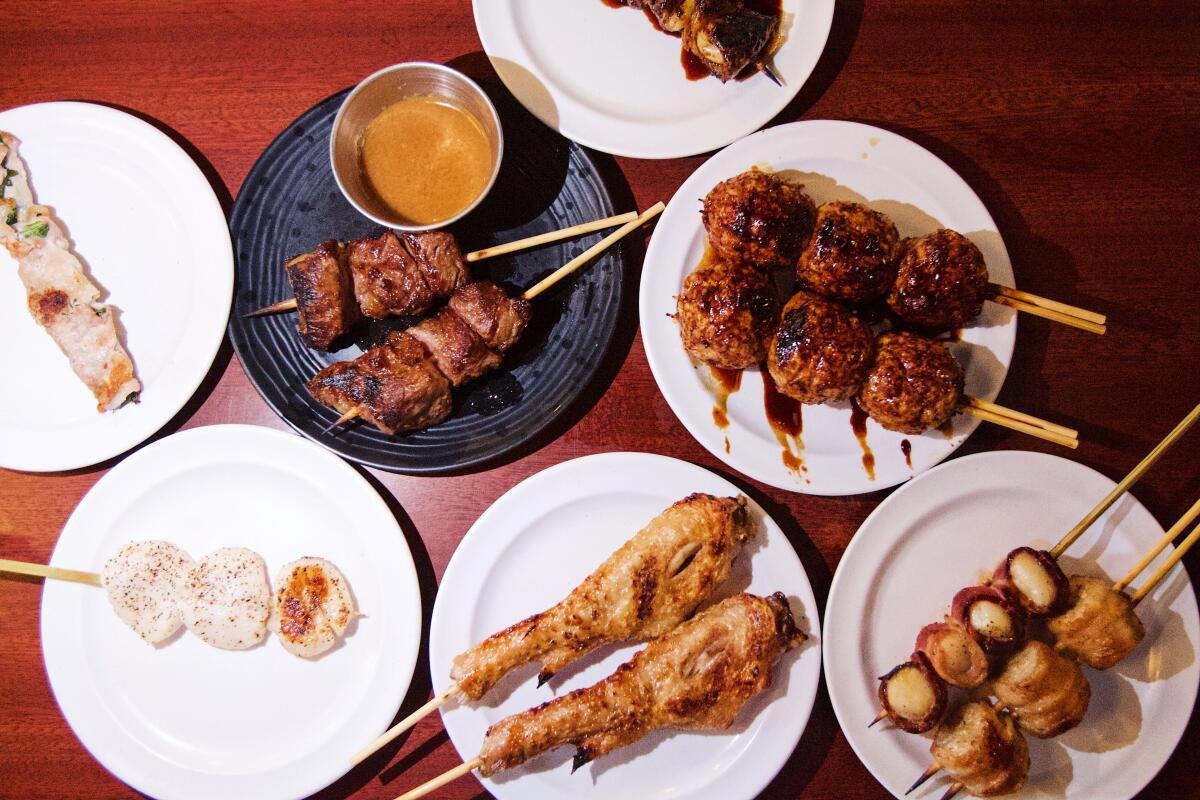
Yakitori in Los Angeles: A Category Finding Its Footing
Los Angeles has built a serious Japanese dining identity over the past decade, with a cluster of high-commitment counters — Hayato, Kato, and others — anchoring the city's claim to precision-focused Japanese cooking. What has remained less developed, relative to Tokyo's depth, is the yakitori tier: that specific tradition of charcoal-grilled skewers where every part of the bird receives considered treatment, and where the format governs the meal as firmly as any omakase counter. Yakitoriya, on West Olympic Boulevard in the Sawtelle corridor, addresses that gap directly.
The yakitori format deserves its own framing before getting to the specifics. In Japan, yakitori-ya (the suffix simply means 'shop' or 'specialist') operate across a wide range, from standing-room izakaya where salary workers drink after work to refined counters where the grill master treats each cut with the seriousness of a sushi chef selecting fish. Los Angeles has historically skewed toward the izakaya end of that range. Venues operating with the focus and discipline of the latter type remain fewer, which shapes how Yakitoriya lands in the city's dining conversation.
The Daytime and Evening Split
The lunch-to-dinner divide at yakitori specialists tends to follow a pattern that differs sharply from, say, French or Italian formats. At lunch, yakitori venues in Japan often simplify: set meals built around a fixed skewer count, rice, and soup, priced to move workers in and out efficiently. The evening service allows the format to breathe, longer progression through cuts, more varied preparations, drinking-pace rhythm. Whether Yakitoriya maintains two distinct services or concentrates on one is a variable worth confirming directly before visiting, since the address (a West Olympic Boulevard strip location rather than a downtown dining-district address) suggests a neighborhood regulars dynamic that may skew toward practical lunchtime trade during the week.
That neighborhood character matters for setting expectations. West Olympic between Sepulveda and the 405 is a functional commercial stretch with a significant Japanese-American community nearby. Sawtelle Japantown, a few blocks north, has long concentrated Japanese food businesses ranging from ramen shops to specialty grocery. Yakitoriya's address places it adjacent to but slightly removed from that cluster, a positioning that often means a place is serving the community rather than performing for the food-tourist circuit. That's not a drawback; it's a context signal.
What the Format Demands
Yakitori's discipline as a format comes from its constraints. The grill, typically binchōtan charcoal, a white oak charcoal that burns at high, consistent heat with minimal smoke, demands physical proximity and constant attention from the cook. Unlike a kitchen with multiple stations, a yakitori counter is spatially compact, which limits seat counts and sets a natural ceiling on volume. That structural reality is why the leading yakitori operations worldwide tend toward small rooms. It also shapes the pricing: low throughput combined with premium product (quality chicken sourced from specific farms, organ cuts requiring careful handling) means the economics look different from, say, an izakaya with a broad kitchen menu.
The progression through cuts at a serious yakitori counter follows rough logic: white meat first (breast, tenderloin), then fattier thigh cuts, then organs (liver, heart, gizzard), then skin, then specialty items like the tail or the oyster (the small piece of dark meat near the thigh socket). The ordering of that progression isn't arbitrary, it reflects both flavor intensity and the grill's behavior across a session. Diners unfamiliar with the format often over-order early, missing the back-half cuts that tend to be the most technically interesting.
Where Yakitoriya Sits in the Los Angeles Japanese Dining Picture
Los Angeles's premium Japanese dining tier has consolidated around a small set of counters that operate with Michelin-level precision. Hayato in the Row DTLA represents the kaiseki end of that spectrum. Kato operates at the intersection of Taiwanese and Japanese sensibility. Somni and comparable tasting-format rooms occupy the progressive end. None of those operate as yakitori specialists. That specificity is Yakitoriya's positioning: not competing directly with the kaiseki counters, but occupying a category that Los Angeles has been slower to develop at the focused-specialist level.
For comparison points outside Los Angeles, the yakitori-specialist format has gained more consistent recognition in New York, where a handful of counters have brought the discipline to a broader American dining audience. The interest in Japanese grilling traditions has also grown alongside the wider North American engagement with Japanese food culture, a trend that has benefited everything from omakase sushi to ramen to tonkatsu specialists. Yakitoriya's presence on West Olympic places it inside that broader expansion of the format in American cities, even if its neighborhood address keeps it outside the mainstream dining press circuit.
Diners who approach Los Angeles's Japanese dining scene through the city's higher-profile rooms, Providence on Melrose for seafood, Osteria Mozza for Italian, may not encounter Yakitoriya in the usual channels. It doesn't occupy the same tier of press coverage as those venues. But for anyone tracking the city's Japanese dining depth, a yakitori specialist with a neighborhood address and apparent longevity in a competitive corridor is worth attention. See our full Los Angeles restaurants guide for broader context on how the city's dining districts map across neighborhoods.
The Wider American Fine Dining Frame
To situate Los Angeles's specialty dining within the national picture: the American cities with the most developed serious-dining ecosystems, New York (Le Bernardin, Atomix), Chicago (Alinea), San Francisco (Lazy Bear), Napa (The French Laundry), and Healdsburg (Single Thread Farm), have tended to develop specialty Japanese formats earlier and more visibly than Los Angeles, despite the city's larger Japanese-American population. That gap has been closing. Venues like Addison in San Diego, Blue Hill at Stone Barns in Tarrytown, The Inn at Little Washington, Bacchanalia in Atlanta, Emeril's in New Orleans, and 8½ Otto e Mezzo Bombana in Hong Kong illustrate how specialty-format dining has deepened across different markets. In Los Angeles, yakitori specialists represent one of the format gaps still being filled.
Know Before You Go
- Address: 11301 W Olympic Blvd, Los Angeles, CA 90064
- Neighborhood: West Los Angeles, near Sawtelle Japantown
- Format: Yakitori specialist; charcoal-grill focus
- Hours: Confirm directly before visiting, hours not listed
- Price range: Not listed; expect yakitori-specialist pricing to reflect low-throughput, quality-sourced product
- Parking: Strip-mall address with surface parking on West Olympic
Cuisine and Credentials
A small set of peers for context, based on recorded venue fields.
| Venue | Cuisine | Price | Awards |
|---|---|---|---|
| YakitoriyaThis venue — the venue you are viewing | Not listed | Not listed | Not listed |
| Kato | New Taiwanese, Asian | $$$$ | Michelin 1 Star |
| Hayato | Japanese | $$$$ | Michelin 2 Star |
| Vespertine | Progressive, Contemporary | $$$$ | Michelin 2 Star |
| Camphor | French-Asian, French | $$$$ | Michelin 1 Star |
| Gwen | New American, Steakhouse | $$$$ | Michelin 1 Star |
Continue exploring
More in Los Angeles
Restaurants in Los Angeles
Browse all →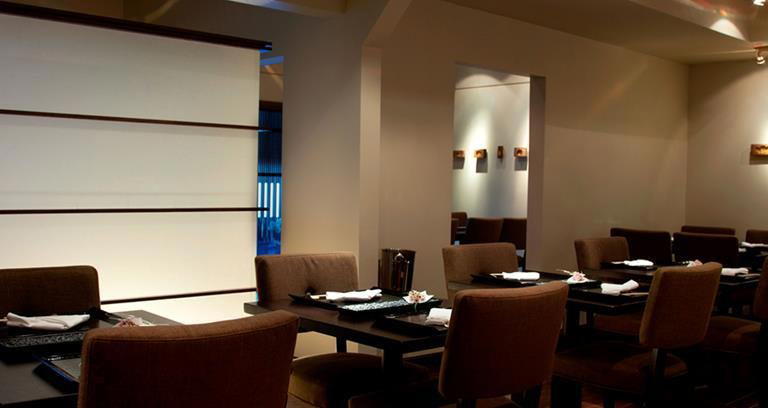
Bars in Los Angeles
Browse all →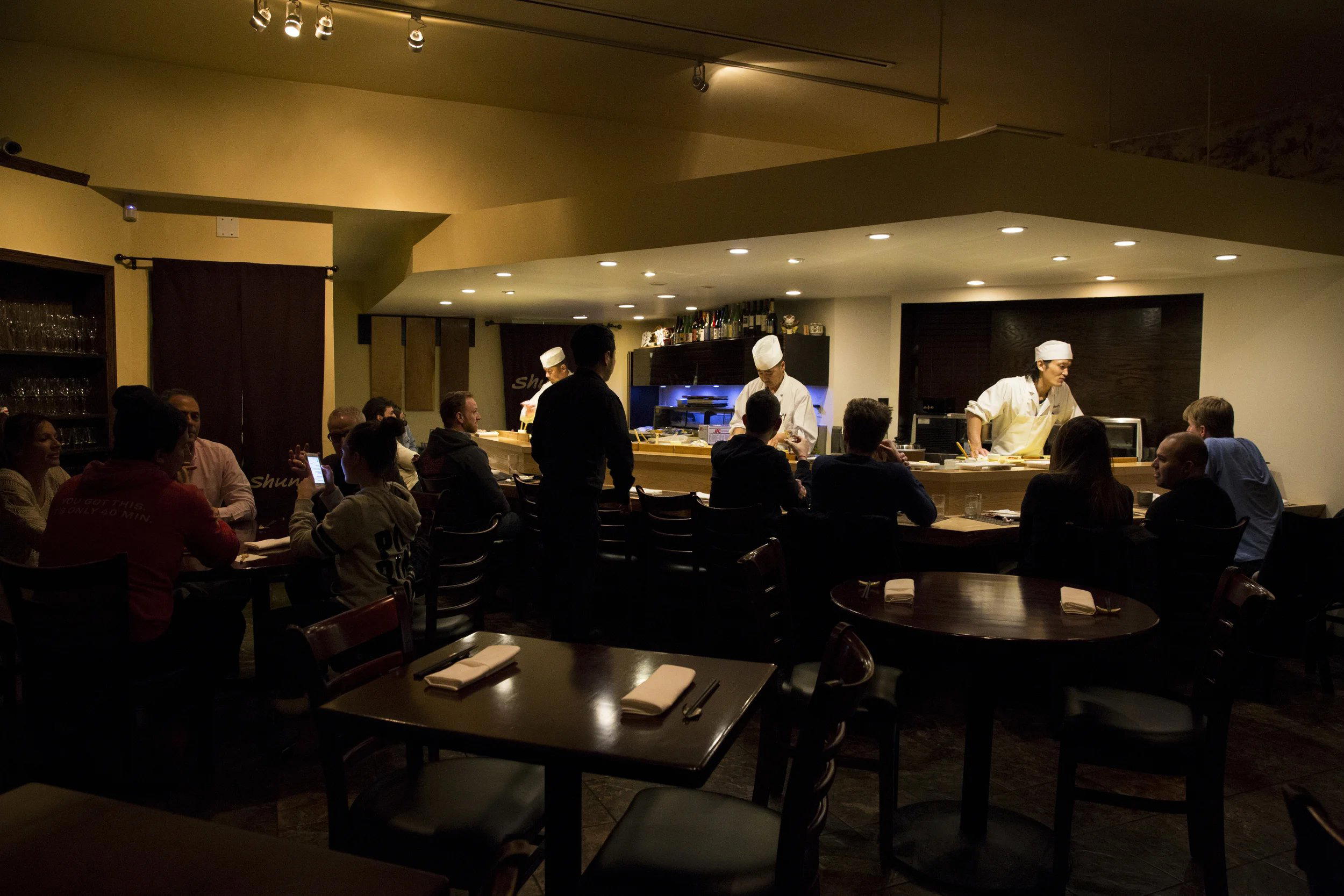
Hotels in Los Angeles
Browse all →
Wineries in Los Angeles
Browse all →
At a Glance
- Casual
- Date Night
- Casual Hangout
- Open Kitchen
- Sake Program
Casual atmosphere centered around the grill with focus on the cooking process.
Know Before You Go
- Getting there
- 11301 W Olympic Blvd, Los Angeles, CA 90064