Skip to Main Content
← Collection
CuisineAustrian
LocationHamburg, Germany
Michelin

Tschebull brings Austrian kitchen tradition to Hamburg's commercial heart on Mönckebergstraße, holding a Michelin Plate in both 2024 and 2025. The cooking sits in the €€€ tier, making it one of the few places in the city where Viennese-inflected cuisine — schnitzel, tafelspitz, structured wine pairings — is executed with the seriousness of a dedicated specialist rather than a tourist concession.

Tschebull restaurant in Hamburg, Germany
About

Austrian Cooking in a Northern German Port City

Hamburg's dining scene tends to pull in two directions: towards the harbour-facing seafood houses that define the city's self-image, and towards the international fine-dining tier clustered in HafenCity and the Rotherbaum. Austrian cuisine sits at an angle to both traditions, and that positioning is precisely what makes Tschebull worth attention. Central European cooking — the kind rooted in Vienna's bürgerlich restaurant culture, where the quality of a veal stock or the crispness of a Wiener Schnitzel is treated as seriously as any tasting-menu conceit — has relatively few serious exponents this far north. Tschebull occupies that niche on Mönckebergstraße, Hamburg's main retail artery, in a location that could easily have lent itself to something more populist.

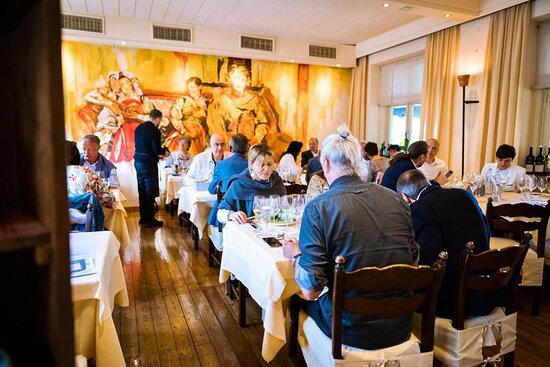
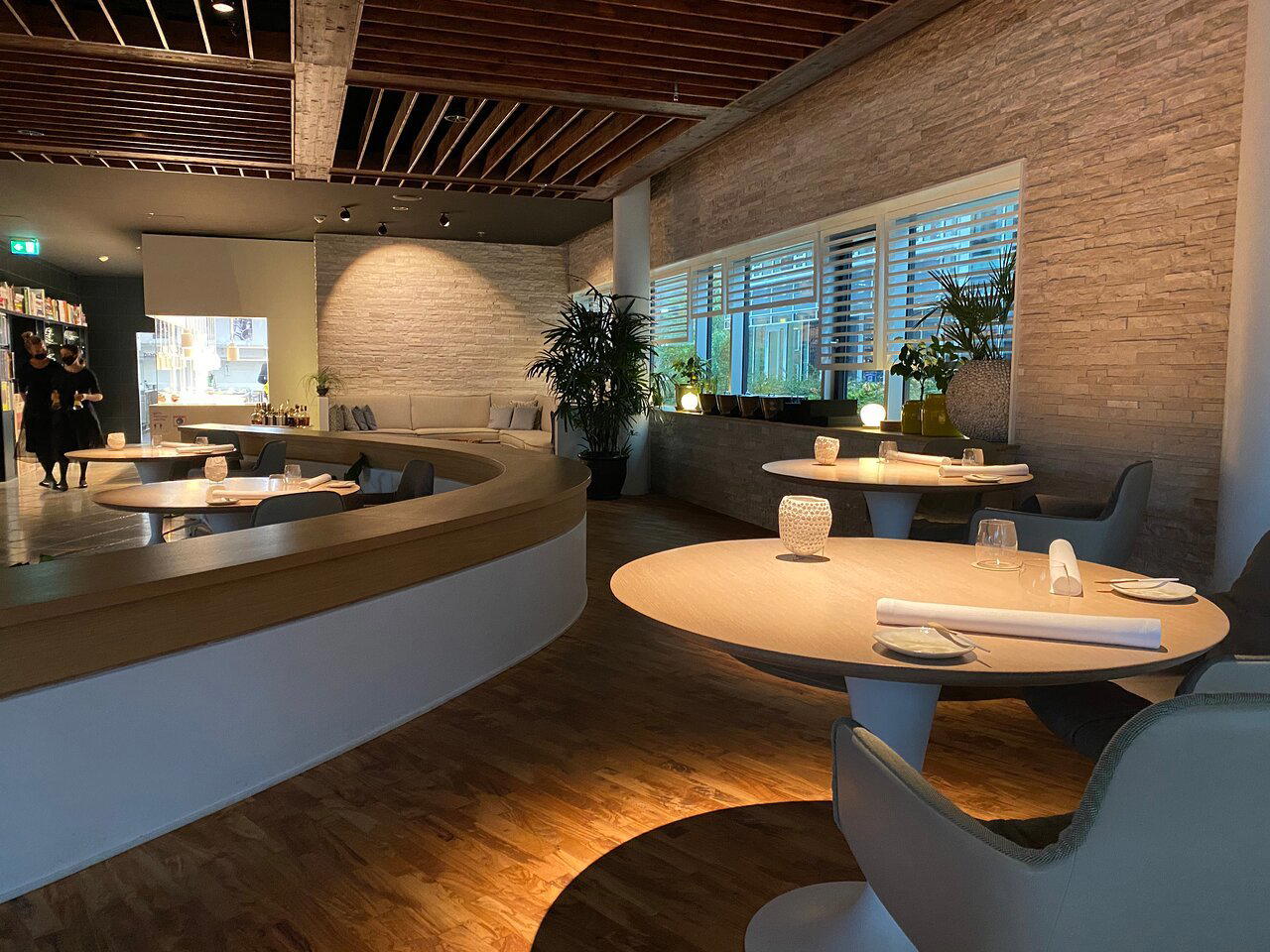
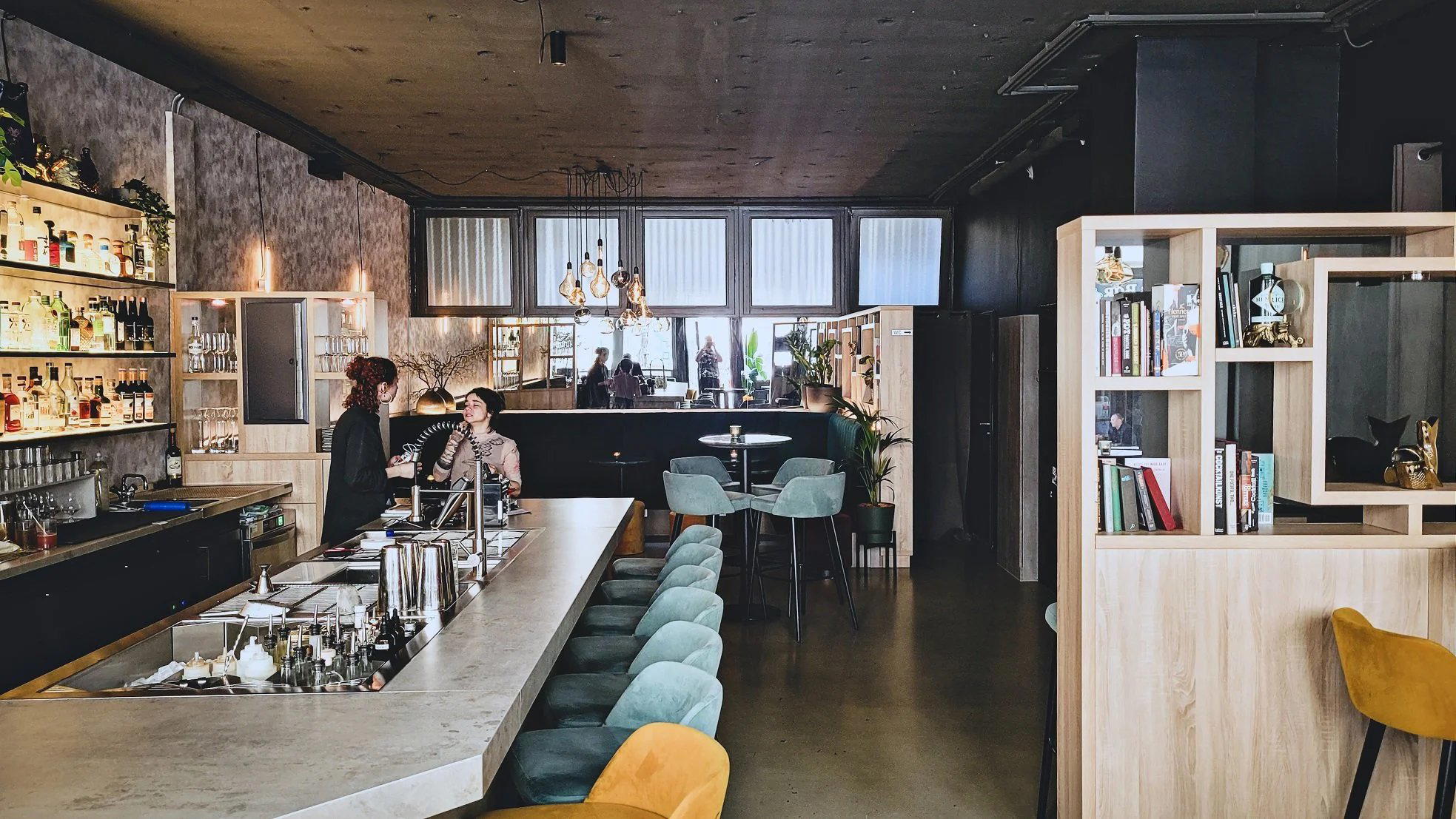
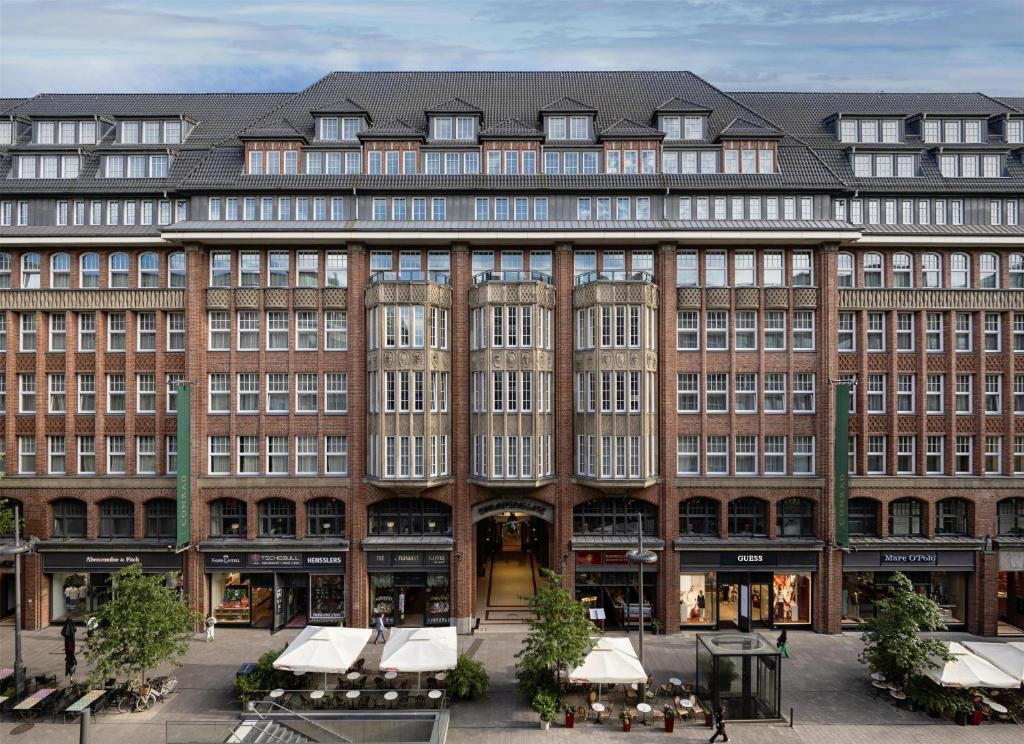
The address is instructive. Mönckebergstraße runs from the central station towards the Rathaus, lined with department stores and high-street chains. Finding a Michelin Plate restaurant here, rather than in the predictable fine-dining postcodes, says something about the confidence of the format. Austrian dining rooms in Vienna , and at places like Senns in Salzburg or 1er Beisl im Lexenhof in Nußdorf am Attersee , tend to project a particular spatial authority: warm materials, considered lighting, a sense that the room is doing work in service of the food. Whether Tschebull achieves that in its Hamburg iteration is a question answered by entering the space rather than reading about it from the street.

The Michelin Plate Signal and What It Means in Practice

Tschebull has held the Michelin Plate in both 2024 and 2025. In Michelin's current coding, the Plate denotes a restaurant serving food of good quality , it sits below the star tier but above the undifferentiated mass of listed addresses. For a cuisine category as specific as Austrian in a German port city, consecutive Plate recognition functions as a meaningful positioning signal: it places Tschebull in the tier of Hamburg restaurants taken seriously by the guide's inspectors, without claiming the kind of technical ambition that defines the city's star-holding kitchens.

For context, Hamburg's starred tier is concentrated in restaurants like The Table Kevin Fehling, which operates at the €€€€ level with a creative format, and Restaurant Haerlin, where French-inflected technique anchors the menu. Tschebull is priced at €€€ , a tier below those benchmarks , and its proposition is grounded in the fidelity of a culinary tradition rather than innovation for its own sake. That is a defensible and distinct position in a city where the Michelin-recognised upper tier skews heavily towards contemporary or French-influenced cooking, alongside places like bianc and 100/200 Kitchen.

The Case for Austrian Wine in a Hamburg Dining Room

The editorial angle that most distinguishes Tschebull from Hamburg's broader restaurant offer is the wine dimension. Austrian cuisine and Austrian wine are structurally intertwined in a way that most imported culinary traditions are not: the food was developed alongside particular grape varieties, particularly Grüner Veltliner and Riesling from the Wachau and Kamptal, and the rich, fat-forward cooking of the Viennese tradition , geröstete dishes, schmaltz-based preparations, the bone-marrow depth of Tafelspitz broth , was calibrated to cut through by the peppery acidity of Veltliner rather than the tannin structure of red wine.

A Hamburg restaurant genuinely committed to Austrian cooking, therefore, faces a real wine-list decision: whether to stock the Austrian producers that make the food legible in the way it was designed to be eaten, or to default to the Burgundy-and-Bordeaux list that Hamburg's dining public has come to expect. The restaurants that handle this well , whether at the level of a dedicated Heuriger in Grinzing or a more formal Viennese address , tend to treat the wine list as an argument, not a catalogue. Grüner Veltliner from Hirsch or Knoll alongside a Tafelspitz makes a case that the menu cannot make alone.

For Hamburg diners who want to explore the Austrian wine tradition more broadly, Weinwirtschaft Kleines Jacob provides a point of comparison in the city's wine-focused dining tier. But the pairing logic specific to Austrian cuisine is leading tested at a table where the kitchen and the cellar are working from the same tradition.

Where Tschebull Sits in the German Austrian-Cuisine Picture

Austria's culinary traditions travel well within the German-speaking world, but they rarely survive transplantation at full strength. The Schnitzel you find in Munich beer halls, or the Kaiserschmarrn at a Bavarian ski resort, has usually been softened for a broader audience. The restaurants that preserve the full register of the tradition , the vinegar-bright potato salads, the precisely rendered Wiener Schnitzel where the breading separates from the meat in a continuous wave, the clarity of a properly made Consommé , tend to be smaller, more deliberate operations.

Elsewhere in Germany, JAN in Munich and the precision-focused kitchens of Schwarzwaldstube in Baiersbronn represent the kind of culinary seriousness that pushes Central European tradition into a contemporary register. Aqua in Wolfsburg, Vendôme in Bergisch Gladbach, ES:SENZ in Grassau, and CODA Dessert Dining in Berlin map the broader range of Michelin-acknowledged cooking across the country. Within Hamburg specifically, the €€€ tier where Tschebull operates also includes restaurants like Heimatjuwel, which works in German and creative formats. Austrian cooking at the Michelin Plate level in this price bracket has no direct local competitor , the category itself is the differentiator.

Planning a Visit

Tschebull sits at Mönckebergstraße 7, 20095 Hamburg, placing it within walking distance of the central station (Hamburg Hauptbahnhof) and the Rathaus U-Bahn stop. The central location makes it accessible without the planning that Hamburg's harbour-side or outer-borough restaurants require. At the €€€ price point, it sits below the city's starred fine-dining tier but above the casual Austrian-themed restaurant category , the appropriate frame of reference is a serious European restaurant with a defined culinary identity, not a themed dining experience. Reservations are advisable given the 4.5-star rating across 1,584 Google reviews, which indicates consistent demand. For a fuller picture of where this fits in Hamburg's overall dining offer, see our full Hamburg restaurants guide. Planning the broader trip is supported by our Hamburg hotels guide, bars guide, wineries guide, and experiences guide.

Frequently Asked Questions

What's the signature dish at Tschebull?

The kitchen at Tschebull is rooted in Austrian culinary tradition, a cuisine whose anchor dishes are well established: Wiener Schnitzel (veal, properly fried), Tafelspitz (boiled beef with horseradish and root vegetables), and Gulasch represent the load-bearing pillars of the Viennese bürgerlich canon. Restaurants of this type, recognised by consecutive Michelin Plates in 2024 and 2025, typically execute these dishes with enough discipline to make them the reference point on the menu. The wine list, calibrated to Austrian varieties, adds a pairing layer that makes the food legible in its original context. For specific current menu details, checking directly with the restaurant before visiting is advisable, as seasonal adjustments affect the exact offer at any given time.

Accolades, Compared

A compact peer snapshot based on similar venues we track.

Collector Access

Need a table?

Our members enjoy priority alerts and concierge-led booking support for the world's most difficult tables.

Access the Concierge