



Michelin Bib Gourmand · Guía Repsol 1 Sol · Macarfi 7.4 Food Rating
Our verdict
In La Latina's cobbled streets, Trèsde pairs informal French bistro warmth with serious produce-led cooking. The concise market menu draws from vegetables grown in traditional navazo coastal gardens, and the three-glass pairing of sherry, sake, and minimal-intervention wines adds a genuinely unusual dimension. Michelin Plate recognition in both 2024 and 2025, plus a listing in Opinionated About Dining's Casual Europe guide, confirms the kitchen's position above the neighbourhood average.

Pearl is the En Primeur Club membership app, where members save venues, book tables and use the concierge.

The menu
What to order
- Cold cucumber soup with sake
- Seasonal desserts
- Iberian pork
- Octopus
- Turbot
Stone Streets, Deliberate Cooking: Trèsde in La Latina
La Latina is one of Madrid's most atmospheric barrios to arrive in on foot. The neighbourhood's medieval street grid, centred on Calle de la Cava Alta and its surrounding lanes, predates the Spanish capital's modern expansion by several centuries. The buildings press close together, the light changes fast between shade and sun, and the sound of the street follows you right up to the restaurant door. It is precisely this setting that makes Trèsde's format, an informal French bistro register transplanted into a traditionally Spanish neighbourhood, feel both unexpected and entirely logical. The room does not announce itself; the experience arrives gradually, through the warmth of service and the considered weight of what lands on the table.
What the Navazo Tradition Brings to the Plate
Spanish vegetable cookery has long operated in the shadow of the country's meat and seafood traditions, but the navazo gardens of the coastal marshland areas represent a distinct agricultural practice with genuine depth. These plots, cultivated in the humid soils between dunes and wetlands, yield produce with a salinity and density that differs from inland-grown equivalents. At Trèsde, chef Gonzalo Cuesta Martínez has built the market-driven menu around this tradition, positioning vegetables not as accompaniment but as the structural logic of the kitchen's buying and preparation cycle. This is not a novelty angle; it is a sourcing position with culinary consequences. The concise menu reads as a selection of precise decisions rather than an attempt to cover every option, and the discipline of a short list is itself an editorial stance on what the kitchen believes it can do well on any given day.
The format reassembles the classic starter, main course, and dessert sequence without dismantling it. That conservatism is deliberate. Where some contemporary kitchens abandon structure to signal ambition, Trèsde's approach suggests that the traditional arc of a meal, when built on exceptional sourcing, requires no architectural reinvention. The produce does the work. This is a position that places it in the same intellectual territory as produce-forward restaurants across northern Spain, without the three-hour tasting format that defines venues like Azurmendi in Larrabetzu or the theatrical dimension of Disfrutar in Barcelona.
The Three-Glass Pairing: Sherry, Sake, and Minimal-Intervention Wine
Spain's wine pairings at the higher end of the market have grown increasingly conventional, running through the expected Rioja or Ribera del Duero selections that satisfy international visitors while rarely challenging them. Trèsde's pairing takes a different route. The three-glass format combines sherry, sake, and wines made with minimal intervention, which is an unusual triangulation that rewards attention. Sherry's place in Spanish dining has fluctuated between neglect and revival over the past two decades; its saline, oxidative character makes it a logical partner for vegetable-forward cooking in a way that a full-bodied red rarely achieves. Sake's inclusion reflects a broader movement among European sommeliers who have absorbed Japanese fermentation culture into their programmes, a development visible across cities from Copenhagen to Lisbon. The minimal-intervention wines complete the sequence with a textural and aromatic register that aligns with the kitchen's sourcing philosophy. For context on where this pairing philosophy intersects with Spain's most serious wine and food culture, venues such as Aponiente in El Puerto de Santa María and Arzak in San Sebastián show what happens when a programme is pushed to its full technical conclusion. Trèsde operates at a more accessible price point, but the intellectual ambition of the pairing is in the same conversation.
Where Trèsde Sits in Madrid's Contemporary Restaurant Scene
Madrid's upper end of the contemporary dining market is dominated by four-symbol price-tier venues: Desborre, DiverXO, Coque, and Smoked Room all operate at €€€€, with tasting menus that require a financial and temporal commitment of several hours. That combination of recognition and price position makes it one of the more practically accessible serious restaurants in the city. Among its neighbourhood-level peers, BANCAL, Adaly, En la Parra, and Ferretería share a similar register of careful cooking in informal settings. The French bistro structure at Trèsde distinguishes it within that peer group, lending the room a particular kind of unhurried ease that differs from the more aggressively casual formats that have proliferated across Madrid's dining scene in recent years.
For those building a wider picture of what Madrid's contemporary restaurant culture looks like beyond La Latina, the full Madrid restaurants guide covers the range of price tiers and neighbourhoods in detail. The Madrid hotels guide, bars guide, wineries guide, and experiences guide offer parallel context for planning a longer visit. Internationally, the informal haute cuisine format that Trèsde represents has equivalents in cities across the world; César in New York City and Jungsik in Seoul show how the contemporary register plays out in very different cultural contexts, while El Celler de Can Roca in Girona and Quique Dacosta in Dénia anchor the upper end of what Spanish produce-led cookery can achieve when the format is taken to its furthest point.
Planning a Visit
Trèsde is located at C. de la Cava Alta, 17, Centro, 28005 Madrid, in the La Latina district. The address places it within easy walking distance of the neighbourhood's main plazas and within the broader Centro area that covers much of the city's most characterful streets. Budget: €€, which in Madrid's current market positions this comfortably below the city's tasting-menu tier while delivering Michelin-recognised quality. Reservations: Booking is advised given the recognition from both Michelin and Opinionated About Dining, which drives consistent demand; contact details are available directly through the restaurant. Timing: Madrid's dining culture runs later than most European capitals, with lunch services extending into mid-afternoon and dinner rarely starting before 9pm for most guests; arriving within local norms makes the room feel different from the more tourist-facing pace of nearby casual options.
Frequently Asked Questions
What kind of setting is Trèsde?
Trèsde operates in a French bistro register inside a traditional Madrid neighbourhood. The address on Calle de la Cava Alta places it in La Latina, one of the city's oldest residential barrios. The format is informal and relatively compact, running on the warmth of a team with close operational ties.
What dish is Trèsde famous for?
The kitchen at Trèsde does not anchor its identity to a single signature dish. The menu is market-led and built around vegetables from navazo coastal garden traditions, changing with what is available and at its finest. Chef Gonzalo Cuesta Martínez has structured the offering as a concise, meticulously prepared list within the classic three-course arc. The three-glass pairing of sherry, sake, and minimal-intervention wines is the most frequently cited distinctive element of the experience, as it is unusual enough within Madrid's casual dining tier to function as a calling card.
Would Trèsde be comfortable with kids?
The French bistro format and informal tone at the €€ price point suggest a more relaxed environment than Madrid's formal tasting-menu restaurants. Whether the specific pace, menu structure, and atmosphere work for a particular family depends on the ages and preferences involved. The concise menu format, which does not extend across many hours, and the neighbourhood character of La Latina's streets make the broader visit manageable.
Peers in This Market
Comparable options at a glance, pulled from our tracked venues.
| Venue | Cuisine | Price | Awards | Notes |
|---|---|---|---|---|
| TrèsdeThis venue (the venue you are viewing) | Modern French-Spanish Seasonal Bistro | $50–100 | Michelin Bib Gourmand · Guía Repsol 1 Sol | Not listed |
| DiverXO | Avant-Garde Spanish Tasting Menu | $300–500 | 3 Michelin Stars · World's 50 Best #4 | Progressive - Asian, Creative |
| Deessa | Modern Valencian Fine Dining | $150–200 | 2 Michelin Stars · La Liste Top Restaurants | Modern Spanish, Creative |
| Smoked Room | Modern Japanese Fire Omakase | $200–300 | 2 Michelin Stars · La Liste Top Restaurants | Progressive Asador, Contemporary |
| Coque | Modern Spanish Fine Dining | $300–500 | 2 Michelin Stars · La Liste Top Restaurants | Spanish, Creative |
| Paco Roncero | Avant-Garde Spanish Fine Dining | $150–200 | 2 Michelin Stars · La Liste Top Restaurants | Creative |
Recognition history
Dated appearances from independent guides and award organizations, with the underlying list record or original source where available.
Michelin Bib Gourmand
Michelin
Guía Repsol 1 Sol
Guía Repsol
Macarfi 7.4 Food Rating
Macarfi
Opinionated About Dining Casual in Europe Recommended
Opinionated About Dining
Full recognition history (7 entries)
Michelin Plate
Michelin
Opinionated About Dining Casual in Europe
Opinionated About Dining
Michelin Plate
Michelin
Continue exploring
More in Madrid
Restaurants in Madrid
All restaurants in Madrid →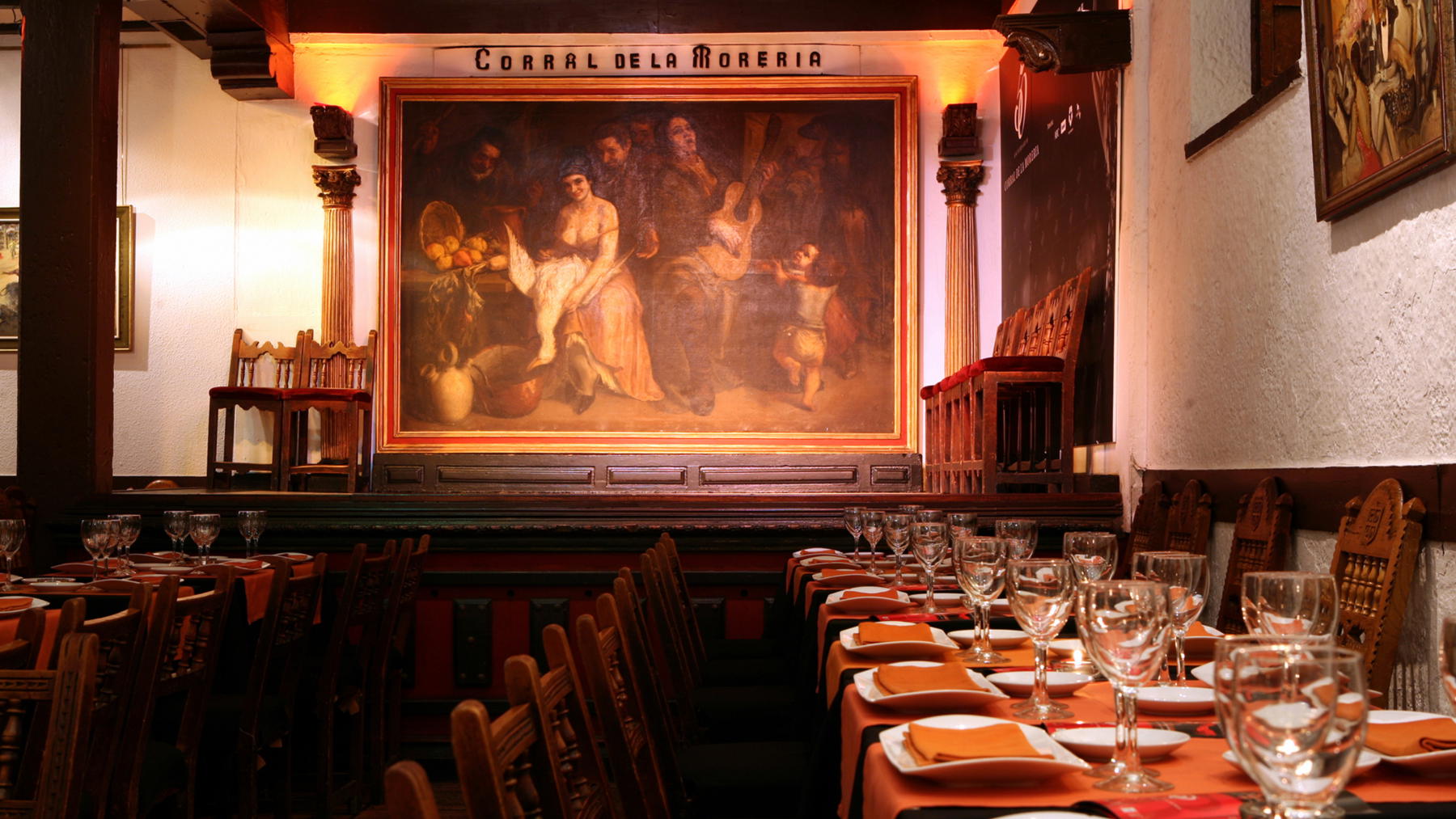
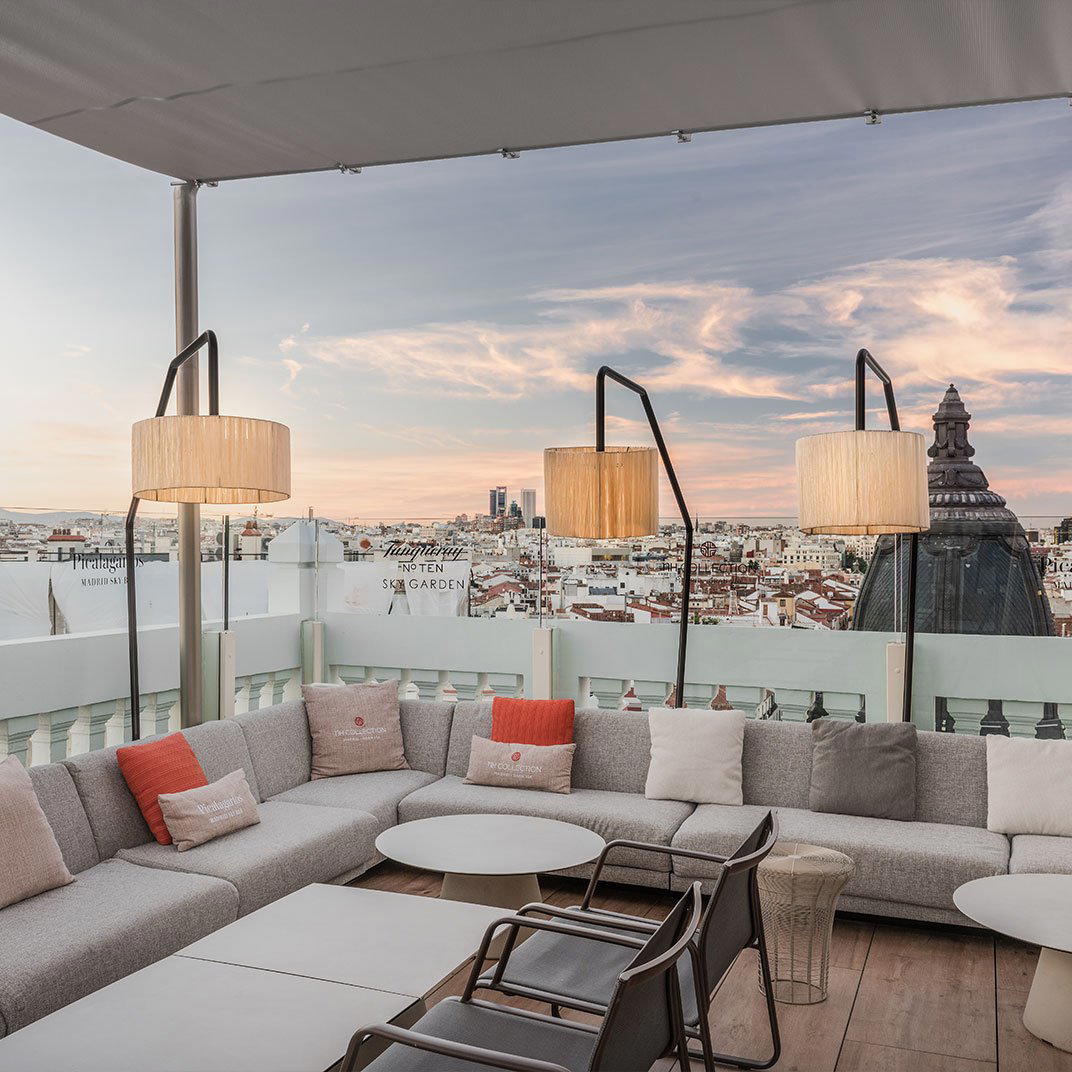
Bars in Madrid
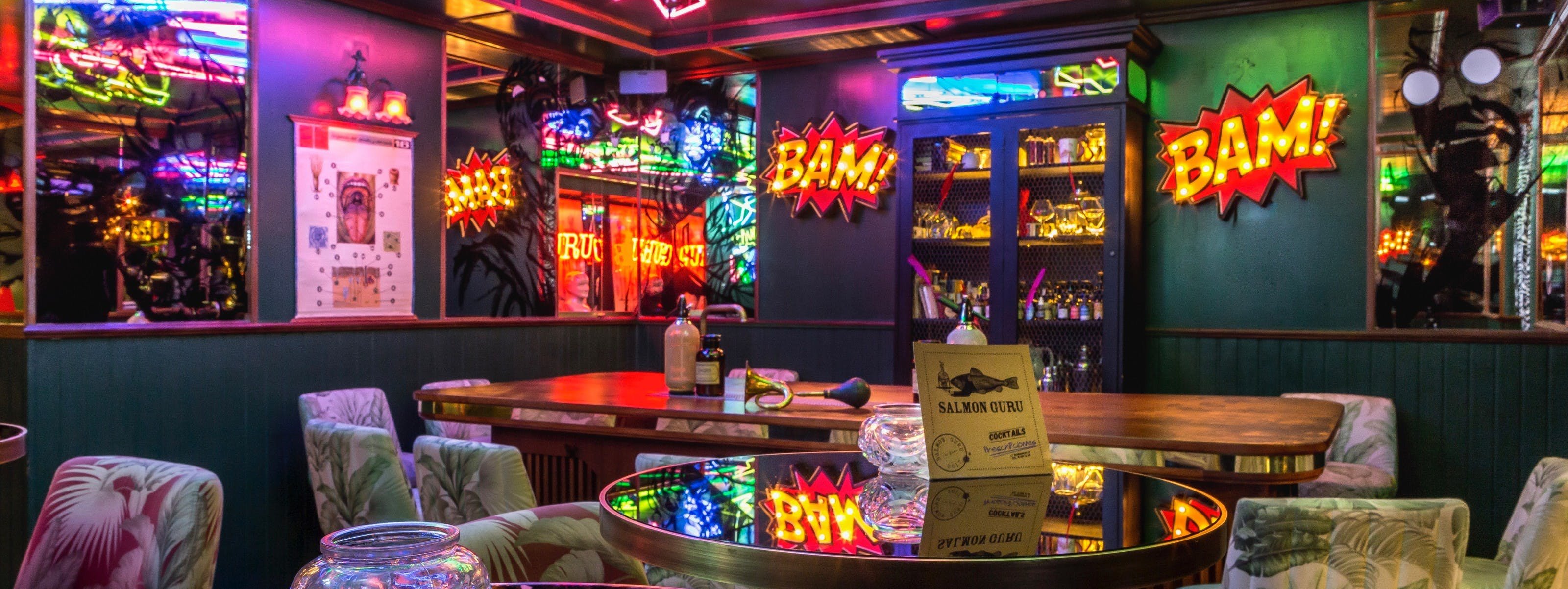
All bars in Madrid →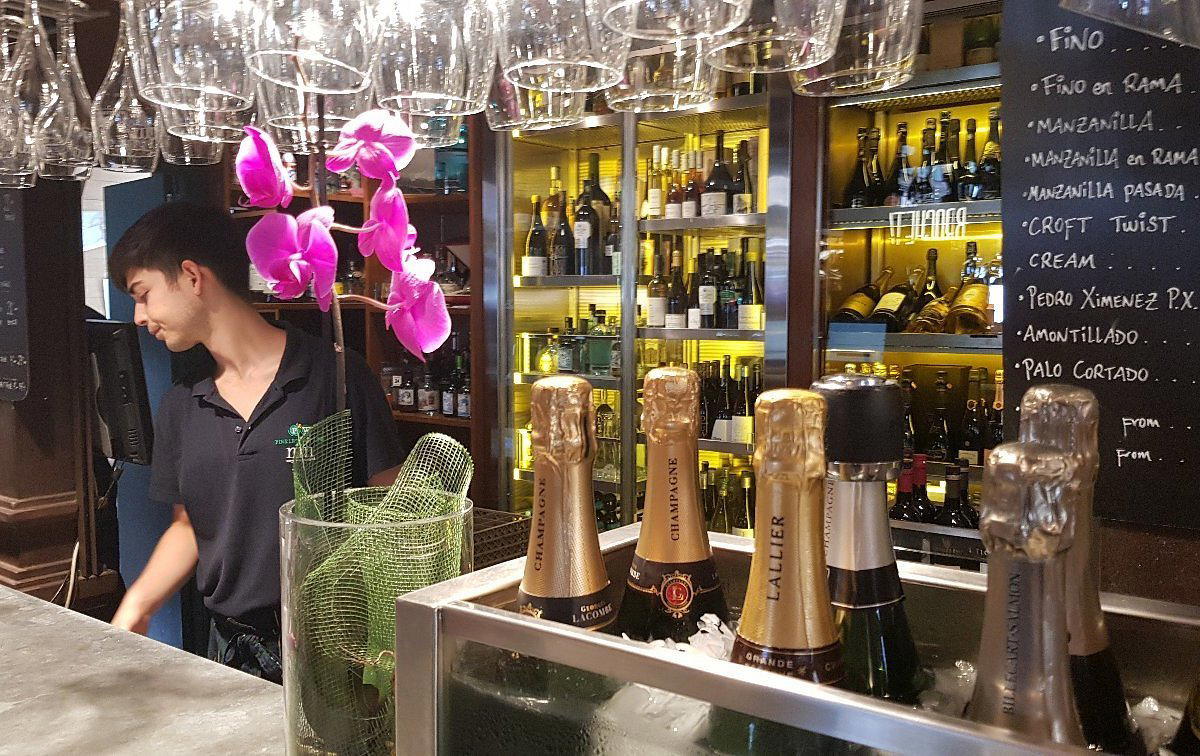
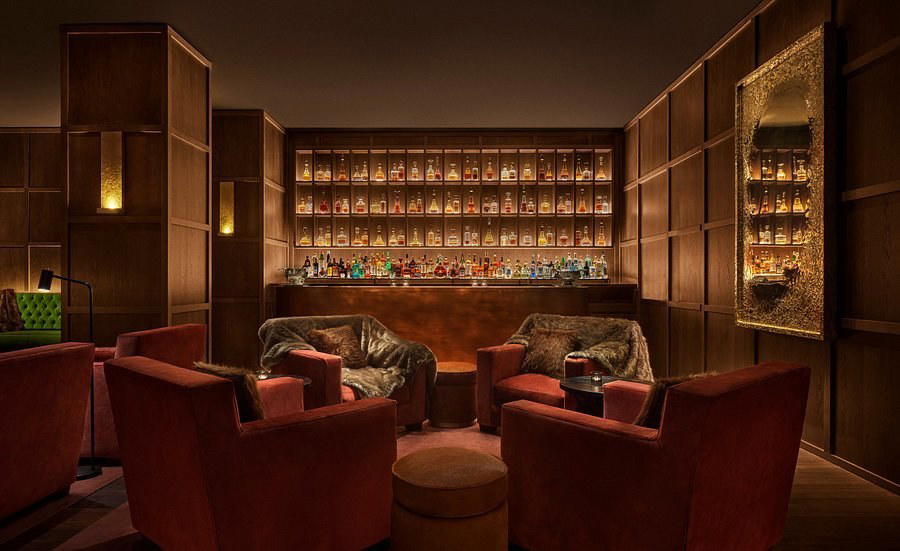
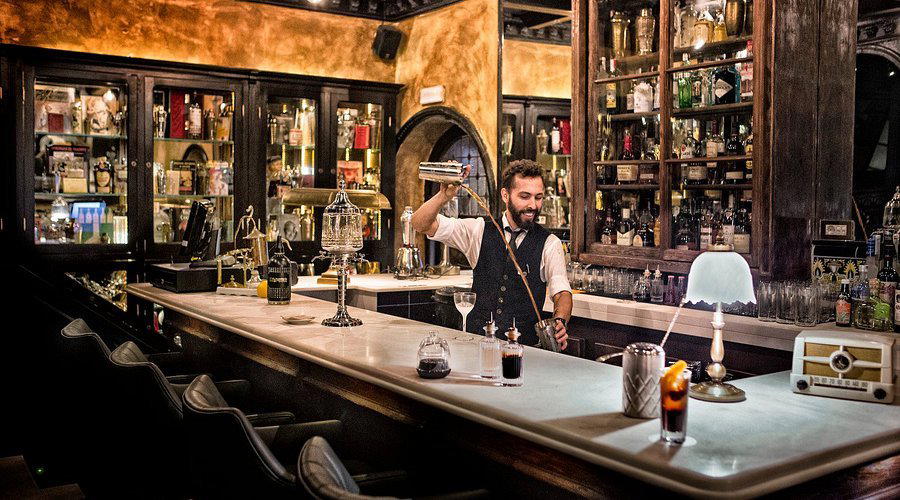

Details
- Intimate
- Minimalist
- Elegant
- Trendy
- Sophisticated
- Date Night
- Special Occasion
- Standalone
- Sommelier Led
- Local Sourcing
- Prix Fixe
- A La Carte
- Wine Pairings
- Natural Wine
- Vegetarian Friendly
Current opening hours
- Monday
- 1:30–3 PM, 6:30–10 PM
- Tuesday
- 1:30–3 PM, 6:30–10 PM
- Wednesday
- 11:30 AM–3 PM, 6:30–10 PM
- Thursday
- 1:30–3 PM, 6:30–10 PM
- Friday
- 1:30–3 PM, 6:30–10 PM
- Saturday
- 1:30–3 PM, 6:30–10 PM
- Sunday
- 1:30–3 PM, 6:30–10 PM
Hours can change for holidays and private events. Hours as of .
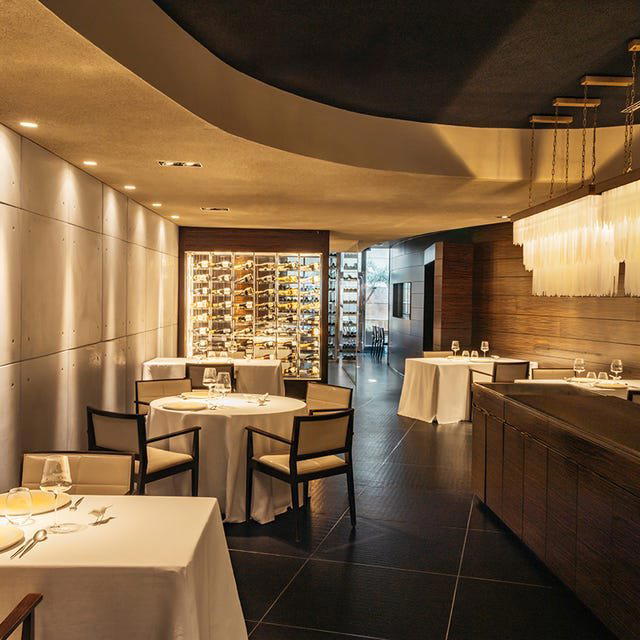
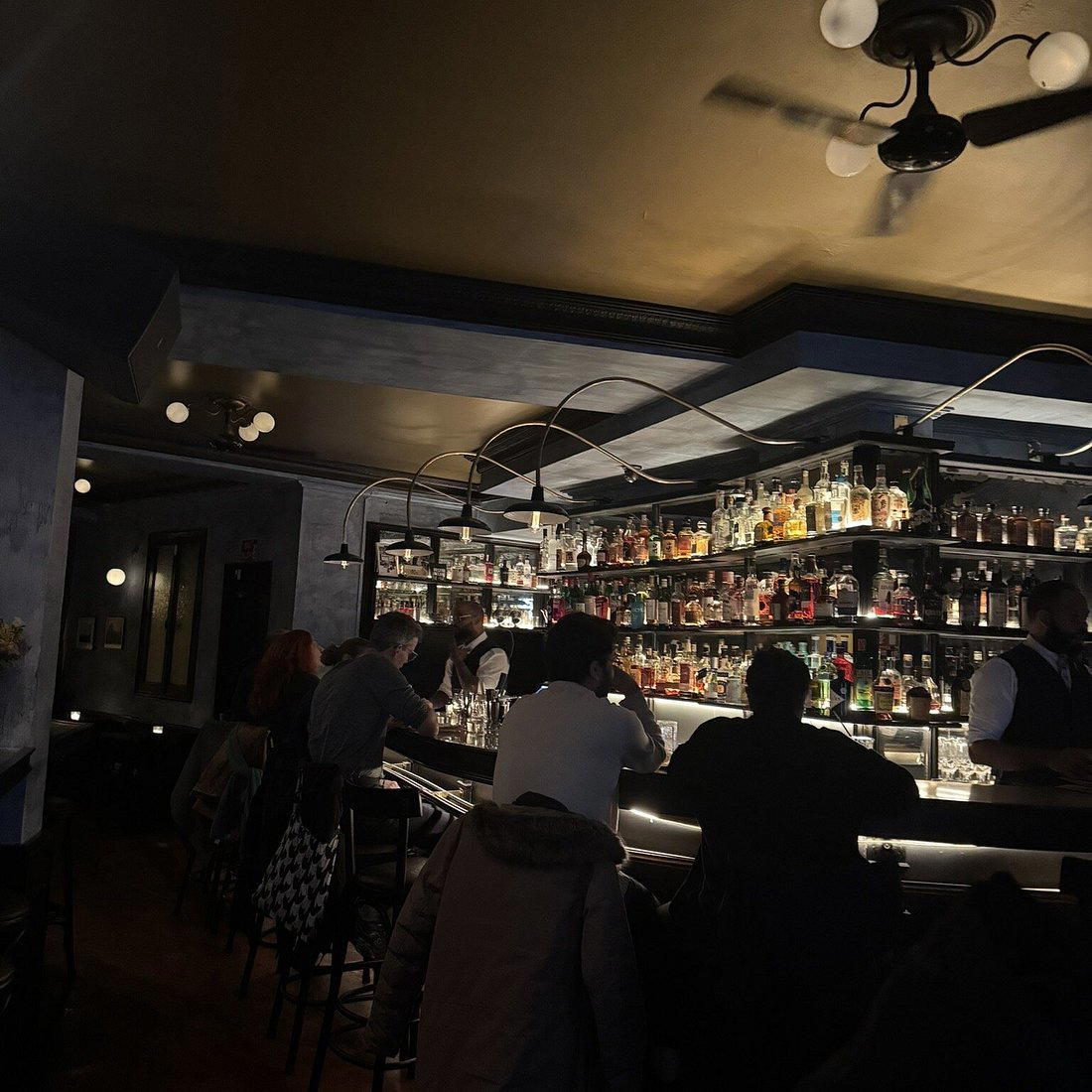
Modern yet minimalist decor with warm, welcoming atmosphere; simple, sober interior with contemporary styling; intimate tables positioned closely together creating a focused dining experience.