Kro

Michelin Plate
Our verdict
Housed in converted stone stables in Temù, just outside Ponte di Legno, Kro is an Alpine restaurant earning consecutive Michelin Plate recognition in 2024 and 2025. The menu centres on mushrooms, game, and mountain meat, with occasional fish dishes alongside.

Pearl is the En Primeur Club membership app, where members save venues, book tables and use the concierge.

The menu
What to order
- Antipasto Kro
- Tagliolini saraceni al tartufo
- Tagliata di cervo
Stone Walls, Mountain Larder
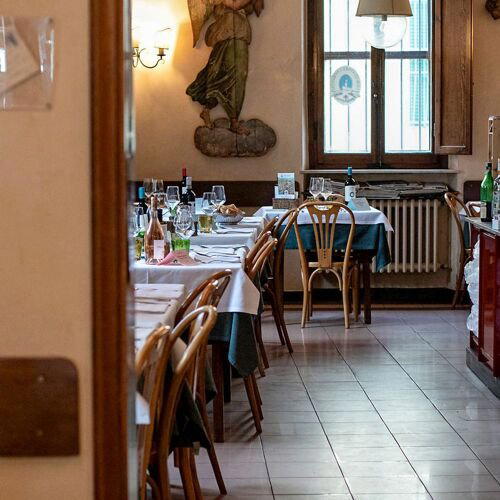
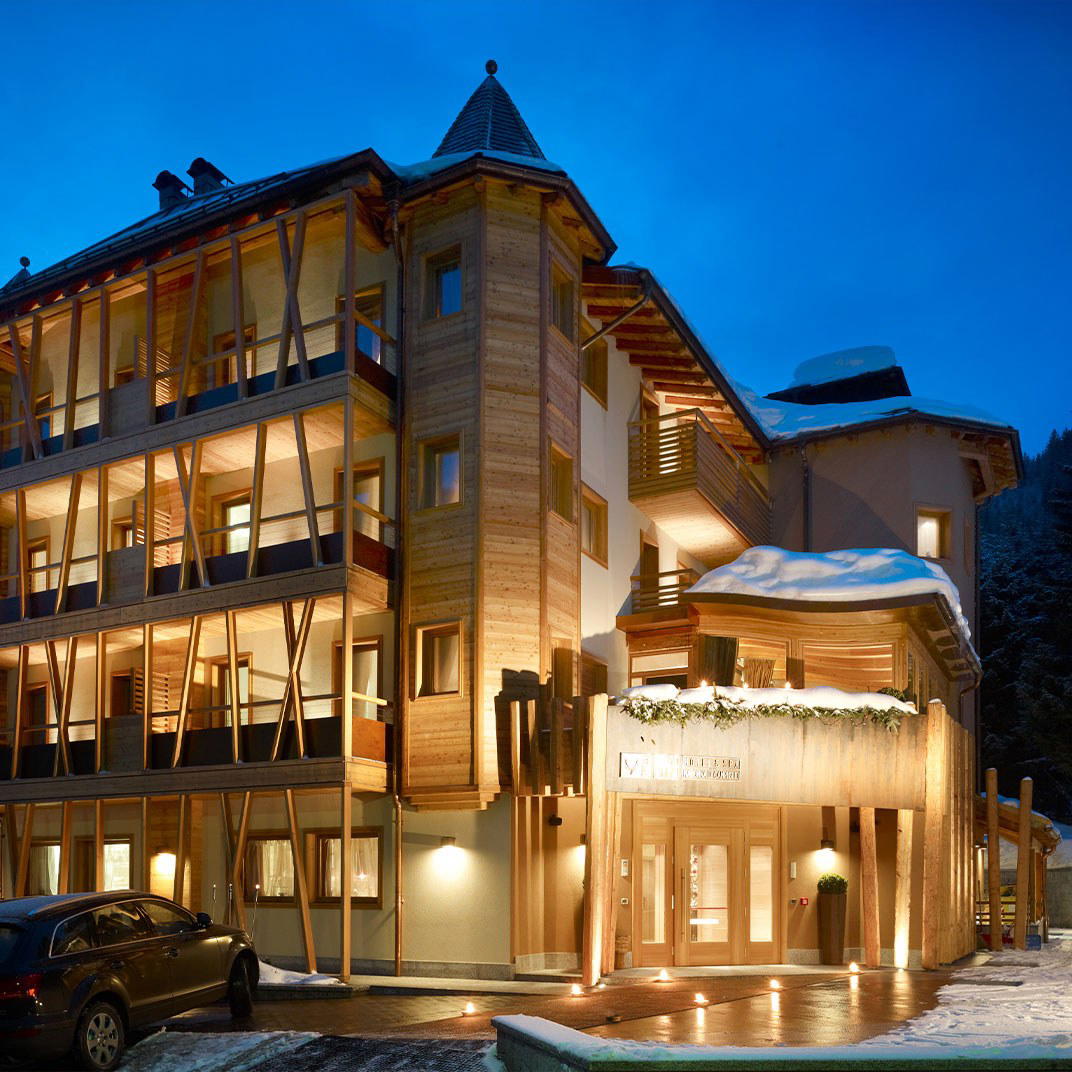
There is a particular grammar to Alpine dining spaces in the Lombardy highlands: thick stone walls that pre-date the restaurant inside them, timber that carries the patina of past functions, and a warmth that reads less as design decision than as structural necessity. Kro, situated in converted former stables on Via Tollarini in Temù, a small municipality that forms part of the broader Ponte di Legno area, fits squarely within that tradition. The building's original bones, stone and heavy wood, do the atmospheric work that newer mountain restaurants spend considerable budget trying to replicate. The effect is a particular kind of quiet seriousness, the sort of room where the food is expected to hold its own without theatrical distraction.
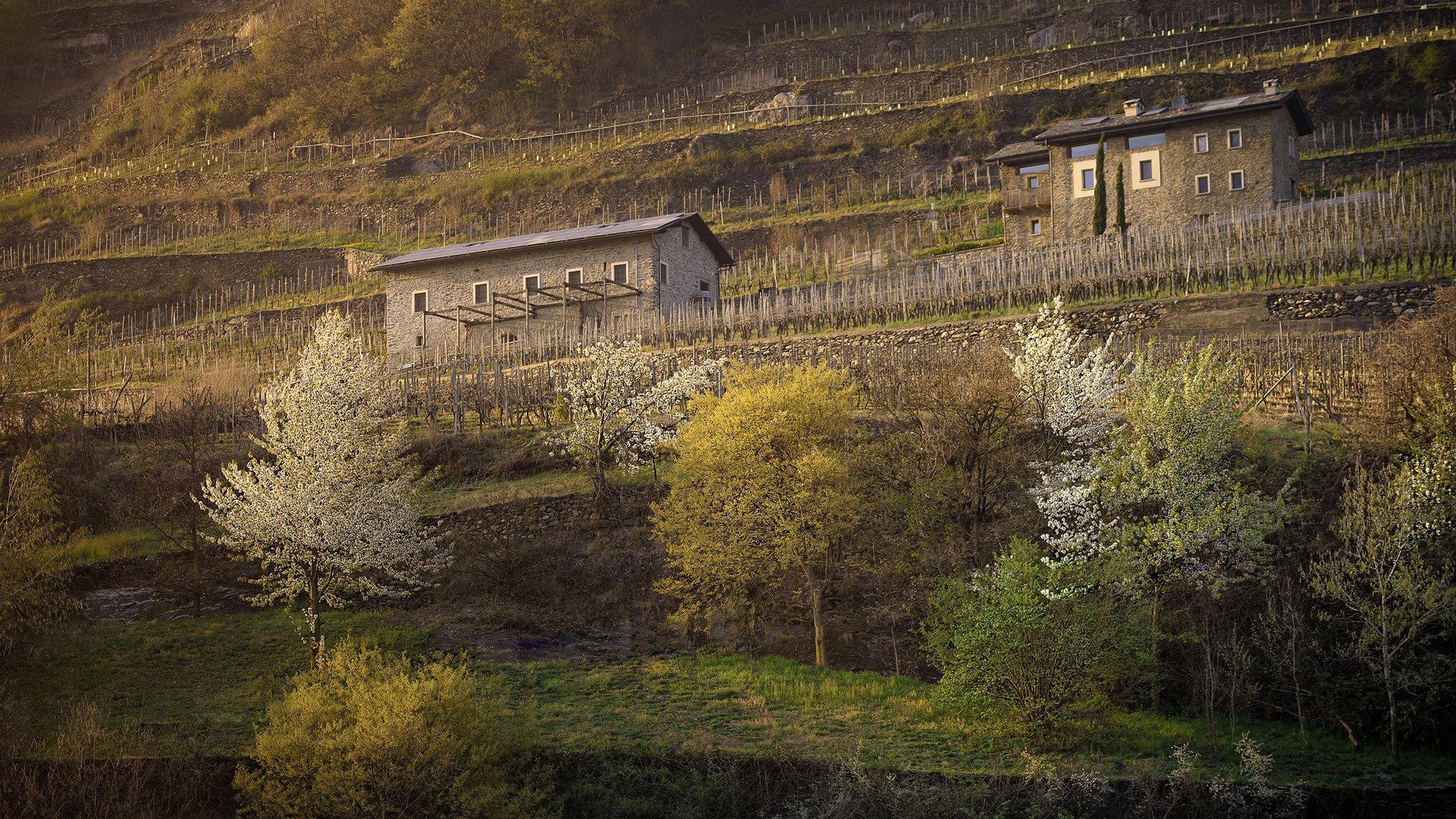
The Ponte di Legno valley sits at altitude in the Val Camonica, where the growing season is compressed and the natural larder is defined by what the surrounding terrain actually yields. That constraint shapes the culinary identity of restaurants in the area more directly than any chef philosophy statement. Kro's menu reflects this: mushrooms, game, and mountain meat form the structural spine, with fish appearing as a secondary register rather than an equal category. This is not a mountain restaurant trying to smuggle coastal ambition through the back door. The kitchen works with what the altitude and season make available, and the Michelin Plate recognition it has carried in both 2024 and 2025 suggests that approach is being executed with a level of consistency the guide considers worth flagging.
What the Terrain Provides
Ingredient sourcing in high-altitude Alpine cooking operates under different logic than lowland Italian cuisine. The Val Camonica's forested slopes and alpine meadows produce ingredients that are genuinely seasonal in the strictest sense: porcini and other wild mushrooms appear in windows that can be measured in weeks rather than months, game availability tracks hunting seasons precisely, and mountain-grazed meat carries flavour profiles that shift with pasture access across the year. A kitchen anchored to this supply chain is, by definition, cooking a different menu in October than it is in February.
This kind of sourcing discipline is not unique to Kro. Across the arc of serious Alpine restaurants from the Trentino-Alto Adige border westward through Lombardy, ingredient provenance tied to altitude and locality has become the defining characteristic of credible mountain cooking. What distinguishes the better operators in this space is not the concept, it is the execution and the depth of supplier relationships that allow consistent access to ingredients that are, by nature, limited in volume. At Atelier Moessmer Norbert Niederkofler in Brunico, that sourcing philosophy has been taken to a three-Michelin-star level of rigour. Kro operates at a different price point and scale, its €€ positioning places it firmly in the accessible mountain trattoria tier rather than the destination fine-dining category, but the underlying sourcing logic connects to the same Alpine tradition.
For context on where Kro sits within Italy's broader restaurant conversation, the country's highest-decorated tables, Osteria Francescana in Modena, Le Calandre in Rubano, Dal Pescatore in Runate, Enoteca Pinchiorri in Florence, Enrico Bartolini in Milan, occupy the €€€€ tier and benchmark against international fine-dining conventions. Kro addresses a different reader: someone staying in the valley, wanting cooking that is rooted in the actual landscape rather than imported from a lowland culinary tradition, at a price that does not require treating the dinner as the centerpiece of a long weekend.
Mountain Game and the Menu's Logic
The emphasis on game and mushrooms over fish is not an arbitrary stylistic choice but a reflection of what the surrounding terrain makes available. Game cookery in this part of Lombardy draws on venison, chamois, and wild boar depending on season, and mountain mushrooms, porcini being the most commercially significant but not the only variety, bring an earthy depth that defines the flavour register of the kitchen. The occasional fish dishes on the menu read as a pragmatic acknowledgment that not every diner wants game, rather than as a statement about the restaurant's identity. The menu is, in that sense, honest about its geography.
This approach positions Kro within a cohort of Alpine restaurants across northern Italy and the neighbouring Austrian and Swiss highlands that have moved away from trying to offer broad Italian coverage in favour of drilling into what their specific altitude and location actually produces. For comparison, Gourmetrestaurant Tannenhof in Sankt Anton am Arlberg and Die Geniesserstube im Alpenhof in Tux work within closely related Alpine sourcing frameworks on the Austrian side of the range. The shared logic, altitude dictates ingredient availability, and the kitchen's credibility rests on how well it honours that constraint, runs across political borders.
Planning a Visit
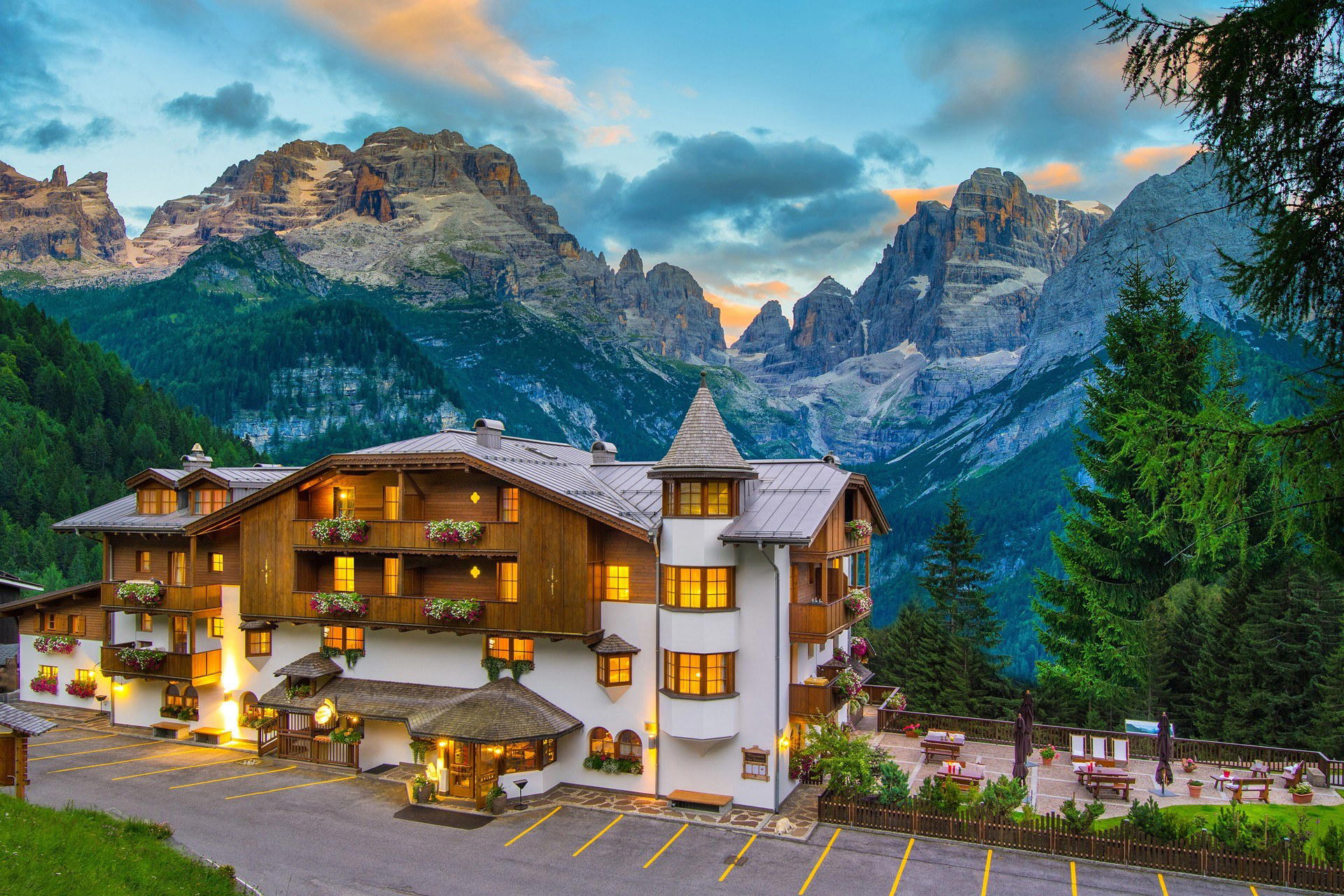
Kro sits at Via Tollarini, 70/C in Temù, administratively separate from Ponte di Legno proper but functionally part of the same valley community that skiers and summer hikers use as a base. The address is walkable from several accommodation options in the area. For anyone building a broader itinerary around the valley, our full Ponte di Legno restaurants guide maps the dining options across the area, while our Ponte di Legno hotels guide, bars guide, wineries guide, and experiences guide cover the rest of the valley's offer. Booking ahead is advisable during the ski season and summer hiking peak, when valley capacity tightens across all categories.
For those whose Italian itinerary extends beyond the Alps, the broader EP Club Italy coverage includes Piazza Duomo in Alba, Casa Perbellini 12 Apostoli in Verona, Quattro Passi in Marina del Cantone, Reale in Castel di Sangro, and Uliassi in Senigallia, a range of contexts and price tiers that illustrates how varied the country's serious restaurant offer has become outside the major urban centres.
Frequently asked questions
Is Kro suitable for children?
The setting, stone walls, timber detailing, a converted stable building in Temù, is informal enough that families are not out of place. The menu centres on hearty Alpine staples like mushrooms, meat, and game, which tend to translate well for younger diners more than tasting-menu formats would. The €€ price range also keeps the stakes low for a family meal.
What's the overall feel of Kro?
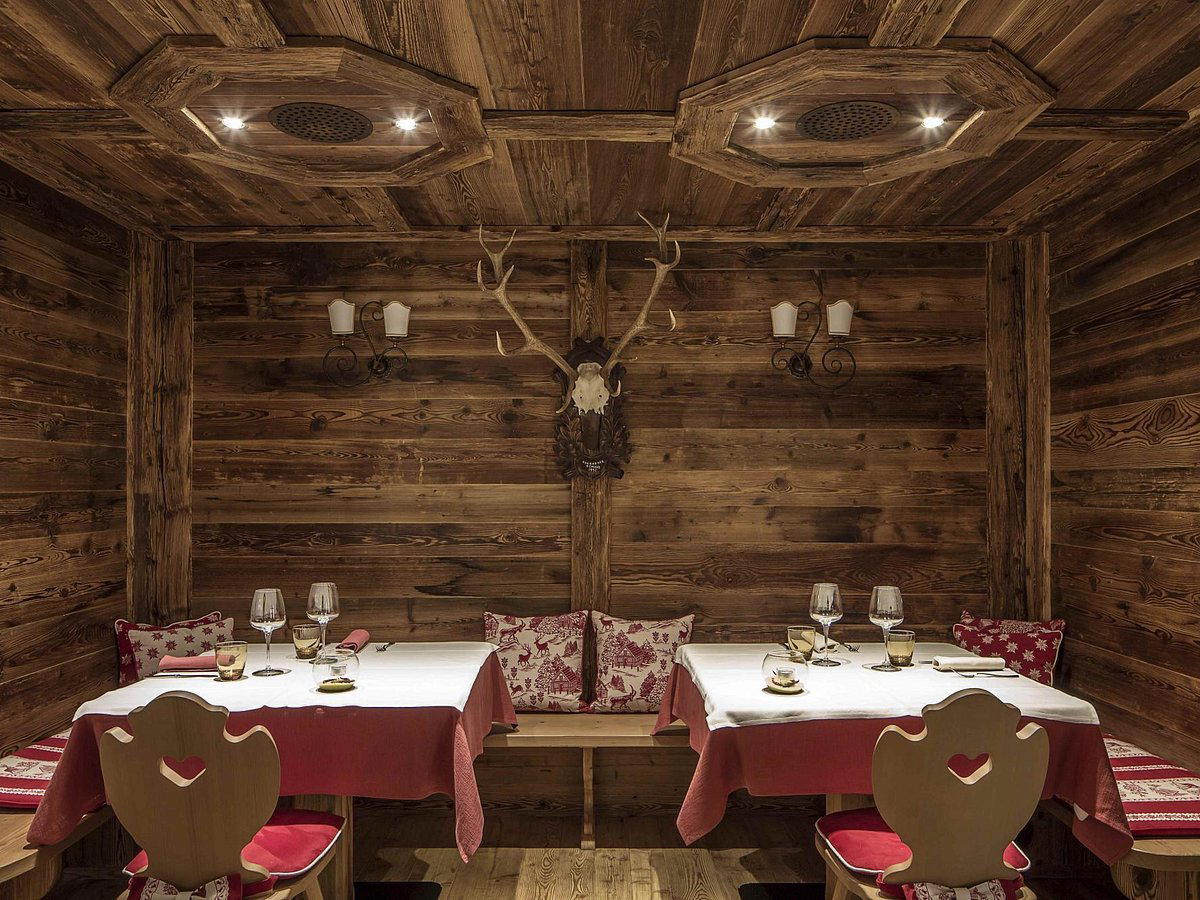
The restaurant occupies former stables on Via Tollarini in Temù, and the bones of that space are still visible: stone and wood dominate the interior in a way that reads as genuinely structural rather than decorative. Michelin reviewers noted the romantic atmosphere as appropriate to the mountain setting, and the €€ pricing means the room carries that warmth without the formality of a higher-ticket Alpine address.
Does Kro have a Michelin star or similar recognition?
Kro has received recognition including: Old stables have been converted into this restaurant, which boasts a stylish decor of wood and stone and the sort of romantic atmosphere that you would expect from the mountains. Although a few fish options are included on the menu, the cui….
What do regulars order at Kro?
The menu's logic follows the Val Camonica terrain, so game and wild mushrooms are the recurring anchors. Kro does list a handful of fish options, but the kitchen's orientation is clearly toward the highland larder, the categories that earned consecutive Michelin Plate recognition in 2024 and 2025. Returning guests tend to arrive knowing that meat and forest ingredients, not seafood, are where the menu is strongest.
A Quick Peer Check
| Venue | Cuisine | Price | Awards | Notes |
|---|---|---|---|---|
| KroThis venue (the venue you are viewing) | Modern Alpine Italian | Not listed | Michelin Plate | Not listed |
| Atelier Moessmer Norbert Niederkofler | Modern Alpine Fine Dining | $300–500 | 3 Michelin Stars · World's 50 Best #20 | Italian, Creative |
| Dal Pescatore | Classic Italian Fine Dining | $200–300 | 3 Michelin Stars · World's 50 Best #38 | Italian, Italian Contemporary |
| Enoteca Pinchiorri | Contemporary Italian Fine Dining | $200–300 | 3 Michelin Stars · World's 50 Best #32 | Italian - French, Italian Contemporary |
| Enrico Bartolini | Modern Italian Fine Dining | $300–500 | 3 Michelin Stars · World's 50 Best #85 | Creative |
| Osteria Francescana | Avant-Garde Italian Contemporary | $300–500 | 3 Michelin Stars · World's 50 Best #1 | Progressive Italian, Creative |
Recognition history
Dated appearances from independent guides and award organizations, with the underlying list record or original source where available.
Michelin Plate
Michelin
Full recognition history (3 entries)
Michelin Plate
Michelin
Michelin Plate
Michelin
Continue exploring
More in Ponte di Legno
Restaurants in Ponte di Legno
All restaurants in Ponte di Legno →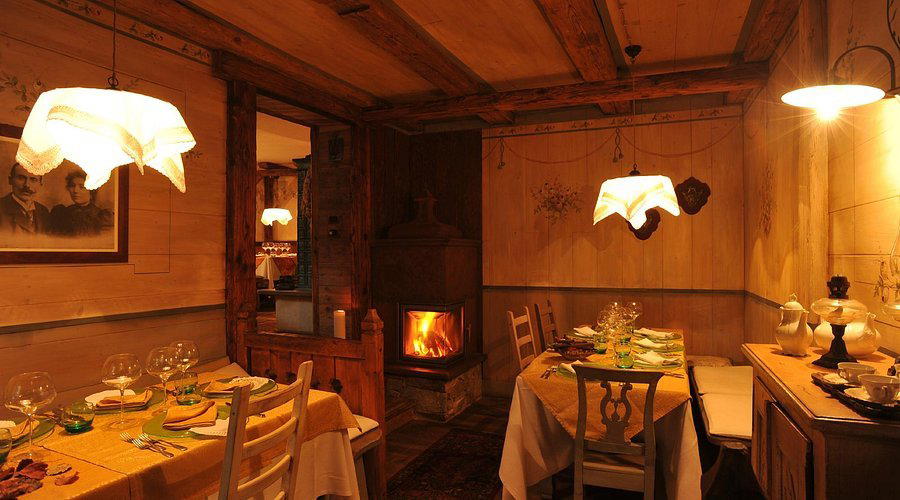

Details
- Cozy
- Rustic
- Romantic
- Intimate
- Date Night
- Special Occasion
- Family
- Historic Building
- Extensive Wine List
- Local Sourcing
- Mountain
- A La Carte
- Vegetarian Friendly
- Vegan Options
- Gluten Free Options
Current opening hours
- Monday
- 12–2 PM, 7–9 PM
- Tuesday
- Closed
- Wednesday
- Closed
- Thursday
- 12–2 PM, 7–9 PM
- Friday
- 12–2 PM, 7–9:30 PM
- Saturday
- 12–2 PM, 7–9:30 PM
- Sunday
- 12–2 PM, 7–9:30 PM
Hours can change for holidays and private events. Hours as of .
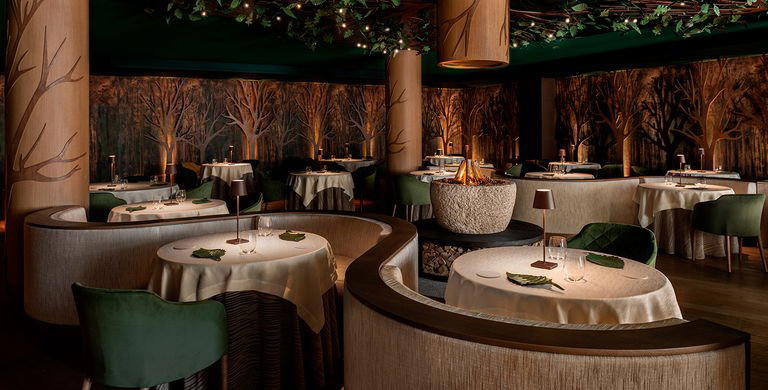
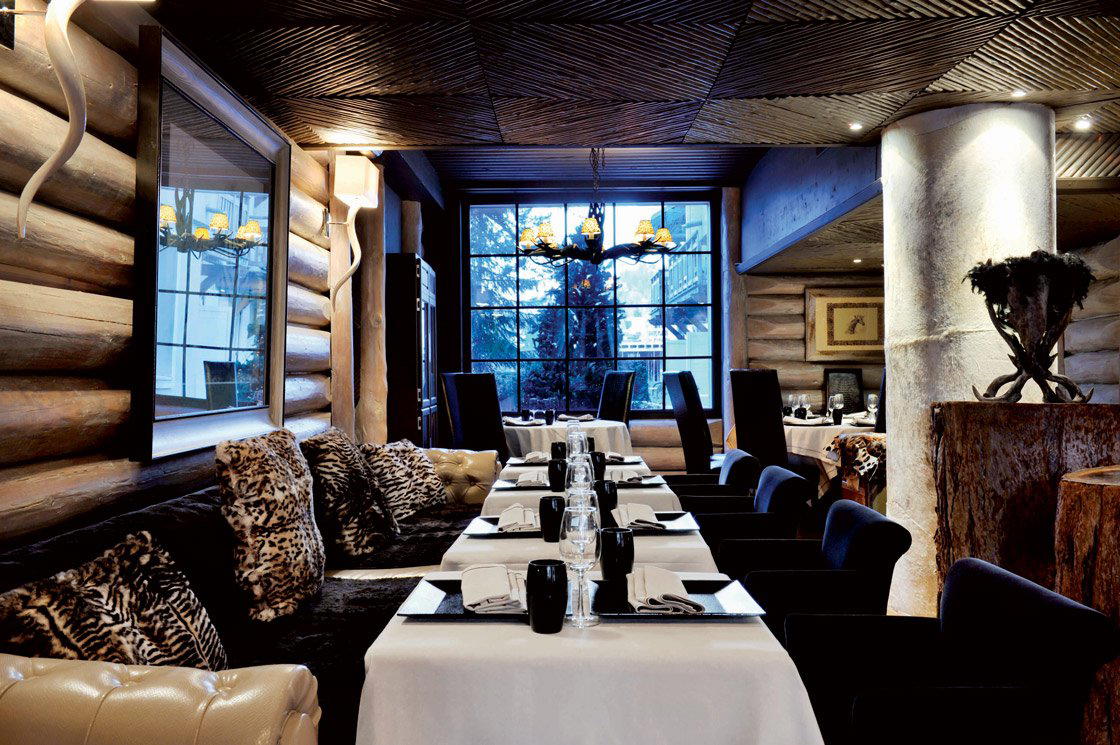
Warm and atmospheric with stone and wood interiors, cozy chalet-like setting evoking mountain romance and comfort.