Triple Creek Ranch



Triple Creek Ranch sits in Montana's Bitterroot Valley as an adults-only Relais & Châteaux property where American ranch dining meets a serious wine program. Chef Pedro Garcia leads the kitchen, while Wine Director Jeremy Nobles oversees a 430-selection, 11,250-bottle cellar weighted toward California and France. The cattle-drive experience and wildlife-focused setting frame the sourcing philosophy as much as the plate.
Pearl is the En Primeur Club membership app — saves, bookings, and concierge access live there. Same editors, same standards.
- Address
- 5551 W Fork Rd, Darby, MT 59829
- Phone
- (406) 821-4600
- Website
- triplecreekranch.com
 Saves & bookings on Pearl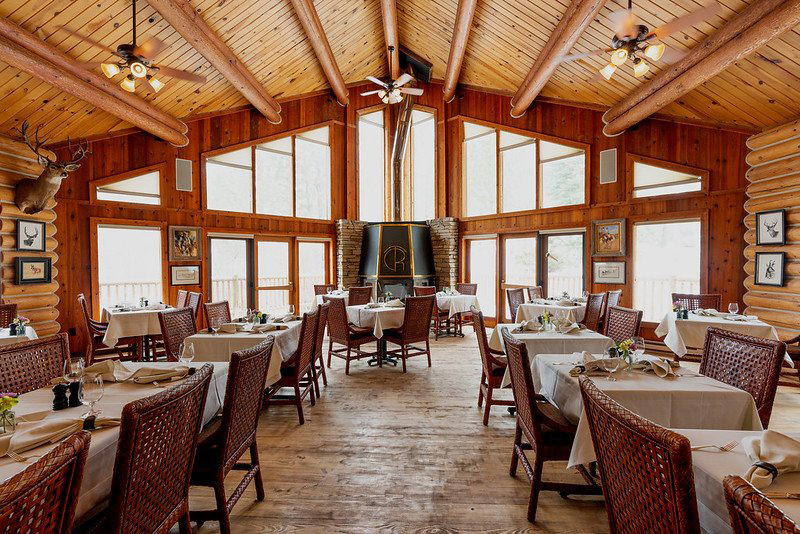
Where the Bitterroot Valley Sets the Table
The approach to Triple Creek Ranch along West Fork Road gives you a reliable read on what the property is doing. The Bitterroot Mountains press close on both sides, the Bitterroot River runs cold and clear through the valley floor, and the timber-and-stone architecture sits low against the ridgeline rather than competing with it. This is not a Western theme applied to a generic resort. The land is the operating premise, and the kitchen at Triple Creek takes that seriously in ways that distinguish it from the broader category of ranch-adjacent fine dining.
The adults-only designation, the Relais & Châteaux membership, and the cattle-drive programming are not independent features. They combine to produce a specific kind of guest and a specific kind of expectation: serious attention to sourcing, to terrain, and to the kind of American cooking that matches a $95 price point by grounding itself in place rather than trend. For context on what that pricing tier demands at the table, consider what kitchens like Blue Hill at Stone Barns in Tarrytown or Single Thread Farm in Healdsburg have done with farm-to-table sourcing at comparable price points. Triple Creek operates in that same register, applied to Montana's particular larder.
American Ranch Cooking and the Case for Sourcing
Editorial argument for ingredient-led American dining at ranch properties rests on geography. Montana sits at the intersection of ranching heritage, cold-water fisheries, wild game traditions, and a short but intense growing season that pushes producers toward quality over volume. Head chef Jacob Leatherman works within that framework, and the dinner-only format is itself a sourcing signal: single-service kitchens can build menus around what arrived that day rather than managing throughput across multiple meal periods.
The ranch's own cattle-drive experience is not incidental to the dining program. Properties that run guests through working ranch operations typically source with greater transparency than those that position Western aesthetics as backdrop. What you participate in during the day has a reasonable chance of informing what arrives on the plate in the evening, and that continuity is exactly what separates ingredient-sourced ranch dining from its decorative competitors. This is the same logic that drives destination properties like The Inn at Little Washington and The French Laundry in Napa to invest in kitchen gardens and producer relationships as foundational, not supplemental.
Wildlife emphasis reinforces the same point. Properties built around wildlife observation attract guests who are already attuned to ecosystem thinking, and that guest profile tends to reward sourcing transparency rather than requiring it to be explained. The kitchen at Triple Creek operates in an environment where the audience understands and expects the connection between land and plate.
A Wine Program That Punches Well Above Its Postcode
Remote Montana lodges do not typically maintain 11,250-bottle cellars with 430 selections. The scale of Triple Creek's wine inventory places it in a comparable set that has nothing to do with geography and everything to do with intention. Wine Director Jeremy Nobles, supported by a sommelier team, runs a program with strengths in California and France, with Madeira as a notable tertiary focus.
The California and France axis is the dominant framework for American fine dining wine programs, and Triple Creek's cellar depth within that axis suggests a list built for vertical exploration rather than casual pairing. The $$$ pricing tier, with many bottles at $100 or above, and a $50 corkage fee for guests bringing their own bottles, positions this as a serious program rather than an amenity. For reference, the wine ambitions here sit closer to what you find supporting kitchens like Lazy Bear in San Francisco or Addison in San Diego than to what most lodge dining programs attempt.
The Madeira strength is worth noting separately. Madeira is an acquired specialist interest, and its presence as a declared cellar strength suggests the program is built for guests who know what they are looking for rather than guests who need to be led through a curated shortlist. That specificity is a trust signal worth taking seriously when assessing the overall quality of the list.
The Context: Ranch Luxury and Its Competitive Set
Premium American ranch properties occupy a distinct niche in the broader luxury travel market. The format demands that guests accept geographic remoteness in exchange for immersion, and the leading operators in the category justify that trade by delivering food, wine, and programming that would hold up in far less dramatic settings. Triple Creek's Relais & Châteaux membership places it within a curated international network of independent properties evaluated on kitchen quality, hospitality standard, and character of place. That affiliation is a meaningful credential in a category where self-assessment is the industry norm.
The adults-only structure also shapes the dining experience in practical terms. Without the operational concessions that family-format properties require, the kitchen and front-of-house can maintain a consistency of service and a menu ambition that multi-demographic properties often have to compromise. The dinner-only format extends that logic further. This is a property that has made deliberate choices about its guest and its service model, and the wine and food programs reflect those choices.
For travelers who have eaten at high-ambition American tables like Alinea in Chicago, Le Bernardin in New York City, or Providence in Los Angeles, and are asking what a serious meal looks like inside a working Montana ranch, Triple Creek is the operative answer in this part of the Bitterroot Valley. For a broader orientation to eating, drinking, and staying in this part of Montana, see our full Darby restaurants guide, our full Darby hotels guide, our full Darby bars guide, our full Darby wineries guide, and our full Darby experiences guide.
Planning Your Visit
Triple Creek Ranch is located at 5551 W Fork Rd, Darby, MT 59829. Dinner is the sole meal service relevant to the dining program. With reservations essential, the remote location and adults-only format make advance planning important.
Fast Comparison
Comparable venues nearby, for context on price, style, and recognition.
| Venue | Cuisine | Price | Awards | Notes |
|---|---|---|---|---|
| Triple Creek RanchThis venue — the venue you are viewing | Contemporary American Game Cuisine | $$$$ | ||
| The Ranch at Rock Creek | Montana Ranch Farm-to-Table | $$$$ | Philipsburg | |
| The Montana Dinner Yurt | Backcountry American Yurt Dinner | $$$$ | , | Big Sky Resort |
| Hops Downtown Grill | Montana Grill & Burgers | $$$ | , | Downtown Kalispell |
| Horn and Cantle at Lone Mountain Ranch | Rustic Montana Farm-to-Table Steakhouse | $$$$ | Big Sky | |
| Cortina | Italian Chophouse | $$$$ | Big Sky Resort |
Continue exploring
More in Darby
Hotels in Darby
Browse all →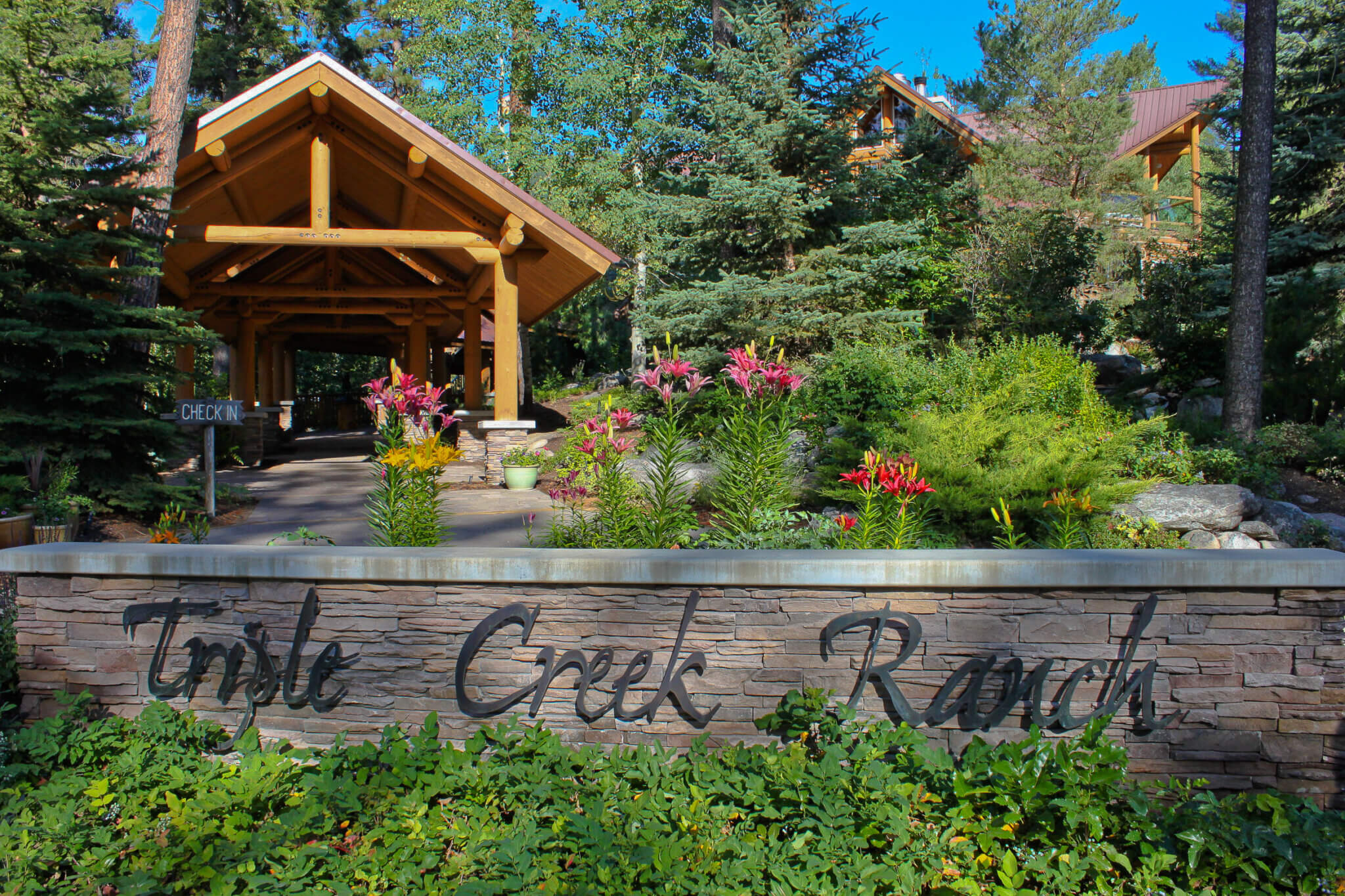
At a Glance
- Romantic
- Rustic
- Cozy
- Elegant
- Scenic
- Intimate
- Date Night
- Special Occasion
- Hotel Restaurant
- Extensive Wine List
- Sommelier Led
- Local Sourcing
- Mountain
Cozy and comfortable dining room with a casual, welcoming atmosphere, rustic elegance, and mountain views, ideal for lingering over rich, flavorful meals.