Biga Pizza

Diners, Drive-Ins and Dives Featured Restaurant
Our verdict
On West Main Street in downtown Missoula, Biga Pizza occupies the space where Montana's agricultural breadth meets a serious approach to fermentation and dough. The name itself signals intent: biga is an Italian pre-ferment, a slow-build starter culture that defines the texture and depth of the crust before any topping is considered. For a mid-sized city in the Northern Rockies, that level of craft specificity is worth paying attention to.

Pearl is the En Primeur Club membership app — saves, bookings, and concierge access live there. Same editors, same standards.
- Address
- 241 W Main St, Missoula, MT 59802
- Phone
- (406) 728-2579
- Hours
- Mon–Sat 11 AM–9 PMSun Closed
- Website
- bigapizza.com
- Directions
- Get directions
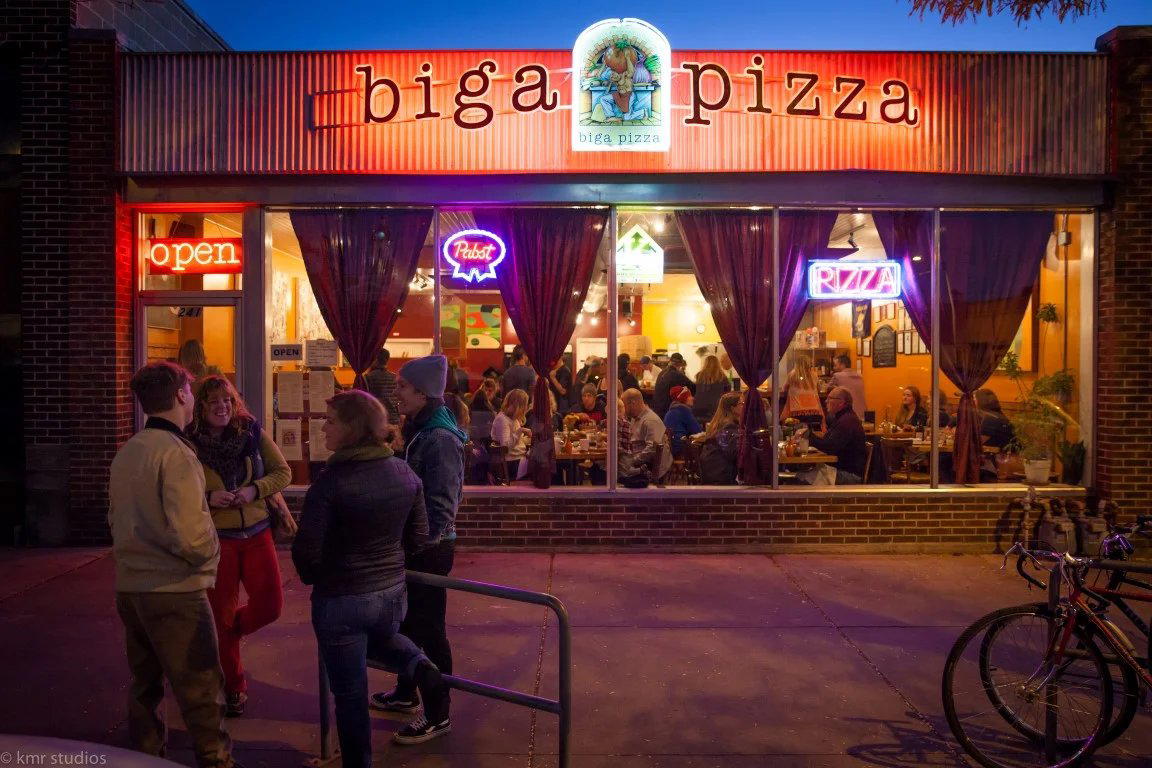
West Main Street and What Pizza Can Mean in Montana
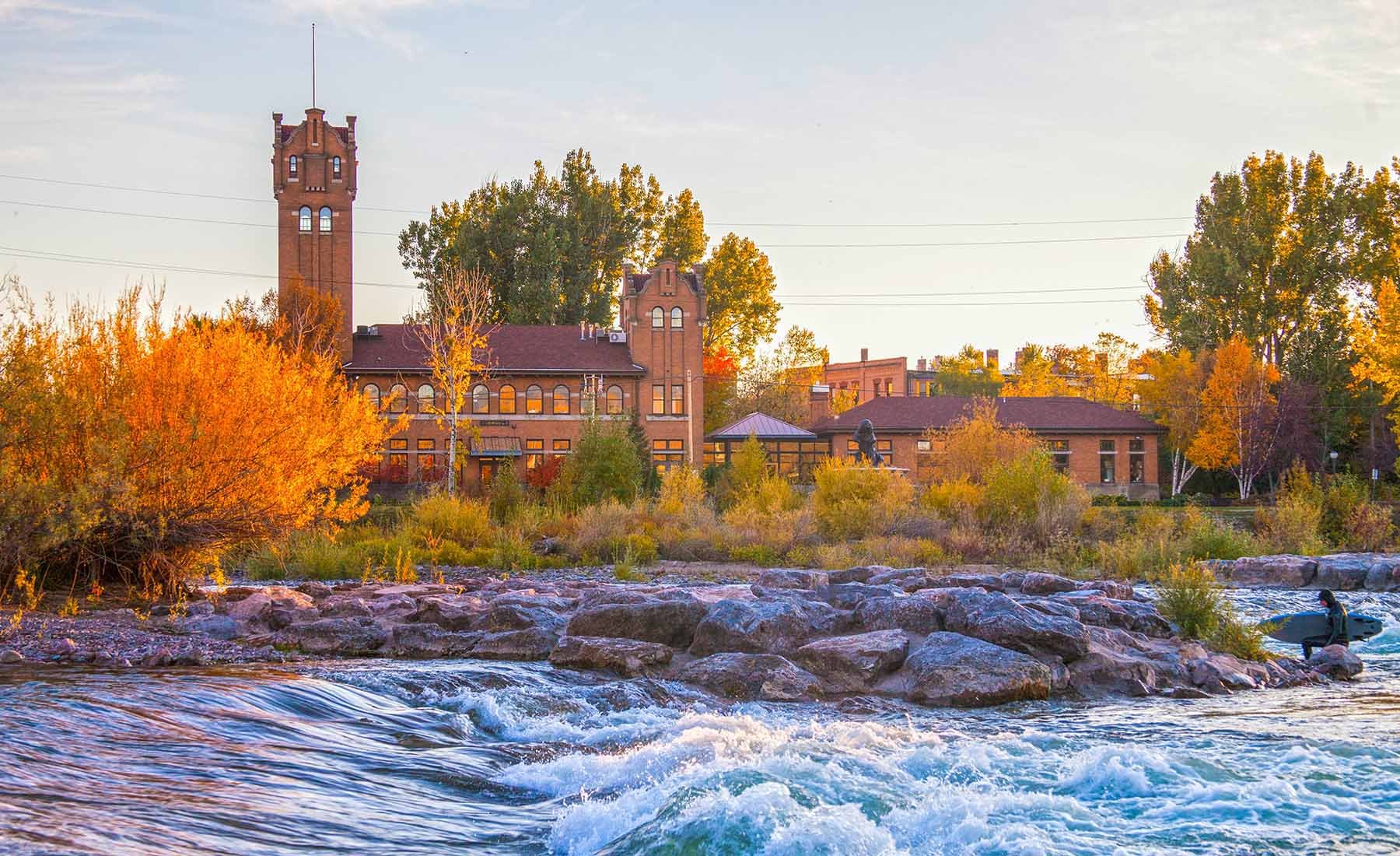
Downtown Missoula has a particular quality on a weekday evening: the Clark Fork runs a block away, foot traffic from the University of Montana filters through, and the commercial strip on West Main carries a mix of long-standing locals and newer arrivals. At 241 W Main St, Biga Pizza sits within that texture. Walk toward it and what registers first is not signage but the smell — the particular yeast-and-char combination that good wood- or deck-fired pizza produces, the kind of scent that announces a kitchen taking fermentation seriously rather than rushing dough through a same-day proof.
That sensory signal matters because it frames everything that follows. In a region where ingredient sourcing is not a marketing position but a practical reality — Montana ranchers, Pacific Northwest grain mills, and a short-season growing calendar shape what any kitchen can actually put on a plate, a pizzeria anchored to a slow-ferment process is making an implicit claim about provenance and patience. Biga Pizza follows through on that claim.
The Argument for Slow Fermentation in the Northern Rockies
The biga pre-ferment technique, borrowed from Italian bread-baking tradition, works by allowing wild or commercial yeasts to develop over an extended period, typically 12 to 48 hours, before the dough is finished and shaped. The result is a crust with deeper flavor complexity, a more open crumb structure, and better digestibility than same-day dough. Across the American pizza scene, slow-ferment and naturally leavened crusts have become a marker of the serious independent tier, distinguishing kitchens like Biga from volume-oriented chains in the same way that sourcing single-origin flour separates a thoughtful bakery from a commodity one.
For context, this is the technical discipline that restaurants like Lazy Bear in San Francisco apply to fermentation broadly, using time and microbial process as actual ingredients rather than shortcuts. At the tasting-menu tier occupied by places like Smyth in Chicago or Single Thread Farm in Healdsburg, ingredient sourcing and process transparency are table stakes. Biga applies that same underlying logic to a more accessible format in a mid-sized Montana city, which is not a lesser ambition, it is a different distribution of the same values.
Montana's Ingredient Geography
What makes sourcing interesting in this part of the country is the specificity of what is available locally and regionally. Montana is the third-largest wheat-producing state in the country, with hard red winter wheat and spring wheat varieties grown across the eastern plains. That grain, milled regionally, gives a kitchen like Biga access to flour with traceable provenance, a contrast to the commodity flour pipelines that supply most American pizzerias. Pair that with beef and lamb from Montana ranches operating within a few hours' drive, summer produce from the Missoula Farmers Market (one of the older and better-stocked markets in the Mountain West), and dairy from regional creameries, and the sourcing picture becomes genuinely local rather than aspirationally so.
This is the context in which farm-to-table sourcing means something concrete rather than decorative. Operations like Blue Hill at Stone Barns in Tarrytown or Oyster Oyster in Washington, D.C. have made provenance the central editorial premise of their menus. Biga works within a similar logic, scaled to a format, pizza, that makes those ingredients legible to a broader audience. The crust is the delivery mechanism; the sourcing is the argument.
Where Biga Sits in Missoula's Dining Picture
Missoula punches above its population weight in food quality, partly because of the university, partly because of a concentrated outdoor recreation culture that attracts residents with disposable income and strong opinions about quality. The dining scene is not large by coastal standards, but it is coherent. Brasserie Porte Rouge anchors the more formal end of downtown, bringing a French-bistro framework to Montana ingredients. Biga occupies a different register: casual format, lower price of entry, but with a technical foundation that places it closer to the independent craft tier than to neighborhood convenience.
That positioning matters for the visitor making decisions. Missoula is a frequent stop for travelers moving through the Northern Rockies, Glacier National Park lies roughly two hours north, and the city functions as a hub. For that traveler, Biga represents the kind of meal that requires no formality, no advance planning at the level required by a restaurant like The French Laundry in Napa or Le Bernardin in New York City, but still delivers something worth tracking down. It sits in the same practical category as Frasca Food & Wine in Boulder or The Wolf's Tailor in Denver insofar as it represents a Mountain West city producing food that requires no apology relative to coastal peers.
For a fuller map of where Biga fits within the city's dining options, our full Missoula restaurants guide covers the broader picture.
Planning a Visit
Biga Pizza operates at 241 W Main St in downtown Missoula, within walking distance of the Clark Fork riverfront and the core of the downtown commercial district. Given the casual-format positioning and the university-adjacent foot traffic, the room tends to fill on weekend evenings and during academic-year weekdays. Arriving earlier in the service window, before the main dinner rush, generally means shorter waits and a quieter room. Specific hours, booking options, and current pricing are best confirmed directly with the venue, as operational details shift seasonally in a market like Missoula.
Frequently asked questions
Is Biga Pizza a family-friendly restaurant?
Biga Pizza's downtown Missoula location at 241 W Main St places it in a walkable, accessible part of the city frequented by university students, locals, and visitors of all ages. The pizza-focused format keeps the menu approachable for groups with mixed tastes. It draws a broad cross-section of Missoula diners rather than a narrowly defined crowd.
What's the vibe at Biga Pizza?
Biga Pizza occupies a West Main Street address in downtown Missoula, one block from the Clark Fork, where foot traffic mixes University of Montana regulars with outdoor recreation visitors passing through. The setting is casual and community-oriented rather than formal, consistent with Missoula's general dining character. Expect a neighbourhood-restaurant energy rather than a destination-dining atmosphere.
What is the biga method and why does Biga Pizza use it?
The biga is an Italian pre-ferment: a portion of flour, water, and yeast mixed well ahead of the final dough, typically 12 to 48 hours in advance, allowing slower enzyme activity and more complex flavour development than a straight dough. In Missoula, where the altitude and dry mountain climate affect fermentation behaviour, a pre-ferment gives the kitchen more control over the final product. The restaurant takes its name directly from this technique, which signals that the method is the defining commitment rather than a secondary detail.
What should I order at Biga Pizza?
The house identity is built around the biga pre-ferment method, a technique borrowed from Italian bread-baking that develops yeast over an extended period before the dough is finished. Any pizza on the menu reflects that base process, so the crust itself is the through-line worth paying attention to. Specific current menu items and seasonal offerings are best confirmed directly with the restaurant before visiting.
Where exactly is Biga Pizza?
Biga Pizza is located at 241 W Main St, Missoula, MT 59802, Missoula.
Do they take walk-ins at Biga Pizza?
The 241 W Main St address is centrally located if you're already in the area and want to check availability in person.
What makes Biga Pizza worth seeking out?
Biga Pizza applies a slow-fermentation technique that most pizza operations in Montana do not use at scale, which produces a dough structure meaningfully different from same-day-mixed alternatives. Missoula already outperforms its population size in food quality, partly driven by the University of Montana's presence and an outdoor recreation culture that demands year-round dining infrastructure. The combination of a technique-specific kitchen and a genuinely food-literate local market makes 241 W Main St a more interesting address than its low-key exterior suggests.
Comparison Snapshot
Comparable venues nearby, for context on price, style, and recognition.
| Venue | Cuisine | Price | Awards | Notes |
|---|---|---|---|---|
| Biga PizzaThis venue — the venue you are viewing | Brick-Oven Pizza | $20–30 | Diners, Drive-Ins and Dives Featured Restaurant | Not listed |
| Brasserie Porte Rouge | French Brasserie with Montana Twists | $50–100 | Not listed | downtown |
| Lydia's Supper Club | Traditional Italian-American Supper Club | $30–50 | Not listed | Harrison Avenue |
| Tutti Bene | Refined Italian with Montana Ingredients | $50–100 | Not listed | Downtown Bozeman Historic District |
| Silver Star Steak Company | Western Steakhouse | $50–100 | Not listed | Great Northern Town Center |
| Bitterroot Bistro | American Bistro with Montana Flair | Not listed | Not listed | Downtown Bozeman |
Recognition history
Dated appearances from independent guides and award organizations, with the underlying list record or original source where available.
Diners, Drive-Ins and Dives Featured Restaurant
Diners, Drive-Ins and Dives · 2026 Diners, Drive-Ins and Dives Featured Restaurants
Continue exploring
More in Missoula
Restaurants in Missoula
Browse all →
Details
- Cozy
- Rustic
- Casual Hangout
- Family
- Late Night
- Open Kitchen
- Beer Program
- Local Sourcing
- A La Carte
- Vegetarian Friendly
- Vegan Options
- Gluten Free Options
Current opening hours
- Monday
- 11 AM–9 PM
- Tuesday
- 11 AM–9 PM
- Wednesday
- 11 AM–9 PM
- Thursday
- 11 AM–9 PM
- Friday
- 11 AM–9 PM
- Saturday
- 11 AM–9 PM
- Sunday
- Closed
Hours can change for holidays and private events. Last verified .
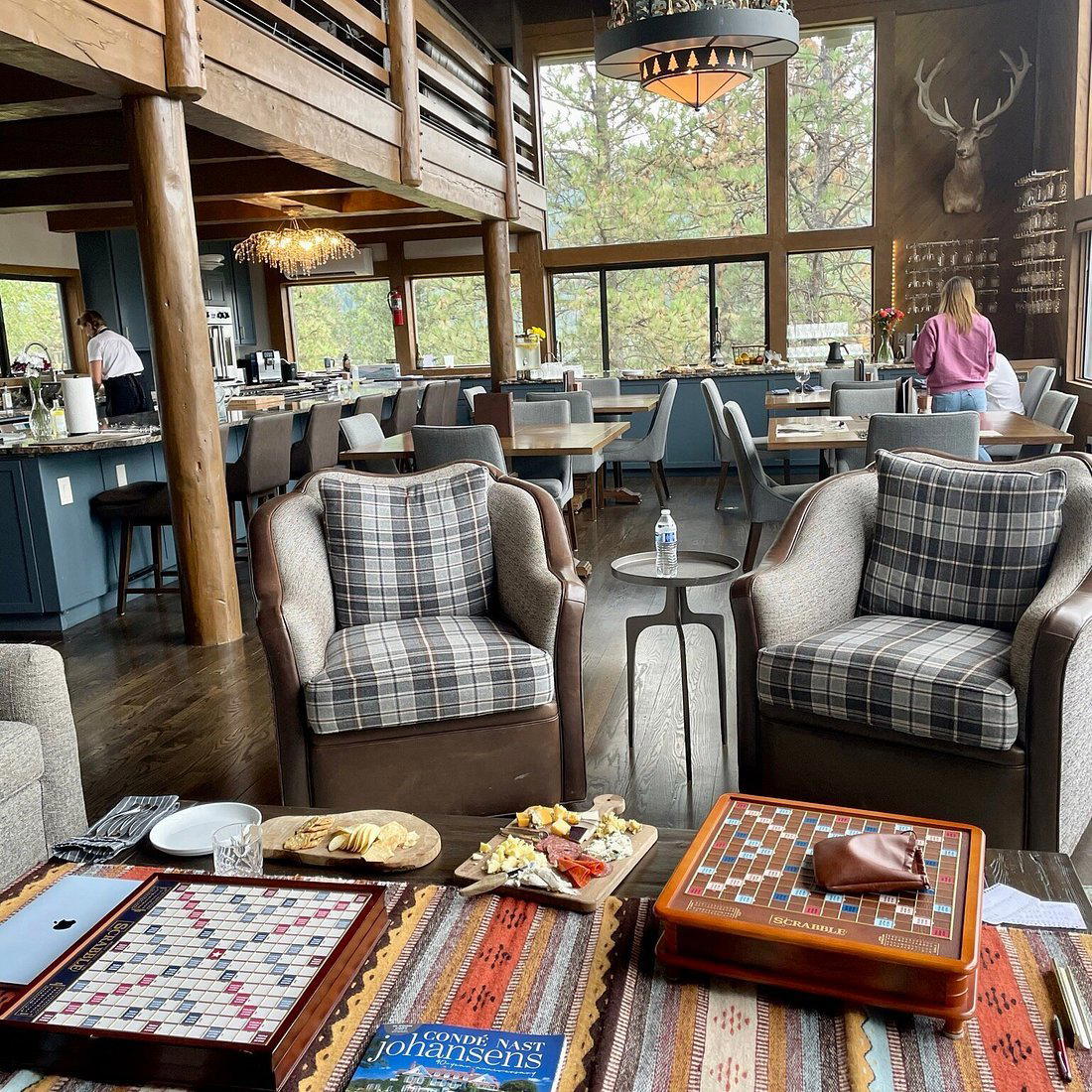
Classy hole-in-the-wall vibe with fresh ingredients and a welcoming Rocky Mountain atmosphere.