Brasserie Porte Rouge
Our verdict
Brasserie Porte Rouge occupies a Front Street address in downtown Missoula, bringing a French brasserie format to one of Montana's most food-serious cities. The venue sits within a local dining scene that has grown considerably more ambitious over the past decade, making it a reference point for anyone tracking how European culinary traditions translate into the American Mountain West.

Pearl is the En Primeur Club membership app — saves, bookings, and concierge access live there. Same editors, same standards.
- Address
- 231 E Front St, Missoula, MT 59802
- Phone
- (406) 541-0231
- Hours
- Mon–Thu 11 AM–2 PM, 4:30–8:45 PMFri 11 AM–2 PM, 4:30–9 PMSat 4:30–9 PMSun 4:30–8:30 PM
- Website
- brasserieporterouge.com
- Directions
- Get directions
- Booking
- Book on Resy
The menu
What to order
- Steak frites
- Duck confit
- Quail dish
French Brasserie in the Mountain West: What That Actually Means
Downtown Missoula's restaurant corridor along Front Street has, over the past decade, shifted from a handful of reliable standbys toward something more deliberate. The city's position as a university town with a strong outdoor culture and a population that travels has created appetite for formats that go beyond the regional norm. Brasserie Porte Rouge sits at 231 E Front St inside that broader shift, representing a category that remains genuinely rare at this latitude: the French brasserie, transplanted into the Northern Rockies and asked to make a case for itself on its own culinary terms.
The French brasserie is a specific tradition, not a loose gesture toward Europe. It emerged from Alsatian culture, carried to Paris by migrants in the nineteenth century, and settled into a format defined by zinc counters, late hours, choucroute, steak frites, and the particular civic function of a room that serves lunch, dinner, and the hours between. The format survived in France because it occupies a tier between the casual bistro and the formal restaurant, where technique is expected but ceremony is not. That positioning is arguably even more useful in an American mountain city, where the gap between casual and special-occasion dining can be considerable.
Understanding that tradition matters when you consider what Porte Rouge is attempting. The name itself — red door, in French — signals an entry point, a threshold between the Montana street outside and a deliberately European interior logic. Whether a room delivers on that signal is always a question of execution, but the brasserie format has the structural advantage of being forgiving to a broad range of guests: it can be a quick dinner before a show at the Wilma, a long table for a group, or a solo seat at the bar with a carafe and something from the charcuterie. That flexibility is built into the tradition's DNA.
Missoula's Dining Position in the Mountain West
To place Brasserie Porte Rouge accurately, it helps to understand where Missoula sits relative to the broader Mountain West dining conversation. The region has developed a small tier of restaurants that draw serious attention: Frasca Food & Wine in Boulder has held its position as the region's most cited Italian-focused fine dining room for years, while The Wolf's Tailor in Denver represents the more experimental end of progressive American cooking in the Rockies. Missoula has historically sat outside that conversation, known more for its independent food culture than for destination-level ambition.
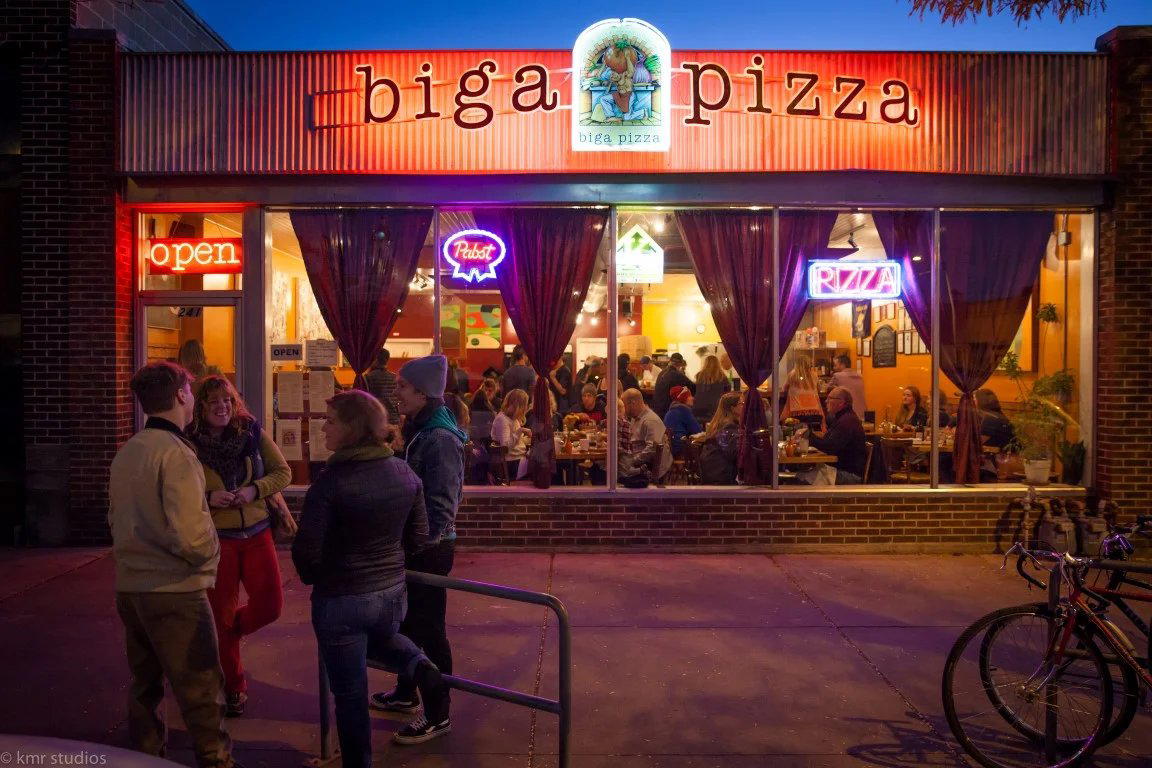
That is changing. The city's dining scene now includes a range of formats serious enough to warrant comparison with mid-size American cities well above its population size. Biga Pizza has long been a reference point for what considered, ingredient-led cooking looks like in this market. Porte Rouge operates in a different register but within the same general ambition: that Missoula restaurants can hold a culinary argument with their format and not just their location. For the fuller picture of where that argument stands across the city, our full Missoula restaurants guide maps the scene in detail.
The Cultural Weight of the Brasserie Format
The brasserie's cultural significance is worth taking seriously rather than treating it as mere atmosphere. At restaurants like Le Bernardin in New York City, French culinary tradition operates at its most formal and technically demanding register. At the other end of the spectrum, French influence has dispersed so widely through American cooking that it has become effectively invisible. The brasserie occupies the productive middle ground: formal enough to have internal standards, informal enough to absorb local ingredients and local rhythms.
That middle position is where American interpretations of the format either succeed or lose the thread. The risk is defaulting to surface markers, a chalkboard in French, moules frites on the menu, without the underlying kitchen discipline that makes the brasserie worth the category name. The reward, when the execution holds, is a room that generates the kind of regularity that only comes from a place where people feel both fed and comfortable. Places like Emeril's in New Orleans have demonstrated that European-rooted formats can develop deep local identity in American cities when they commit to the region's ingredients and rhythms rather than treating the original tradition as a museum piece.
At the higher end of ambition, the question of how much local context a classical format can absorb before it becomes something else entirely is one that restaurants from The French Laundry in Napa to Blue Hill at Stone Barns in Tarrytown have answered in their own ways. Porte Rouge operates at a different scale and price point than either, but the underlying tension is the same: how much does a French frame need to flex to make sense in a place where elk and huckleberries are more culturally legible than escargot?
Who Comes Here and Why It Matters
Missoula's dining public is more varied than the city's size suggests. The University of Montana draws faculty and visiting academics; the outdoor economy brings a well-traveled clientele with international reference points; and the city's position as the cultural hub of western Montana means it pulls guests from a wide radius on weekends. That mix creates an audience willing to engage with a format like the brasserie on its own terms rather than simply asking whether the portions are large.
Among the restaurants earning attention from that audience nationally, places like Lazy Bear in San Francisco, Smyth in Chicago, and Providence in Los Angeles define what serious American dining looks like at the upper tier. Porte Rouge is not in that competitive set, nor is it trying to be. Its frame of reference is closer to the kind of well-run neighborhood brasserie that European cities produce reliably and American cities rarely do. In Missoula, that is its own form of ambition.
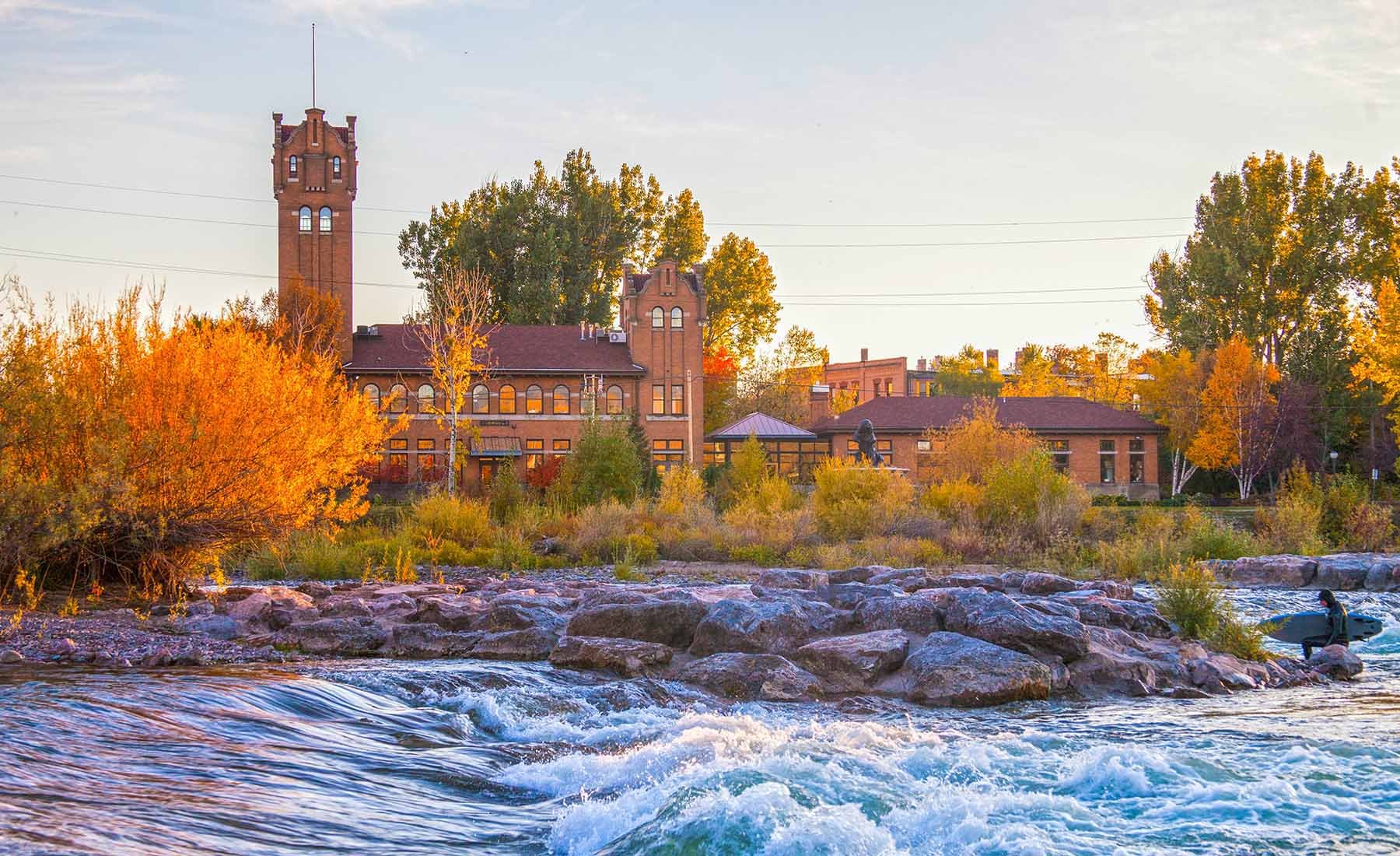
Visitors planning around the restaurant should note that Front Street is walkable from most of downtown Missoula's hotels and the Clark Fork riverfront, making it a practical dinner option after time on the river trail or before an evening at one of the city's music venues. For those arriving from out of town and building a broader itinerary, the street-level address is easy to locate without advance navigation.
Planning a Visit
Prospective guests should verify directly with the restaurant before visiting, particularly for weekend evenings when downtown Missoula dining rooms tend to fill ahead of event programming at nearby venues. The address at 231 E Front St places the restaurant within the central dining corridor, convenient to the city's main accommodation cluster.
Frequently asked questions
What part of town is Brasserie Porte Rouge in?
Brasserie Porte Rouge is located at 231 E Front St, Missoula, MT 59802, Missoula.
How does Brasserie Porte Rouge fit into Missoula's dining scene compared to other Montana restaurants?
Missoula's restaurant corridor on Front Street has evolved over the past decade, and Brasserie Porte Rouge occupies a specific position within it: a French brasserie format in a city better known for its outdoor culture and University of Montana-driven dining demand. Few Montana cities outside Bozeman support French-format restaurants at this scale, which makes the 231 E Front St address a point of reference for the state's broader dining conversation.
Is Brasserie Porte Rouge reservation-only?
Downtown Missoula restaurants along the Front Street corridor tend to fill on weekend evenings, particularly when the University of Montana calendar is active. Reaching out to the venue directly ahead of your visit is the most reliable approach.
What's the signature at Brasserie Porte Rouge?
The signature here is structural rather than dish-specific: Brasserie Porte Rouge applies the brasserie format — a French model built around all-day service, accessible pricing, and a broad menu anchored in classical technique — to downtown Missoula's Front Street dining corridor. That positioning is notable in the Mountain West, where French-format restaurants of this kind are sparse outside major metros.
Price Lens
| Venue | Cuisine | Price | Awards | Notes |
|---|---|---|---|---|
| Brasserie Porte RougeThis venue — the venue you are viewing | French Brasserie with Montana Twists | $50–100 | Not listed | Not listed |
| Le Bernardin | French Seafood Fine Dining | $300–500 | 3 Michelin Stars · World's 50 Best #13 | French, Seafood |
| Lazy Bear | Modern American Tasting Menu | Not listed | 2 Michelin Stars · World's 50 Best #25 | Progressive American, Contemporary |
| Atomix | Modern Korean Tasting Menu | $300–500 | 2 Michelin Stars · World's 50 Best #7 | Modern Korean, Korean |
| Per Se | French Fine Dining Tasting Menu | $300–500 | 3 Michelin Stars · World's 50 Best #40 | French, Contemporary |
| Masa | Traditional Japanese Omakase | $500+ | 2 Michelin Stars · World's 50 Best #27 | Sushi, Japanese |
Continue exploring
More in Missoula
Restaurants in Missoula
Browse all →
Details
- Classic
- Elegant
- Cozy
- Date Night
- Special Occasion
- Business Dinner
- Open Kitchen
- Extensive Wine List
- Craft Cocktails
- Local Sourcing
- A La Carte
- Small Plates
- Wine
- Beer Program
- Vegetarian Friendly
Current opening hours
- Monday
- 11 AM–2 PM, 4:30–8:45 PM
- Tuesday
- 11 AM–2 PM, 4:30–8:45 PM
- Wednesday
- 11 AM–2 PM, 4:30–8:45 PM
- Thursday
- 11 AM–2 PM, 4:30–8:45 PM
- Friday
- 11 AM–2 PM, 4:30–9 PM
- Saturday
- 4:30–9 PM
- Sunday
- 4:30–8:30 PM
Hours can change for holidays and private events. Last verified .
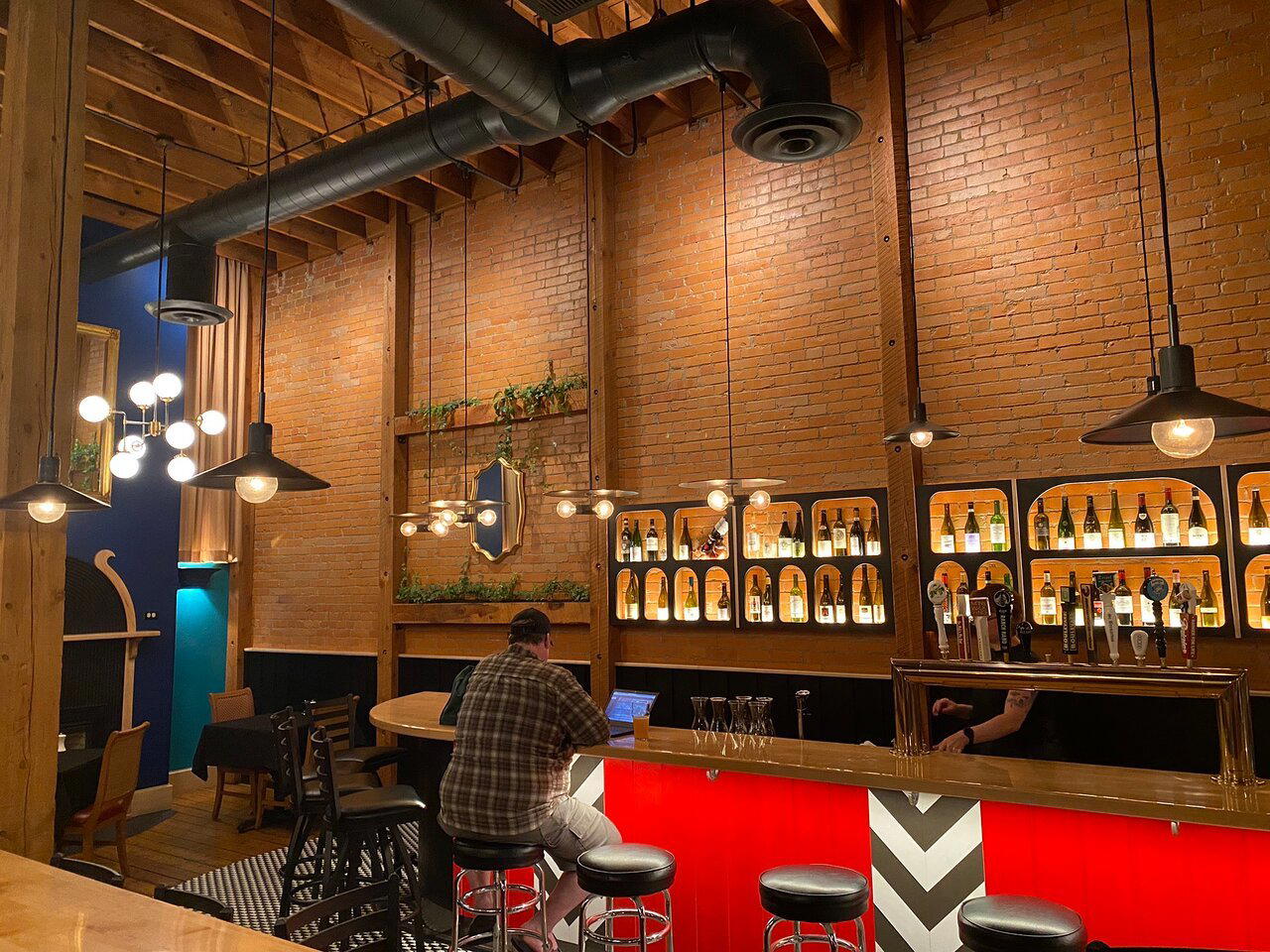
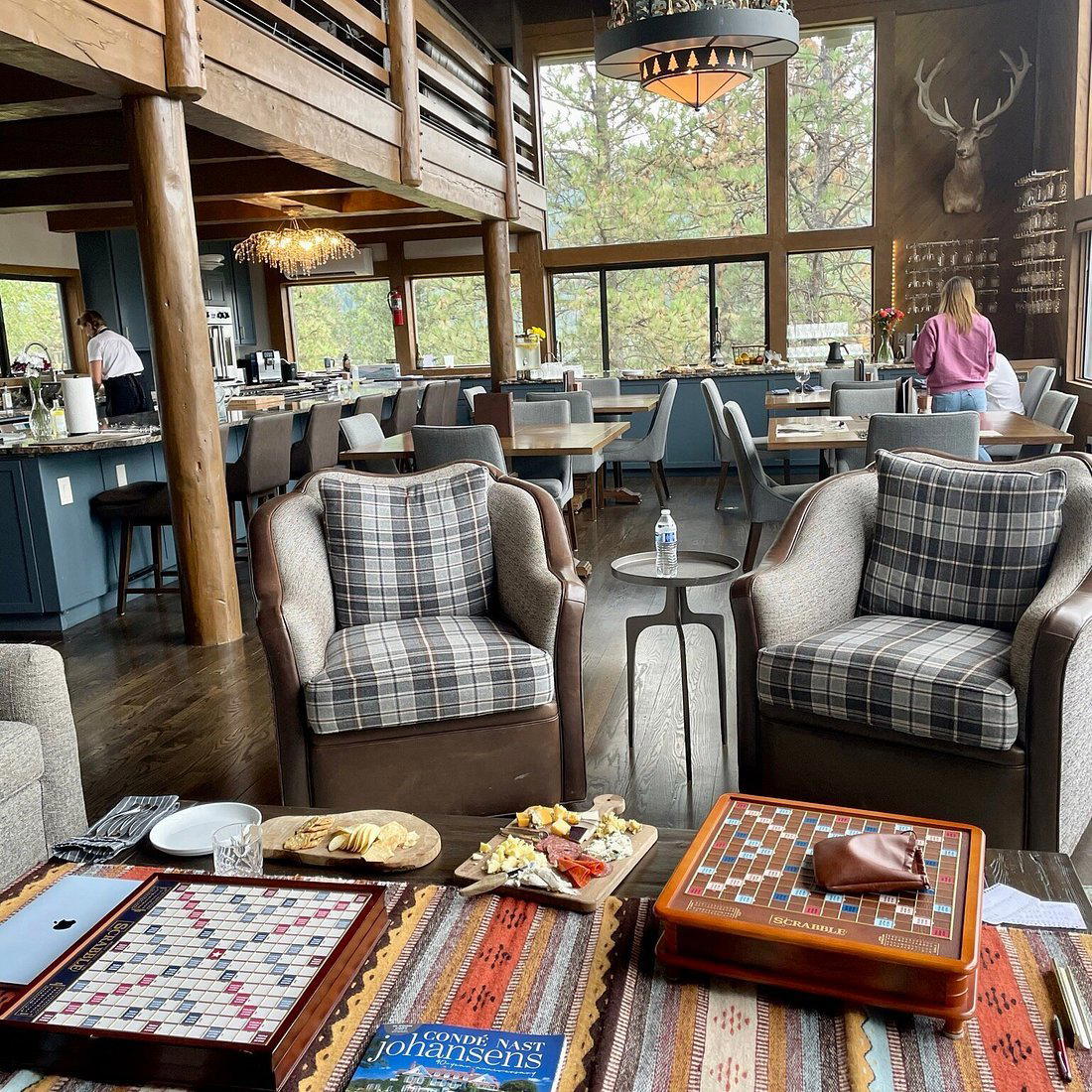
Polished yet comfortable atmosphere featuring exposed brick, tile floors, bold lighting, and a prominent bar area.