Brennan's Wave
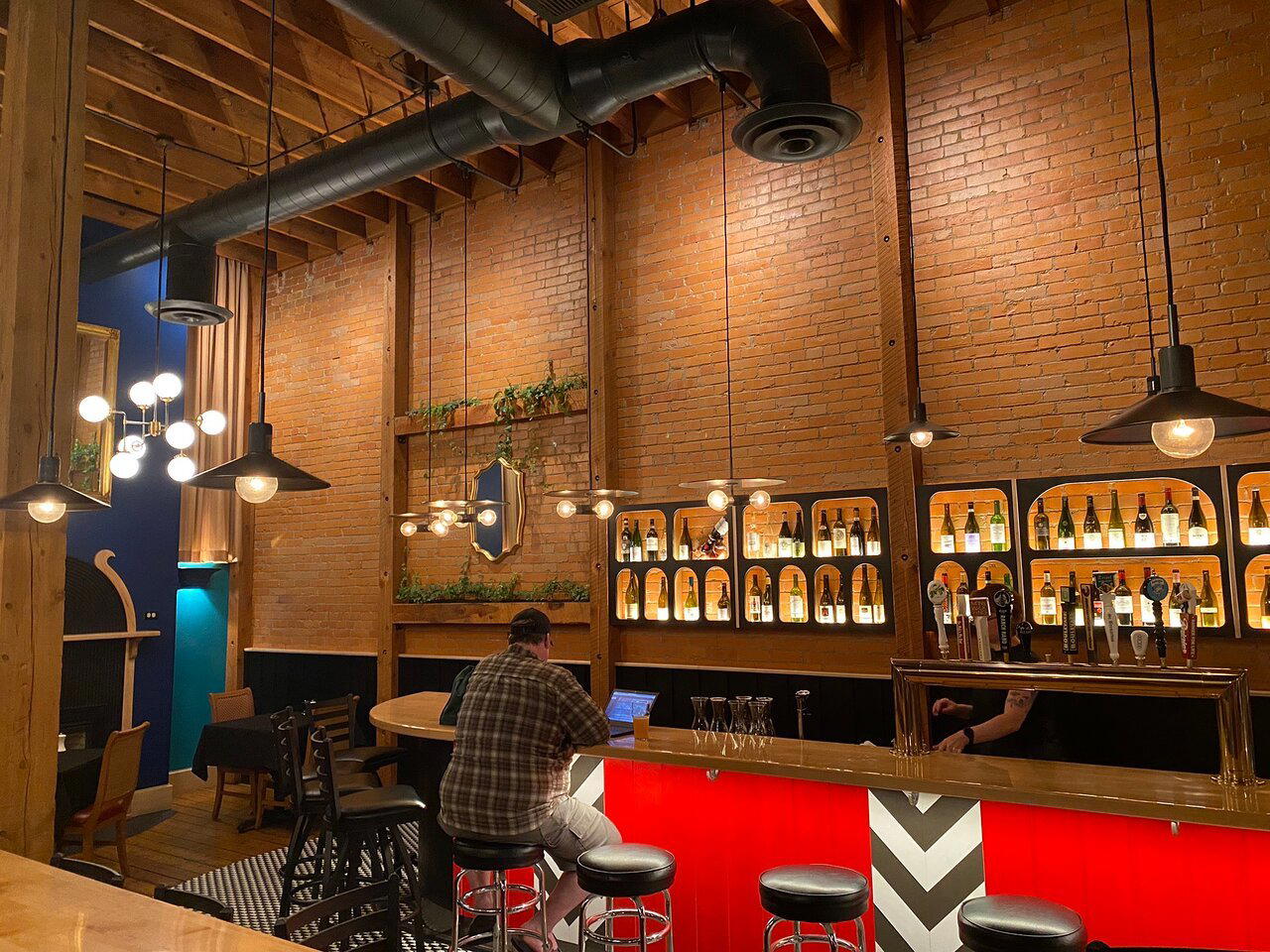
Brennan's Wave sits inside Missoula's broader scene of mountain-town venues where natural setting and local character carry more weight than formal credentials. With sparse confirmed data, the full picture remains incomplete, but its place in a city defined by the Clark Fork River and outdoor culture gives it a clear contextual identity worth understanding before you visit.

Pearl is the En Primeur Club membership app — saves, bookings, and concierge access live there. Same editors, same standards.
- Address
- Missoula, United States
- Directions
- Get directions
What the Clark Fork Tells You Before You Walk In
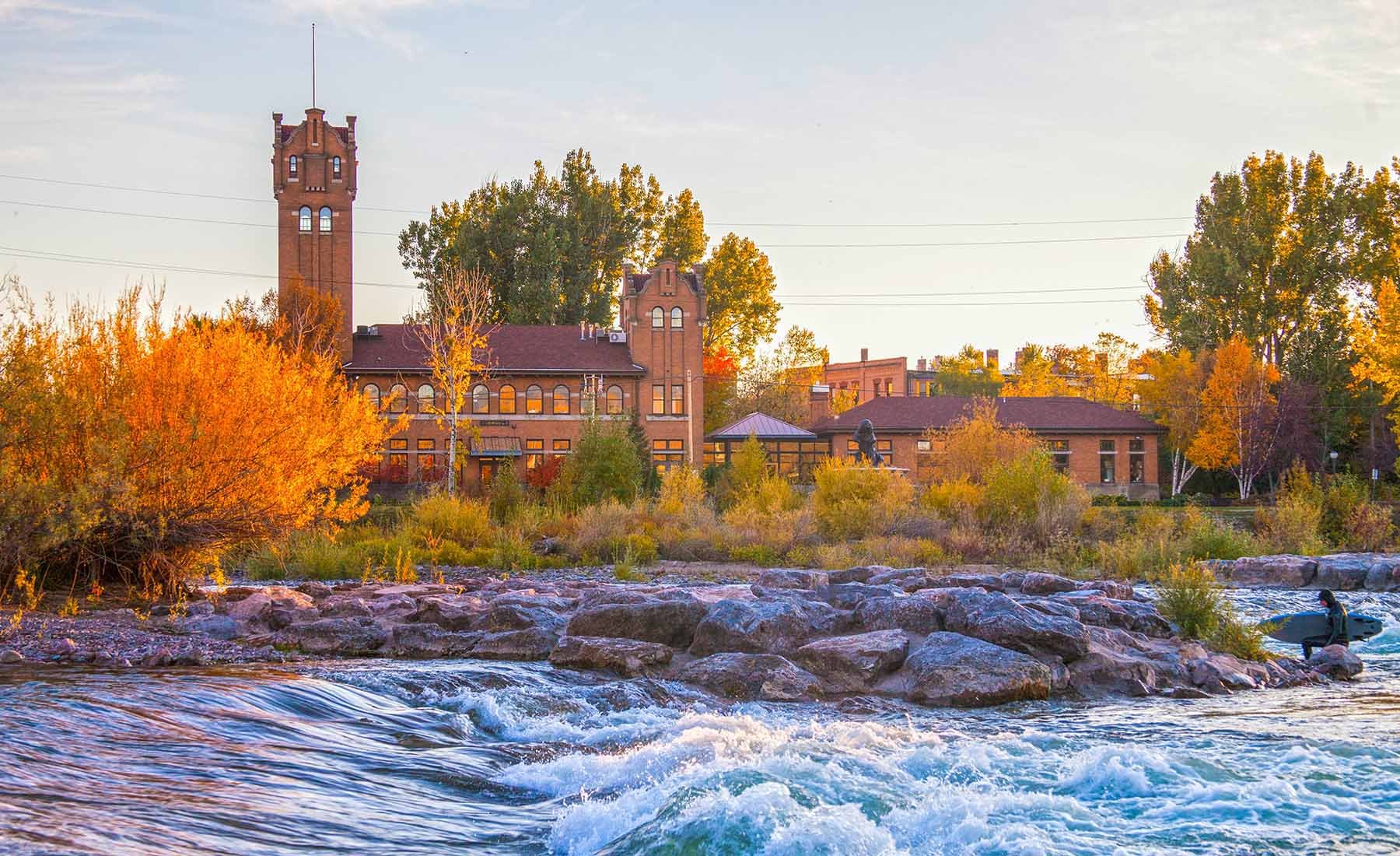
Missoula's dining and drinking scene has long been shaped by the river that runs through its centre. The Clark Fork doesn't just provide a view; it organises the city's social geography, with neighbourhoods, bars, and gathering places orienting themselves around its banks in ways that parallel how coastal cities arrange themselves around waterfronts. Venues with proximity to the water — or names that invoke it — tend to occupy a particular role in the local imagination: they're where the outdoor culture that defines western Montana finds its indoor expression. Brennan's Wave sits within that tradition in Missoula, a city that draws from the University of Montana's creative energy, the surrounding Bitterroot and Rattlesnake wilderness areas, and a food and drink culture that has grown considerably more sophisticated over the past decade without losing the directness that characterises mountain-town hospitality.
For context on the region's premium lodging options, properties like Alpine Falls Ranch in Superior and Sage Lodge in Pray represent the kind of design-led, landscape-integrated approach that has become a benchmark for Montana hospitality. Brennan's Wave occupies a different register, as a local venue rather than a destination resort, but the same preference for spatial honesty over theatrical luxury tends to run through Montana's most credible establishments.
The Physical Logic of a Wave-Named Venue
The name itself carries architectural implications worth considering. Brennan's Wave references a standing wave on the Clark Fork, a hydraulic feature that became a point of civic pride when Missoula engineered a whitewater park in the river corridor. That reference grounds the venue in a specific, physical piece of the city rather than in generic western Montana branding. Venues that name themselves after specific local landmarks or natural features tend to carry a different kind of accountability than those that reach for broader regional identity: the name is a promise about belonging to a place, and the space either fulfils that promise or doesn't.
In Missoula's hospitality context, the wave reference also signals a particular clientele: people who know the river, who may kayak or surf the standing wave themselves, and who arrive already connected to the outdoor culture the name invokes. That's a narrower but more committed audience than a generic sports bar or hotel lounge might attract, and it shapes what a well-run venue in this mould tends to prioritise, natural materials, informal warmth, spatial generosity rather than compression, and a connection to the outdoors that goes beyond decorative photography on the walls.
Across the broader American West, the most considered venues in this category share a design sensibility that borrows from the landscape without mimicking it directly. Amangiri in Canyon Point represents the extreme, high-budget version of this approach, architecture that reads as geological rather than constructed. Ambiente in Sedona works at a similar register. Missoula doesn't operate at those price points or design budgets, but the underlying sensibility, let the landscape in, don't fight it, runs through its better spaces in a more vernacular form.
Missoula as a Dining City
Montana's restaurant culture has historically been underestimated by coastal critics, but Missoula in particular has developed a food and drink identity that rewards attention. The university population creates consistent demand for quality at accessible price points, while the outdoor recreation economy draws visitors with spending power and, increasingly, high culinary expectations formed elsewhere. The result is a city where a well-run bar or restaurant can build a loyal, mixed audience without needing to position itself as fine dining.
That dynamic is distinct from what you find in resort-adjacent markets. Amangani in Jackson Hole serves a different kind of visitor economy, one where the average traveller may also be staying at a property with its own serious dining program. Missoula's hospitality scene is more locally anchored, which tends to produce venues with less polish but more genuine character. The best of them, including spots along the Clark Fork corridor, earn their reputation through consistency and spatial specificity rather than through awards or national press.
For those travelling through the broader region and building a Montana or Pacific Northwest itinerary, our full Missoula restaurants guide covers the scene in more systematic detail, mapping venues by neighbourhood and category against what the city does particularly well.
Placing Brennan's Wave in Its Competitive Set
What the name and city context suggest is membership in Missoula's mid-tier social venue category, spaces that function as gathering points for the city's outdoor and creative communities, where the emphasis falls on accessibility and atmosphere over technical kitchen ambition. This is a different competitive set from the white-tablecloth register that defines, say, SingleThread Farm Inn in Healdsburg or the urban luxury positioning of Aman New York.
That's not a diminishment. The mid-tier social venue in a city like Missoula carries its own set of demands: it needs to work as a neighbourhood local for regulars and as an orientation point for visitors arriving from elsewhere, often on the same evening. Getting that balance right is harder than it sounds. Properties across the American West that have managed comparable positioning in their local markets, Troutbeck in Amenia for the Hudson Valley crowd, Blackberry Farm in Walland for the Tennessee foothills set, do so through spatial identity and consistent programming rather than through a single signature element.
Planning a Visit
Visitors to Missoula are advised to verify directly through local listings before planning around it. The city is accessible via Missoula Montana Airport, with regional connections from Seattle, Denver, Salt Lake City, and Minneapolis. Missoula's compact downtown and Clark Fork corridor are walkable from most central accommodation. For those combining a Missoula visit with broader Montana travel, Sage Lodge near Pray offers a wilderness-adjacent base, while Alpine Falls Ranch in Superior sits closer to the city's western corridor.
Quick Comparison
| Venue | Price | Awards |
|---|---|---|
| Brennan's WaveThis venue — the venue you are viewing | Not listed | Not listed |
| Aman New York | Not listed | 3 Michelin Keys · World's 50 Best #87 |
| Amangiri | $1,000–1,500 | 3 Michelin Keys · World's 50 Best #45 |
| Hotel Bel-Air | $750–1,000 | 3 Michelin Keys · World's 50 Best #57 |
| The Beverly Hills Hotel | Not listed | 3 Michelin Keys · World's 50 Best #65 |
| The Carlyle, A Rosewood Hotel | $1,500–2,500 | 2 Michelin Keys · World's 50 Best #64 |
Continue exploring