Azucar Tapas & Cocktails
On North Kedzie Avenue in Logan Square, Azucar Tapas & Cocktails occupies a stretch of Chicago's most food-forward corridor, bringing a tapas format and cocktail program to a neighbourhood that rewards both. The format suits the block: small plates designed for sharing, drinks engineered for lingering, and a setting that leans into the area's character rather than fighting it.
Pearl is the En Primeur Club membership app — saves, bookings, and concierge access live there. Same editors, same standards.
- Address
- 2647 N Kedzie Ave, Chicago, IL 60647
- Phone
- +17734866464
- Directions
- Get directions
 Saves & bookings on Pearl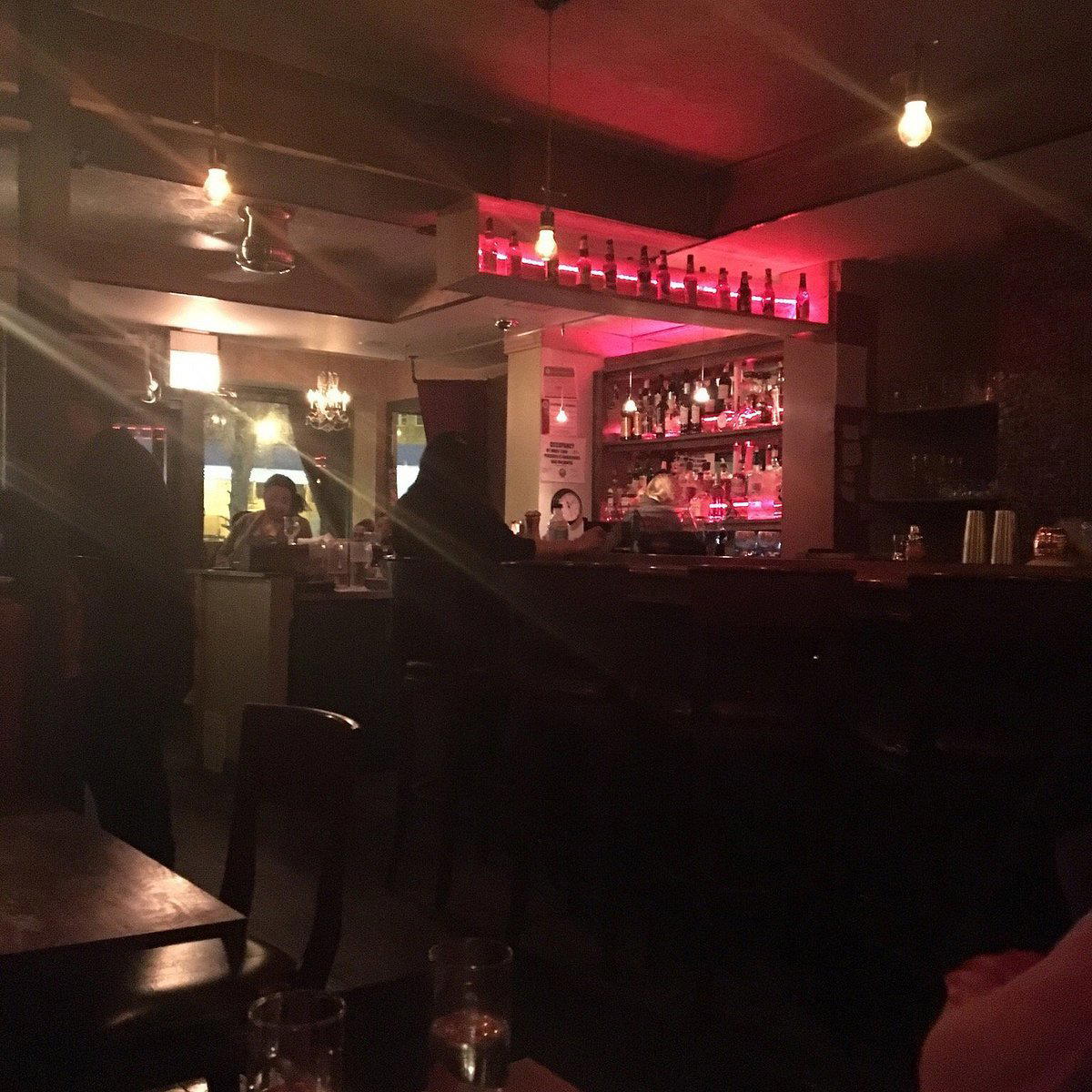
Logan Square and the Small-Plates Format
Azucar Tapas & Cocktails is a Chicago restaurant in Logan Square serving Spanish Tapas in a casual, walk-in-friendly setting. The stretch of North Kedzie Avenue where Azucar Tapas & Cocktails sits at 2647 N Kedzie Ave has drawn a concentration of independent operators who treat the neighbourhood's mix of longtime residents and newer arrivals as a licence to experiment. In that context, the tapas format is a reasonable bet: small plates encourage ordering across a menu, support longer sittings, and pair naturally with a serious cocktail program. For Logan Square operators, that combination has proven more durable than the fixed tasting menu model that dominates Chicago's upper tier at places like Alinea, Smyth, and Oriole.
The tapas tradition itself carries a useful set of references. At its most considered, the format borrows from a Spanish hospitality logic where the bar and the kitchen operate as a single system, drinks and food arriving in informal rotation rather than prescribed courses. What distinguishes the better American iterations of this model is how they handle the intersection between imported technique and local sourcing, deploying classical methods against ingredients that are specific to where the restaurant actually sits. That tension, between a globally travelled format and a rooted sense of place, is where Azucar positions itself on Kedzie.
The Cocktail Program as an Editorial Statement
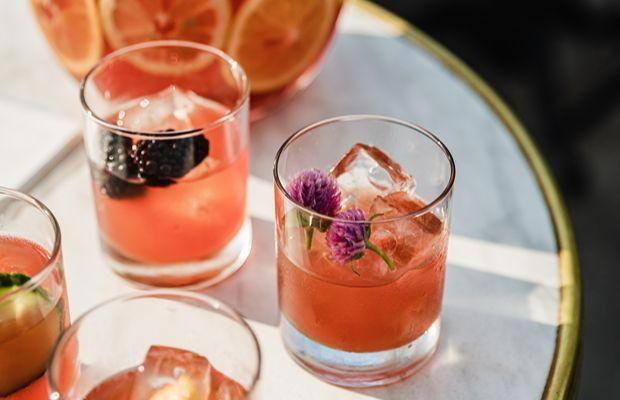
In any tapas-anchored operation, the cocktail program functions as more than a revenue line. It signals something about the kitchen's ambitions and the room's overall register. Chicago's cocktail scene has matured considerably over the past decade, moving from the era of ornate speakeasy theatrics toward programs that emphasise technique, balance, and ingredient specificity. The city now supports a tier of bars and restaurant bar programs where the drink list reads as seriously as the food menu, and where the two are designed to work in tandem rather than compete for the guest's attention.
At Azucar, the cocktail component in the venue name is not decorative. A tapas format without a considered drinks program reduces to a menu of small plates that happen to fit on small plates; the drinks are what transform the experience into something closer to the Spanish bar model the format originally references. For comparable thinking about how drinks and food interact at the summit of the American market, the integration visible at Lazy Bear in San Francisco or the wine-forward approach at Frasca Food & Wine in Boulder illustrates how seriously the leading American operators treat the drinks-food relationship. Azucar operates in a different price register and format, but the principle holds.
Global Technique, Local Grounding
The more interesting editorial question for any Chicago tapas operation is how it handles the local-global tension that defines this editorial angle. Chicago is not a Mediterranean city. Its agricultural context, its flavour traditions, and its seasonal rhythms differ substantially from the Iberian peninsula that the tapas format calls back to. The operators who have built lasting small-plates programs in American cities have generally resolved this tension by treating the format as a structural borrowing rather than a wholesale import: the sharing logic, the drink integration, the informal pacing all travel well. The specific ingredients and flavour references can legitimately draw from wherever the kitchen is planted.
Logan Square's supply environment supports this approach. The neighbourhood sits within reach of the broader Illinois agricultural corridor, and the restaurant density of the area has helped build the kind of supplier relationships that make local sourcing practically viable rather than just aspirational. Chicago's broader food culture has moved in this direction consistently: the farm-to-table infrastructure that underwrites venues like Blue Hill at Stone Barns at the upper end of the American market has its local equivalent in the sourcing networks that smaller Chicago operators have assembled over the past fifteen years. Azucar operates within that broader shift, even if it occupies a different tier from the properties at the summit of our full Chicago restaurants guide.
This local-global framing also applies to how the cocktail program can be read. A serious cocktails list in a tapas context can draw on spirits and modifiers from across the Americas, Europe, and beyond while staying grounded in the seasonal produce and local spirits scene that Chicago has developed. The result, when executed with discipline, is a drinks program that feels specific to its address rather than transferable to any other city.
Where Azucar Sits in the Chicago Dining Picture
Chicago's restaurant conversation tends to concentrate on the upper end of the market, where venues like Kasama and Next Restaurant attract national attention and where the tasting menu format defines the critical conversation. But the city's neighbourhood operators, particularly in Logan Square, Wicker Park, and Pilsen, constitute a parallel ecosystem that functions on different terms: more accessible price points, less formal booking requirements, and a room energy that reflects the neighbourhood rather than a curated fine-dining ideal.
Azucar sits in that neighbourhood tier rather than competing with the tasting-menu circuit. Its competitive set is not The French Laundry or Le Bernardin; it is the block of independent operators on Kedzie and the tapas and small-plates houses that have established themselves across the city's northwest neighbourhoods. Within that set, the cocktail program and the name's explicit signalling of a Latin reference point are meaningful differentiators.
Azucar represents a different kind of argument for the city's restaurant depth. Chicago also sustains independent neighbourhood operators who have invested in format, technique, and cocktail craft at a more accessible register. Both matter if you want an accurate read of what the city's dining culture actually looks like on the ground.
Know Before You Go
Neighbourhood: Logan Square
Format: Tapas and cocktails
Price range: Price tier 2
Hours: Mon: Closed; Tue: Closed; Wed: Closed; Thu: 5:30–11 PM; Fri: 5:30–11 PM; Sat: 5:30–11 PM; Sun: Closed
Reservations: Walk-in friendly
Getting there: 2647 N Kedzie Ave, Chicago, IL 60647
Cuisine Lens
Comparable venues nearby, for context on price, style, and recognition.
| Venue | Cuisine | Price | Notes |
|---|---|---|---|
| Azucar Tapas & CocktailsThis venue — the venue you are viewing | Spanish Tapas | $$ | Not listed |
| Lil' Ba-Ba-Reeba | Spanish Tapas & Pintxos | $$ | River North |
| Smoke Daddy | Chicago BBQ | $$ | Wrigleyville |
| Serai | Malaysian with Chinese, Thai & Indonesian Influences | $$ | Logan Square |
| Soule To Soule | Soul Food Tapas | $$ | West Town |
| Prost | Traditional German Beer Hall | $$ | Lincoln Park |

At a Glance
- Romantic
- Lively
- Intimate
- Date Night
- Casual Hangout
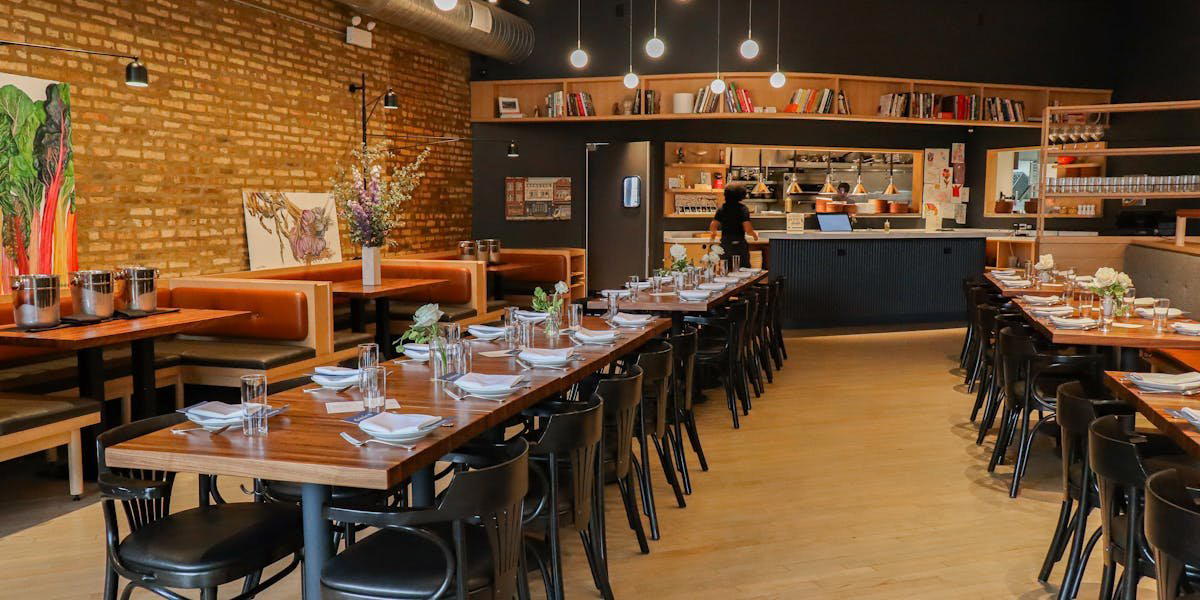
- Open Kitchen
- Craft Cocktails
Current opening hours
- Monday
- Closed
- Tuesday
- Closed
- Wednesday
- Closed
- Thursday
- 5:30–11 PM
- Friday
- 5:30–11 PM
- Saturday
- 5:30–11 PM
- Sunday
- Closed
Hours can change for holidays and private events. Last verified .
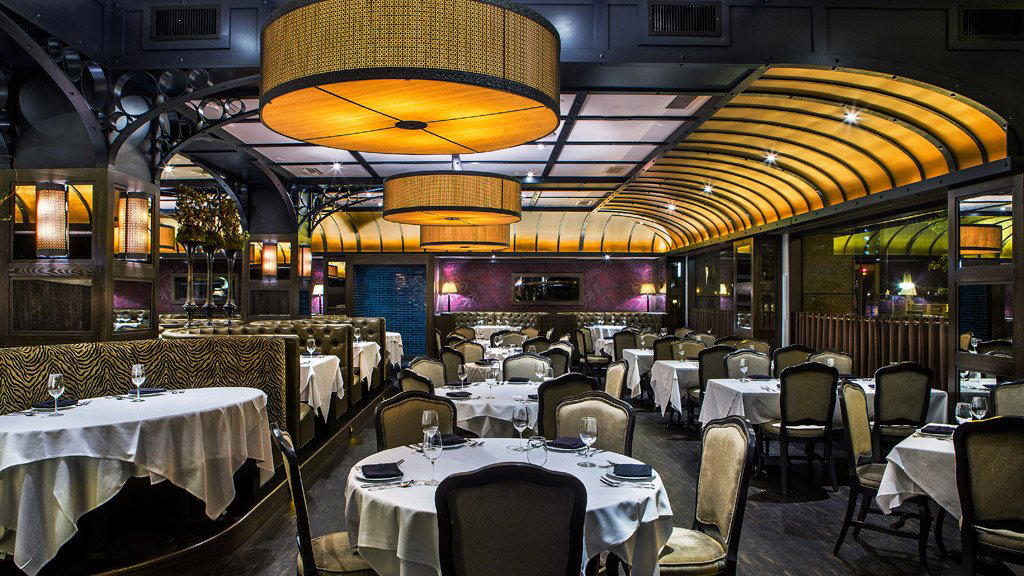
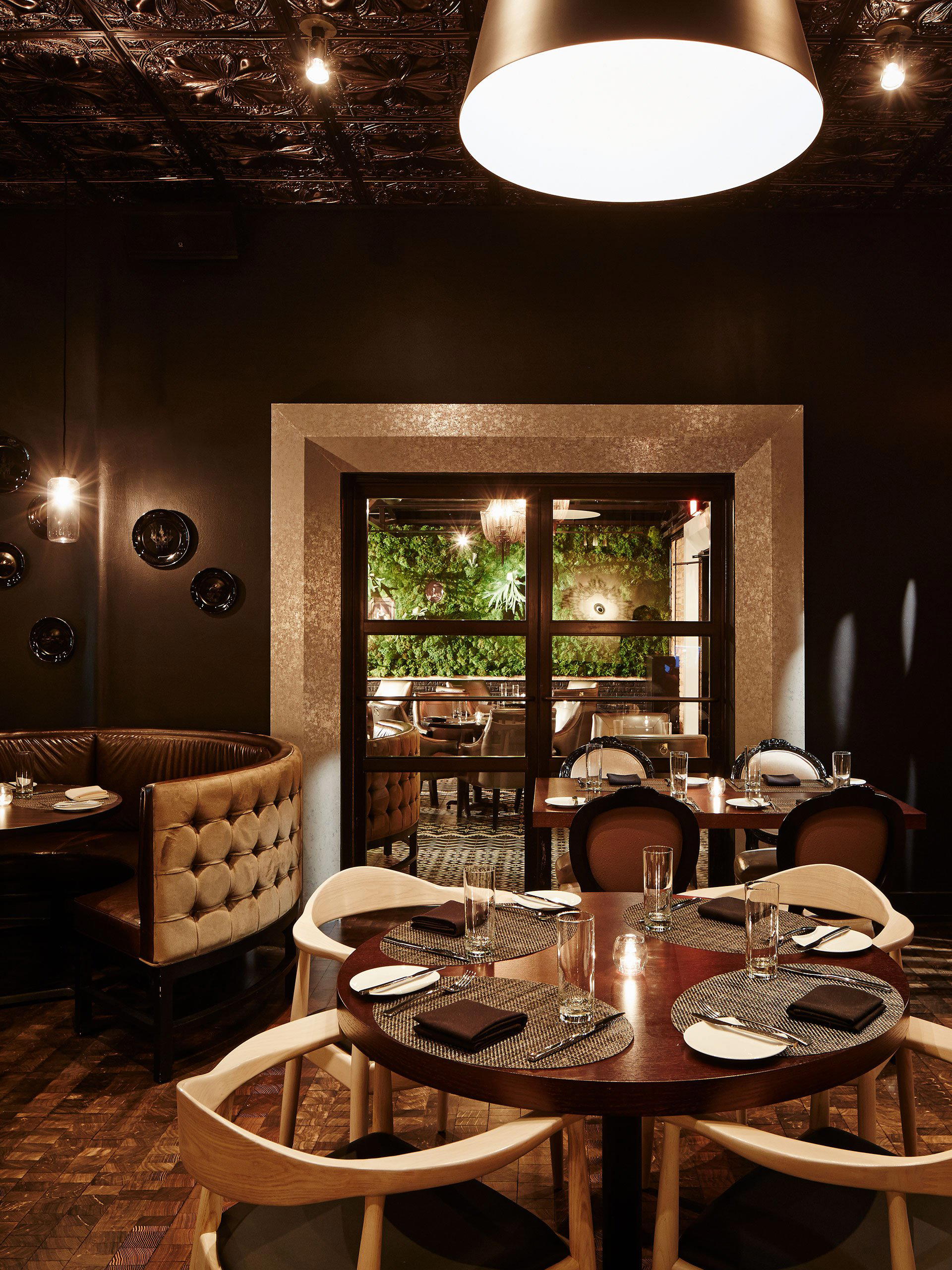
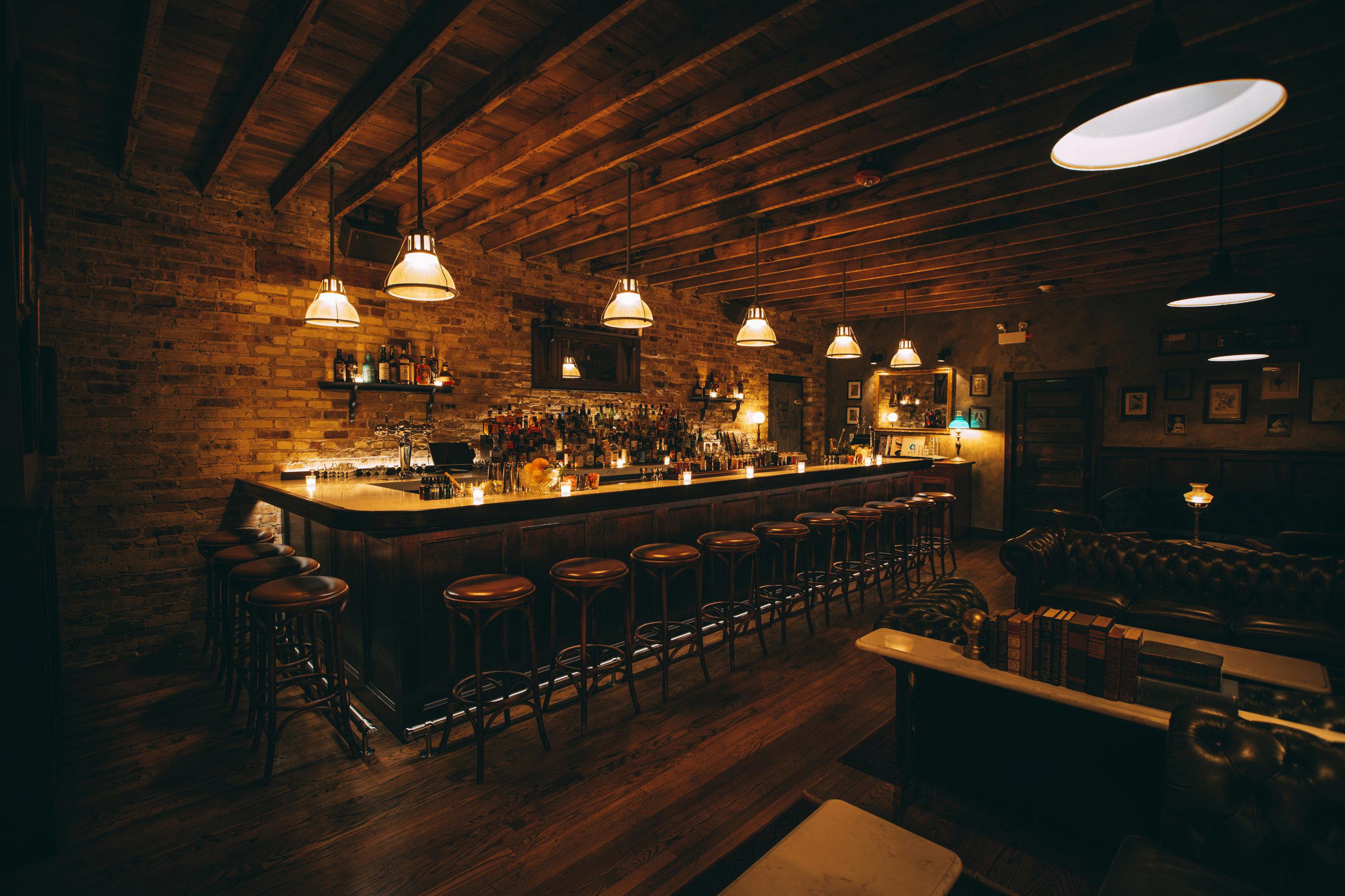
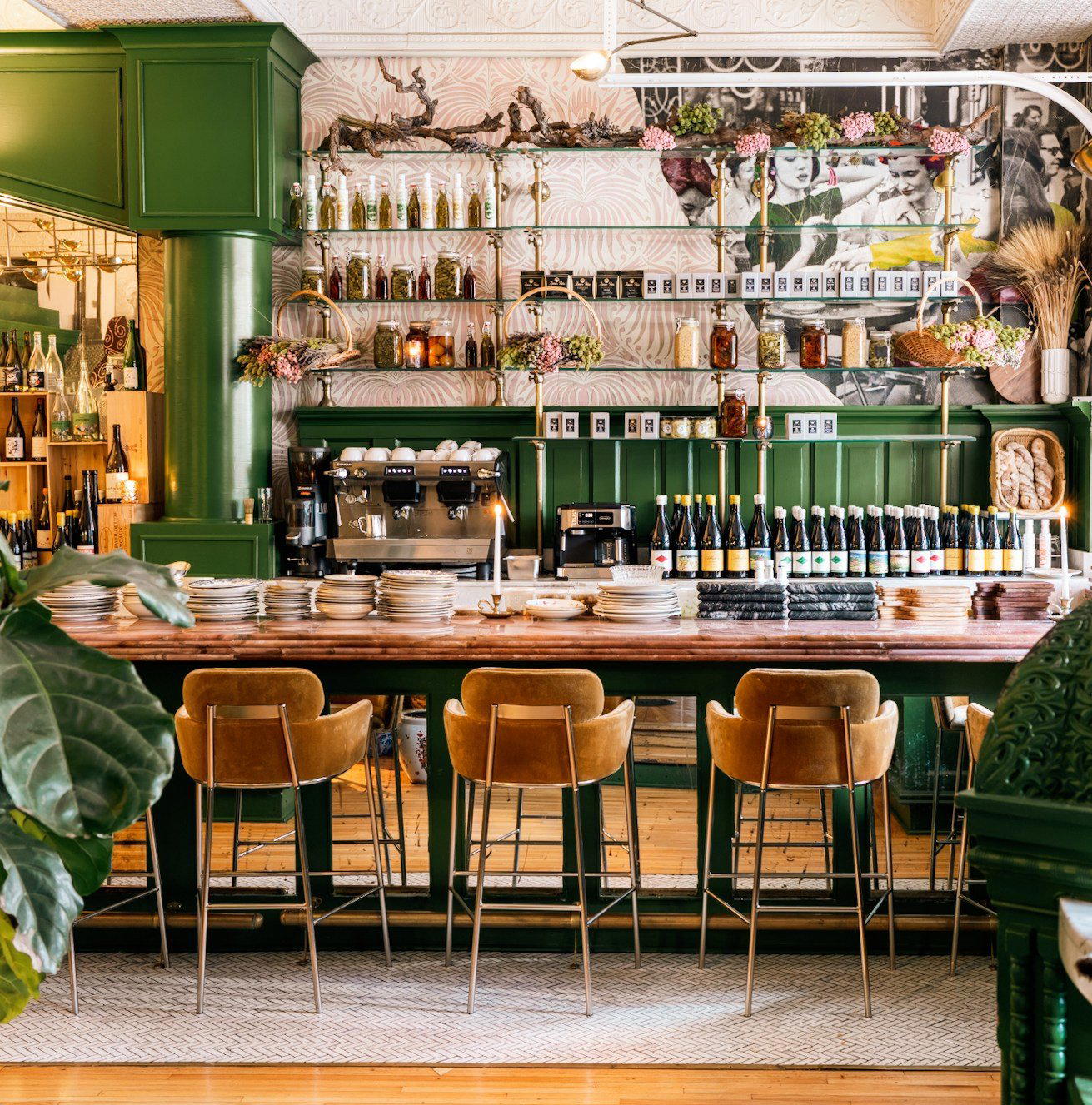
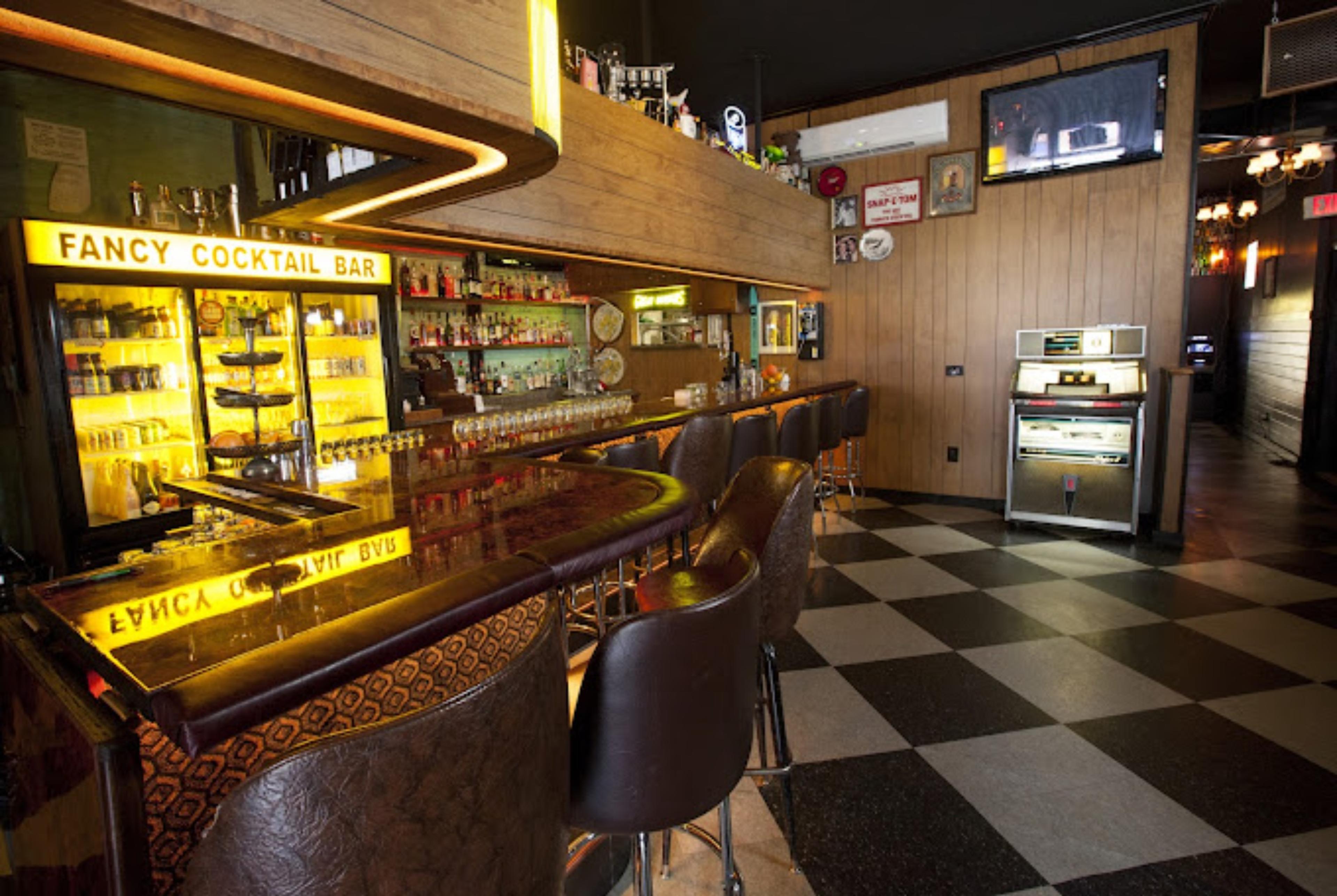
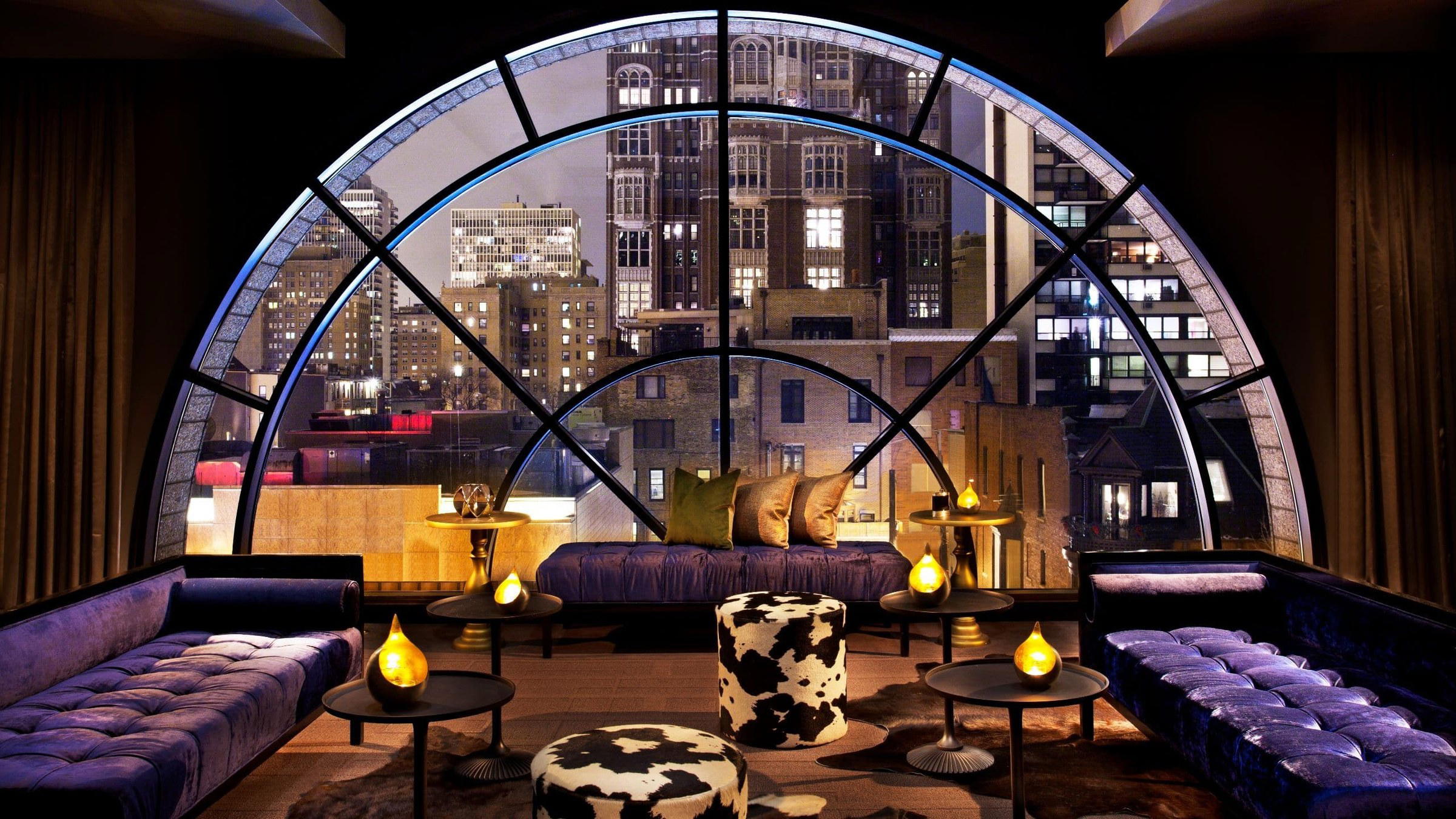
Dimly lit with a romantic and lively atmosphere.