On the quieter western shore of Krk island, Trattoria Gatto Nero addresses a specific gap in Malinska's dining scene: the kind of neighbourhood Italian-inflected trattoria where the sourcing of ingredients carries more weight than the theatre of the room. For visitors working through Croatia's Kvarner coast, it offers a grounded alternative to the region's more formal Adriatic restaurants.
Pearl is the En Primeur Club membership app — saves, bookings, and concierge access live there. Same editors, same standards.
- Address
- Ul. Lina Bolmarčića 20, 51511, Malinska, Croatia
- Phone
- +385914442424
- Website
- gattonero.eu
- Directions
- Get directions
 Saves & bookings on Pearl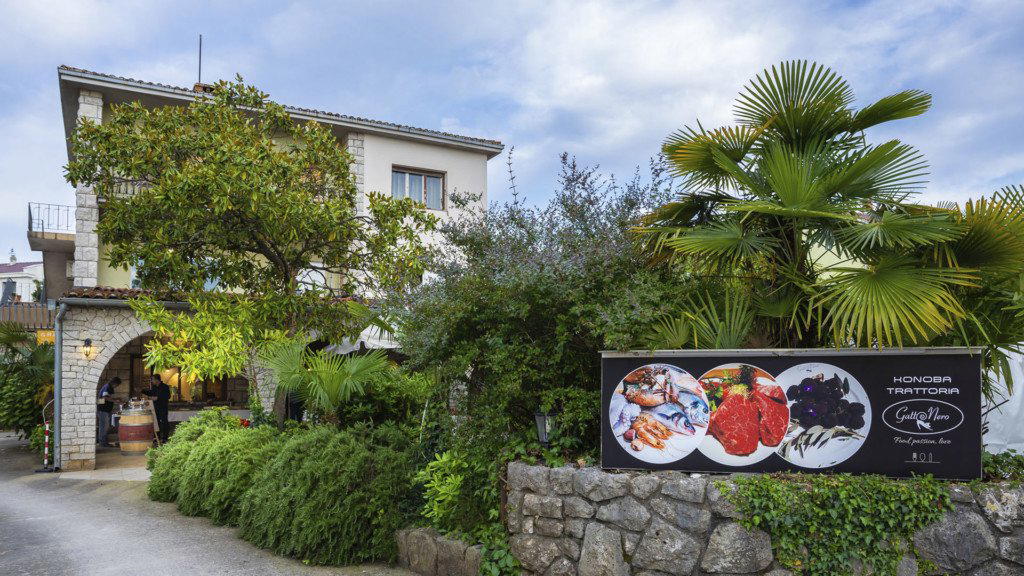
Where the Kvarner Coast Eats Simply
Malinska sits on the northwestern edge of Krk island, a town that has largely avoided the resort-scale development that reshaped parts of the Croatian coast through the 1990s and 2000s. The dining scene here operates at a different register than, say, Rovinj or Dubrovnik: fewer tasting menus, less architectural drama, more emphasis on what the sea and the inland Kvarner hinterland actually produce. Trattoria Gatto Nero, at Ul. Lina Bolmarčića 20, occupies that quieter register. You approach it through streets scaled for foot traffic rather than tour groups, and the room, characteristically for a trattoria format, puts the emphasis on the table and what's on it rather than on how the space photographs.
The trattoria format itself carries a specific set of expectations that matter here. Unlike the modern Mediterranean tasting-menu model practiced at restaurants such as Pelegrini in Sibenik or the international fine-dining register of Restaurant 360 in Dubrovnik, a trattoria is built around repetition and reliability: a short menu, a direct relationship between kitchen and supplier, and portions that acknowledge hunger rather than aesthetics alone. In the Croatian coastal context, that model tends to converge with local sourcing almost by default, because the alternative, importing standardised produce from a central distribution network, produces food that tastes like it was made for a different coast entirely.
The Sourcing Logic Behind Kvarner Coastal Cooking
Kvarner sits at the intersection of two distinct food geographies. To the sea, the gulf produces shellfish, white fish, and the small oily fish, sardines, anchovies, mackerel, that define the simpler end of Adriatic cooking. To the land, the Gorski Kotar uplands and the Kvarner interior supply lamb, game, foraged herbs, and the kind of seasonal mushrooms that appear on menus across the region from autumn through to early winter. A kitchen working this geography has no structural reason to reach further than its immediate suppliers. The ingredients are there; the question is whether a given kitchen bothers to use them.
In the trattoria tradition, the sourcing argument is partly an economic one and partly a culinary one. Shorter supply chains produce fresher fish in a region where the boat-to-table interval can be measured in hours rather than days. They also produce a menu that shifts with the season rather than holding a fixed card year-round. For comparison, Restoran Vila Rova, also in Malinska, approaches a similar farm-to-table logic from a different angle. Both point toward the same underlying dynamic in the local scene: one coherent kitchens on this stretch of coast are the ones that read their supply chain as a menu constraint rather than a limitation.
This is a pattern visible elsewhere on Croatia's islands. Bodulo in Pag works the specific terroir of Pag island, lamb, sage, the island's famously saline cheese, with a similar discipline. Boskinac in Novalja goes further, running its own estate and winery to close the sourcing loop entirely. Gatto Nero operates at a less ambitious scale, but the underlying logic, cook what the region produces, connects it to a broader shift in how Croatian coastal kitchens have repositioned themselves over the past decade.
Reading the Room: Format and Atmosphere
The trattoria format, when it works, produces a specific atmosphere that formal restaurants in the same price tier rarely replicate: unhurried, conversational, tolerant of the meal running long. In a town like Malinska, where summer evenings stretch past nine o'clock and the light stays warm well into the dinner hour, that pacing suits the rhythm of the place. The room at Gatto Nero is consistent with this format, neither the spare minimalism of a modernist Croatian restaurant nor the self-conscious rusticity of places that perform their own authenticity.
For a point of comparison further up the coast, Burin in Crikvenica occupies a similar position in its local market: a reliable, non-theatrical kitchen serving a coast-driven menu without the architecture of a destination restaurant. The distinction between these neighbourhood-scale operations and the region's higher-profile venues, Nebo by Deni Srdoč in Rijeka, for instance, or Agli Amici Rovinj, is not simply one of price or ambition, but of purpose. A trattoria on a quiet Kvarner island is trying to feed people well, consistently, with what the season allows.
Malinska in the Wider Croatian Dining Map
Krk island's dining scene is frequently overlooked in editorial coverage of Croatian food, which tends to concentrate on Dubrovnik, Split, Rovinj, and Zagreb. That concentration makes sense from a tourism-volume standpoint, but it means that kitchens operating in smaller Kvarner towns often develop a local clientele and a local reputation without much external scrutiny. Alfred Keller in Mali Lošinj represents the upper end of what the Kvarner island circuit can produce when a kitchen takes its sourcing and technique seriously. Gatto Nero operates at a different level of ambition, but sits within the same geographic and culinary logic.
For visitors building a broader itinerary through Croatian fine dining, the comparison set shifts considerably once you move to the mainland. Dubravkin Put in Zagreb, Krug in Split, and LD Restaurant in Korčula each operate at a higher formal register than anything Malinska currently offers. But that comparison is somewhat beside the point. A trattoria in a small Kvarner island town is not competing against a Michelin-tracked kitchen in Korčula; it is competing against the version of itself that existed five years ago, and against the generic seafood restaurants that line most Croatian tourist waterfronts without much distinguishing logic. One honest frame for Gatto Nero is that it addresses a genuine local need, in a town where the alternatives range from good to indifferent, with a format that has kept working for Italian-influenced coastal cooking for a long time. Our full Malinska restaurants guide covers the broader scene.
Planning Your Visit
Malinska is accessible from the mainland via the Krk Bridge, the longest concrete arch bridge in the world at the time of its construction, connecting the island to the Rijeka coast road. The town is approximately 30 kilometres from Krk Town and sits on the island's northwestern shore. Gatto Nero is open Monday from 12 to 10 PM, Wednesday and Thursday from 12 to 9 PM, and Friday through Sunday from 12 to 10 PM; it is closed on Tuesday. Reservations are recommended.
Side-by-Side Snapshot
Comparable venues nearby, for context on price, style, and recognition.
| Venue | Cuisine | Price | Awards | Notes |
|---|---|---|---|---|
| Trattoria Gatto NeroThis venue — the venue you are viewing | Adriatic Seafood Trattoria | $$$ | Not listed | Not listed |
| Restoran Vila Rova | Modern Croatian Mediterranean Fine Dining | $$$$ | Michelin Plate | Malinska |
| Al Dente | Modern Italian with Neapolitan Pizza | $$$ | Not listed | Zagreb City Center |
| Francesca | Mediterranean Fine Dining | $$$ | Not listed | Old Town Baska |
| Kamenjak | Italian Pizza and Seafood | $$ | Not listed | Premantura |
| Astoria Resturant | Mediterranean Seafood with Croatian Tradition | $$$ | Not listed | Rab Town |
Continue exploring
More in Malinska
Restaurants in Malinska
Browse all →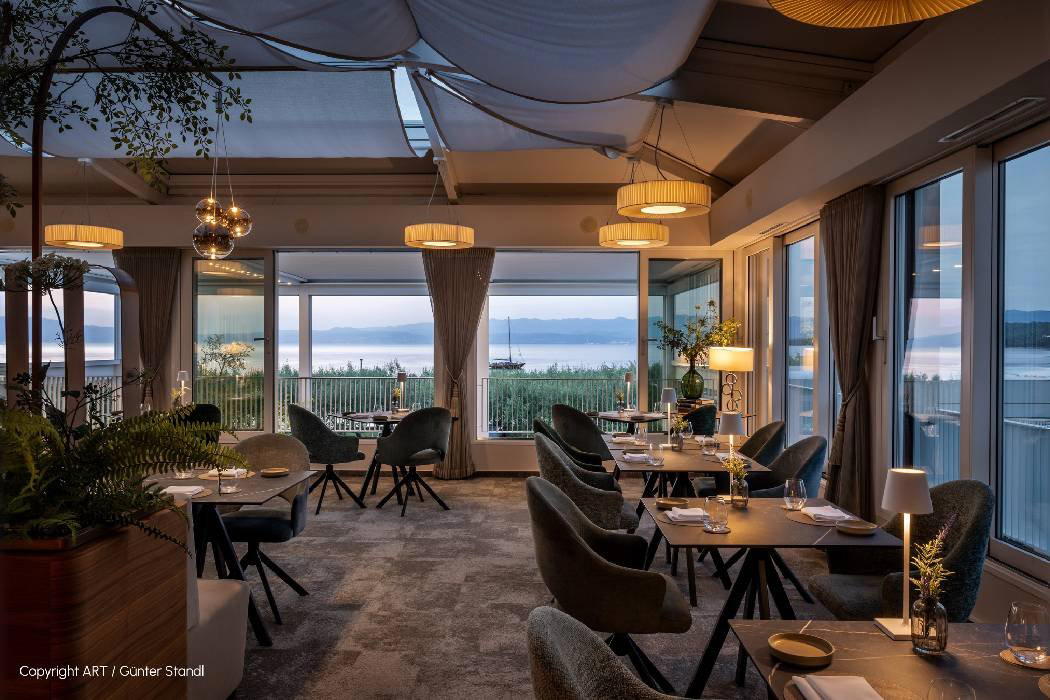
Bars in Malinska
Browse all →
Hotels in Malinska
Browse all →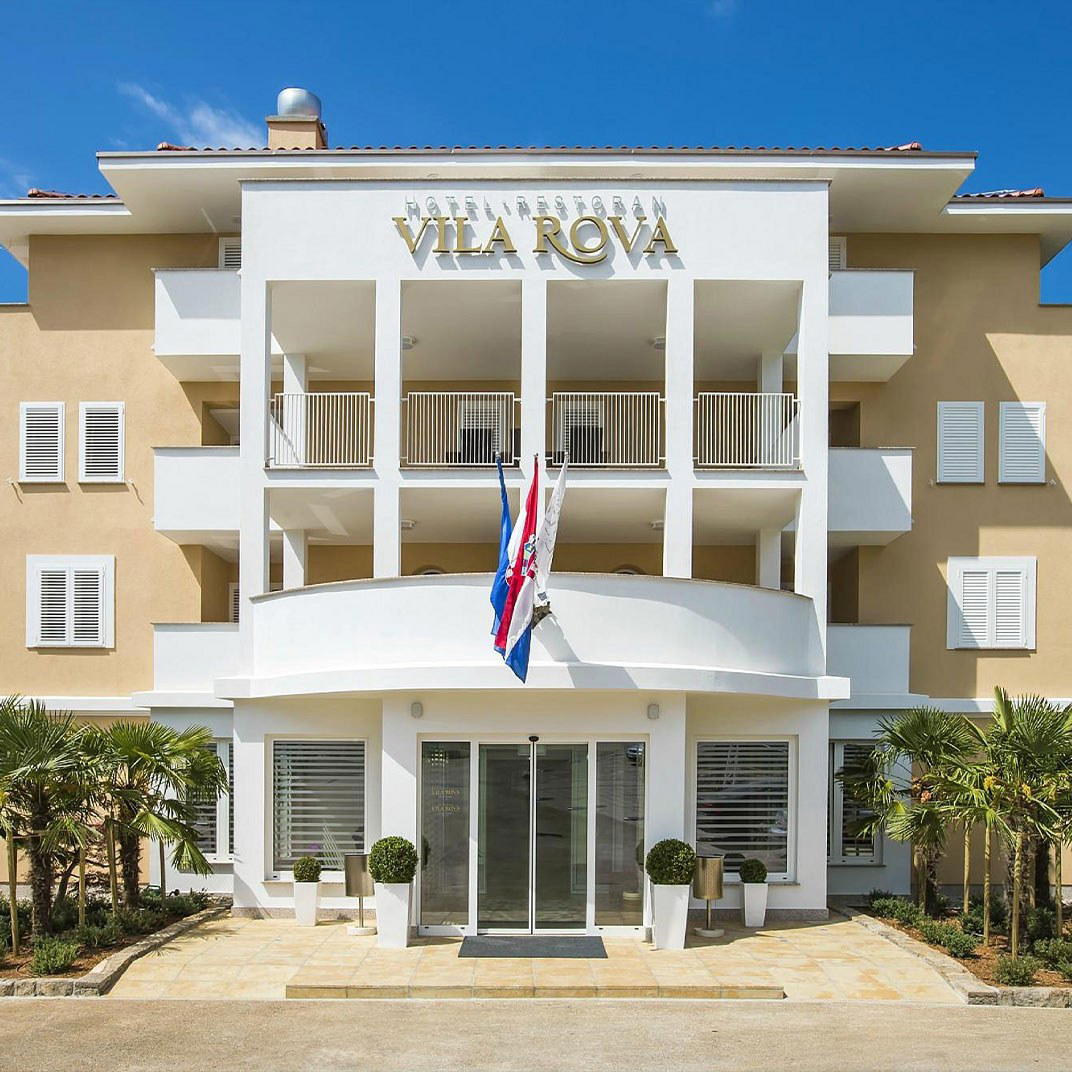
Wineries in Malinska
Browse all →At a Glance
- Cozy
- Rustic
- Intimate
- Date Night
- Special Occasion
- Terrace
- Open Kitchen
- Extensive Wine List
- Local Sourcing
Current opening hours
- Monday
- 12–10 PM
- Tuesday
- Closed
- Wednesday
- 12–9 PM
- Thursday
- 12–9 PM
- Friday
- 12–10 PM
- Saturday
- 12–10 PM
- Sunday
- 12–10 PM
Hours can change for holidays and private events. Last verified .
Lovingly furnished with warm hospitality, relaxed terrace atmosphere, and a welcoming home-like feel.